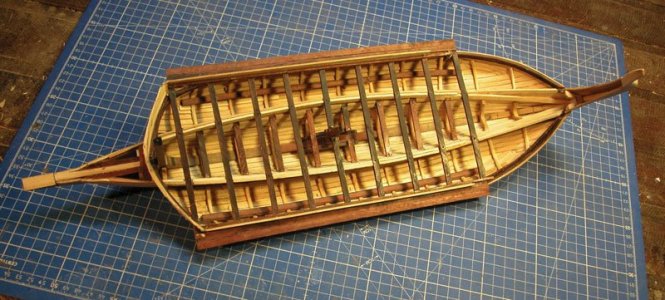
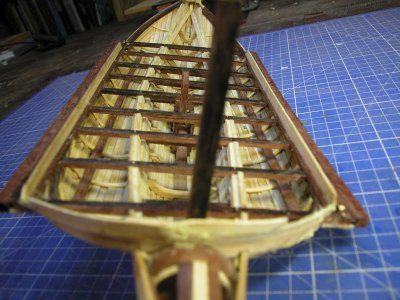
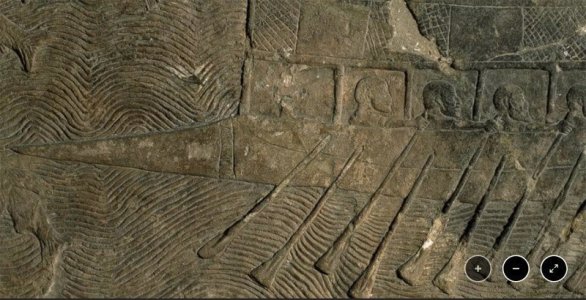
I am happy to present my log of a vessel known only from a bas relief cast in the Brirsh Museum and some illustrations in Austin Layards documentation of his excavations in Nineveh Mesopotamia in the mid 19th century.
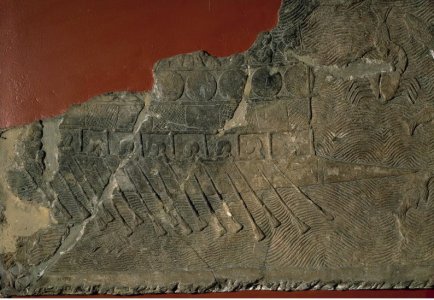
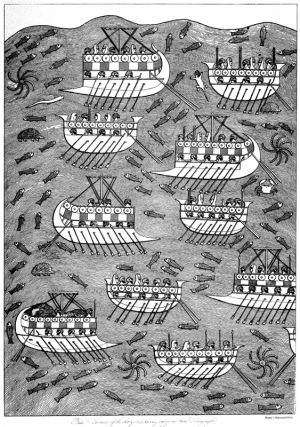
This a bireme war galley used in the evacuation of King Luli of Sidon and Tyre in about 700 bce during the depredations of the assyrian King Sennacherib.
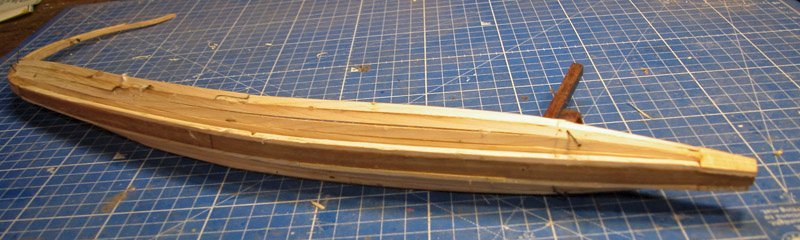
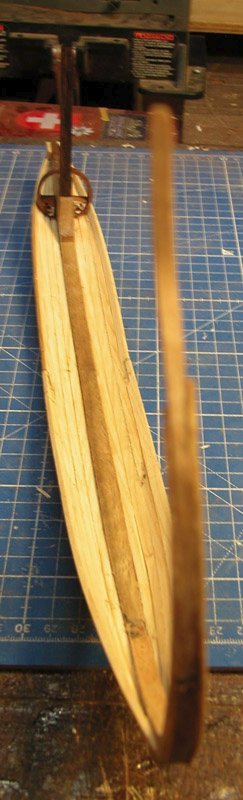
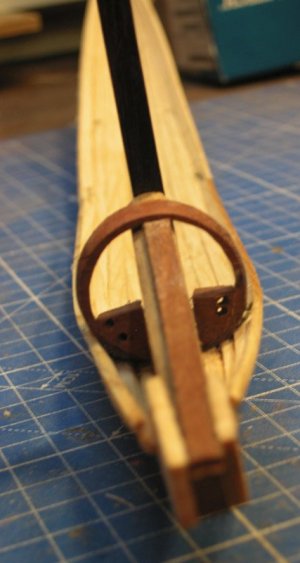
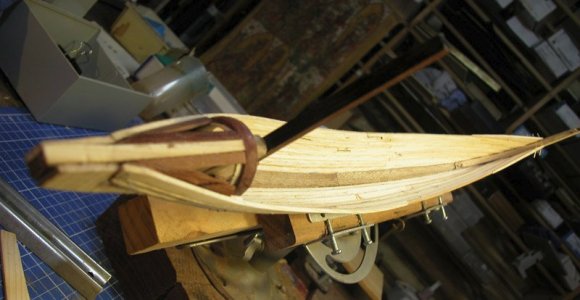
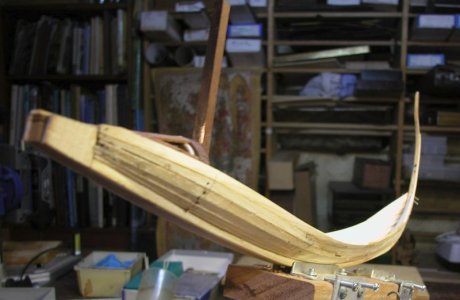
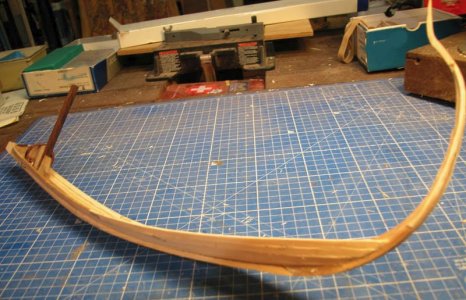
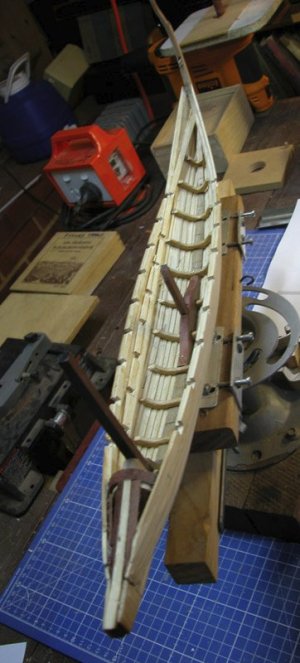
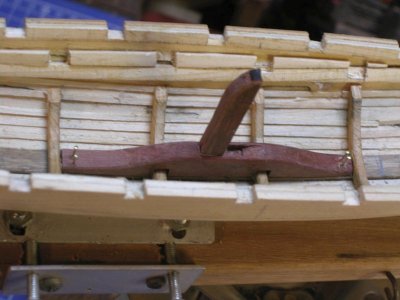
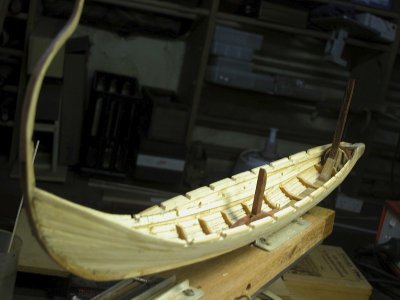
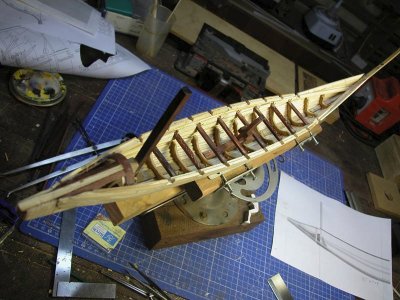
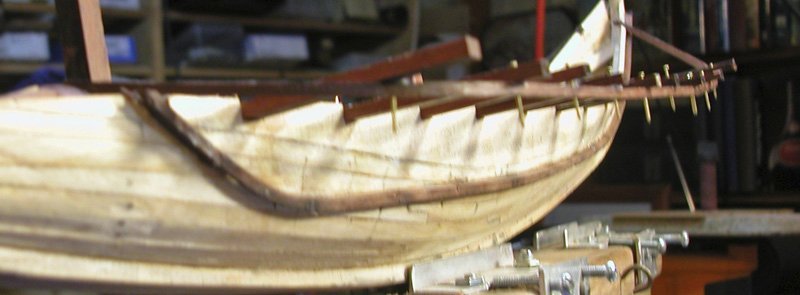
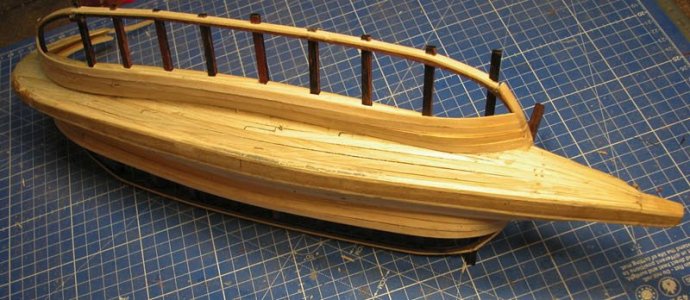
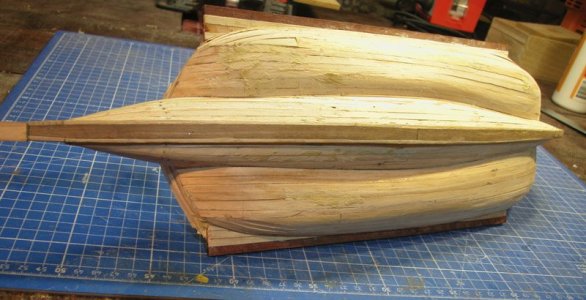
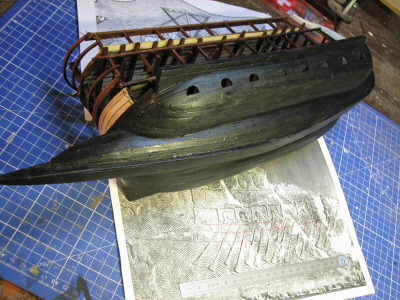
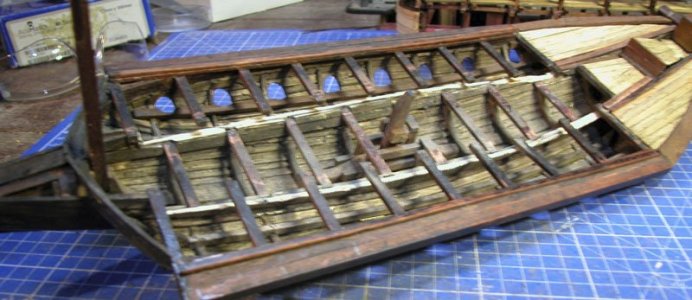
I have decided to build this using edge planking shell-first construction as was known to be used since the bronze age and certainly found in phoenician wrecks. I initially wished to use pegged mortice and tenon technique as I have previously done in a reconstruction of a mycenaean bireme galley (log lost in MSW debacle)
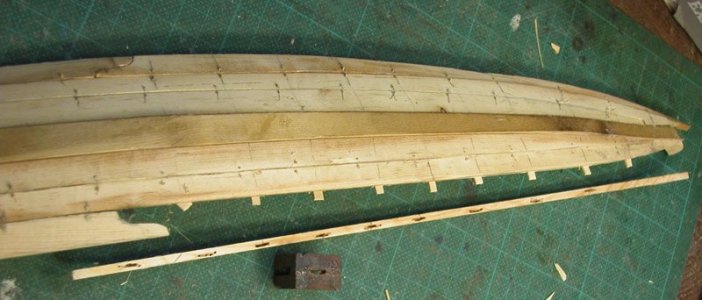
However the scale I chose and the type of wood meant that this was not practicable.
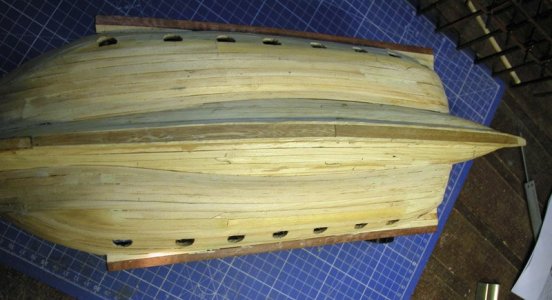
There have been other attempts at reconstruction but most are wildly inaccurate. I elected to let the shell construction guide the central hull shape
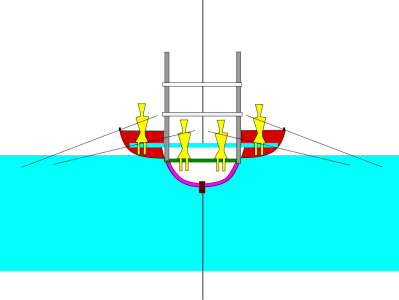
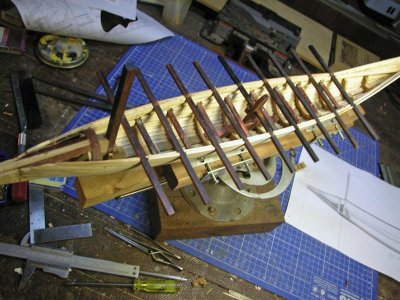
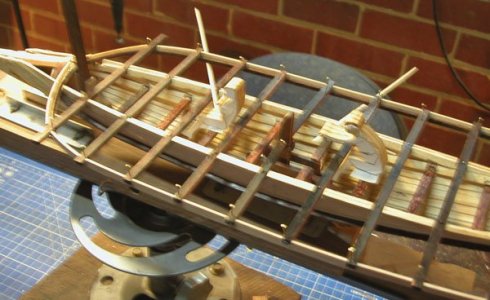
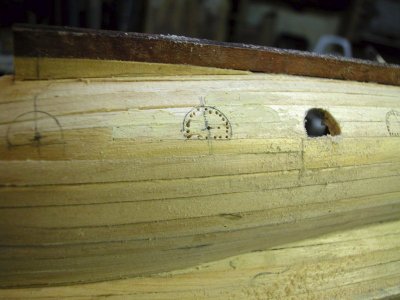
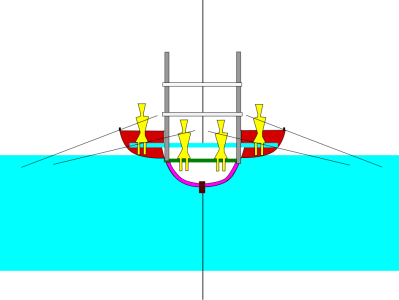
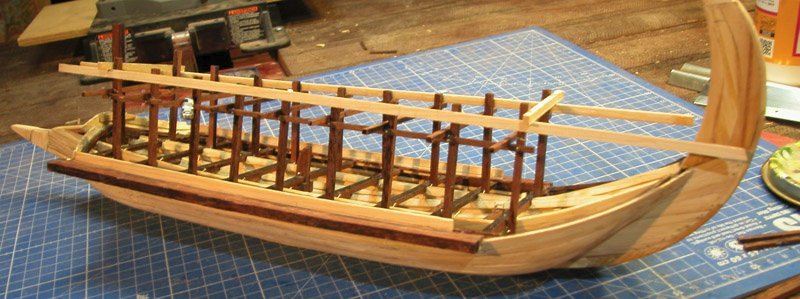
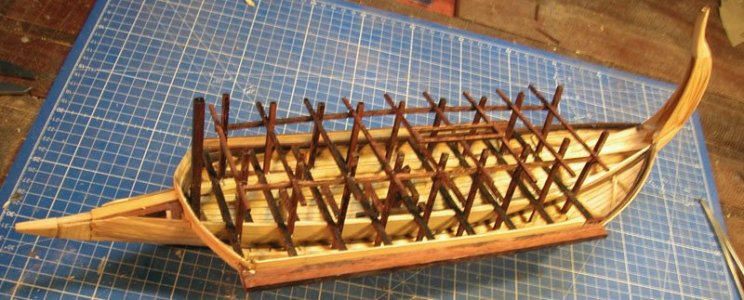
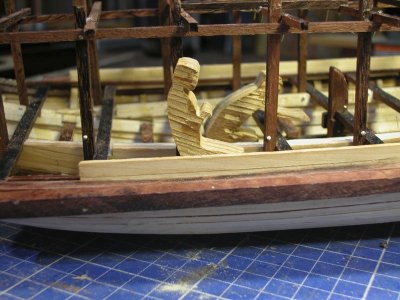
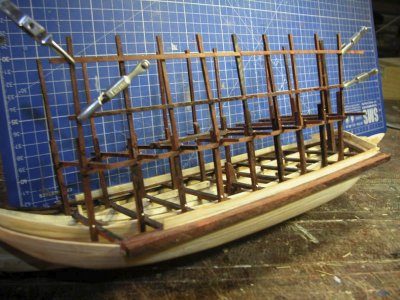
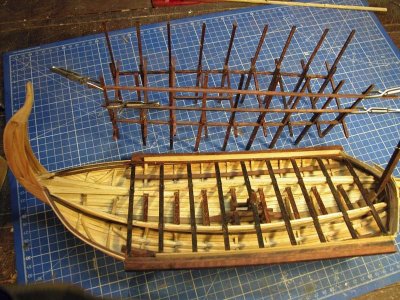
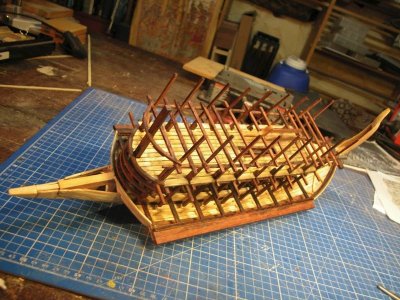
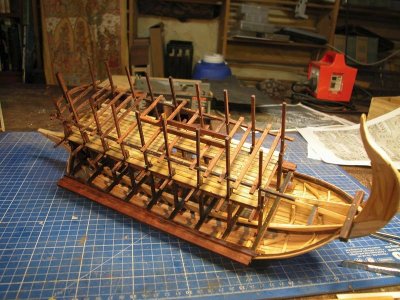
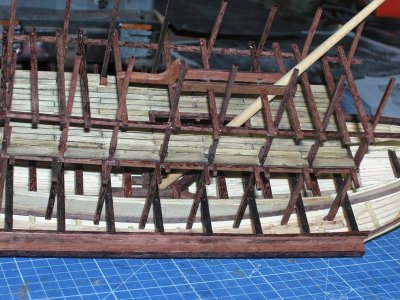
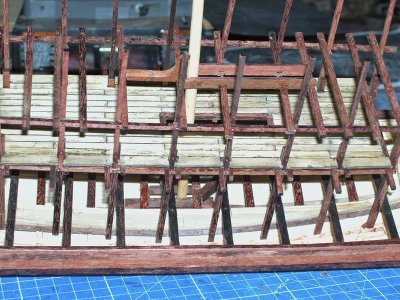
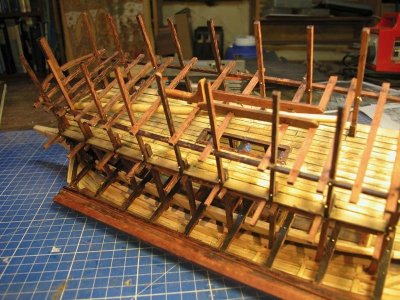
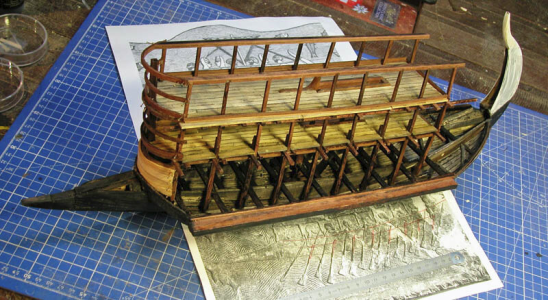
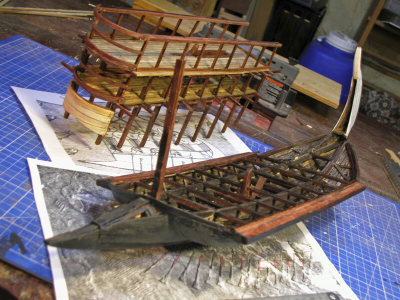
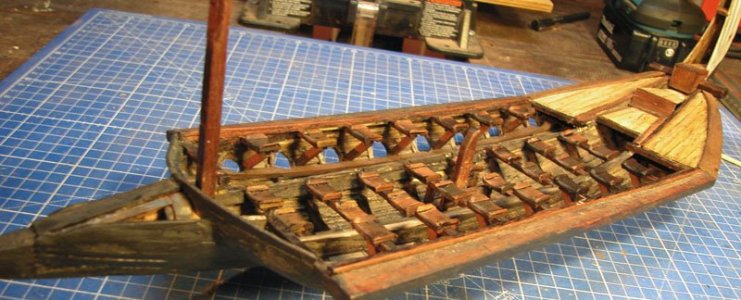
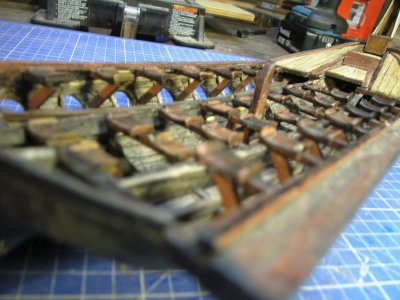
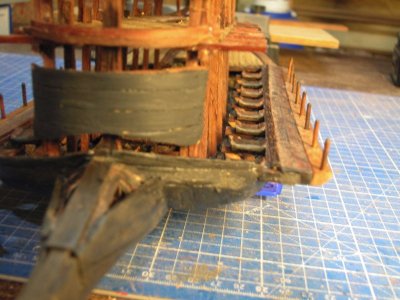
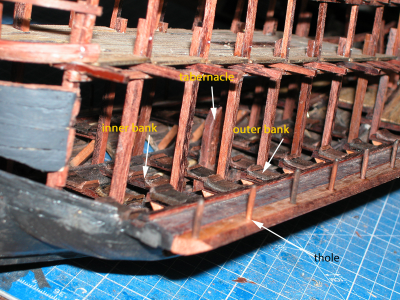
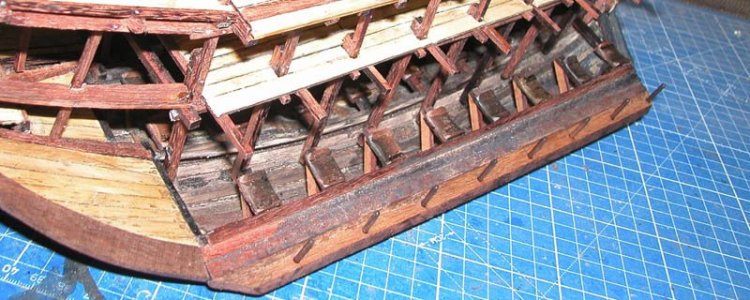
There are two banks of rowers: the inner zugite bank sitting within a row of vertical stanchions and an outer thranite bank of rowers sitting outside the vertical stanchions at a slightly higher level but on an outrigger construction later called the parekseiresia by the greeks. The inner zugite oars penetrate the wall of the outrigger while the thranite oars operate over the top rail of the outrigger.
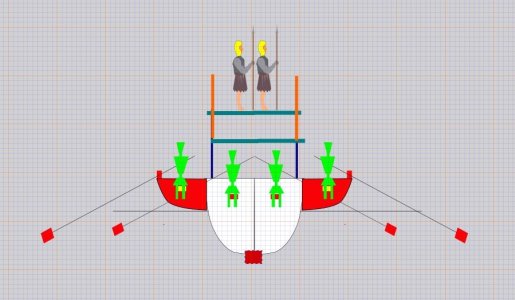
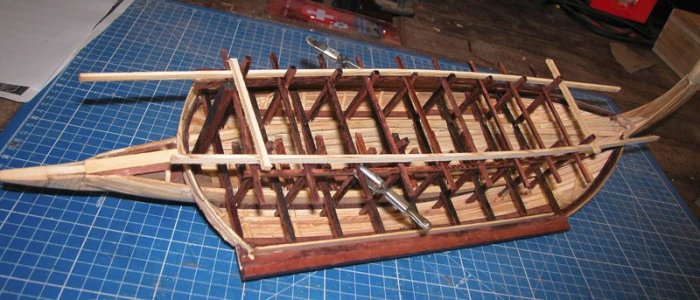
The central structure above the zugite rowers contains a storage/accommodation deck and, above this an upper fighting deck. This looks unwieldy but I am reluctant at this stage to change the proportions seen on the bas reliefs. A mast is sited centrally on the keel and there has to be sufficient space on the fighting deck to set up and work the rigging of the single square sail.
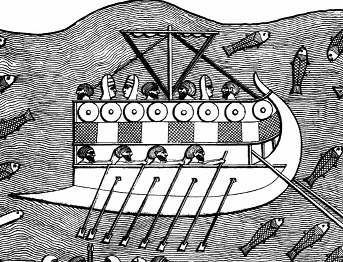
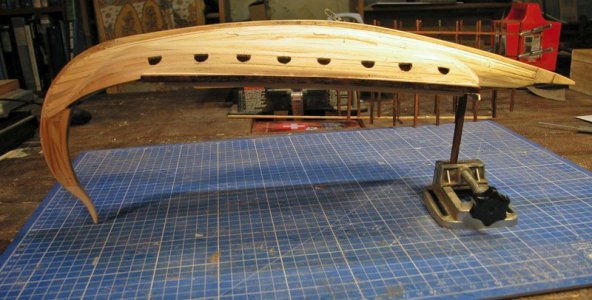
Note that the ram is well developed and appears to be lashed to the timbers of the bow section. Was it cast in bronze like the Athlit ram of later century or was it made of timber?
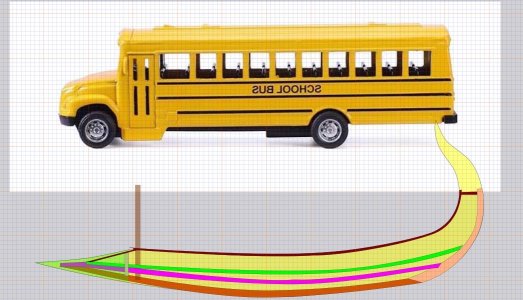
This the draft longitudinal section of the galley proposed with a school bus for scale
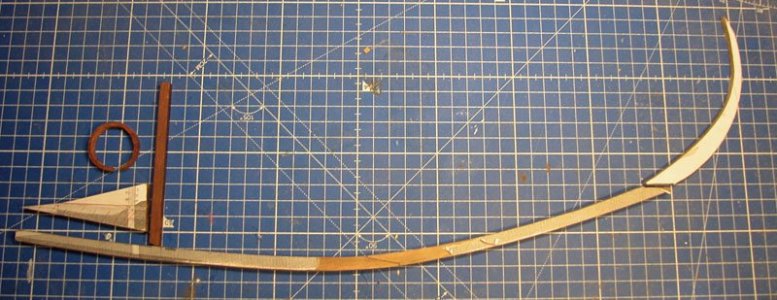
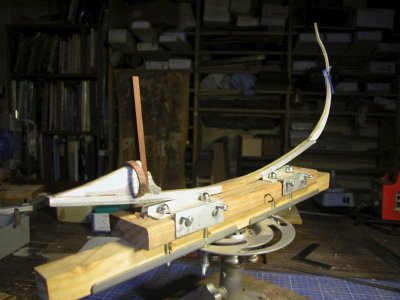
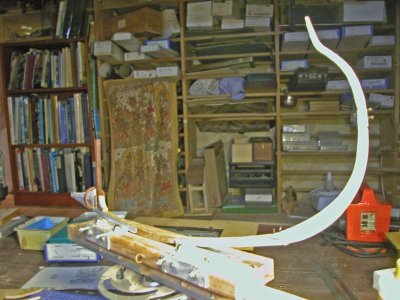
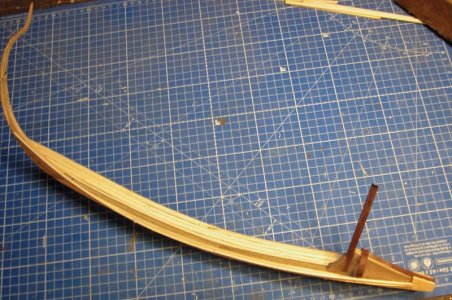
The next post will detail the hull construction to date
Cheers
Dick
This a bireme war galley used in the evacuation of King Luli of Sidon and Tyre in about 700 bce during the depredations of the assyrian King Sennacherib.
I have decided to build this using edge planking shell-first construction as was known to be used since the bronze age and certainly found in phoenician wrecks. I initially wished to use pegged mortice and tenon technique as I have previously done in a reconstruction of a mycenaean bireme galley (log lost in MSW debacle)
However the scale I chose and the type of wood meant that this was not practicable.
There have been other attempts at reconstruction but most are wildly inaccurate. I elected to let the shell construction guide the central hull shape
There are two banks of rowers: the inner zugite bank sitting within a row of vertical stanchions and an outer thranite bank of rowers sitting outside the vertical stanchions at a slightly higher level but on an outrigger construction later called the parekseiresia by the greeks. The inner zugite oars penetrate the wall of the outrigger while the thranite oars operate over the top rail of the outrigger.
The central structure above the zugite rowers contains a storage/accommodation deck and, above this an upper fighting deck. This looks unwieldy but I am reluctant at this stage to change the proportions seen on the bas reliefs. A mast is sited centrally on the keel and there has to be sufficient space on the fighting deck to set up and work the rigging of the single square sail.
Note that the ram is well developed and appears to be lashed to the timbers of the bow section. Was it cast in bronze like the Athlit ram of later century or was it made of timber?
This the draft longitudinal section of the galley proposed with a school bus for scale
The next post will detail the hull construction to date
Cheers
Dick
Last edited: