
Notice to Forum Colleagues – CAF Kit / 130mm Cutter – 1:48 Scale
Project Update and Kit Evaluation: HMS Bellona / 1760 – 1:48 Scale
I am starting the assembly project for the HMS Bellona / 1760 – 1:48 scale – CAF. As part of some extra purchases for the project, I bought two CAF kits for the “Cutter” (130mm long, 1:48 scale) and began assembling them alongside the ship.
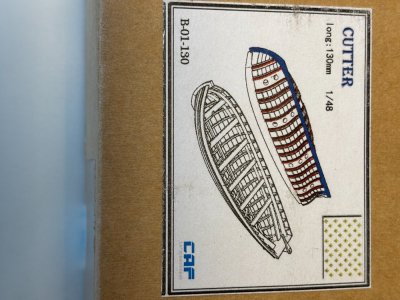
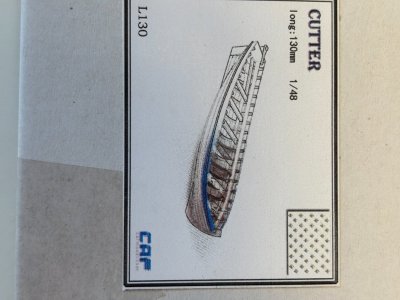
Although identical in dimensions and appearance, the manufacturer CAF sent two different kits, which produce totally different results:
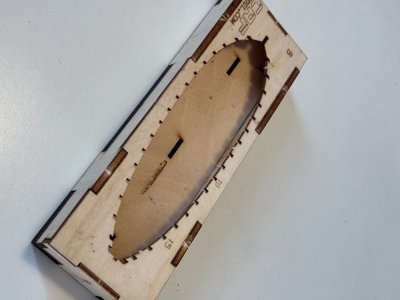
1. The first, number L130, with a wooden box cut to fix the frames to the keel, was assembled easily, despite the frames being very fragile.
2. The second kit, number B-01-130, presented serious assembly problems, so I recommend not buying it.
The assembly problems were:
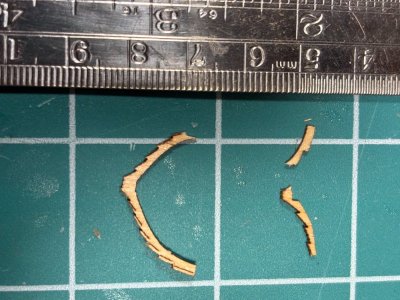
• The 17 frames are laser-cut from 1mm thick plywood, which, although true to scale, is extremely fragile and breaks very easily, even when handled carefully. Due to their size and delicacy, they are nearly impossible to repair.
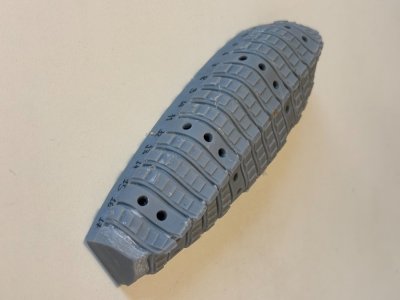
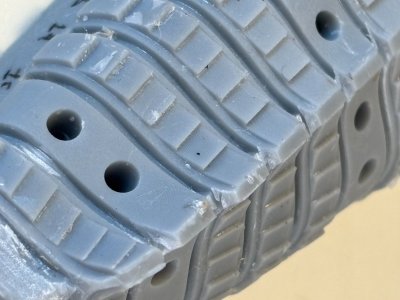
• The assembly of the frames and keel is done over a 3D printed hull mold with grooves for fitting the various parts. This is where the problems begin: The fits are very tight, requiring significant widening to prevent the frames from becoming stuck and breaking when removed from the mold; I had to use special files. The mold is shorter than the supplied keel, requiring adaptations to maintain the correct hull length and frame placement, making this assembly process tedious, slow, and labor-intensive.
• Anticipating difficulties in removing the mold, I applied four layers of release agent to the resin mold, yet some frames still broke when the hull was demolded, demanding constant repairs with significant loss of quality and time.
• The planking went relatively well, except that the boards are overlapped and do not line up with the cutouts on the frames, requiring adjustments with each application and causing excessive loss of time.
I will suggest to the manufacturer CAF that, in kit B-01-130, the material for the frames and keel be replaced with a single, monoblock piece, supplied as a 3D print, giving better mechanical strength to the 1mm assembly and eliminating the need for mold-based construction, along with correcting the hull length.
The price of these kits isn’t low, and the time spent on assembly, repairs, and reassembly is not justified. If you decide to purchase these kits, I recommend choosing only the CAF L130.
Project Update and Kit Evaluation: HMS Bellona / 1760 – 1:48 Scale
I am starting the assembly project for the HMS Bellona / 1760 – 1:48 scale – CAF. As part of some extra purchases for the project, I bought two CAF kits for the “Cutter” (130mm long, 1:48 scale) and began assembling them alongside the ship.
Although identical in dimensions and appearance, the manufacturer CAF sent two different kits, which produce totally different results:
1. The first, number L130, with a wooden box cut to fix the frames to the keel, was assembled easily, despite the frames being very fragile.
2. The second kit, number B-01-130, presented serious assembly problems, so I recommend not buying it.
The assembly problems were:
• The 17 frames are laser-cut from 1mm thick plywood, which, although true to scale, is extremely fragile and breaks very easily, even when handled carefully. Due to their size and delicacy, they are nearly impossible to repair.
• The assembly of the frames and keel is done over a 3D printed hull mold with grooves for fitting the various parts. This is where the problems begin: The fits are very tight, requiring significant widening to prevent the frames from becoming stuck and breaking when removed from the mold; I had to use special files. The mold is shorter than the supplied keel, requiring adaptations to maintain the correct hull length and frame placement, making this assembly process tedious, slow, and labor-intensive.
• Anticipating difficulties in removing the mold, I applied four layers of release agent to the resin mold, yet some frames still broke when the hull was demolded, demanding constant repairs with significant loss of quality and time.
• The planking went relatively well, except that the boards are overlapped and do not line up with the cutouts on the frames, requiring adjustments with each application and causing excessive loss of time.
I will suggest to the manufacturer CAF that, in kit B-01-130, the material for the frames and keel be replaced with a single, monoblock piece, supplied as a 3D print, giving better mechanical strength to the 1mm assembly and eliminating the need for mold-based construction, along with correcting the hull length.
The price of these kits isn’t low, and the time spent on assembly, repairs, and reassembly is not justified. If you decide to purchase these kits, I recommend choosing only the CAF L130.