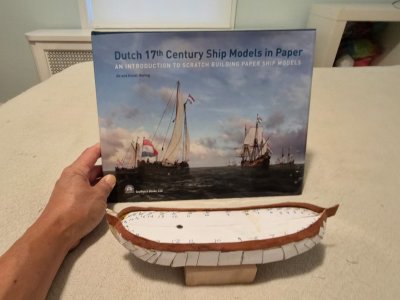
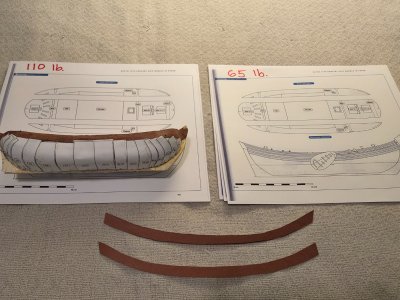
Evan -- There is a difference between classic (mostly European and Eastern European/Russian) paper model kits from companies like Shipways and Paper Modeling and the relatively new paper cardstock builds that Ab Hoving, the Dutch Master shipmodeler, and the folks at SeaWatch Books are doing. I have done alot of the classic paper builds but I found that the margin for error is 0...one bad cut or bad fold and the whole model piece is ruined. The new method promoted in several books by Ab Hoving involves using "chip board," "cardboard bookends," or Fibercore to replace wood elements and it is a LOT more forgiving. Chip board is basically 1mm - 2 mm pressed cardboard that can be stacked in 1-2 mm increments to create boat frame elements that are as strong as wood, but as easy and cheap as cardboard. The Hoving method also uses multiple thickness card stock -- I use 65 pound, 80 pound and 110 pound card stock -- as well as 1 mm - 2 mm polystyrene foam, and multiple different adhesives (CA glue, PVA glue, tacky glue, gel CA glue) which gives the build flexibility and hardness where required. I am on my second "Hoving Build" from his books "17th Century Dutch Ships in Paper Models" and "The Ships of Abel Tasman." I really like the Hoving method and plan to build my next 3 builds from Ab Hoving plans (the Jagt Heemskerck, the Zeehaen Fluyt, and the Witsen's Pinnace). The nice thing about the Hoving method is that if you mess up a part, you can always cut another one out of chip board or card stock. I am also using the Hoving method to "kit-bash" two classic paper models of the Dutch ships the Duyfken and the Papegojan, using larger scales and chip board to replace the paper/lasercut elements. We'll see how they come out, but the nice thing is all of these are scratch models and I am saving a lot of money because I am building everything from scratch using the Hoving method (so I haven't bought a model kit in several months)!
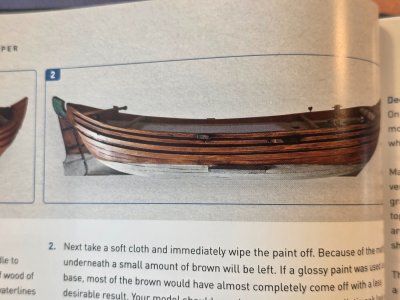
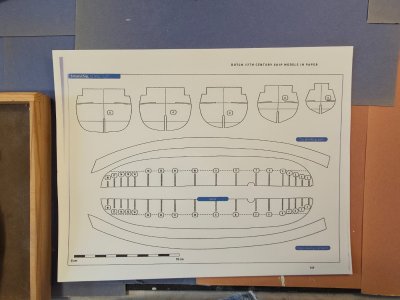
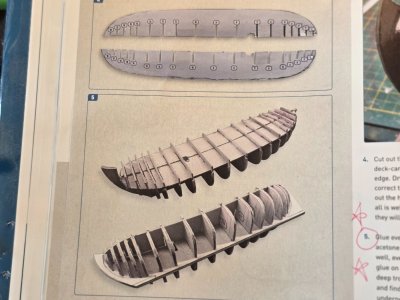
I think you asked about the plans for a paper model kit and I'm attaching some drawings from Ab Hoving of a Dutch 17th century "smalschip." These are from Mr. Hoving's book on "17th Century Dutch Ship Models in Paper," published by SeaWatch Books.
View attachment 609065
View attachment 609066
View attachment 609067
View attachment 609068