


Hi everyone,
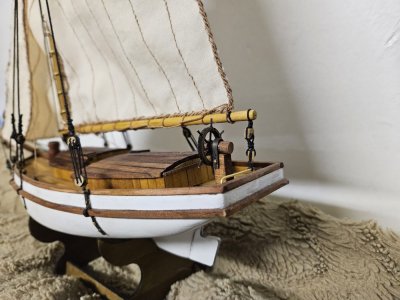
I started this model based on the drawings of the yacht Spray, building everything completely from scratch.
It took me quite some time to realize that LightBurn, which I was using for my laser cutter, isn’t really sufficient for creating high-quality drawings and transferring them accurately onto plywood or wooden planks.
The learning process has been a mix of fun and frustration. I spent a lot of time figuring out how to properly use the laser cutter, with plenty of trial and error along the way. Each failure meant stepping back for a few days before returning to fix what went wrong and try again.
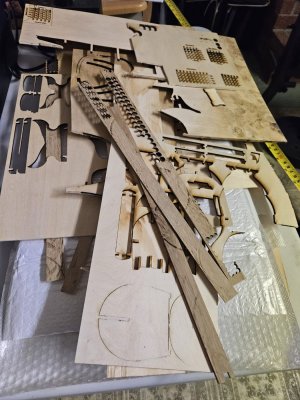
At this point, I’ve accumulated quite a pile of used plywood from all the experiments—most of it sourced from Temu.
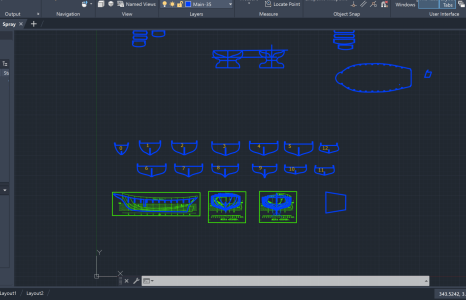
I decided to give AutoCAD a try for my drawings. It took me another week or so before I was able to produce something usable—drawings that could actually translate into clean, accurate cuts on plywood.
A couple more months passed, and the ship model finally made it onto the table.
There are areas where I put in more effort—like the standing rigging—and others where I kept things more minimal, such as the deck fixtures.
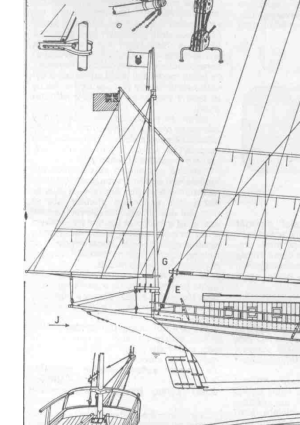
There are also parts of the original yacht Spray that I chose to skip for now, simply because they weren’t of much interest to me at this stage—like the aft sail and its supporting rigging.
I also realized that my use of the Domanoff PL4 Rope Machine wasn’t giving me the results I wanted. It didn’t allow me to achieve the tension and consistency I was aiming for. Because of that, I switched to a handmade rope-making setup, and I am much happier with the results.
Another area I may improve in the future is the thread I use for rope making. So far, I have been using Gütermann Extra Strong Thread (100% polyester). Over time, I became a bit disappointed with the result quality. In some cases, the finished ropes feel too stiff and look slightly plastic, which doesn’t always look natural on the model.
On the other hand, almost everything on this ship has been made completely from scratch—including the deadeyes, cleats, and metal fittings. The only exceptions are a few small decorative beads I bought at Michaels, used to thread the lines that hold the yards attached to the masts.
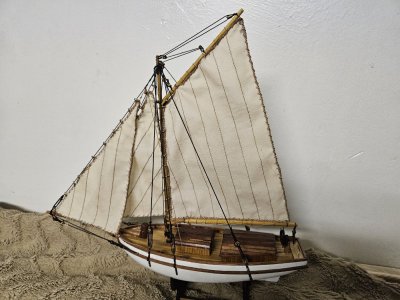
I am also somewhat unhappy with the color of the rope work around the sails. It doesn’t quite match the look I was aiming for and feels a bit off compared to the rest of the model. I may need to revisit this later and experiment with different materials or dyeing methods to achieve a more natural appearance.
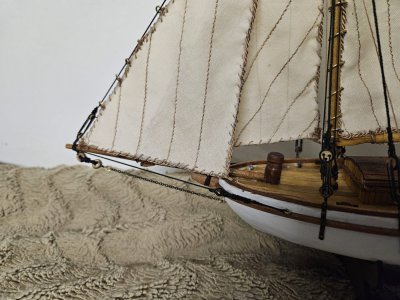
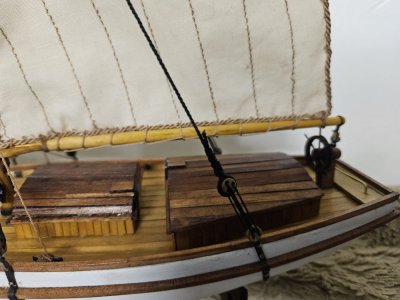
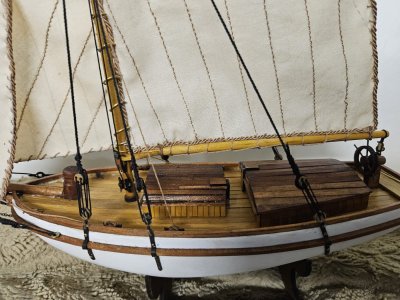
Just in case someone would like to use my plans for Autocad and Lightburner. I am going to attach it with the thread.
Maybe later someone can show me how to make a proper hyperlink on my zip file but for now just attaching it to the posting.
I started this model based on the drawings of the yacht Spray, building everything completely from scratch.
It took me quite some time to realize that LightBurn, which I was using for my laser cutter, isn’t really sufficient for creating high-quality drawings and transferring them accurately onto plywood or wooden planks.
The learning process has been a mix of fun and frustration. I spent a lot of time figuring out how to properly use the laser cutter, with plenty of trial and error along the way. Each failure meant stepping back for a few days before returning to fix what went wrong and try again.
At this point, I’ve accumulated quite a pile of used plywood from all the experiments—most of it sourced from Temu.
I decided to give AutoCAD a try for my drawings. It took me another week or so before I was able to produce something usable—drawings that could actually translate into clean, accurate cuts on plywood.
A couple more months passed, and the ship model finally made it onto the table.
There are areas where I put in more effort—like the standing rigging—and others where I kept things more minimal, such as the deck fixtures.
There are also parts of the original yacht Spray that I chose to skip for now, simply because they weren’t of much interest to me at this stage—like the aft sail and its supporting rigging.
I also realized that my use of the Domanoff PL4 Rope Machine wasn’t giving me the results I wanted. It didn’t allow me to achieve the tension and consistency I was aiming for. Because of that, I switched to a handmade rope-making setup, and I am much happier with the results.
Another area I may improve in the future is the thread I use for rope making. So far, I have been using Gütermann Extra Strong Thread (100% polyester). Over time, I became a bit disappointed with the result quality. In some cases, the finished ropes feel too stiff and look slightly plastic, which doesn’t always look natural on the model.
On the other hand, almost everything on this ship has been made completely from scratch—including the deadeyes, cleats, and metal fittings. The only exceptions are a few small decorative beads I bought at Michaels, used to thread the lines that hold the yards attached to the masts.
I am also somewhat unhappy with the color of the rope work around the sails. It doesn’t quite match the look I was aiming for and feels a bit off compared to the rest of the model. I may need to revisit this later and experiment with different materials or dyeing methods to achieve a more natural appearance.
Just in case someone would like to use my plans for Autocad and Lightburner. I am going to attach it with the thread.
Maybe later someone can show me how to make a proper hyperlink on my zip file but for now just attaching it to the posting.

