
• At some point from current UTC of 19:40:30 Thursday up to UTC 19:40:30 Friday, it is possible the forum might be disabled for a short period of time for updates and upgrades. Another notice will be posted for status. Note: Central Standard US time would be 14:40:30 Wednesday up to 14:40:30 Thursday
  • SUBSCRIBE TO SHIPS IN SCALE TODAY!

    The beloved Ships in Scale Magazine is back and charting a new course for 2026!
    Discover new skills, new techniques, and new inspirations in every issue.

    NOTE THAT OUR NEXT ISSUE WILL BE MARCH/APRIL 2026
  • Win a Free Custom Engraved Brass Coin!!!
    As a way to introduce our brass coins to the community, we will raffle off a free coin during the month of August. Follow link ABOVE for instructions for entering.

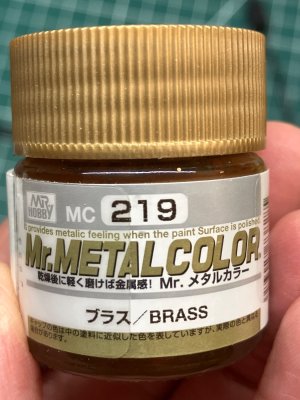
Using brass metallic paint

Joined
Nov 21, 2024
Messages
27
Points
48

Location
Seattle, WA and Winchester, VA
I just tried painting so britianna metal parts, i.e. whistle and bells, with brass metallic paint which I purchased from True North Paints. I wasn't impressed with the "brassy-ness" of the appearance of the results. I was also going to paint the britianna metal propellor which came with the kit, The Nantucket Lightship from Bluejacket shipcrafters, but I didn't do it because of the way the other items came out.

Any comments or suggestions on using brass paint? Maybe I should just trash the items that need to paint brass and just buy 3rd party brass bells, whistle and prop.
 
Old fashioned house painters used to say that a painting job was 90 percent surface preparation. These Britannia metal fittings are castings most of which are tiny. Cleaning them up would be difficult but probably necessary to get the finish that you’re looking for.

Roger
 
I just got these True Metals from AK. They are kind of like a paint/wax. There are quite a few videos on YouTube showing how they are used and what themfinish looks like:

 
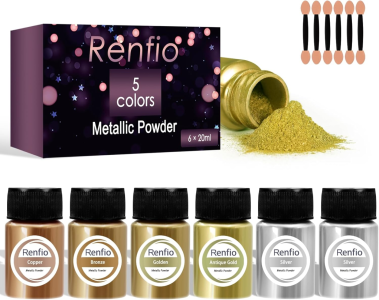
I've always had excellent results using artists' metallic powders. These are actual metal ground to an extremely fine size. Copper is used for copper finishes. Brass is usually used to represent a wide range of shades of gold, brass, and bronze. Aluminum powder is used for silver, platinum, and so on. Any sort of sizing can be used, but I prefer shellac or gloss varnish. The powder can be mixed in the liquid and painted on, or the liquid can be painted or sprayed on and, when tacky, the powder can be applied with a dry brush and burnished to a high gloss. The gloss is dependent upon the foundation sizing finish. If it's rough, the metal finish will be rough. If the sizing is put on smoothly, the metal finish will be glossy. I've found I get the best gloss for small things like polished brass bells by mixing the powder in gloss varnish or clear nail polish. This is all the expensive modeling paints are, except that a bottle of metallic powder will last you a lifetime and never dry up in the bottle! ;)

For example, see: https://www.crescentbronze.com/metallic-powders

See also: "Mica" metallic powders which are also marketed by the cosmetics industry: https://www.amazon.com/Renfio-Metal...s=metallic+paint+powder&qid=1746933504&sr=8-5

1746933889216.png
 
Old fashioned house painters used to say that a painting job was 90 percent surface preparation. These Britannia metal fittings are castings most of which are tiny. Cleaning them up would be difficult but probably necessary to get the finish that you’re looking for.

Roger
I agree on the question of preparation Roger. I did an apprenticeship as a painter and decorator. I worked on some jobs where everything had to be perfect. 12 coats on a door, flatted down between each one. A finish like glass.
 
Back
Top