

- Joined
- Jun 2, 2025
- Messages
- 328
- Points
- 238

Technical Builder’s Log – Big Day on the 1:50 SAN Felipe
Today was one of those rare modelling days where the progress surprised even me. I managed to get far more done on the 1:50 scale SAN Felipe hull than I had planned, and seeing the transformation has given me a huge second wind on this build.
Hull Painting – A Change of Direction
Originally, my intention was to give the lower hull a perfectly smooth, car-like finish. Yesterday I spent hours sanding, filling, resanding, and chasing perfection. But the more I looked at it, the more I realised something important:
The SAN Felipe is a 400-year-old Spanish galleon, not a modern show-boat.
These ships were rugged, lived-in, heavily used vessels. Their hulls were not flawless and mirror-smooth like a brand-new fibreglass yacht.
So after reconsidering, I changed course and decided to bring out the history and age of the ship rather than hide it.
Experimenting With Paint – A Happy Risk
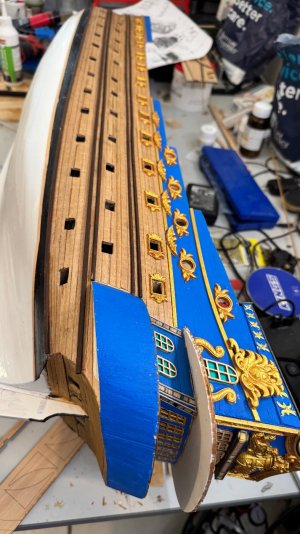
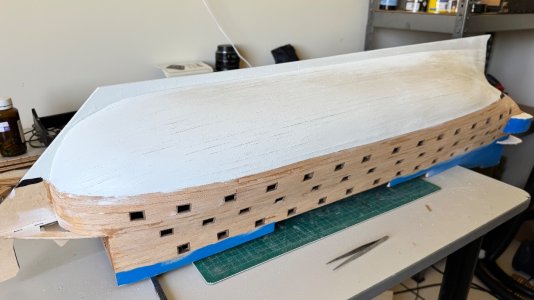
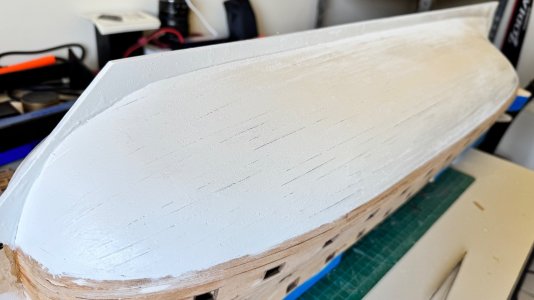
I wanted the individual planks under the white hull paint to subtly stand out—not exaggerated, just enough to hint at the wooden construction beneath.
To achieve this, I experimented with a paint I already had:
Rust-Oleum spray paint (very common here in Australia).
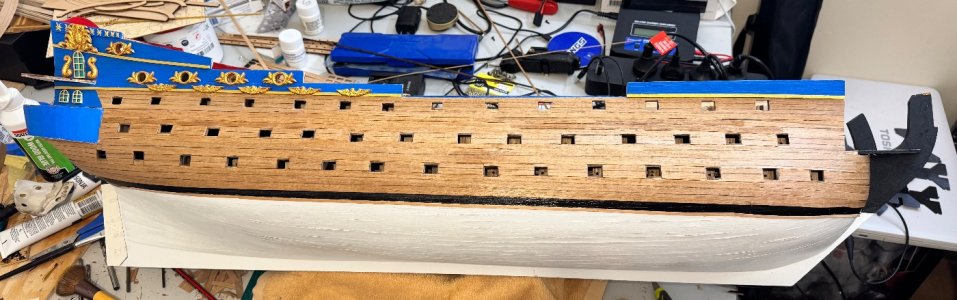
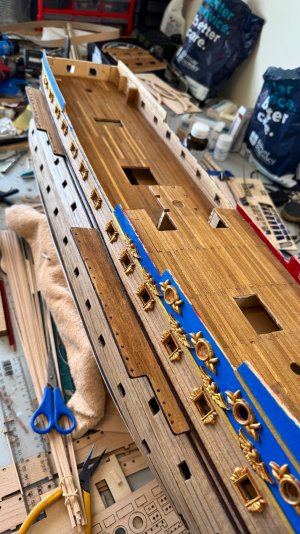
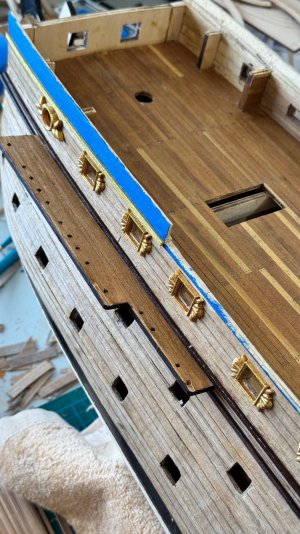
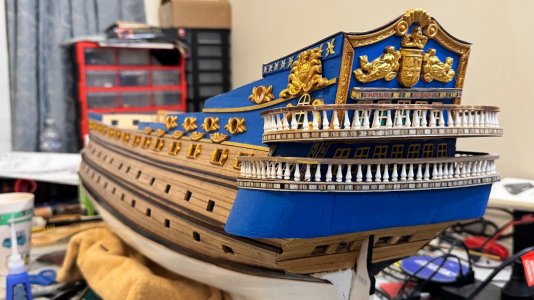
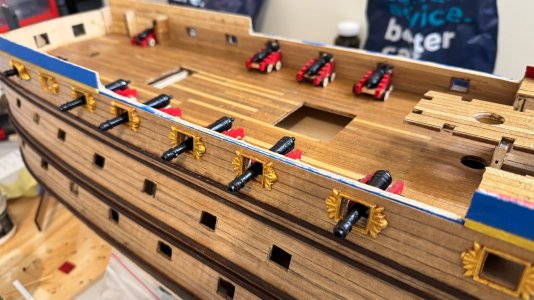
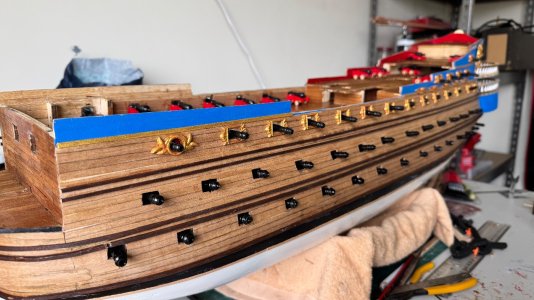
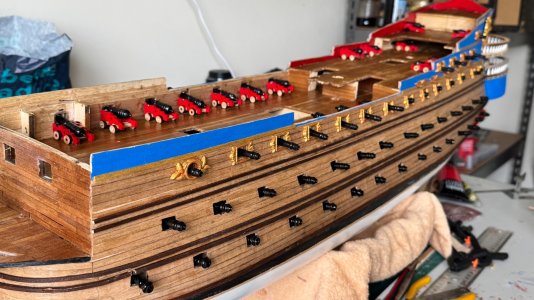
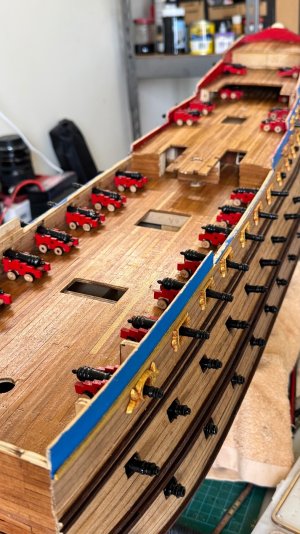
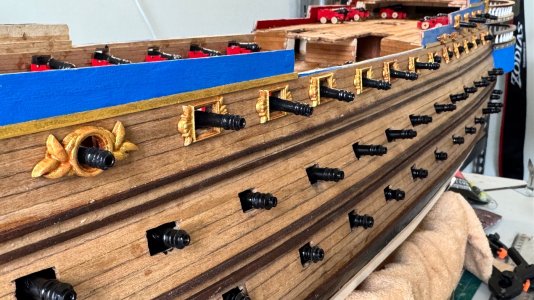
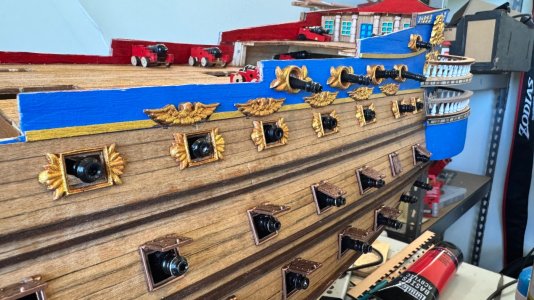
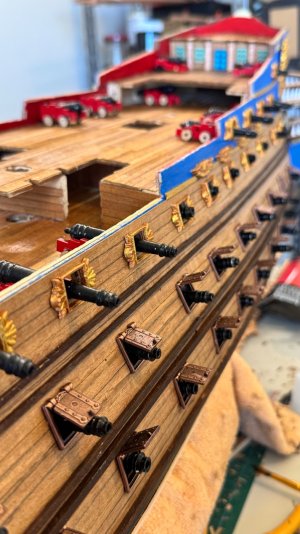
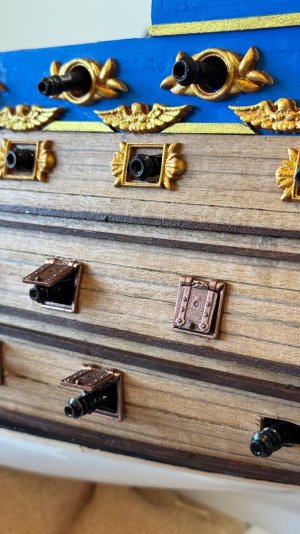
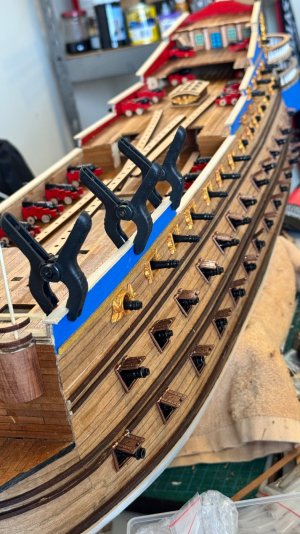
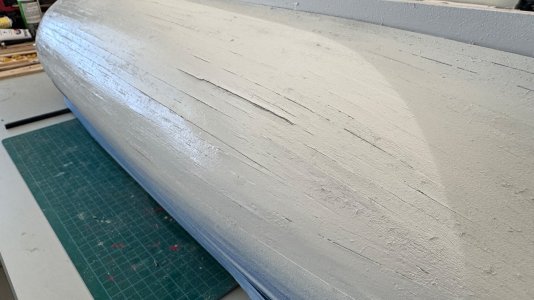
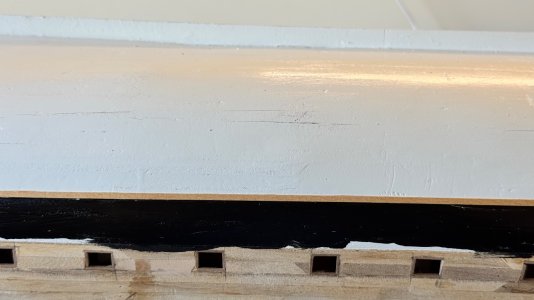
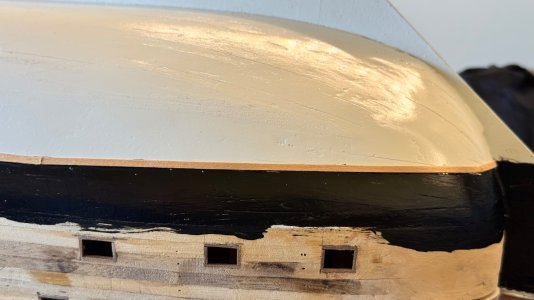
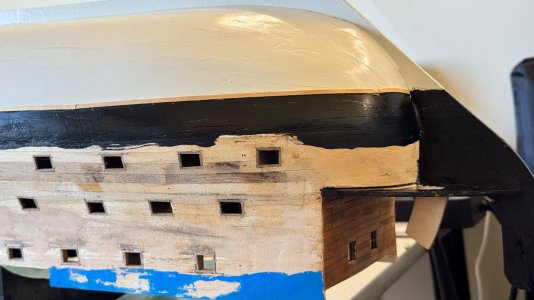
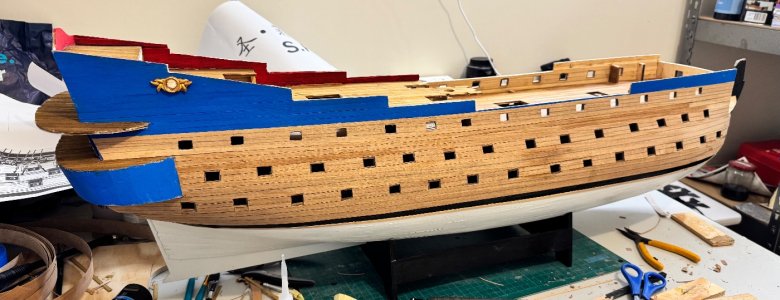
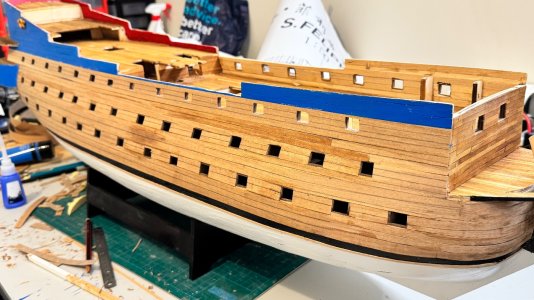
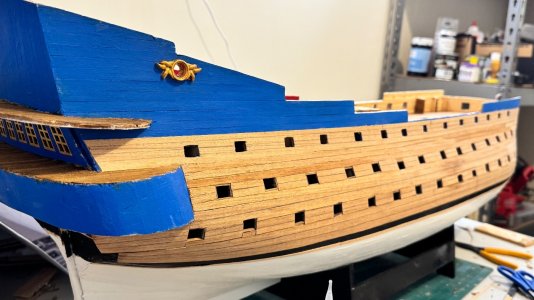
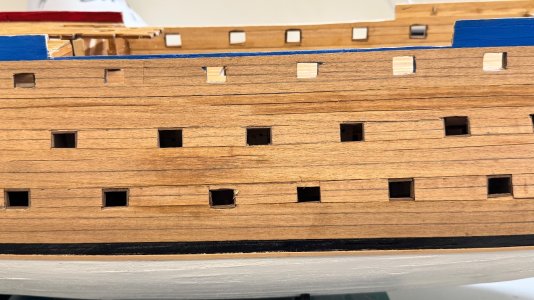
To my surprise, it reacted in a way that actually enhanced the plank lines, giving me exactly the subtle texture and historical realism I wanted. You can see in the photos how the grain, seams, and faint irregularities now show through beautifully.
This gave the hull a look that feels right for a ship of this age—weathered but not battered, textured but not rough.
Masking & Painting the Black Strake
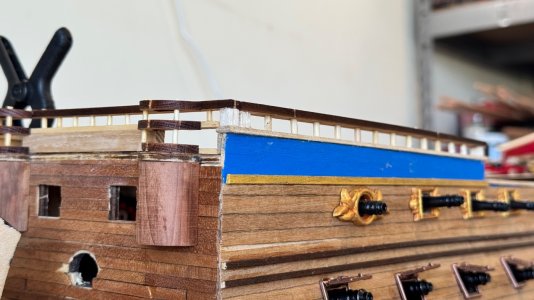
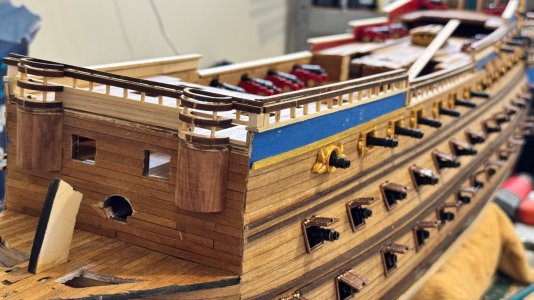
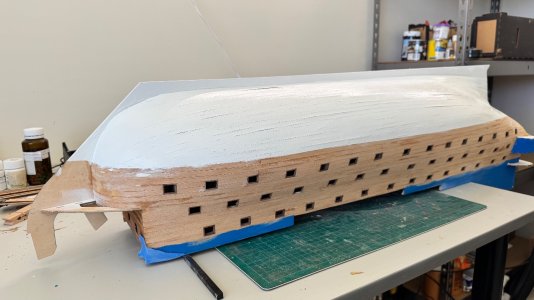
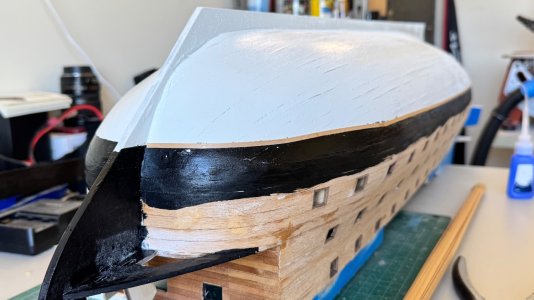
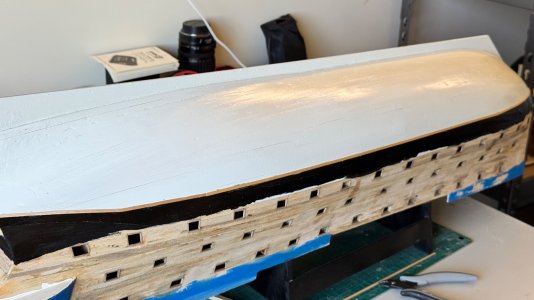
Once the white cured properly, I masked the hull and laid down the black band.
I didn’t like how harsh the contrast was between the black and white—it looked too modern and too sharp. So I added a brilliant finishing touch:
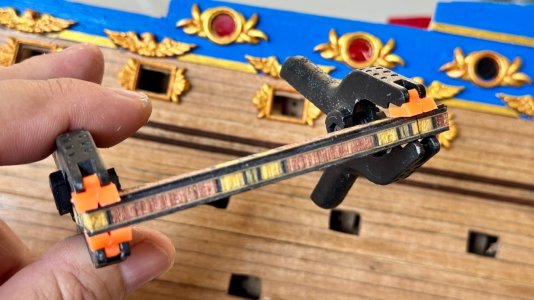
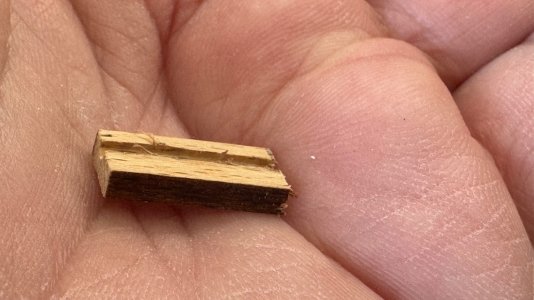
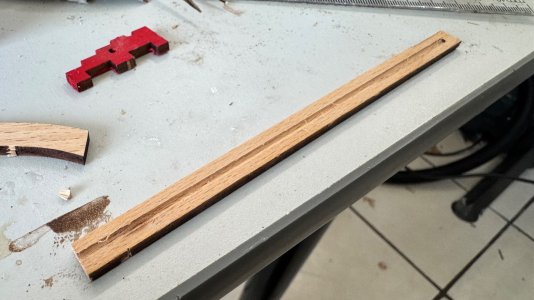
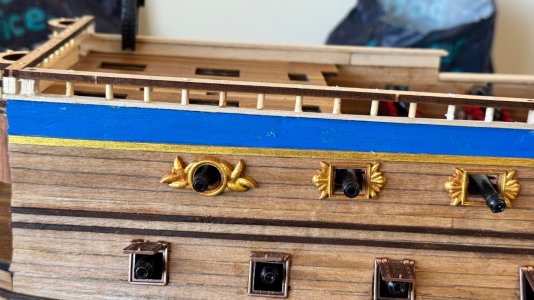
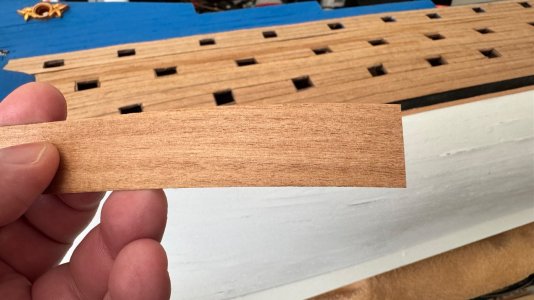
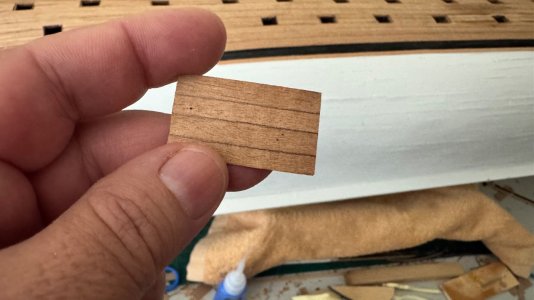
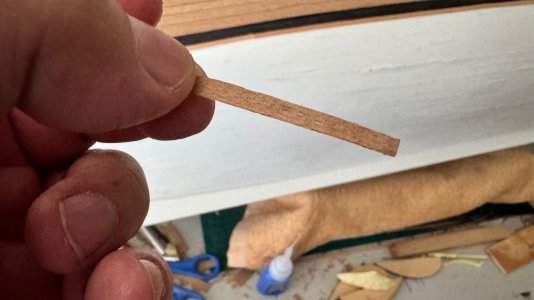
A 0.5 × 3 mm wooden strip
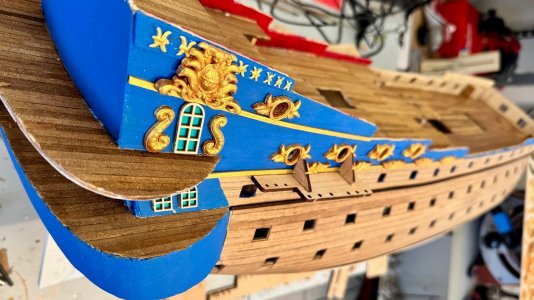
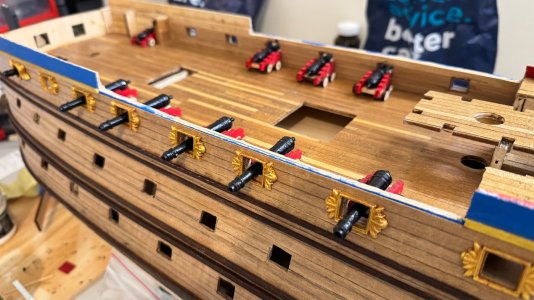
I glued this along the entire length of the black/white boundary. This instantly softened the transition and added that refined, old-world craftsmanship the SAN Felipe is known for.
It now looks like a deliberate architectural detail rather than a hard paint line.
Beginning the Ornaments – Weathering Tests
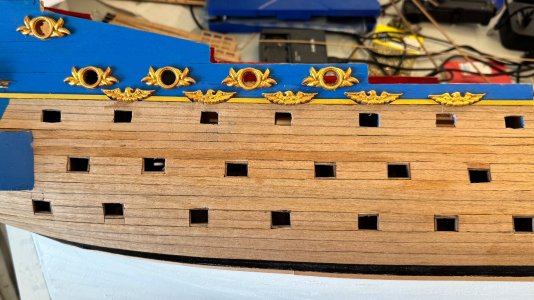
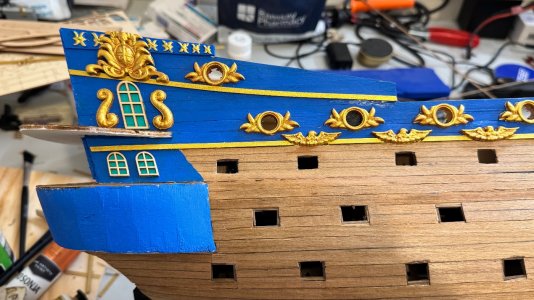
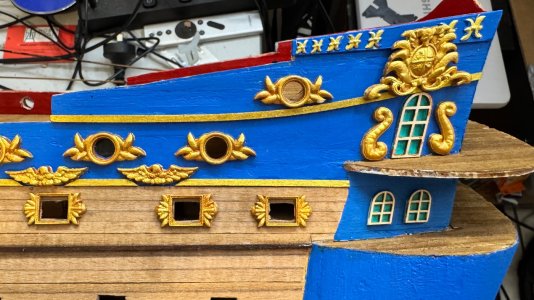
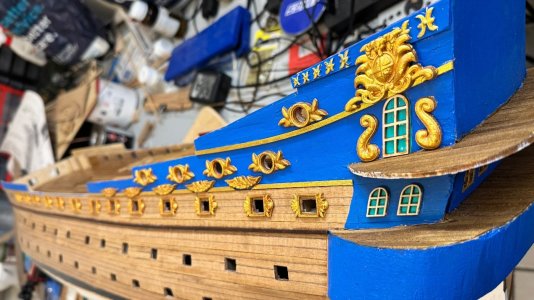
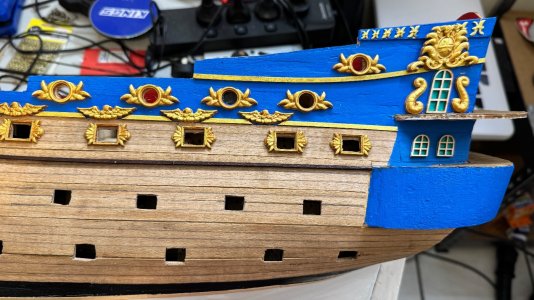
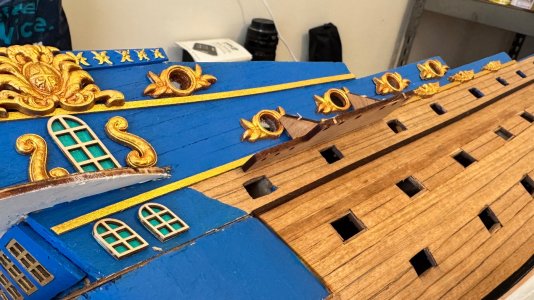
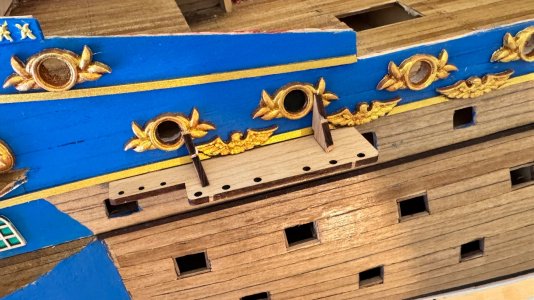
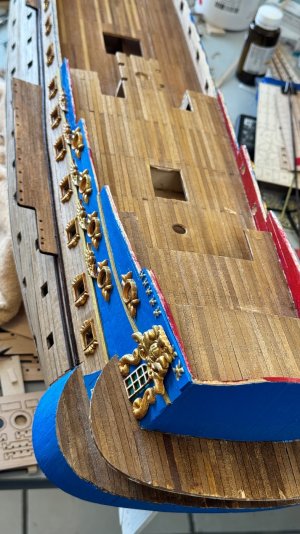
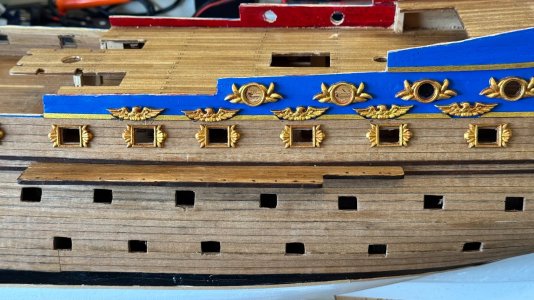
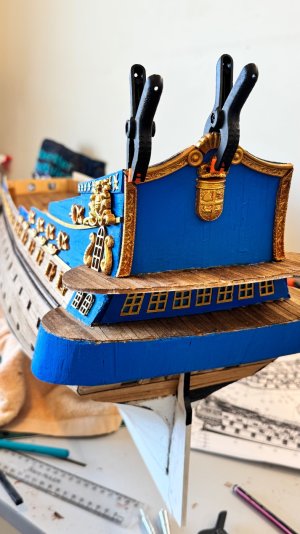
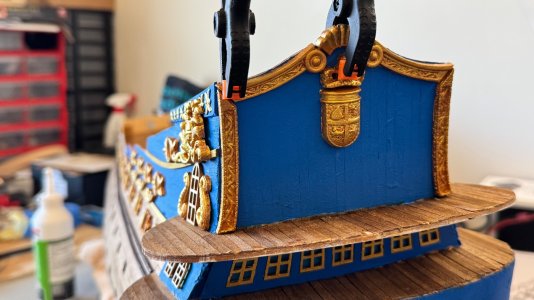
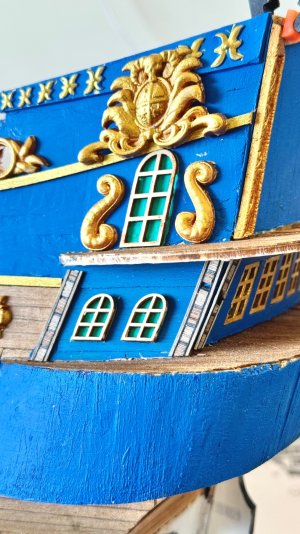
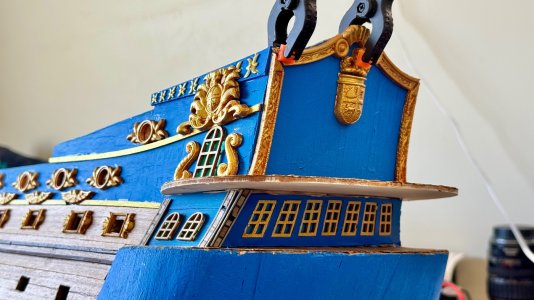
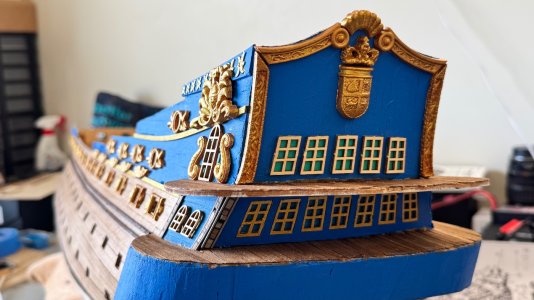
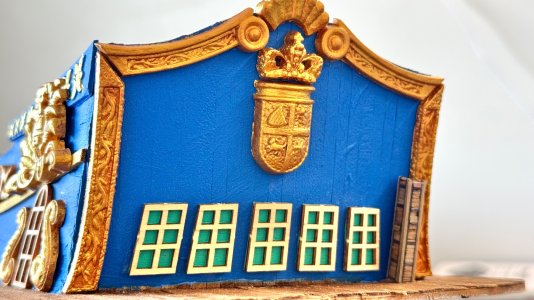
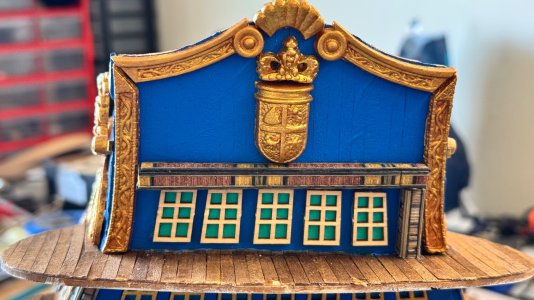
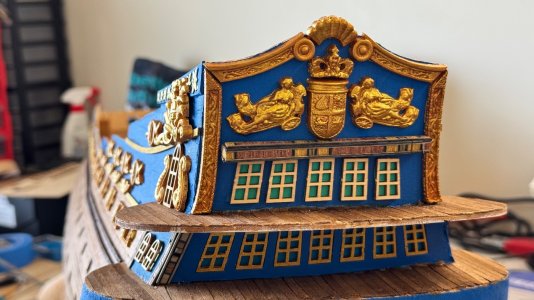
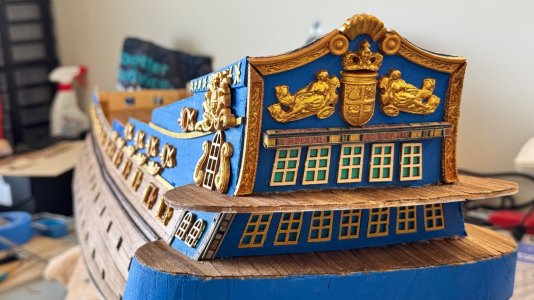
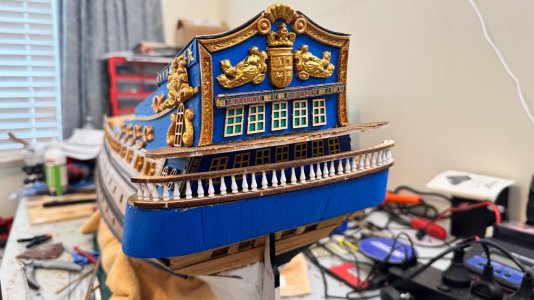
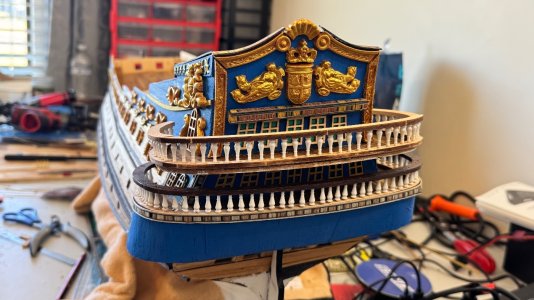
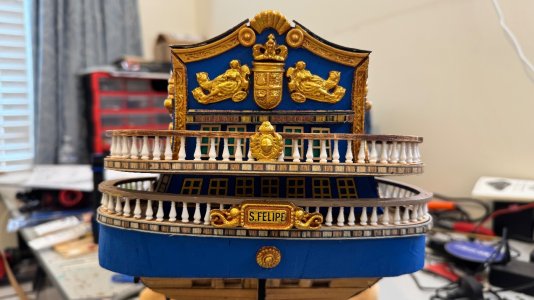
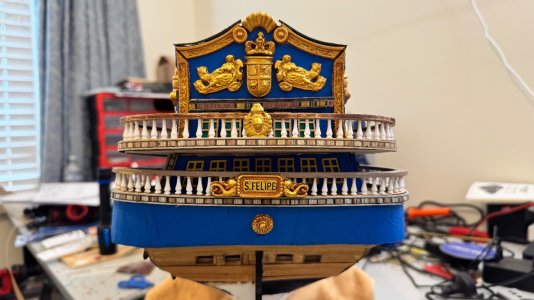
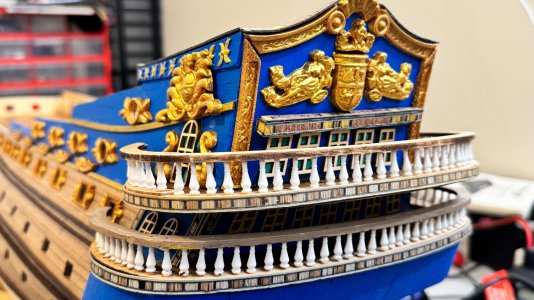
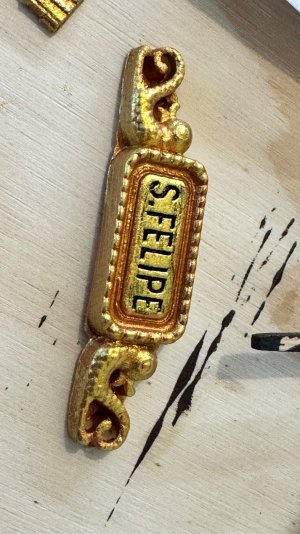
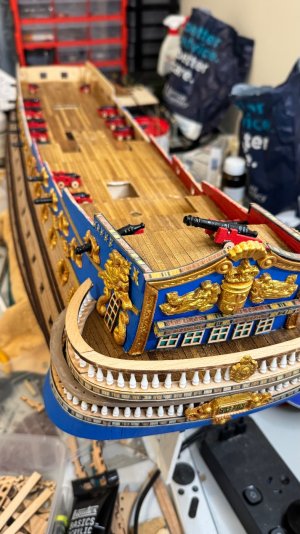
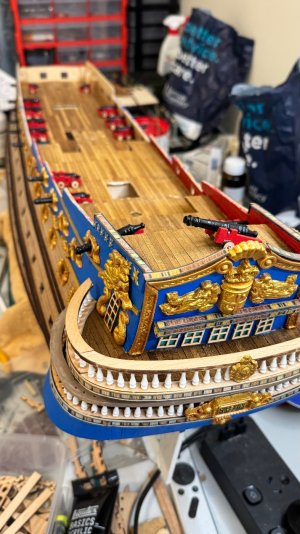
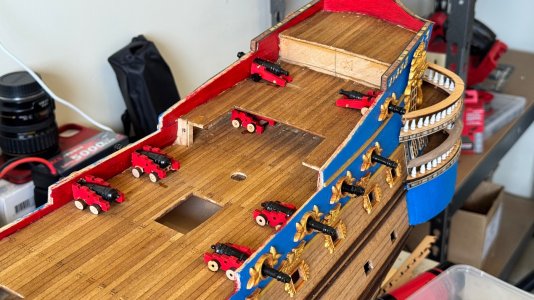
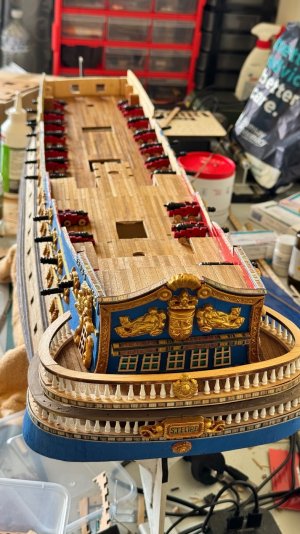
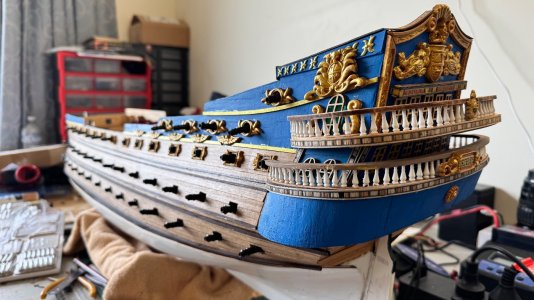
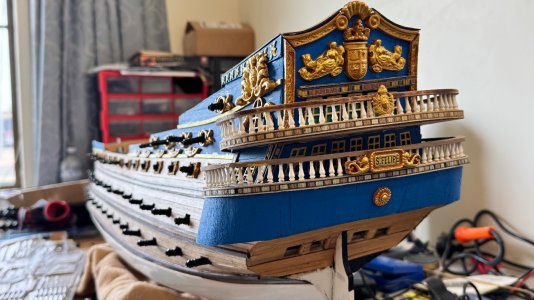
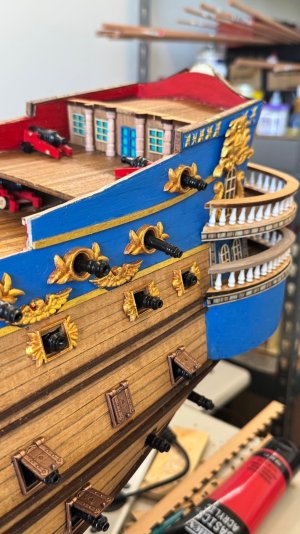
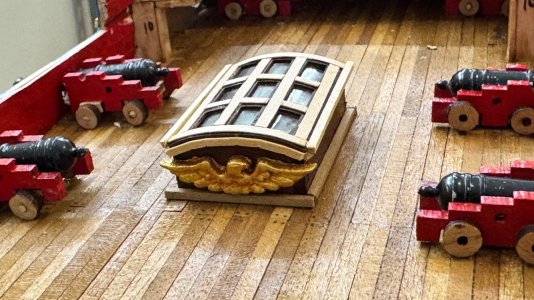
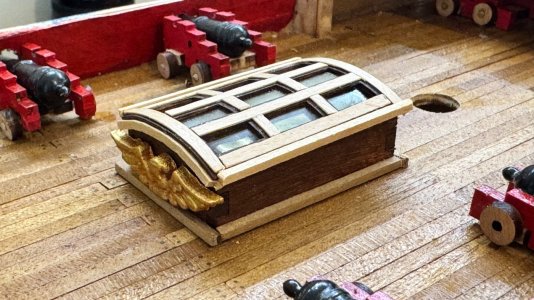
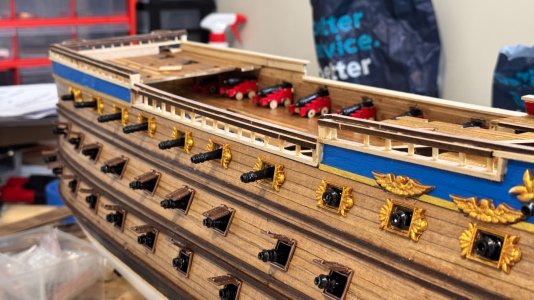
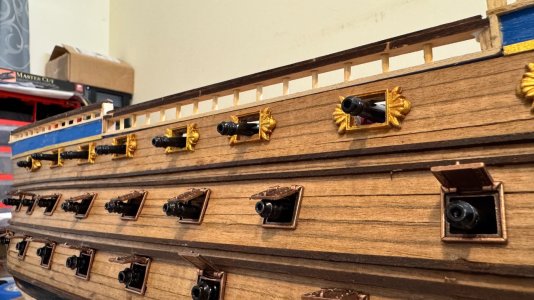
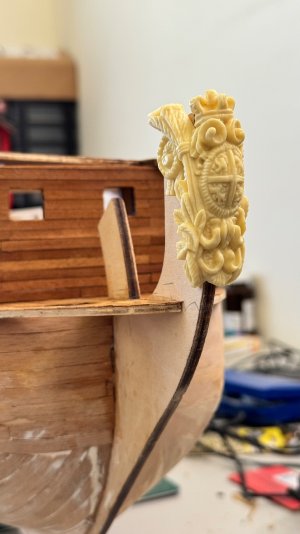
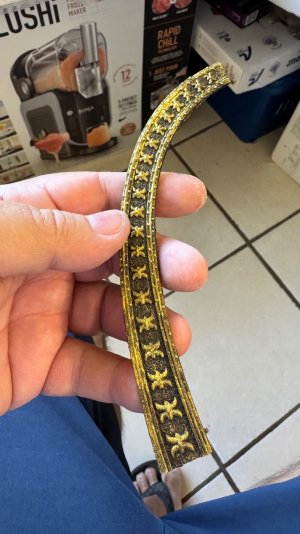
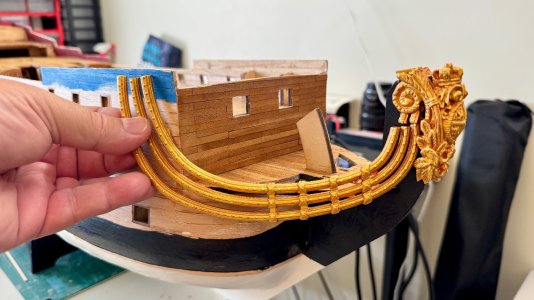
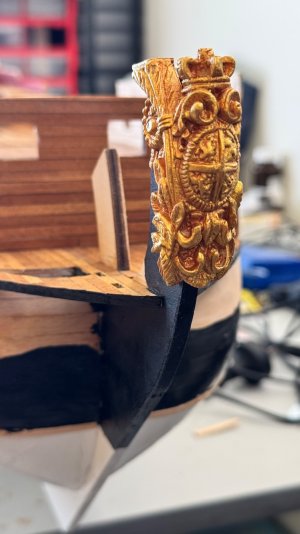
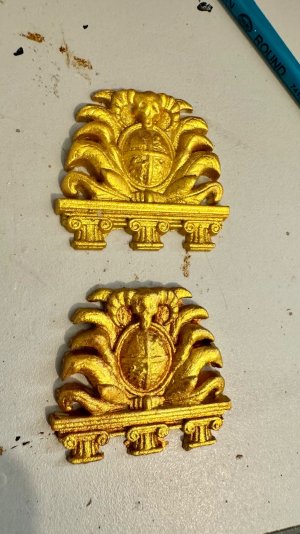
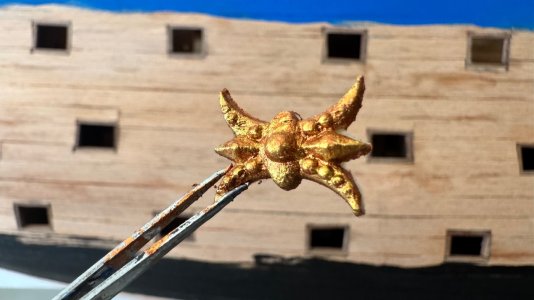
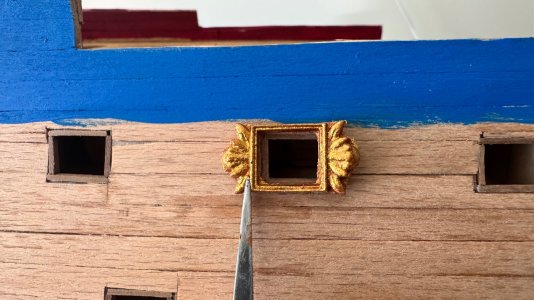
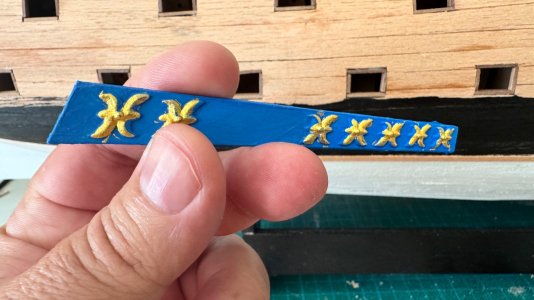
I also began weathering some of the decorative ornaments. The golden trim pieces on this ship are iconic, but straight gold can look too “toy-like.” I’ve started applying subtle ageing to the filigree so the details pop and look more authentic.
Early tests came out great—aged gold with depth and shadow instead of flat yellow paint.
Summing Up Today
• Lower hull fully painted
• Spray paint experiment successfully revealed plank structure
• Black strake completed
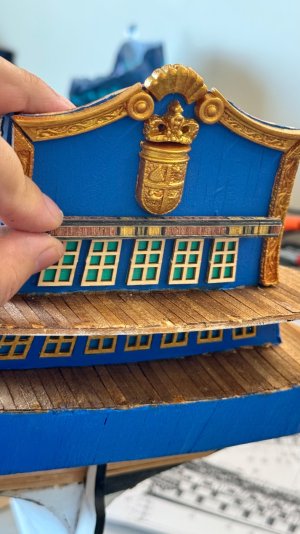
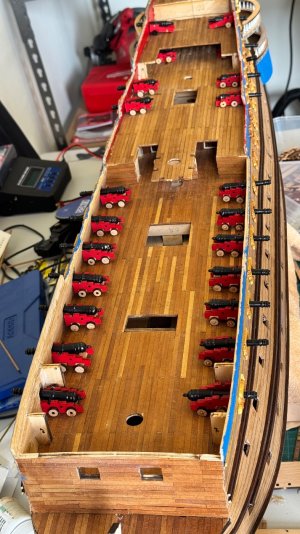
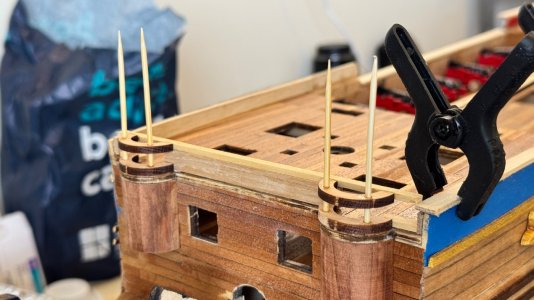
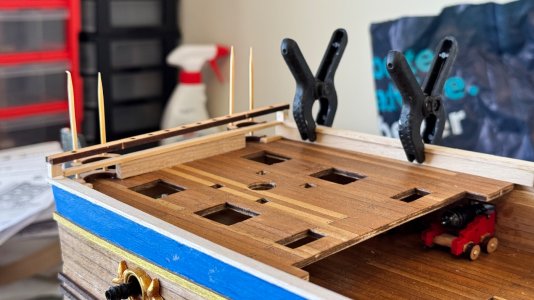
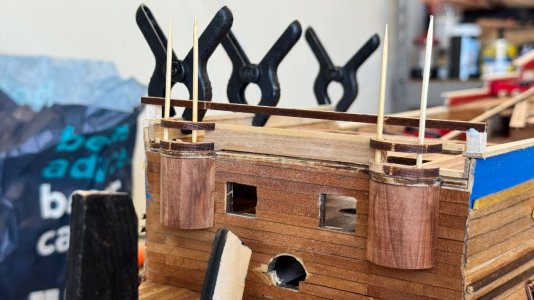
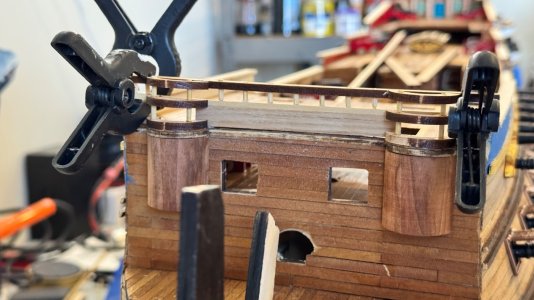
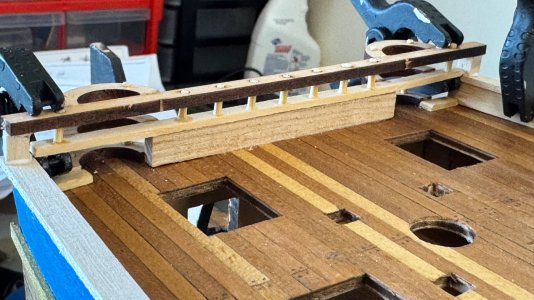
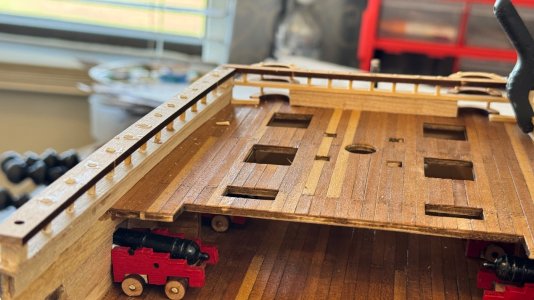
• Wood trim installed above gun deck to clean up the colour transition
• Started ageing and weathering decorative elements
• Massive visual leap forward for the build
This model is big, and days like today remind me how satisfying it is when the vision starts to come together. The SAN Felipe hull now has character, history, and presence—exactly what I wanted.
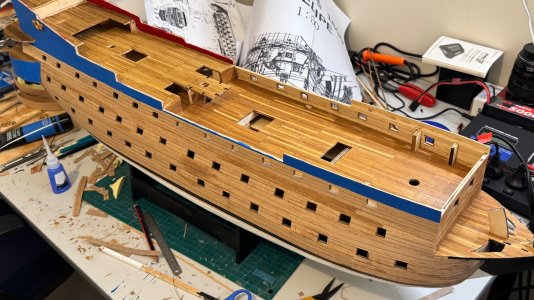
More to come as I move into the next stage of planking the upper half and preparing the ornamentation.


Today was one of those rare modelling days where the progress surprised even me. I managed to get far more done on the 1:50 scale SAN Felipe hull than I had planned, and seeing the transformation has given me a huge second wind on this build.
Hull Painting – A Change of Direction
Originally, my intention was to give the lower hull a perfectly smooth, car-like finish. Yesterday I spent hours sanding, filling, resanding, and chasing perfection. But the more I looked at it, the more I realised something important:
The SAN Felipe is a 400-year-old Spanish galleon, not a modern show-boat.
These ships were rugged, lived-in, heavily used vessels. Their hulls were not flawless and mirror-smooth like a brand-new fibreglass yacht.
So after reconsidering, I changed course and decided to bring out the history and age of the ship rather than hide it.
Experimenting With Paint – A Happy Risk
I wanted the individual planks under the white hull paint to subtly stand out—not exaggerated, just enough to hint at the wooden construction beneath.
To achieve this, I experimented with a paint I already had:
Rust-Oleum spray paint (very common here in Australia).
To my surprise, it reacted in a way that actually enhanced the plank lines, giving me exactly the subtle texture and historical realism I wanted. You can see in the photos how the grain, seams, and faint irregularities now show through beautifully.
This gave the hull a look that feels right for a ship of this age—weathered but not battered, textured but not rough.
Masking & Painting the Black Strake
Once the white cured properly, I masked the hull and laid down the black band.
I didn’t like how harsh the contrast was between the black and white—it looked too modern and too sharp. So I added a brilliant finishing touch:
A 0.5 × 3 mm wooden strip
I glued this along the entire length of the black/white boundary. This instantly softened the transition and added that refined, old-world craftsmanship the SAN Felipe is known for.
It now looks like a deliberate architectural detail rather than a hard paint line.
Beginning the Ornaments – Weathering Tests
I also began weathering some of the decorative ornaments. The golden trim pieces on this ship are iconic, but straight gold can look too “toy-like.” I’ve started applying subtle ageing to the filigree so the details pop and look more authentic.
Early tests came out great—aged gold with depth and shadow instead of flat yellow paint.
Summing Up Today
• Lower hull fully painted
• Spray paint experiment successfully revealed plank structure
• Black strake completed
• Wood trim installed above gun deck to clean up the colour transition
• Started ageing and weathering decorative elements
• Massive visual leap forward for the build
This model is big, and days like today remind me how satisfying it is when the vision starts to come together. The SAN Felipe hull now has character, history, and presence—exactly what I wanted.
More to come as I move into the next stage of planking the upper half and preparing the ornamentation.






 SAN FELIPE 1:50 SCALE – SECOND LAYER PLANKING BEGINS (STARBOARD SIDE)
 REALITY OF THIS STAGE
 FINAL THOUGHTS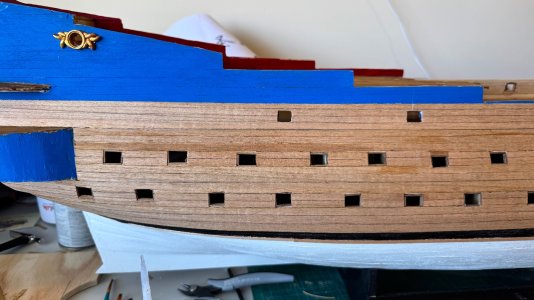

 Gold Ornaments – Detailing in Progress