

• Win a Free Custom Engraved Brass Coin!!!
    As a way to introduce our brass coins to the community, we will raffle off a free coin during the month of August. Follow link ABOVE for instructions for entering.
  • SUBSCRIBE TO SHIPS IN SCALE TODAY!

    The beloved Ships in Scale Magazine is back and charting a new course for 2026!
    Discover new skills, new techniques, and new inspirations in every issue.

    NOTE THAT OUR NEXT ISSUE WILL BE MARCH/APRIL 2026

"The Duyfken" (1595 Dutch Pinnace) as "The Kalmar Nyckel" (1625 Dutch Pinnace) -- Possible or Impossible?

Joined
Dec 26, 2025
Messages
108
Points
78

Location
Bryn Mawr PA US
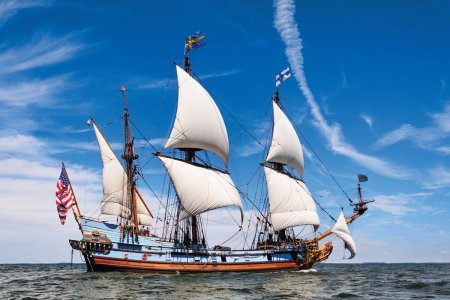
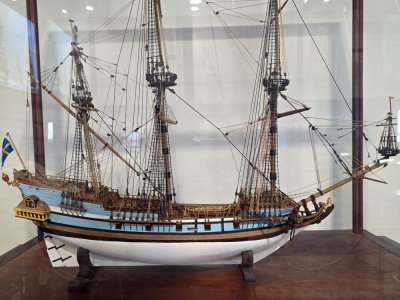
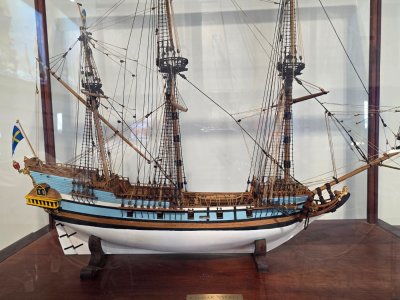
My model club is looking to build a scale model of the "Kalmar Nyckel" for our Philadelphia-area Navy project. She is berthed nearby in Wilmington, Delaware and I've previously posted pics of my first visit to see the "Kalmar Nyckel" a few weeks ago. There are no scale model kits for the Kalmar Nyckel, even though it has historical significance as the first Swedish (though Dutch-built) vessel to bring Swedish settlers to America in 1638, led by Peter Minuit. The Kalmar Nyckel is known for its Swedish blue paint on the gunwales and upper deck wales.

I came across another Dutch-built pinnace from about 30 years earlier named "The Duyfken," (I haven't been able to find the Dutch shipyard(s) that built these two ships). The Duyfken is historic in that it was the first Dutch vessel to explore what is now Australia in 1606, many decades before Capt. James Cook made contact with Australia. Both the Duyfken and the Kalmar Nyckel were foundered at sea and, interestingly, replica ships of both vessels were built in the late 1990's as museum/recreation ships. There are 2 model kits of the Duyfken, one by Kolderstok and one by Modelers Shipyard, both around U.S.$250-$300.

First I include a side-by-side comparison of some of the dimensions of each ship found on the internet. The length is measured without bowsprit. I am not sure if the Draft measurements are apples-to-apples comparison because there are several Draft measurements for each ship online.

Admittedly, the overall size and dimensions reveal that the Duyfken was substantially smaller than the Kalmar Nyckel by as much as 20-50% in some measurements. But the similar masting (square rigged foremast and main mast, plus fore-and-aft rigged jiggermast at the rear) and lines are intriguing to me as we would really like to build the Kalmar Nyckel for our model club, preferably not from scratch. One thing that stands out is the big difference in sail area for both ships and I'm not sure why a smaller ship like the Duyfken would seem to have substantially more sail area than the Kalmar (but not sure if the numbers are calculated based upon different sail configurations).

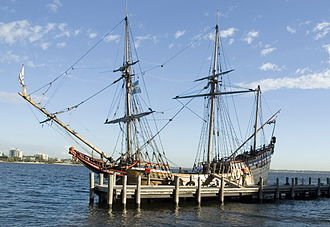
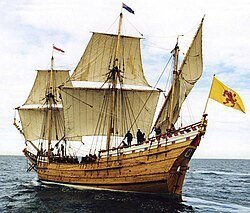
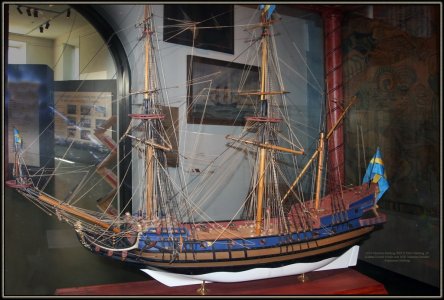
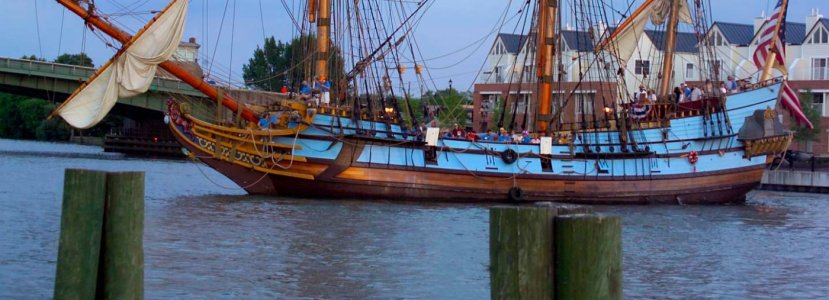
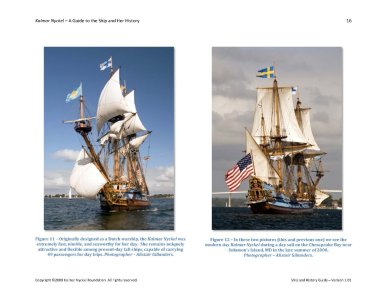
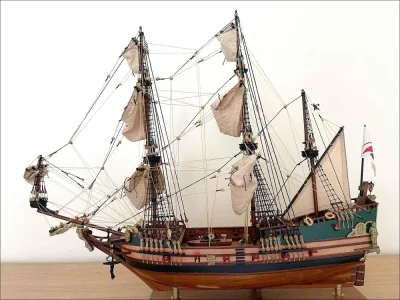
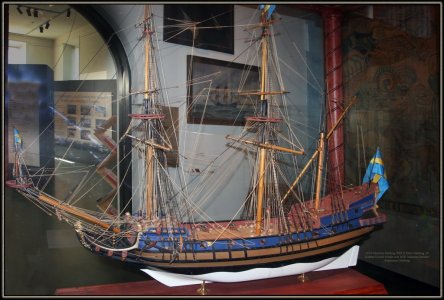
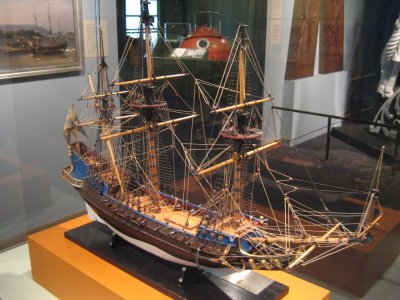
Also attaching some pictures to compare both ships. Duyfken images first then Kalmar Nyckel images (model kit, replica ship, moored and underway). It is interesting that the picture of the Duyfken moored at the pier reflects a similar low-profile to the real Kalmar Nyckel, whereas the model of the Kalmar Nyckel (Modelers Shipyard) reflects a similar higher profile as the real life Duyfken.

Can the Duyfken be built "AS" the Kalmar Nyckel, or are the differing dimensions too much to overcome? What adjustments to the Duyfken model kit would be needed to give a closer impression of the Kalmar Nyckel? I think I know the answer, but asking this esteemed group: Possible or Impossible?

Or should I just do what some others have done and smash together two similarly scaled model kits of the Mayflower and the Golden Hind to come up with a "Frankenstein" Kalmar Nyckel?
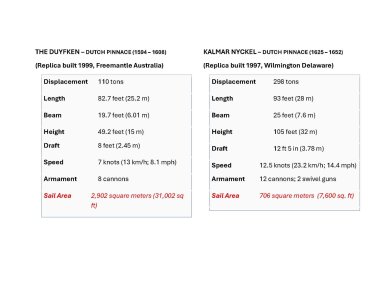
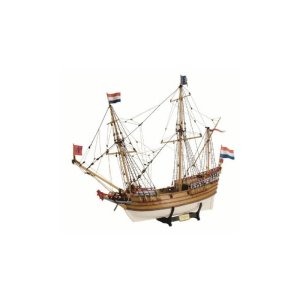
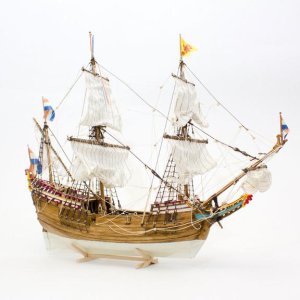
THE DUYFKEN vs THE KALMAR NYCKEL.jpg

Duyfen Model 2.jpg

Duyfken Model 1.jpg

Duyfken moored.jpg

Duyfken underway.jpg

Kalmar Nyckel Model 1.jpg

Kalmar Nyckel moored.jpg

Kalmar Nyckel underway.jpg

KN Model 1.jpg
 
Last edited:
Hi @Ignatius27 ,

The replica of the Duyfken is located at the Australian National Maritime Museum in Sydney, Australia.
I visited her about 2 years ago and was surprised at the small size of this vessel.

Here's some information from the website of the museum, which may help you. There's even a virtual visit option on the website.
Or you may reach out to the museum for more information.
 
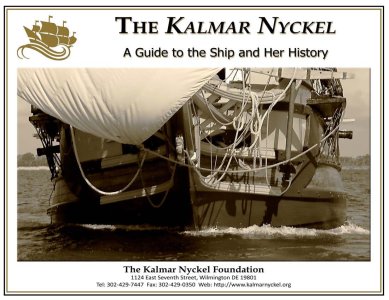
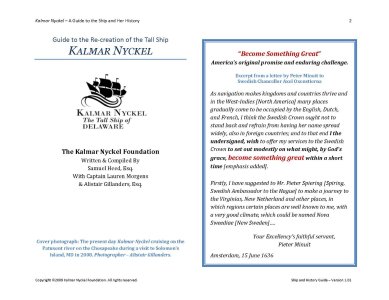
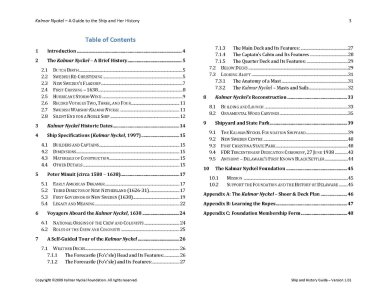
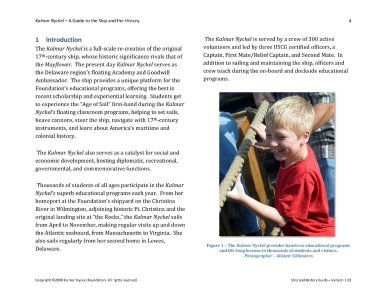
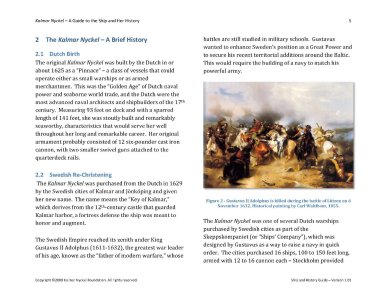
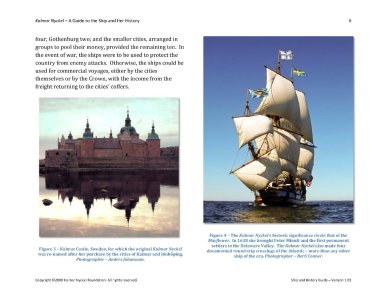
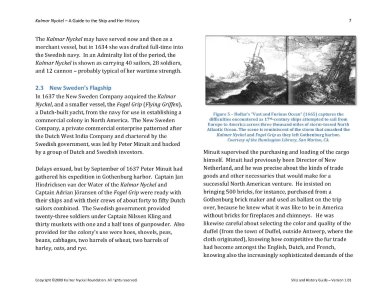
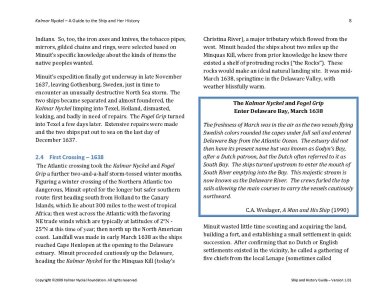
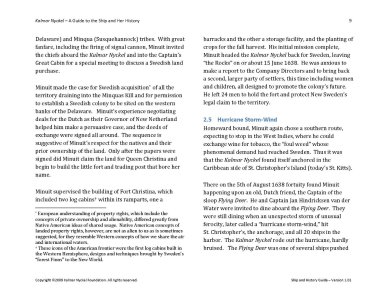
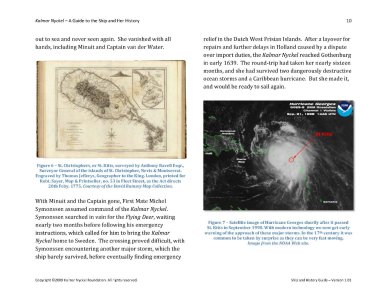
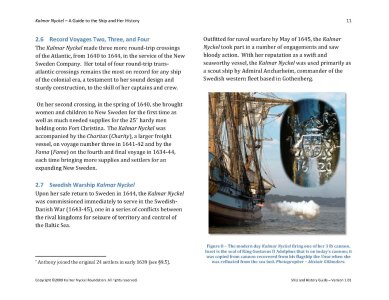
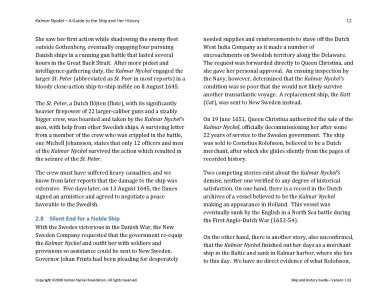
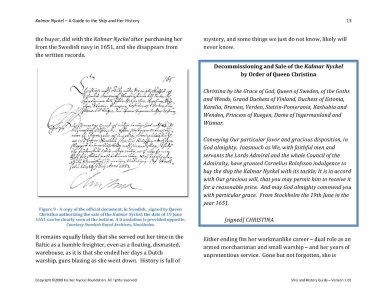
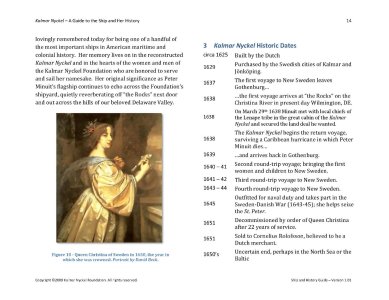
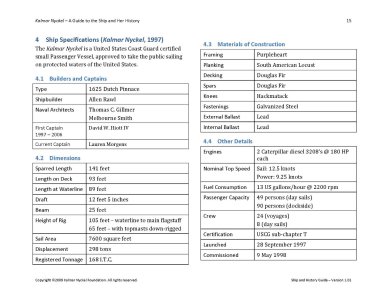
For those interested in going down the rabbit hole that is the great Kalmar Nyckel, here are a few pages from a lengthy "compact" guide to the original Kalmar Nyckel and its replica build in the 1990s. Copyright to the Kalmar Nyckel Foundation.

Kalmar Nyckel Foundation_guidebook_compact_Page_01.jpg

Kalmar Nyckel Foundation_guidebook_compact_Page_02.jpg

Kalmar Nyckel Foundation_guidebook_compact_Page_03.jpg

Kalmar Nyckel Foundation_guidebook_compact_Page_04.jpg

Kalmar Nyckel Foundation_guidebook_compact_Page_05.jpg

Kalmar Nyckel Foundation_guidebook_compact_Page_06.jpg

Kalmar Nyckel Foundation_guidebook_compact_Page_07.jpg

Kalmar Nyckel Foundation_guidebook_compact_Page_08.jpg

Kalmar Nyckel Foundation_guidebook_compact_Page_09.jpg

Kalmar Nyckel Foundation_guidebook_compact_Page_10.jpg

Kalmar Nyckel Foundation_guidebook_compact_Page_11.jpg

Kalmar Nyckel Foundation_guidebook_compact_Page_12.jpg

Kalmar Nyckel Foundation_guidebook_compact_Page_13.jpg

Kalmar Nyckel Foundation_guidebook_compact_Page_14.jpg

Kalmar Nyckel Foundation_guidebook_compact_Page_15.jpg

Kalmar Nyckel Foundation_guidebook_compact_Page_16.jpg
 
Hi @Ignatius27 ,

The replica of the Duyfken is located at the Australian National Maritime Museum in Sydney, Australia.
I visited her about 2 years ago and was surprised at the small size of this vessel.

Here's some information from the website of the museum, which may help you. There's even a virtual visit option on the website.
Or you may reach out to the museum for more information.
Thank you leysend!
 
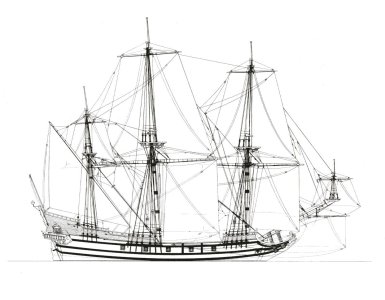
Hi, although built somewhat later and not called a Pinnace, I'd rather look at the Brandenbourg "Berlin" (Corel) for initial ressemblence with the "Kalmar Nyckel". Here an example on ebay:
This one is in the US, so no bad surprises for you.
 
Last edited:
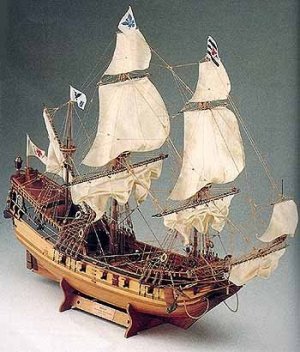
Hi, although built somewhat later and not called a Pinnace, I'd rather look at the Brandenbourg "Berlin" (Corel) for initial ressemblence with the "Kalmar Nyckel". Here an example on ebay:
This one is in the US, so no bad surprises for you.
Pepite 1/60 -- Wow, the Berlin looks close to the Kalmar Nyckel! The deck wales are almost identical and the quarter deck and rigging look very similar. Plus, both have a crow's nest atop the bowsprit. Thanks for the heads-up. I'm going to research the Berlin to see whether there were any connections.

From the Corel kit of the Berlin: "The Berlin ship was built in 1674 in Zealand as an order for Benjamin Raule, who was the organizer for the Brandenburg fleet for the Elector Friedrich Wilhelm von Brandenburg. The arsenal of this warship included 16 cannons and the number of crew members were usually between 70 and 100. She was commissioned to sail in the Mediterranean and the Baltic until 1681. Later, in 1688 she was captured by a Dutch fleet and was never seen again."

Top picture is the Berlin, bottom picture is the Kalmar Nyckel.

And here is an AI-generated piece about the Kalmar Nyckel being adapted from the Berlin, taken from discussions on the Model Ship World site:
  • "Model Building Plans: For modeling, this online forum discussion on Model Ship World suggests that builders often adapt existing kits (like the "Berlin" wooden kit) or scratch-build based on the provided specifications to mimic the hull shape, as direct blueprints for the replica are not generally sold as commercial kits.
  • Technical Documentation: The Delaware.gov document on the ship's construction notes that the reconstruction utilized 17th-century ship-building techniques, focusing on traditional tools and materials.
  • For individuals looking to build a model, Model Ship World suggests that modifying a wooden ship kit is often necessary because the hull shape is unique, making direct kits for the Kalmar Nyckel rare."
Does anyone know what they're referring to when they say that the "hull shape" of the Kalmar Nyckel is "unique"? I have not come across this reference to the KN hull being "unique" in my research on the vessel.

berlin1.webp

Kalmar Nyckel Model 1.jpg
 
Last edited:
Scratch or kit?
Jwallkc -- There are two nice, highly detailed, Corel wood model kits for The Duyfken and The Berlin. There are no model kits for The Kalmar Nyckel in wood or in plastic. So I'm looking for a kit that has the same "look and feel" of the Kalmar Nyckel to build for my model club group build (I think it's called "kit bashing"). I do not have the skillset (yet) to build the Kalmar Nyckel from scratch -- although the best approach would clearly be to build the Kalmar Nyckel from scratch using original ship design plans or the design plans used in the 1997 replica build of the Kalmar.

Here is a government document about the replica build of the Kalmar Nyckel:

chrome-extension://efaidnbmnnnibpcajpcglclefindmkaj/https://archivesfiles.delaware.gov/markers/pdfs/NCC-09-15.pdf
 
The reason I ask is that there is a set of plans for the Berlin drawn by Franco Gay back in the day... I believe they may be what the Corel kit was based on... In case you were wanting a go at scratch... Of course the alternative might be to reach out and see if the Kalmar's owners have a plan set you could use... It is amazing how often if you ask nicely and explain you are just building a model how often they still say no,... but you could still try...
 
Wow! This set of drawings are by Iver C. Franken, who designed the replica Kalmar Nyckel from earlier drawings by his mentor, Prof. Thomas C. Gillmer, formerly head of Marine engineering at the U.S. Naval Academy. They also collaborated on the Pride of Baltimore schooner. One day, I hope to at least build a scratch hull of the Kalmar Nyckel by pulling the lines from these drawings. Another model ship building skill to learn!
 
The reason I ask is that there is a set of plans for the Berlin drawn by Franco Gay back in the day... I believe they may be what the Corel kit was based on... In case you were wanting a go at scratch... Of course the alternative might be to reach out and see if the Kalmar's owners have a plan set you could use... It is amazing how often if you ask nicely and explain you are just building a model how often they still say no,... but you could still try...
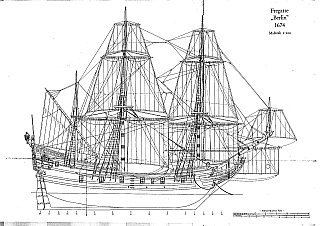
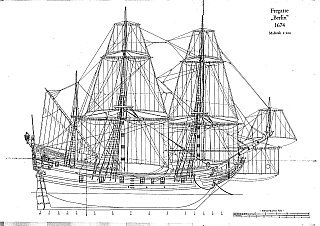
Jwallkc - Is this the drawing of the Berlin you were thinking of? She's a beauty.

tplan_frigate_Berlin_1674.jpg
 
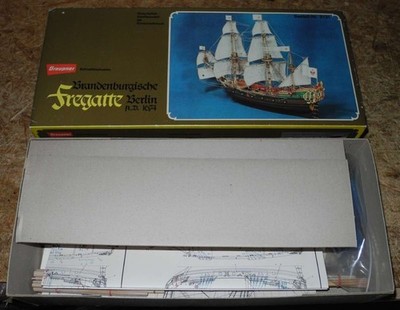
Another find, about as old as the real thing, but a lot easier (somewhat crude massive balsa hull!) to kit bash than the Corel:
And, rather optional for kit bashing:
(link works fine!)
 
Last edited:
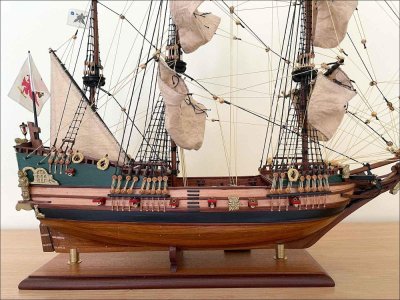
Here are the Kalmar Nyckel and the Berlin side-by-side.

Whether I build the Kalmar Nyckel as the Berlin or as a scratch model, I don't think I will build it with full sails, as the rigging alone will be very challenging for someone still a beginner model ship builder like me.

I definitely want to present the Kalmar model with the royal blue colors and flags of Sweden, as the Kalmar Nyckel was the flagship of Pieter Minuit, who led the first Swedish colonists to Delaware ("New Sweden") in the early 1600's. Pieter Minuit perished at sea on the return journey to Sweden.

2322637748_ed632fb4a1_k (1).jpg

www.agesofsail.com-SM29-31.jpg

20260214_151140.jpg

berlin3.jpg

KNSailScan.jpg

tplan_frigate_Berlin_1674 (1).jpg
 
Last edited:
Couple of problems:

1. Iver C. Franken’s drawings do not include a “lines drawing; the key drawing that defies the shape of the hull.

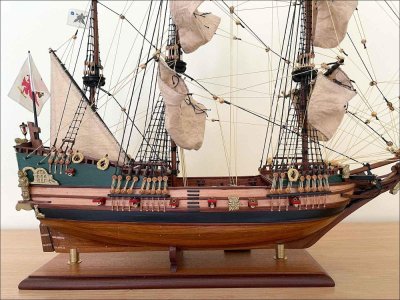
2. If the kit that you’re planning to buy builds the model shown in the fourth photo above, don’t waste your money. It crude, toylike, and doesn’t come close to looking like the Kalmar Nyckel.

Roger
 
Couple of problems:

1. Iver C. Franken’s drawings do not include a “lines drawing; the key drawing that defies the shape of the hull.

2. If the kit that you’re planning to buy builds the model shown in the fourth photo above, don’t waste your money. It crude, toylike, and doesn’t come close to looking like the Kalmar Nyckel.

Roger
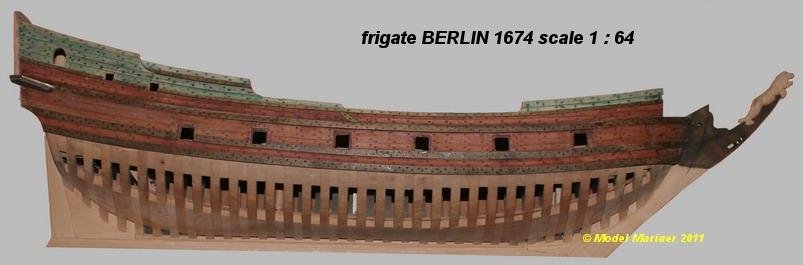
Roger - I see your point about the 4th picture. That model build does not have the dynamic upward sweep of poop deck that the Kalmar Nyckel and the true Berlin frigate. I am attaching a picture from a scratch build log of the Berlin on another model ship forum that I think captures the upward lines.

post-359-0-18039200-1361354993 (1).jpg

berlin3.jpg
 
The lines of a vessel are “unique” to each vessel - particularly in this early part of the 17th C. when ships were built to the eye of the Master Shipwright, as opposed to standardized plan-sets for a French 74 of the 18th C., for example.

The Berlin is the Berlin, and the Kalmar Nykel is the Kalmar Nykel. You can paint one as the other, but without modifying the hull shape, they will remain representations of what they are.

My suggestion, if you are looking for a low-stakes entry into scratch-building, is to familiarize yourself with the work, here, of Ab Hoving who is a master model maker, and one of the biggest proponents of card modeling. All you need to start is a plan-set and a bunch of old shoe boxes.
 
One thing that stands out is the big difference in sail area for both ships and I'm not sure why a smaller ship like the Duyfken would seem to have substantially more sail area than the Kalmar (but not sure if the numbers are calculated based upon different sail configurations).
View attachment 585358
Something I see every day on TV newscasts and more are people broadcasting "facts" that are obviously wrong, created by a person who probably knew the correct values but wrote them wrong, and the broadcaster reading them with no knowledge of what he/she is reading. I'm referring to mixing up mph and kph and every other metric/english conversion, light years, speed of light, figures off by a factor of 10, or 1000, etc. As an engineer, and probably you as well, hearing those quoted figures you just know they're wrong.

What I'm saying here is that it isn't so hard to imagine that the smaller ship's 2,902 square meters could actually have been 2,902 square feet. That someone just wrote it down in feet, and another assumed it was meters, something like that. Which sounds about right given the ship sizes.
 
The lines of a vessel are “unique” to each vessel - particularly in this early part of the 17th C. when ships were built to the eye of the Master Shipwright, as opposed to standardized plan-sets for a French 74 of the 18th C., for example.

The Berlin is the Berlin, and the Kalmar Nykel is the Kalmar Nykel. You can paint one as the other, but without modifying the hull shape, they will remain representations of what they are.

My suggestion, if you are looking for a low-stakes entry into scratch-building, is to familiarize yourself with the work, here, of Ab Hoving who is a master model maker, and one of the biggest proponents of card modeling. All you need to start is a plan-set and a bunch of old shoe boxes.
Hubac's Historian -- I agree that the biggest obstacle to "kit-bashing" the Berlin as the Kalmar Nyckel is that they are different ships, built at different times, in different countries, by different master ship designers. Every ship is idiosyncratic and each ship has its unique characteristics. I should probably give up this holy grail quest to kit bash the KN from another vessel that may not be a perfect match. I should probably wait until I acquire the skills necessary to build the KN from scratch.

Many thanks also for the referral to the work of Ab Hoving, who is well known to established modelers but unknown to a beginner like me. What an amazing resource about a period (17th century) that includes the Kalmar Nyckel! I just watched Olha Batchvarov's videos reviewing Ab Hovings book on "17th Century Dutch Merchant Ships" and "Dutch 17th Century Ship Models in Paper." She's excellent. I also watched a SeaWatch YouTube interview with Ab & Emil Hoving about 17th century Dutch vessels. Again, much useful information and I can see how many builders on this site have great respect for Hoving's work.

The first book includes a chapter on the Dutch "pinas" (spelled "pinnace" at the Kalmar Nyckel museum) of which the KN is an early example (1625). This led me to a thread on this site Ships of Scale by Waldemar on "Pinas 1671 by Nicolaes Witsen - the backbone of the fleets" from 2023 which has a beautiful scratch build of a Dutch pinas and a fascinating discussion about the design approach used by Witsen for pinas vessels in the 17th century. What a rabbit hole of great information!

I am going to purchase both books by Ab Hoving on Dutch merchant ships and paper builds. These will be very helpful as I start to learn the skill of scratch building hulls using the lift method, plank on hull method, and other methods. While I am trying to build the Kalmar Nyckel for my "Philadelphia Navy" model club project, my main interest in model ship building is in the "windjammer" era (late 19th - early 20th centuries), when ships began to have steel hulls but were still propelled by sail power. Ships in this "Windjammer Navy" project may include: the Moshulu, the Star of India, the Belem, the Gorch Fock, the Nippon Maru, and the Heragin Cecile.

I may even go back to try crafting some of the paper model builds offered in Ab Hoving's "Dutch 17th Century Ship Models on Paper." I'm somewhat intimidated however, since I tried my hand at building European / Russian paper ship models over a year ago (during my "tug boat" phase) and I found that they were very difficult to build because of the precision needed in every fold of paper. One mistake and it throws the whole model off. Some paper builds that I started and abandoned were the tugboat "Cyklon," the armed cargo ship "Graf Goetzen," and the tugboat "Centaur." Maybe Mr. Hoving's book will help me get back into building paper model ships.

Thanks again. Sharing resources and building know-how by SoS members is what makes this site great!
 
Last edited:
Back
Top