• Win a Free Custom Engraved Brass Coin!!!
    As a way to introduce our brass coins to the community, we will raffle off a free coin during the month of August. Follow link ABOVE for instructions for entering.
  • SUBSCRIBE TO SHIPS IN SCALE TODAY!

    The beloved Ships in Scale Magazine is back and charting a new course for 2026!
    Discover new skills, new techniques, and new inspirations in every issue.

    NOTE THAT OUR NEXT ISSUE WILL BE MARCH/APRIL 2026

Liberty Ship

Joined
Mar 24, 2026
Messages
14
Points
48

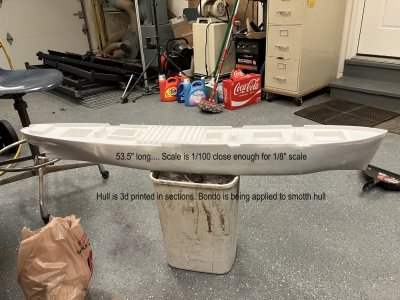
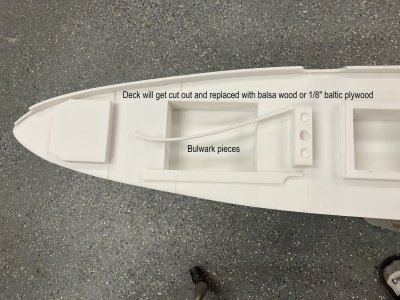
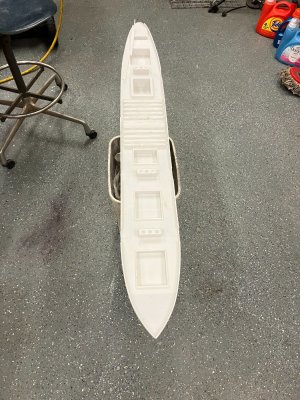
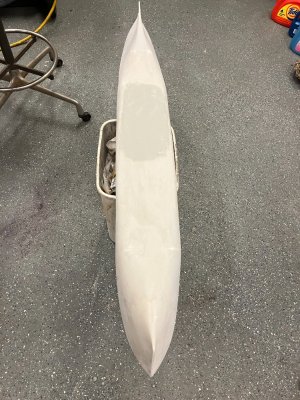
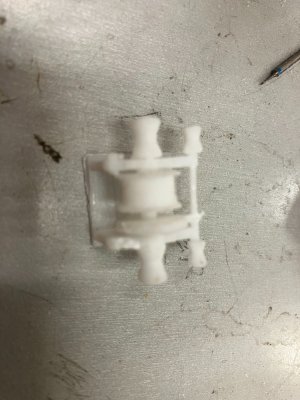
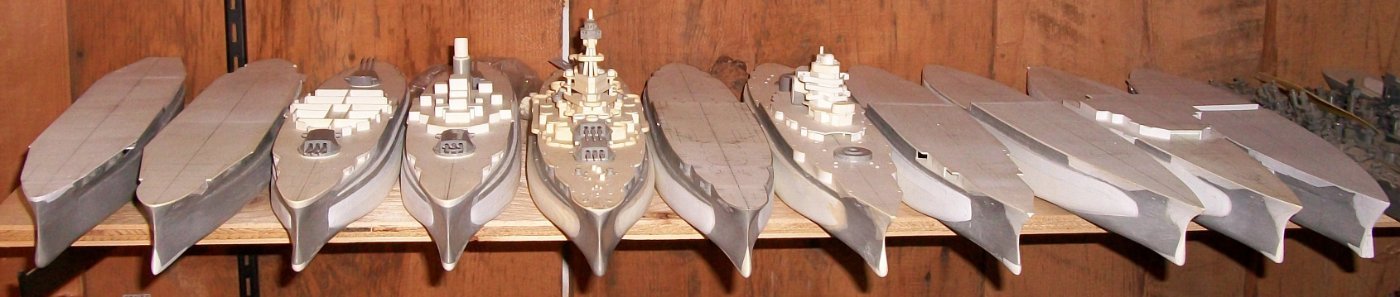
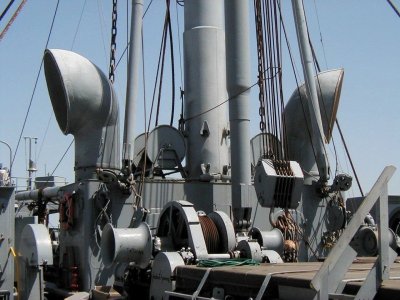
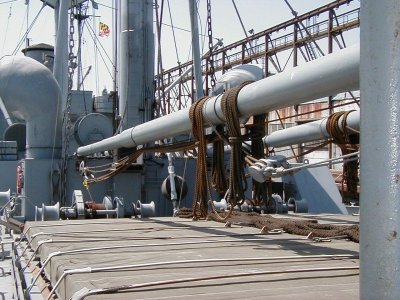
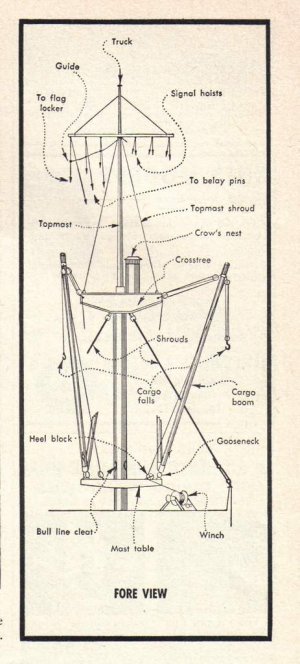
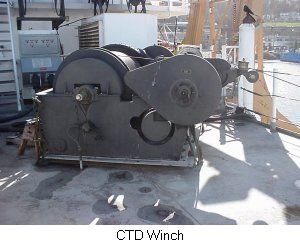
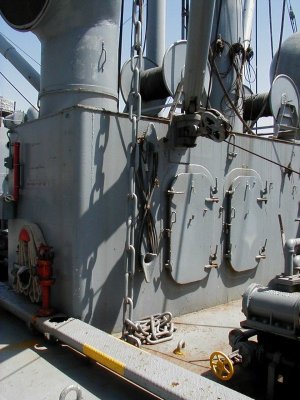
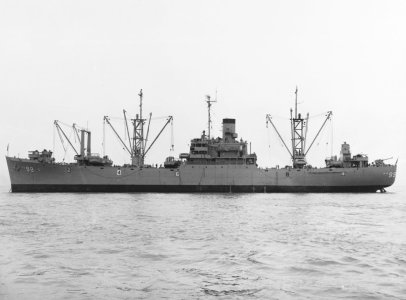
I found a 3d model of a Liberty ship but the detailing was crude. The hull however was acceptable. Due to it's size (53.5" long) the sections of the model were printed as sections and glued together. The hull will get fiberglassed inside and out which will allow me to cut out the crummy deck and replace it with a wood one. I probably should have started this thread as I was assembling the hull but it is what it is. The model ended up so close to 1/100 scale that I can use 1/8" = 1'-0". I am desperately looking for plans or directions that show the blocks and rigging. At this point I can't see how the booms were attached to the columns allowing them to swing with the winches. I am modeling most of the parts and 3d printing a lot of them. The scale is pretty close to the American Scout from Sterling so if anyone needs a piece please let me know and I'll send it to you. I was a member here years ago but have been busy and have a chance to get back into model building. The winch was an experiment to see how it printed out. End to end is aprox 1". I've cleaned up the model of the winch and am currently printing a test one.

1012.jpg

1011.jpg

IMG_1003.jpg

IMG_1005.jpg

IMG_1010.jpg
 
In the Sterling model of the American Scout, the ends of the booms are imbedded into the columns or superstructure. I tried to think of another more realistic way of doing it, but I’m coming up empty. They won’t be movable, but that won’t be necessary in my model.
 
In the Sterling model of the American Scout, the ends of the booms are imbedded into the columns or superstructure. I tried to think of another more realistic way of doing it, but I’m coming up empty. They won’t be movable, but that won’t be necessary in my model.
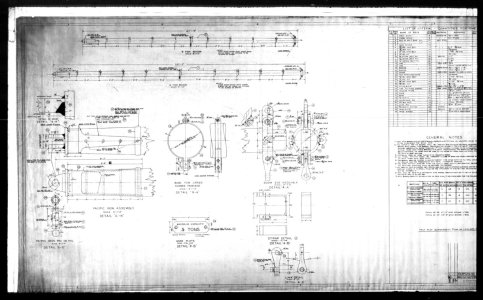
If I could see a detail on the swing apparatus of the real ships I could model it. Not only does the boom need to swing but must also raise and lower. I doubt it's a universal joint but has to be similar.
 
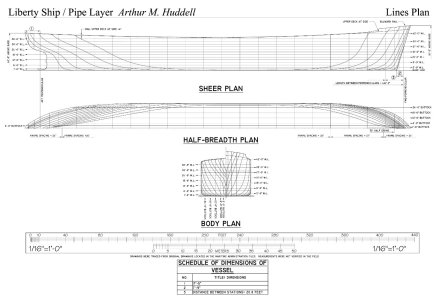
Skipper, pm your email address so i can send you what i have for the Liberty ship Arthur M. Huddell which includes the rigging. why use wood for the deck when the real ship has steel decks? only the hold covers would be of wood besides the lifeboats.
 
I have the Huddell set, thank you but it does not show enough detail on the blocks or hw to thread the rigging. It doesn't show the port hole locations either unless I'm missing a few pages of prints. Send yours and I'll see if it's different.
 
Skipper, pm your email address so i can send you what i have for the Liberty ship Arthur M. Huddell which includes the rigging. why use wood for the deck when the real ship has steel decks? only the hold covers would be of wood besides the lifeboats.
The wood deck will allow me to bend it to the hull easier. By the time I'm done sealing the wood it will look like steel. The wood hold covers would not be visible under the canvas covers which I plan to have.
 
I am desperately looking for plans or directions that show the blocks and rigging. At this point I can't see how the booms were attached to the columns allowing them to swing with the winches.
Very strange. Redface Don't you know that the NARA (https://catalog.archives.gov) website has thousands of actual construction plans for Liberty-class ships?
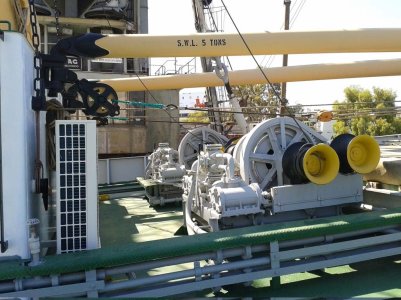
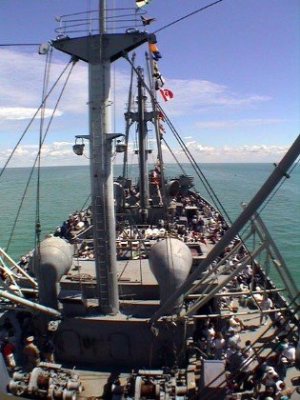
Plus, you can always watch it on the real ships SS John W. Brown in Baltimore and SS Jeremiah O'Brien in San Francisco.
What's unique is that so much information has been preserved about these ships. I'll be watching your work. Thumbsup I also have plans to build a Liberty-class model in the future (although it might be Victoria class :)).

563015-2364-001-0423кранбалка.jpg

l035.jpg
 
Last edited:
Liberty ships and C-2 cargo ships had the same (English) design origin but different hull and fittings. C-2 cargo has more elegant and slender hull. Winches fittings are different, steam on Liberty (with a lot of steam tubes) on the deck, electric on C-2. different kind of booms and so long. I have all about both them. make a list of particular you need. Sterling kit is a good base but too much simplified for the beginners crowd.

brown-deck-people.jpg

P4290063a.jpg

P4290071a.jpg

fore_view.jpg

winchq.jpg

P4290060a.jpg
 
Last edited:
The Liberty Ship was NOT an adaptation of the C-2 cargo ship. It ‘s evolution is more interesting.

Between World War I and World War II British shipbuilder Joseph L. Thompson developed a design for a tramp steamship. Design work progressed during the worldwide depression in the shipping industry in the hopes that it could be used when the economy improved. Known as Economy Ships, design was conservative; riveted construction, coal fired, triple expansion engines, although using superheated steam. A few vessels were built to this design prior to WWII.

Meanwhile, Americans followed a different path. The US Government’s Maritime Commission (MARAD) designed a family of state-of-the art cargo ships, resulting in the “C class”. The C-2 was one of these MARAD designed classes.

Also between the Wars, Great Britain “rationalized” it’s shipbuilding industry by closing many yards. As a result, by late 1940 Great Britain did not have unused shipyard capacity to build cargo ship tonnage to replace severe losses from German U boats.


Britain, therefore, turned to the USA to build cargo ships for its depleted Merchant Marine. A commission sent to the US found the “high end” C type cargo vessels being built in American yards to be unsuited to British needs and American shipyards full. In a remarkably short time the British Shipbuilding Commission contracted with a consortium of American companies to not only build 60 cargo ships, but the new shipyards to build them. Known as the Ocean Class these were based on the British Economy Ship Design. The Canadians also built a number to the same design known as the “Fort class ships”. The first of these American built Ocean Class vessels would be launched from the new shipyard built at Richmond, California in August 1941.

With it becoming obvious that the United States would enter the war, debate began within the US government to determine how to build cargo ships to support the war effort. MARAD officials promoted their C Class designs but a major concern was the ability of the US industrial base to mass produce the required number of geared steam turbine sets to power these ships. Finally President Roosevelt issued an executive order requiring that a design be adopted that could allow large quantities of ships to be mass produced.

The design that met these requirements was the British Ocean Class/ Economy Ship, not the MARAD C-2 Class. To better adapt it to American shipyard practices Naval Architecture firm Gibbs & Cox redrew the British plans. Major changes included, welded construction, water tube boilers, oil fuel, and a redesigned superstructure. The hull lines, (hull shape) of the liberties is the same as that of the Oceans.

MARAD designed C Class cargo ships also continued to be built throughout the war but not in the same numbers as the standardized Liberty designs.

Roger

 
Last edited:
The Liberty Ship was NOT an adaptation of the C-2 cargo ship. It ‘s evolution is more interesting.
That's right, they even have their own index EC2-S-C1
Yes I have, let me search and scan.
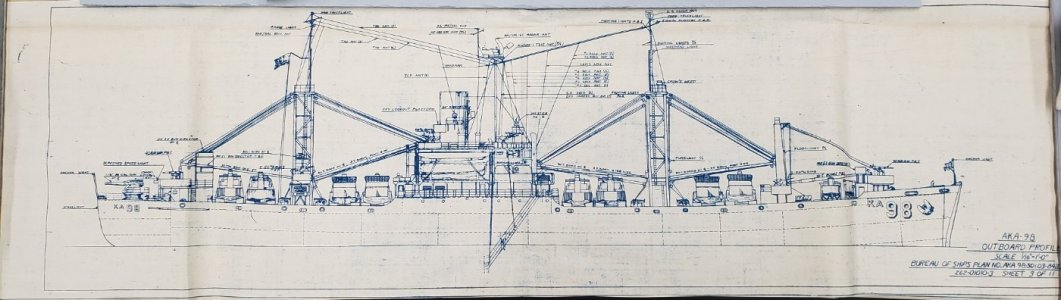
Could you share a scan? A very large number of AKA, AKS, AE, AGS classes were built on its base. The @Booklet of general plans@ are available, but there are no body plans.
 
Last edited:
Liberty ships and C-2 cargo ships had the same (English) design origin but different hull and fittings. C-2 cargo has more elegant and slender hull. Winches fittings are different, steam on Liberty (with a lot of steam tubes) on the deck, electric on C-2. different kind of booms and so long. I have all about both them. make a list of particular you need. Sterling kit is a good base but too much simplified for the beginners crowd.

View attachment 587641

View attachment 587642

View attachment 587643

View attachment 587647

View attachment 587650

View attachment 587655Thank you sir. Rigging shows pretty clear.
 
The C-2 was a 5100 GT vessel, steam turbine powered capable of speeds of over 16 kts. The 7100 GT. Liberty ships were 40 percent larger, powered by triple expansion reciprocating engines and were capable of about 10 kts. The only thing that these two types of these two types of vessels had in common was that they both floated.

Roger
 
Back
Top