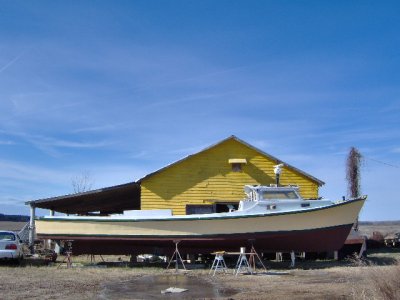
Build Log - "Annie Buck" Chesapeake deadrise oyster / crab working boat (scratch build from plans)
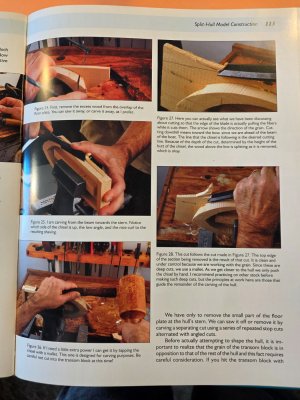
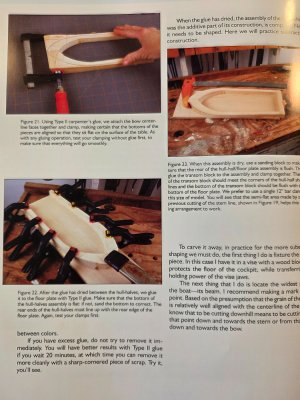
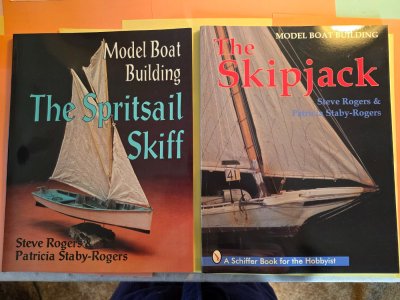
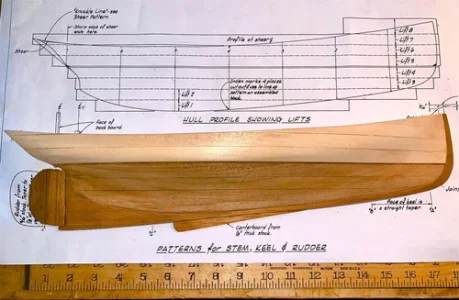
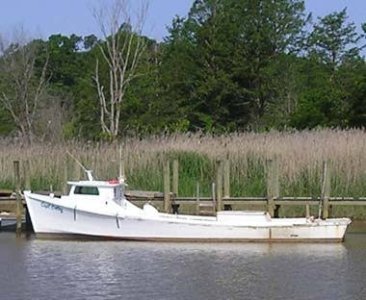
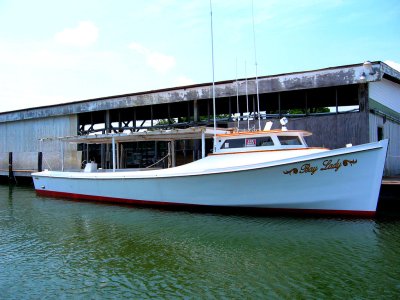
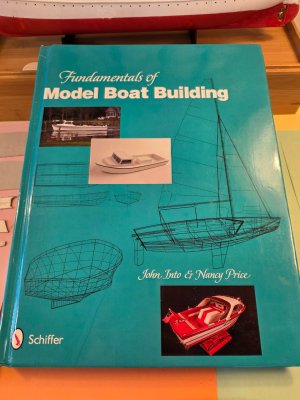
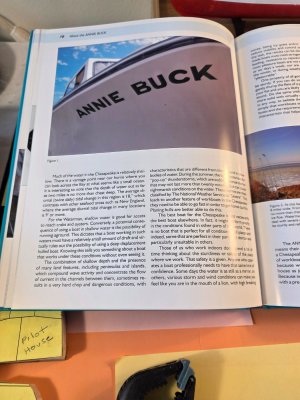
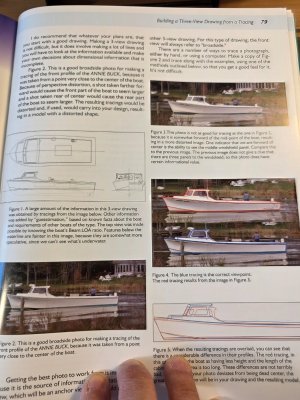
Plans from "Fundamentals of Model Boat Building" by John Into & Nancy Price (Schiffer Books 2010). This is a very basic wooden waterline model of a common fishing boat used from the Chesapeake Bay of Maryland down to the Outer Banks of North Carolina. The Chesapeake deadrise stern is different from other Chesapeake boats with a "drake-tail" like the Hooper's Island drake tail from the Eastern Shore, another workhorse of the Mid-Atlantic fishing industry.
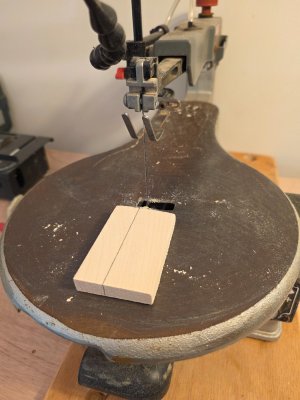
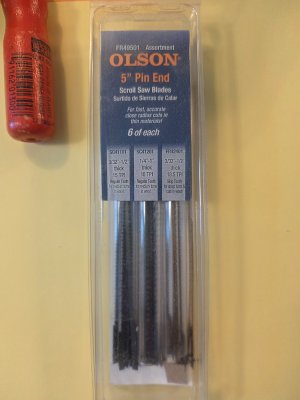
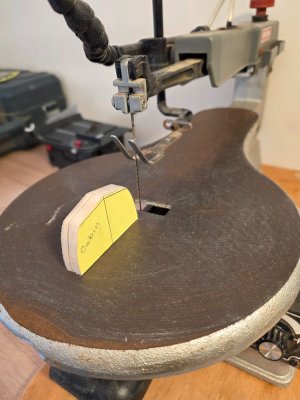
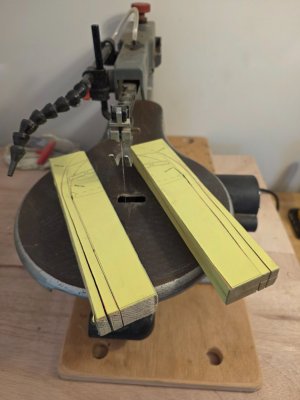
The Chesapeake deadrise oyster / crab working boat is my first build using a scroll saw, chisels, rasps and wood files and other woodworking tools. Having fun learning to shape wood components and trying different types of wood, including basswood, pine and balsa wood. I've watched alot of videos about using the scroll saw, power tool safety, wood chisels, and different woods. I can see how using a fine saw like the scroll saw can give great results in detailing and fine carving, but can be temperamental if youre using the wrong pin blade. I'm going slowly, so this build may take a while, but it is a nice boat to build.
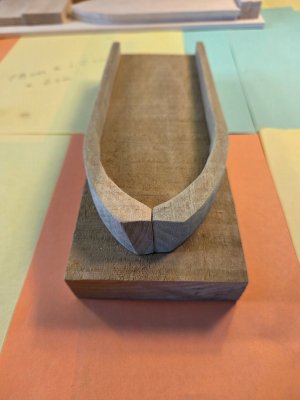
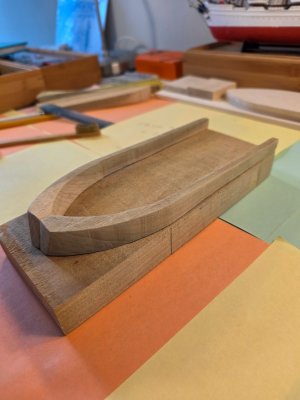
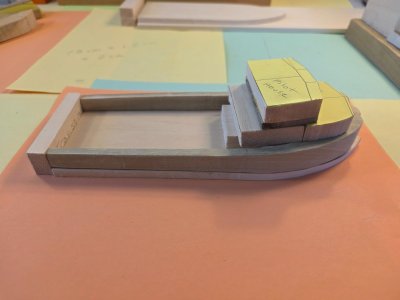
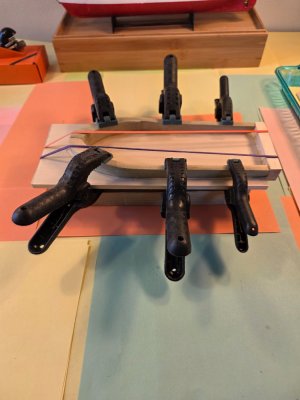
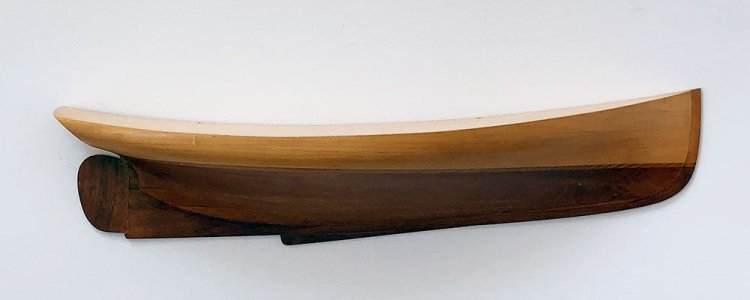
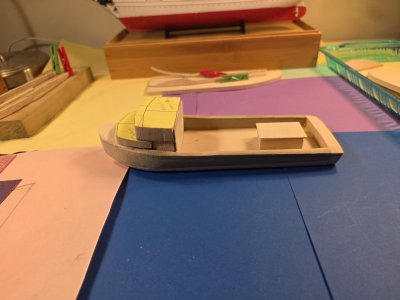
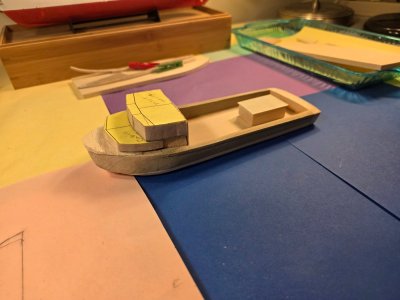
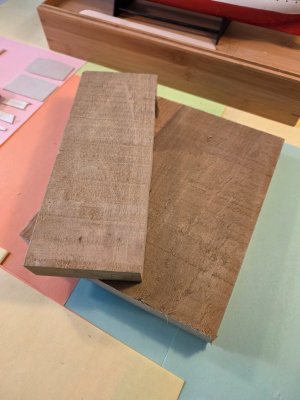
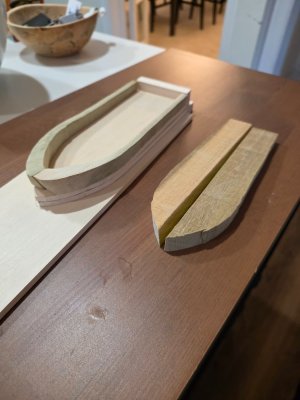
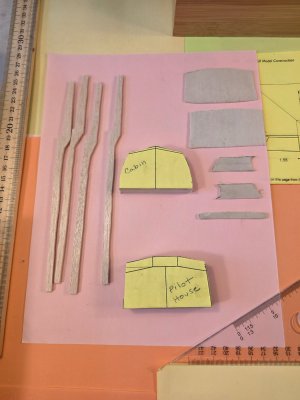
Both halves of the hull frame were cut from pine stock and I fabricated other parts with 2mm basswood sheets, 1/4 inch basswood planks, and 1mm and 2mm cardboard stock (cigar box thickness).
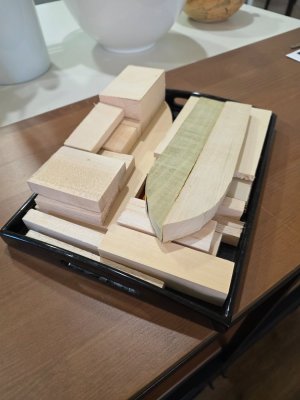
I cut the pine so that I can save the cuttings for other projects. It's a really workable wood stock a bit harder than the basswood. Careful not to use balsa wood for any structural parts, but will use balsa to build up the cabin and pilot house coamings and the engine blocks.
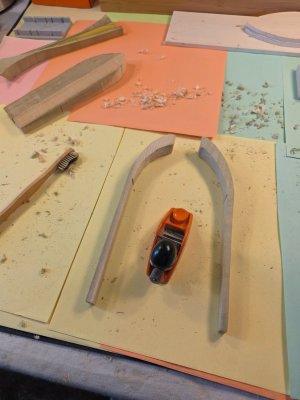
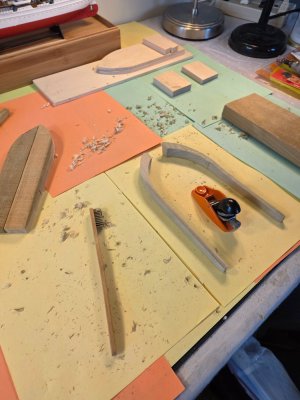
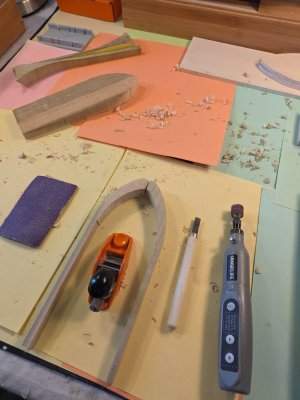
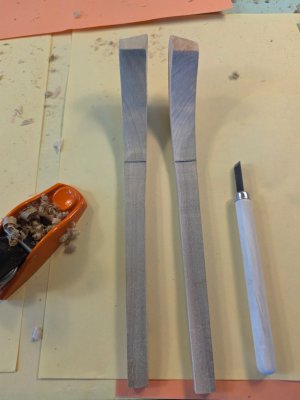
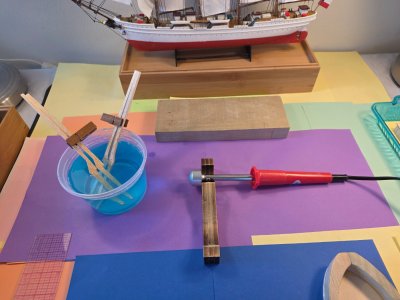
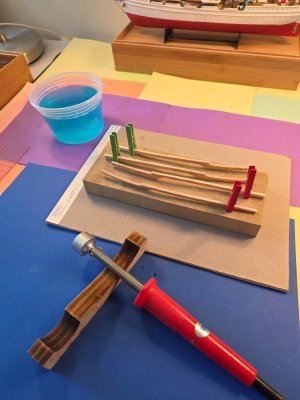
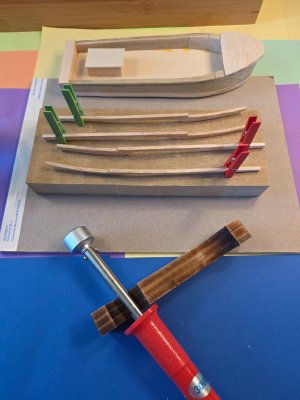
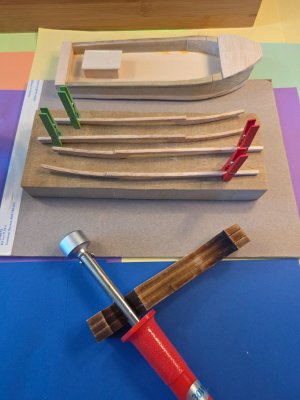
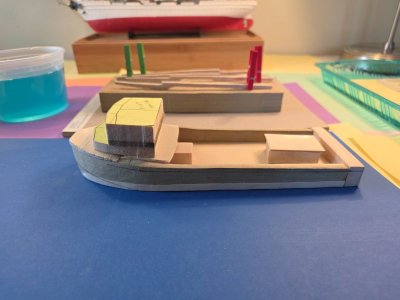
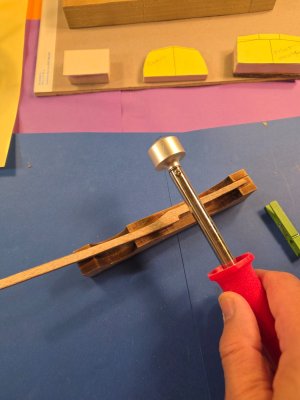
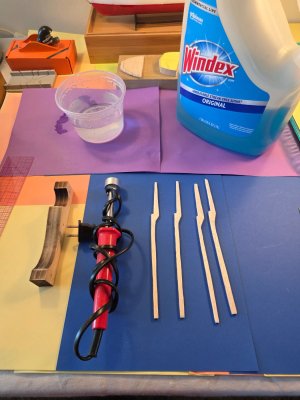
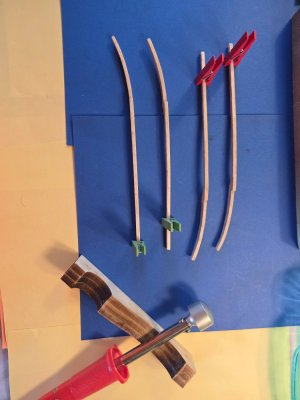
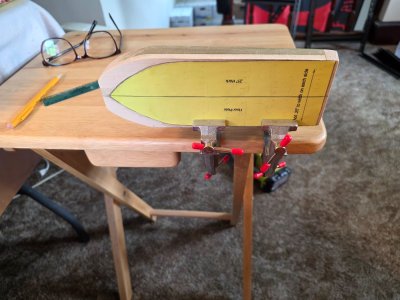
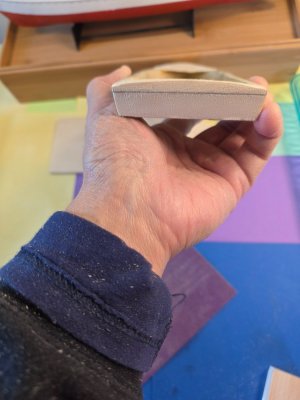
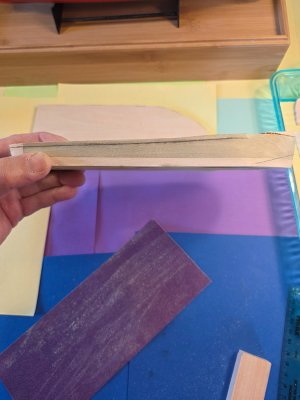
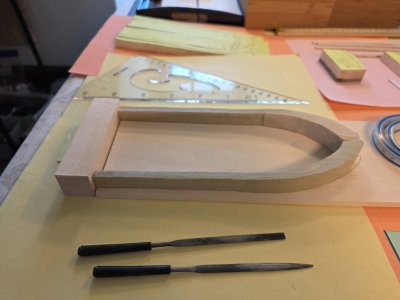
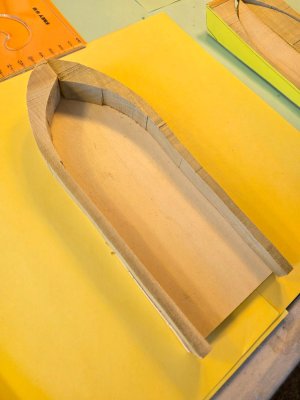
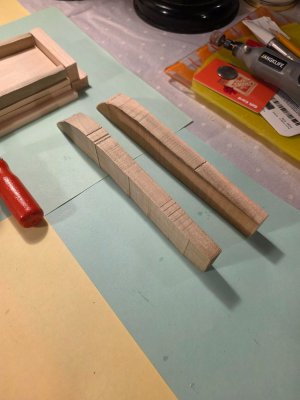
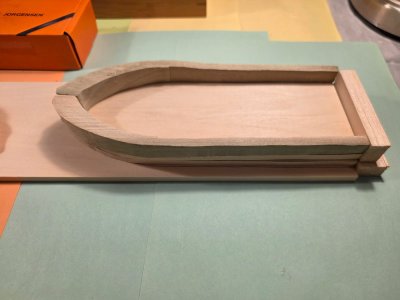
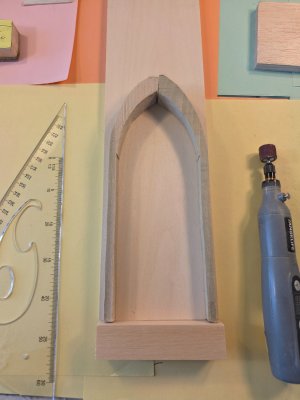
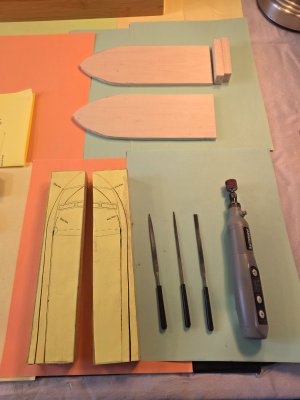
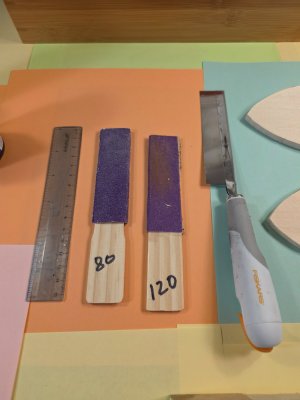
Made vertical and horizontal slices in the pine blocks to rough cut the 2 hull frames. Then used the Dremel-clone tool, rasps and files to fine detail frames, the gingerbread (cabin sides), the cabin block and the pilot block. Also used 80, 120 and 220 grit sandpaper and blocks.
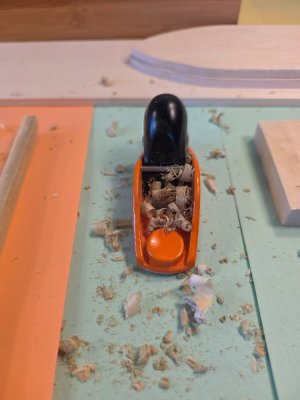
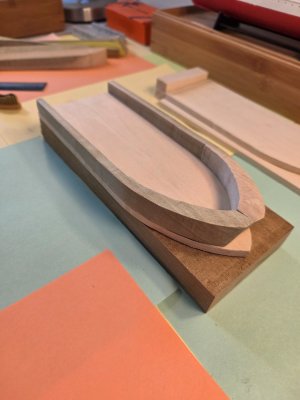
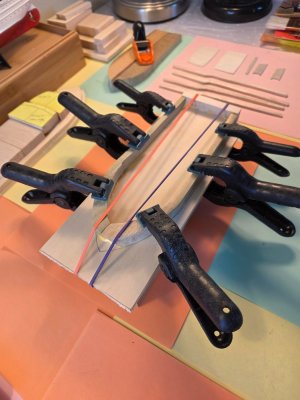
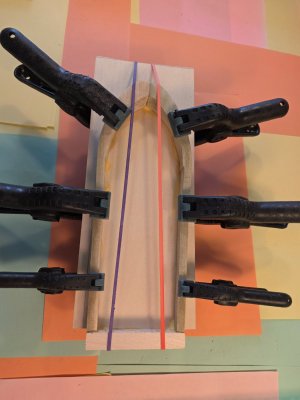
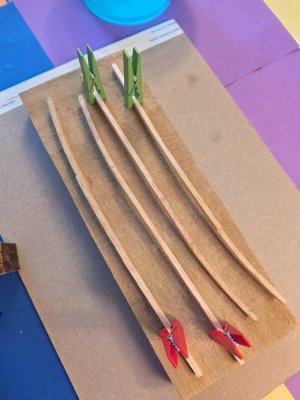
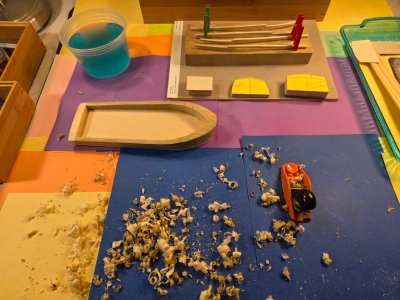
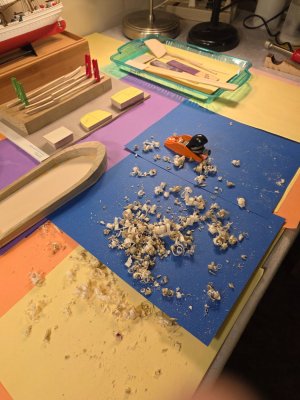
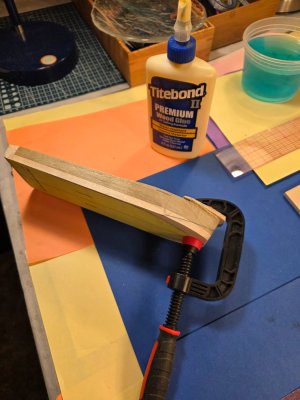
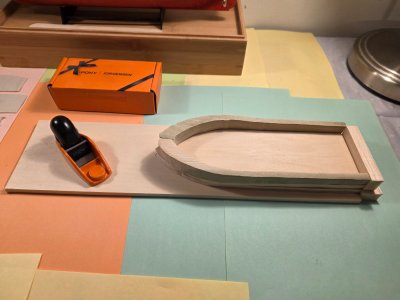
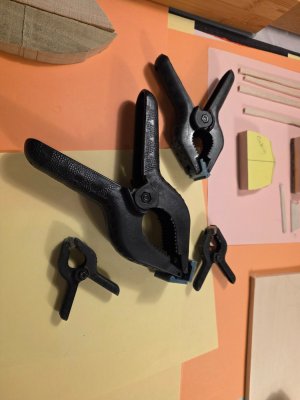
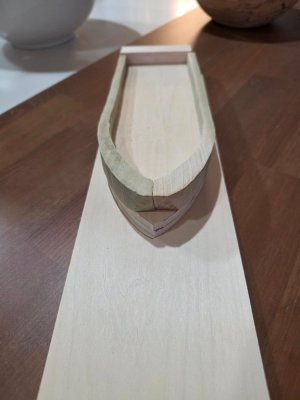
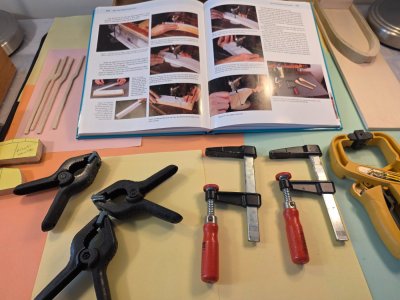
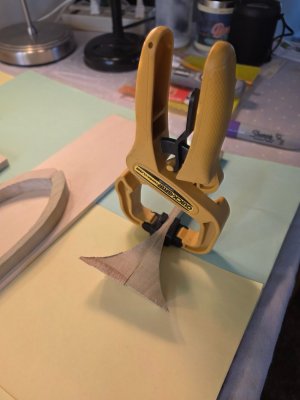
Tomorrow I will use a plane to shape the hull chines and waterlines, then glue and clamp the 2 hull frames and the transom with Titebond II overnight. The challenge will be to plane a hull shape that has realistic lines / chines from stem to stern. The original Annie Buck had a fiberglass form hull, so wood may not be as pliable.
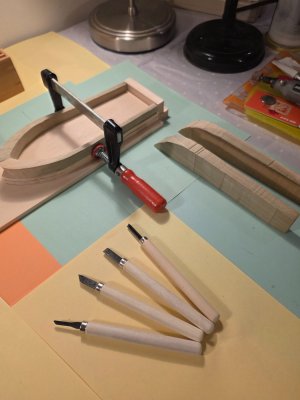
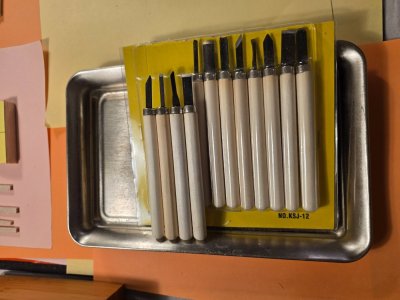
I will also use chisels and cutting tools to shape the insides of the wales and the surface deck. The plans give you a lot of add-on options (deck furnishings like cleats, bollards, and a mast), to make the Chesapeake deadrise oyster / crab working boat more of a realistic build.
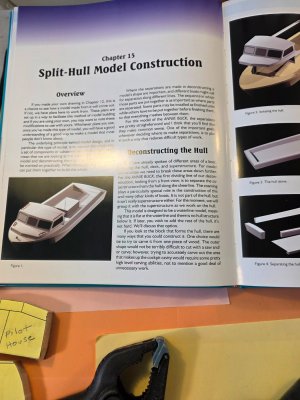
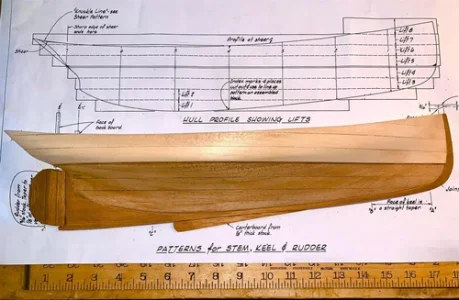
Plans from "Fundamentals of Model Boat Building" by John Into & Nancy Price (Schiffer Books 2010). This is a very basic wooden waterline model of a common fishing boat used from the Chesapeake Bay of Maryland down to the Outer Banks of North Carolina. The Chesapeake deadrise stern is different from other Chesapeake boats with a "drake-tail" like the Hooper's Island drake tail from the Eastern Shore, another workhorse of the Mid-Atlantic fishing industry.
The Chesapeake deadrise oyster / crab working boat is my first build using a scroll saw, chisels, rasps and wood files and other woodworking tools. Having fun learning to shape wood components and trying different types of wood, including basswood, pine and balsa wood. I've watched alot of videos about using the scroll saw, power tool safety, wood chisels, and different woods. I can see how using a fine saw like the scroll saw can give great results in detailing and fine carving, but can be temperamental if youre using the wrong pin blade. I'm going slowly, so this build may take a while, but it is a nice boat to build.
Both halves of the hull frame were cut from pine stock and I fabricated other parts with 2mm basswood sheets, 1/4 inch basswood planks, and 1mm and 2mm cardboard stock (cigar box thickness).
I cut the pine so that I can save the cuttings for other projects. It's a really workable wood stock a bit harder than the basswood. Careful not to use balsa wood for any structural parts, but will use balsa to build up the cabin and pilot house coamings and the engine blocks.
Made vertical and horizontal slices in the pine blocks to rough cut the 2 hull frames. Then used the Dremel-clone tool, rasps and files to fine detail frames, the gingerbread (cabin sides), the cabin block and the pilot block. Also used 80, 120 and 220 grit sandpaper and blocks.
Tomorrow I will use a plane to shape the hull chines and waterlines, then glue and clamp the 2 hull frames and the transom with Titebond II overnight. The challenge will be to plane a hull shape that has realistic lines / chines from stem to stern. The original Annie Buck had a fiberglass form hull, so wood may not be as pliable.
I will also use chisels and cutting tools to shape the insides of the wales and the surface deck. The plans give you a lot of add-on options (deck furnishings like cleats, bollards, and a mast), to make the Chesapeake deadrise oyster / crab working boat more of a realistic build.
Last edited:

 I feel so inferior