
-

SUBSCRIBE TO SHIPS IN SCALE TODAY!
The beloved Ships in Scale Magazine is back and charting a new course for 2026!
Discover new skills, new techniques, and new inspirations in every issue.
NOTE THAT OUR NEXT ISSUE WILL BE July/August 2026 -

Win a Free Custom Engraved Brass Coin!!!
As a way to introduce our brass coins to the community, we will raffle off a free coin during the month of August. Follow link ABOVE for instructions for entering.


You are using an out of date browser. It may not display this or other websites correctly.
You should upgrade or use an alternative browser.
You should upgrade or use an alternative browser.
reproducing Timberheads with scrapper and proxxon 150 lathe


Can you post some photos and the name, year, and nationality of the ship? The timberheads on many ships were normally just long top timbers of a frame and were rectangular not round. I am trying to visualize how a lathe would be used IF the timberheads are as most commonly seen.
Thanks Stuglo
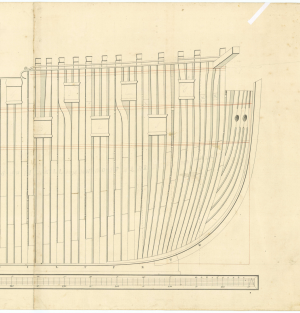
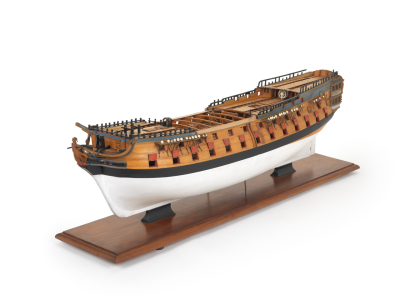
Thanks Stuglo

It's possible to form frames on a lathe or a bench drill press. It depends on what you want to achieve in the end.Can anyone help. AI gives written and diagramm advice which I fail to understand. In fact any help on reproducing these by any method will be much appreciated as I have failed to find posts that I saw in the past.
Lathe as a grinder. I recommend this solution.
Hello. I will share my patent. Today I accidentally used a grinding drum for a lathe. The 45mm diameter drum does not damage frames and sands flat and rounded surfaces thoroughly. A very interesting solution for grinding. You can precisely adjust the speed, much better than on a drill. You can...
shipsofscale.com
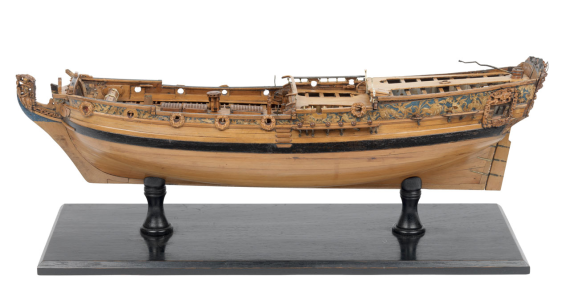
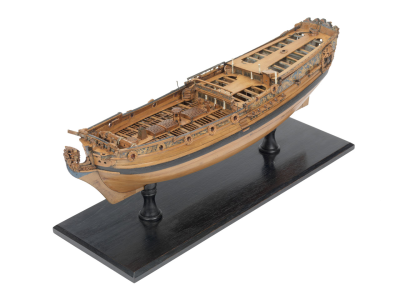
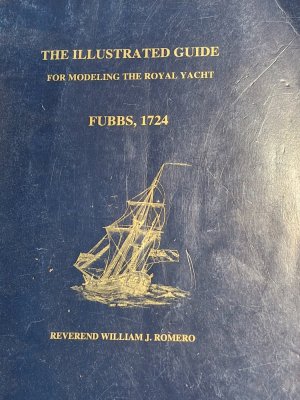
If there are timberheads, for that era they would likely be finger and thumb type design rather than round. (Peter Goodwin, The Construction of the English Man of War, page 222.) Have you looked at the photos of the contemporary model of Fubbs 1725? There are no timberheads of any kind although there are protrusions of the stanchions in the rail aft of the waist area that can be seen in the second photo. These are not round, but rather rectangular. I do wonder if the protrusions on that waist rail are also called timberheads. Are these the ones you are speaking about?I was looking for a way of making them in a reproduciple (identical) fashion apart from filing them by hand.
Allan
Fubbs 1725, Model made circa `1725
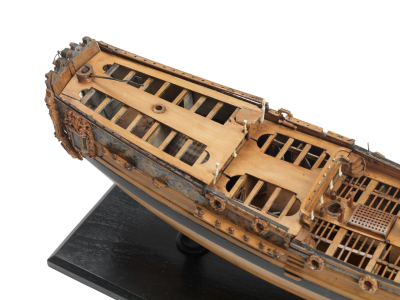
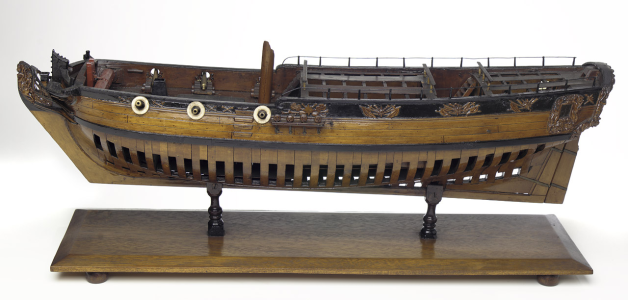
Ceremonial yacht Bolton 1709 - model made in 1763. There are no timberheads on this one as well.
Last edited:

- Joined
- May 3, 2026
- Messages
- 191
- Points
- 78



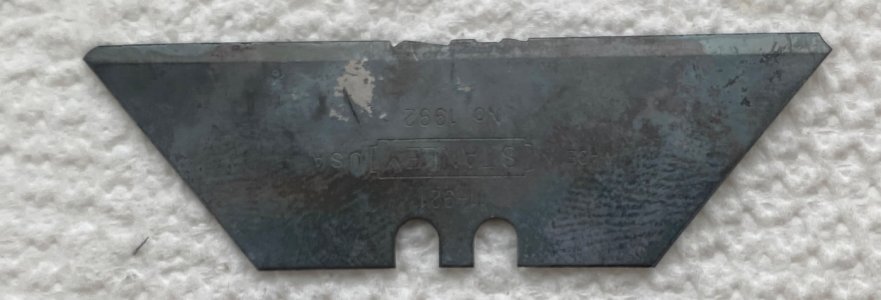
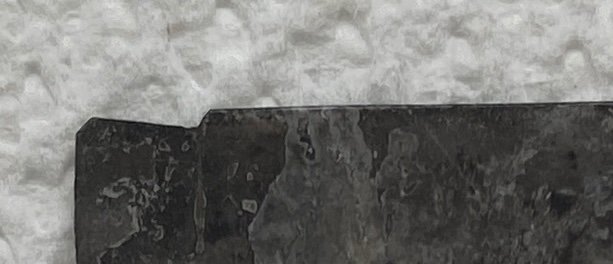
I understand. Make a filing template off a steel blade as I did. You secure it in vise jaws along with a square wooden dowel from which you plan to make a timber head. Then you still use a small file, but you are making your filing along the template contours so you get repeatability. Do the filing on all four sides of dowel. This way your timber heads will be identical or almost identical depending on your filing skills.. I was looking for a way of making them in a reproduciple (identical) fashion apart from filing them by hand.
Last edited:
- Joined
- May 3, 2026
- Messages
- 191
- Points
- 78
Yes, but @stuglo was talking about using a lathe?You secure it in vise jaws along with a square wooden dowel from which you plan to make a timber head.


Making a number of specialty shapes, such as timberheads, is often done with a mill and a strip of wood, milling the strip to the proper cross-section, and then cutting "slices" of the milled strip for individual timberheads. Not easily done on a lathe, though. Why not post a link to Ab's posting that you are referring to?
- Joined
- May 3, 2026
- Messages
- 191
- Points
- 78
Oops. I was thinking about his post on another forum..Why not post a link to Ab's posting that you are referring to?
I have no idea who Ab is, so I just guessed..
Last edited:
Warning!! AI - Artificial Intelligence (? tautology) is dangerous. I realise now that having mentioned my 150/E lathe in a previous question a few days earlier, the machine assumed I wished to use it for another, different, task. It led me down a computer rabbit hole with many wasted hours and feeling of inadequacy in trying to understand what it was trying to explain to me. I thought I would save time instead of humanly searching the various postings. The old adage about sleeping on a problem was true. At about 3 am I awoke having dreamed of my eureka! moment. Just use the proxxon milling machine. Lesson learnt.
Speaking of timberheads, I'm looking for an example of the progression of the shape of timberheads through the years. I am CERTAIN I've run across an illustration, almost certainly within my own library, but I cannot, for the life of me, find it. As I recall, the earlier timberheads were flat on 2 opposing edges, with the traditional increase in width at the top, while later designs also shaped the previously flat sides. Sounds like something that /should/ be of zu Mondfeld's Historic Ship Models, but again, I can't find it.If there are timberheads, for that era they would likely be finger and thumb type design rather than round. (Peter Goodwin, The Construction of the English Man of War, page 222.) Have you looked at the photos of the contemporary model of Fubbs 1725? There are no timberheads of any kind although there are protrusions of the stanchions in the rail aft of the waist area that can be seen in the second photo. These are not round, but rather rectangular. I do wonder if the protrusions on that waist rail are also called timberheads. Are these the ones you are speaking about?
Allan
Anyhow, would you or anyone else have a diagram or information on this?
Peter Goodwin, The Construction and Fitting of the English Man of War, page 222.I'm looking for an example of the progression of the shape of timberheads through the years.

Allan
Thar she blows! That's it, thanks Allen!Peter Goodwin, The Construction and Fitting of the English Man of War, page 222.
Allan
Glad I could help out. It's great to have a good library of books, but your experience is not singular. There are times when. like you experienced, I cannot remember where I saw something and then if I do remember what book contains the information I need I cannot remember the correct terminology so cannot use the index and then have to leaf through.
Allan
Allan
Making a number of specialty shapes, such as timberheads, is often done with a mill and a strip of wood, milling the strip to the proper cross-section, and then cutting "slices" of the milled strip for individual timberheads. Not easily done on a lathe, though. Why not post a link to Ab's posting that you are referring to?
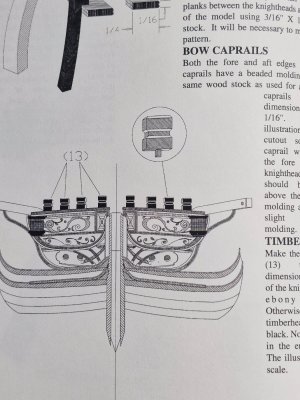
A question about actual (and maybe model) timberheads. On a real ship, timberheads are, in fact, the head of the timber, or an extension of the frames. They are often "flared" at the top (wider at the top than at the bottom, which is at the rail level). Here's an example from the source mentioned above:
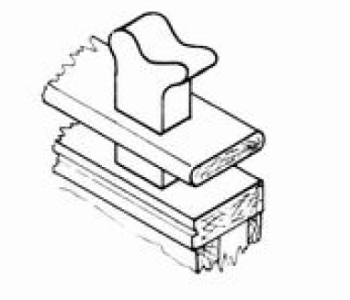
Now, we've been talking about producing only the upper section of the timberhead, possibly using a milling machine. But on the actual ships, since the timberhead is an extension of the frame structure, how is the rail installed when the hole for the timberhead is smaller than the top of it. Same question for model ships, but where even timberheads without the "thumb" would require really accurate cutting of the rail. For models, we're probably just limited to adding them, but I'm still interested in how the original was done.
Now, we've been talking about producing only the upper section of the timberhead, possibly using a milling machine. But on the actual ships, since the timberhead is an extension of the frame structure, how is the rail installed when the hole for the timberhead is smaller than the top of it. Same question for model ships, but where even timberheads without the "thumb" would require really accurate cutting of the rail. For models, we're probably just limited to adding them, but I'm still interested in how the original was done.
- Joined
- May 3, 2026
- Messages
- 191
- Points
- 78
I'm still interested in how the original was done.
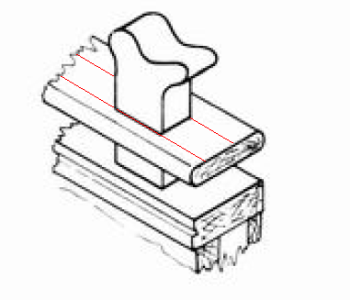
This would be my best guess. Just straight planks.
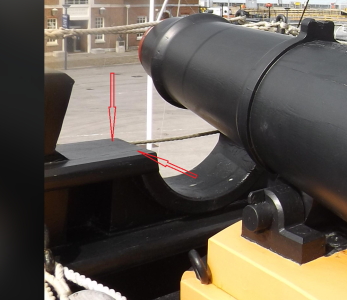
Based on this picture of Victory.
That makes sense. They could work around any shape that way. A bit harder to do on a model, but possible.View attachment 629380
This would be my best guess. Just straight planks.
View attachment 629382
Based on this picture of Victory.