Merci beaucoup pour toutes ces informations.

 |
Please consider making a Donation to SOS to support our continuing growth and developement. It is greatly appreciated !!! *** Read More - - Click Here *** https://www.paypal.me/DonateSOS |
 |
 |
The beloved Ships in Scale Magazine is back and charting a new course for 2026! Discover new skills, new techniques, and new inspirations in every issue. NOTE THAT OUR NEXT ISSUE WILL BE MARCH/APRIL 2026 |
|
 |
As a way to introduce our brass coins to the community, we will raffle off a free coin during the month of August. Follow link ABOVE for instructions for entering. |
|




 sdmodelmakers.com

Yes, I got the 688 stl's from RCSubs. The print came out flawless, can't wait to start assembly and painting. I will try to figure out something for the keel blocks, I have no 3D programming skill, but I'll get there somehow. Thanks for the reply.Thank you!
As for making files available, I receive this question frequently. The short answer is, not at this time. The hulls I build are my own design and are not available anywhere, based on my submarine experience, sources of research information, and twenty years of professional modeling.
It will be several years before I make the sliced files, (not the original STLs which are my IP) available for those with 3D printers. I've seen too many instances of piracy, so it isn't going to happen. I'm neck-deep in designing the rest of the (many) Cold War nuclear submarine classes, which take an inordinate amount of time to research before the design phase even begins to ensure the highest level of accuracy possible. The designs take on average, six months to go from concept to a finished display model before I lock the design down and proceed to the next.
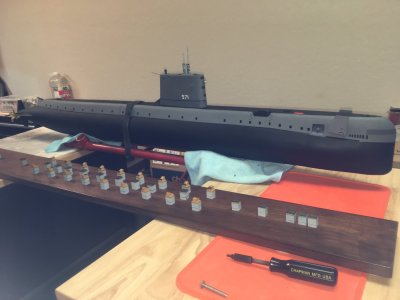
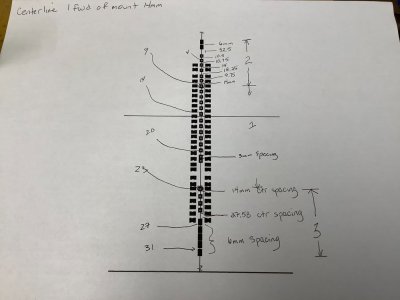
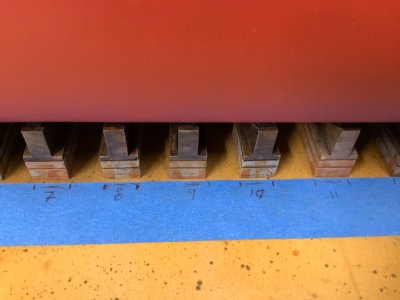
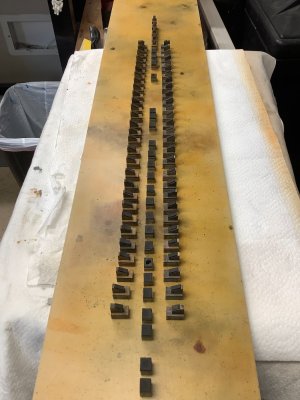
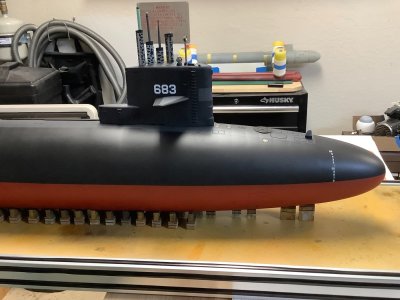
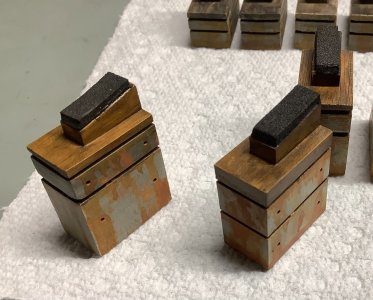
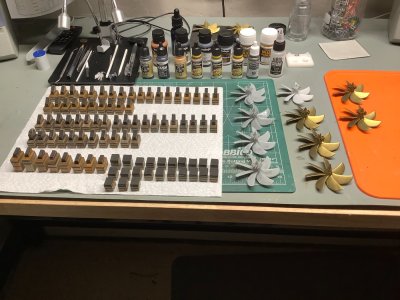
Keel blocks are easy to create using any basic modeling program. They are ideal for 1/72 scale, but not worth the effort for my regular print scale of 1/144 which is easier for the submariners I gift them to place on mantles and shelves at home. I hide the fasteners inside a pair of pedestals with threaded inserts inside the hull - just like the 1/72 models, only those fasteners are hidden inside a pair of hollowed-out center keel blocks.
If you purchased your 688 STLs from RCSubs, then you bought the best! Oto is a stickler for detail and the SHTs on the exterior were added after my urging to take his fine models to the next level. Everything he sells is designed for resin printing maximizing ease of production, (minimal sanding) and highly accurate small details. He protects his files by leaving lots of through-holes in the hulls with the PE brass he supplies to cover them with each order.
I'm humbled you would ask and again, thanks for your interest!
CC
I originally said that I did get the stl files from RCSubs, I did not, I got them from the Nautilus Drydocks. I had never heard of the RCSubs website/company.Thank you!
As for making files available, I receive this question frequently. The short answer is, not at this time. The hulls I build are my own design and are not available anywhere, based on my submarine experience, sources of research information, and twenty years of professional modeling.
It will be several years before I make the sliced files, (not the original STLs which are my IP) available for those with 3D printers. I've seen too many instances of piracy, so it isn't going to happen. I'm neck-deep in designing the rest of the (many) Cold War nuclear submarine classes, which take an inordinate amount of time to research before the design phase even begins to ensure the highest level of accuracy possible. The designs take on average, six months to go from concept to a finished display model before I lock the design down and proceed to the next.
Keel blocks are easy to create using any basic modeling program. They are ideal for 1/72 scale, but not worth the effort for my regular print scale of 1/144 which is easier for the submariners I gift them to place on mantles and shelves at home. I hide the fasteners inside a pair of pedestals with threaded inserts inside the hull - just like the 1/72 models, only those fasteners are hidden inside a pair of hollowed-out center keel blocks.
If you purchased your 688 STLs from RCSubs, then you bought the best! Oto is a stickler for detail and the SHTs on the exterior were added after my urging to take his fine models to the next level. Everything he sells is designed for resin printing maximizing ease of production, (minimal sanding) and highly accurate small details. He protects his files by leaving lots of through-holes in the hulls with the PE brass he supplies to cover them with each order.
I'm humbled you would ask and again, thanks for your interest!
CC

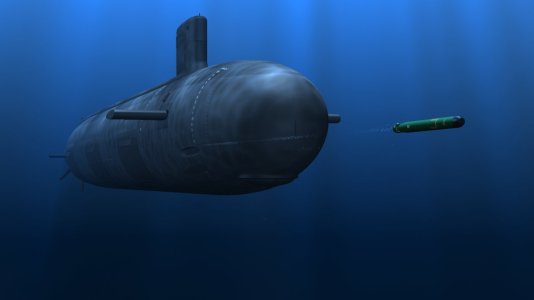
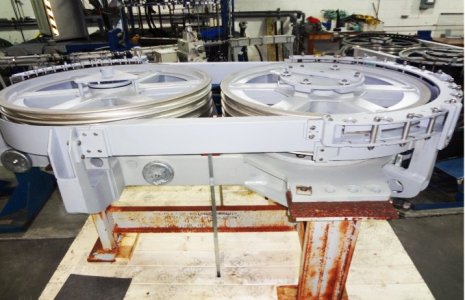
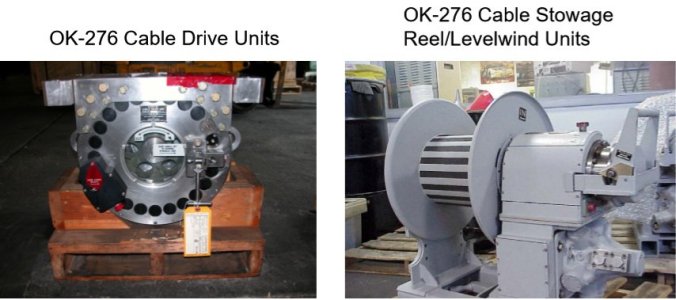
That's called a towed array stowage tube. A very long tow cable is stowed inside the ship on a reel, (called a cable storage drum/level wind unit) and the several hundred foot array lives in the stowage tube when not deployed. To deploy the array, flushing water is used to push the array out until drag does the rest. Payout speed is controlled from Cable Drive unit located just below the seals designed to keep seawater out of the "people tank" and is powered by #3000 hydraulics along with stowage drum. To retrieve the array, the CDU and stowage drum reels everything in until the counter that measures feet returns to zero. Deployment and retrieval operations are monitored and operated via the Control Indicator. This shot is from a shore-based training facility.From a non-bubblehead, what is the long tube on the port side going aft for?
My only sub experience was visiting the old WWII sub USS DRUM (SS-228) at Battleship Alabama Museum when I was on vacation. Got to see the up close and personal bunking with a fish in the forward torpedo rooms of the old subs.
 . Being a SUBSAFE component, the valve stack had multiple signatures when it was originally built attesting that it was machined as per the design drawings. We documented the discrepancy, machined the internals to the design drawing and reloaded the cable and array aboard the ship. They headed out for sea trials once again, with me riding the boat.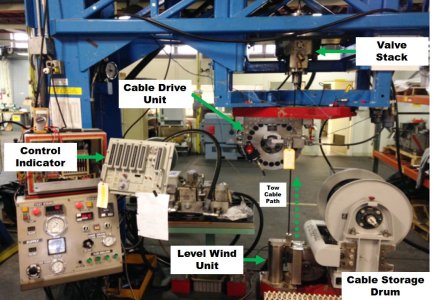
If you haven't checked out Oto's site you'll see there's no comparison in the level of detail, but that's the difference between a $50 STL and one that can cost three times more. In this case, you certainly get what you pay for! Oto also sells resin kits of his creations too. Highly recommended!I originally said that I did get the stl files from RCSubs, I did not, I got them from the Nautilus Drydocks. I had never heard of the RCSubs website/company.
Keel blocks are really simple shapes that can be easily made from a rectangle with two bevels to separate the concrete base from the wooden top that contacts the hull. I highly recommend trying out any one of the free CAD programs available and using that as a first project. I typically model the identical blocks on one side, then create a symmetrical "hull" that matches the diameter of the dimensions of the printed file, then use the hull as a cutting tool to subtract the portion of the keel blocks that contact the hull for that perfect matching curvature (usually called a Boolean Subtract operation, common to all modeling programs.) once that's done, I mirror the port and starboard sides.Yes, I got the 688 stl's from RCSubs. The print came out flawless, can't wait to start assembly and painting. I will try to figure out something for the keel blocks, I have no 3D programming skill, but I'll get there somehow. Thanks for the reply.