
Hello shipbuilders!
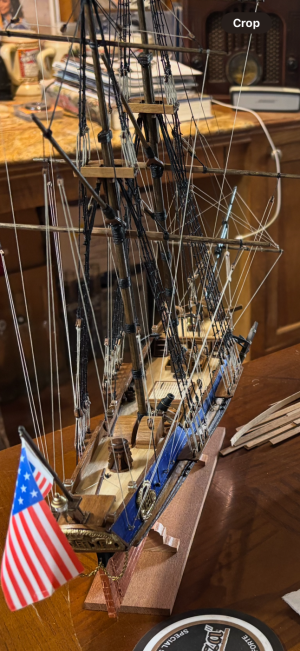
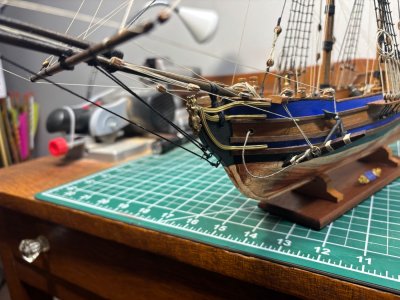
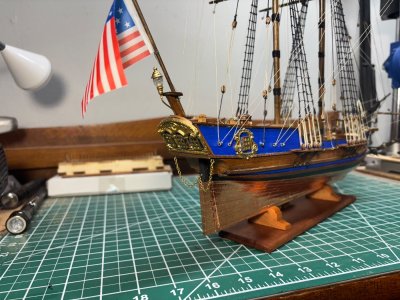
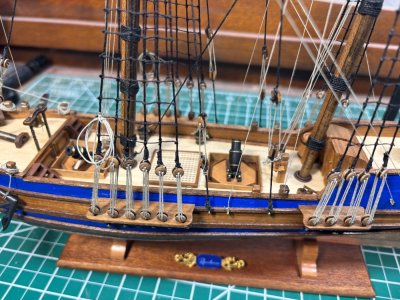
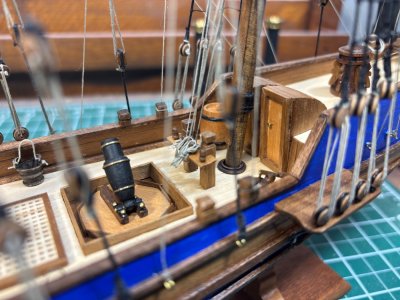
After completing the 18th Century Longboat a couple of months ago, I've decided to start my next build: the HMS Race Horse (or Racehorse). Originally designed as a French privateer, the British purchased it during the Seven Years' War (though I'm unsure why the French would sell it to their enemy). It was refitted as a frigate/sloop, then a fire ship, and then a bomb ketch. After the war, it had a second life as an Arctic explorer. I've always been fascinated by cold weather exploration, and I love the idea of a warship being converted to a vessel of exploration (ignoring the fact that it was re-converted to a warship later). I think it's also important to specify that this was an expedition of economic, rather than scientific, exploration.
Here's some interesting info I found on the ship and its crew:
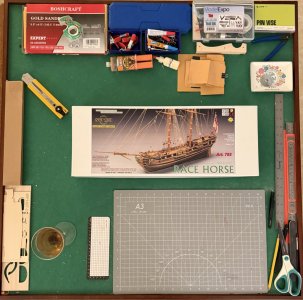
A few notes as I unboxed:
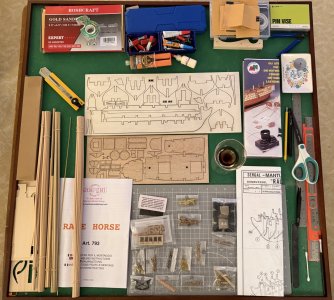
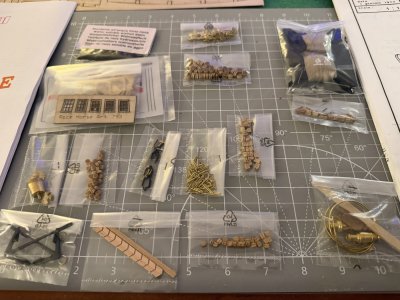
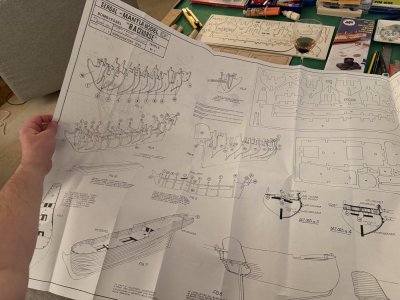
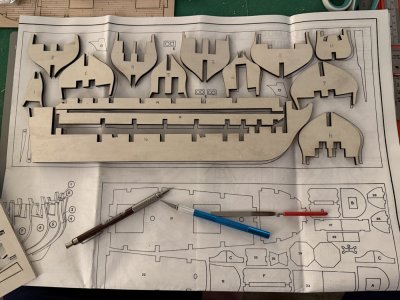
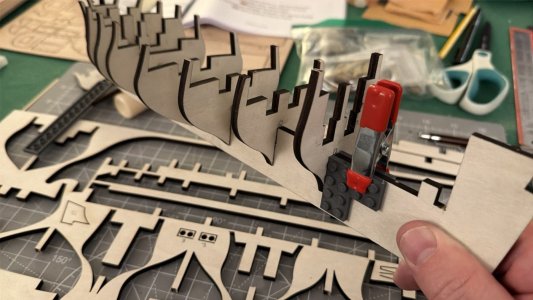
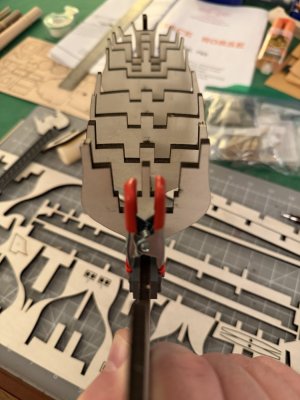
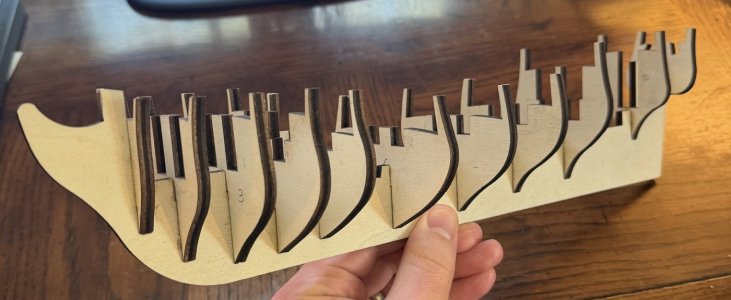
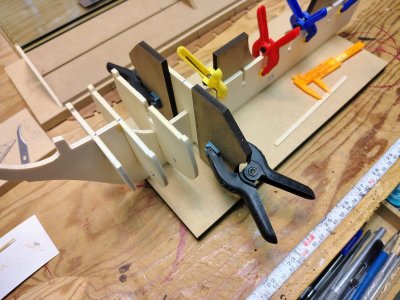
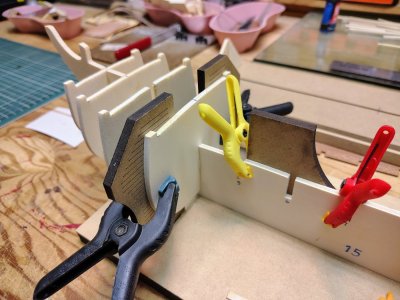
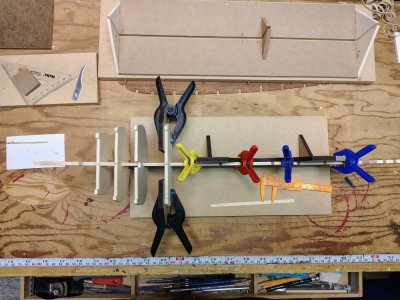
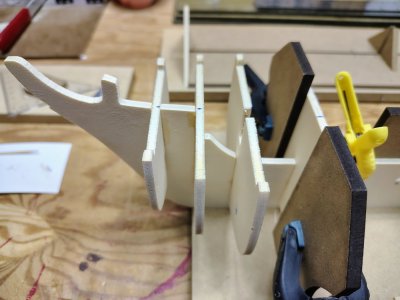
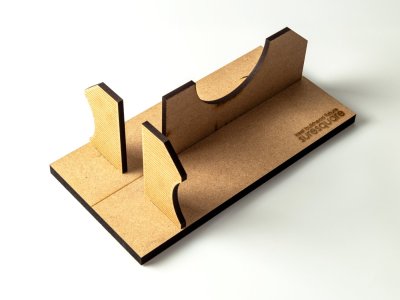
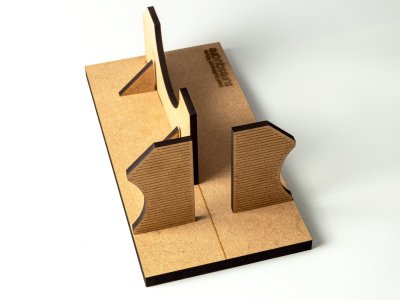
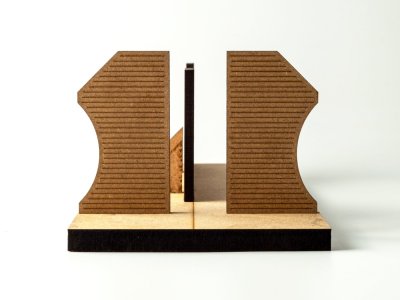
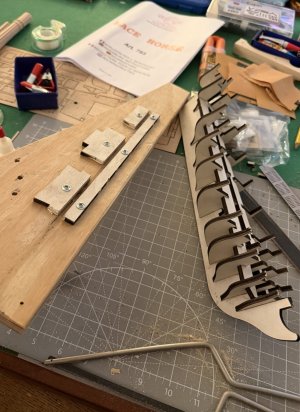
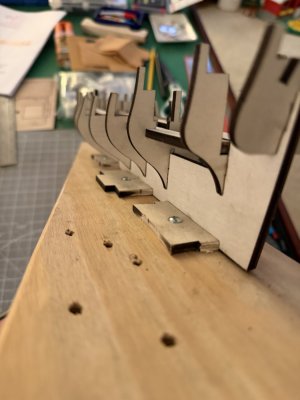
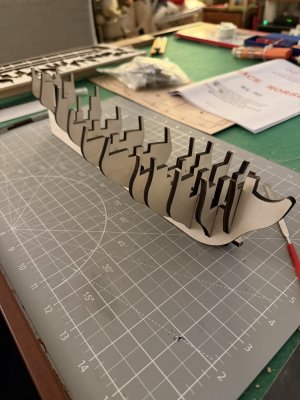
Getting organized was the goal of the evening. But I had some leftover time, so I cut out, cleaned up, and labeled the bulkheads. In a dry-fit, everything seems quite loose, so I'm nervous about squaring these bulkheads up. Starting that will be tonight's job.
Until next time!
-Gus
After completing the 18th Century Longboat a couple of months ago, I've decided to start my next build: the HMS Race Horse (or Racehorse). Originally designed as a French privateer, the British purchased it during the Seven Years' War (though I'm unsure why the French would sell it to their enemy). It was refitted as a frigate/sloop, then a fire ship, and then a bomb ketch. After the war, it had a second life as an Arctic explorer. I've always been fascinated by cold weather exploration, and I love the idea of a warship being converted to a vessel of exploration (ignoring the fact that it was re-converted to a warship later). I think it's also important to specify that this was an expedition of economic, rather than scientific, exploration.
Here's some interesting info I found on the ship and its crew:
- The Wikipedia article - hopefully accurate? It gives a brief history of the vessel, including its eventual capture by the French off the coast of New Jersey. LINK
- An article from the US Naval Institute all about the Arctic expedition of the Racehorse and its partner ship, the Carcass (on which Lord Nelson and Nicholas Biddle served as midshipmen). Side note, what a cursed name for a ship, Carcass is! LINK
- A painting of the Racehorse returning from its Arctic expedition. LINK
- A fascinating article about one of the men aboard the Racehorse, Olaudah Equiano. Its source is the man's autobiography - sounds like I'll have to track that down. LINK
- More information on the expedition, including a drawing of the Racehorse's plans. LINK
- A BBC article about the wreck of the HMS Racehorse - it was uncovered by divers back in the 80's and more recently catalogued. Includes underwater footage and interviews. I'm not actually sure if this is the same HMS Racehorse though, since the model they show is very different and appears to be missing the mortar pits and what I think is the poop deck. LINK
A few notes as I unboxed:
- The instructions are scattered and international. I'll probably scan everything and reprint just what's relevant to me. I'll also have to translate what's on the scale drawings
- Coming from the Longboat, I was surprised at how thick the bulkheads are - almost 5mm! I spent a shameful amount of time trying to pry it into two/three pieces. It's laser-cut, but the plywood was warped. Hopefully the bend isn't bad enough to impact the individual pieces
- Most of the metal bits seem to be preformed - another big departure from my time with the longboat where I made nearly everything metal from wire
Getting organized was the goal of the evening. But I had some leftover time, so I cut out, cleaned up, and labeled the bulkheads. In a dry-fit, everything seems quite loose, so I'm nervous about squaring these bulkheads up. Starting that will be tonight's job.
Until next time!
-Gus