• Win a Free Custom Engraved Brass Coin!!!
    As a way to introduce our brass coins to the community, we will raffle off a free coin during the month of August. Follow link ABOVE for instructions for entering.
  • SUBSCRIBE TO SHIPS IN SCALE TODAY!

    The beloved Ships in Scale Magazine is back and charting a new course for 2026!
    Discover new skills, new techniques, and new inspirations in every issue.

    NOTE THAT OUR NEXT ISSUE WILL BE MARCH/APRIL 2026

Harold Hahn

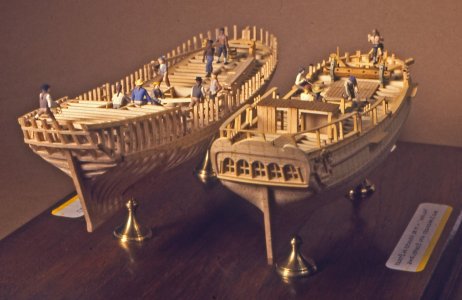
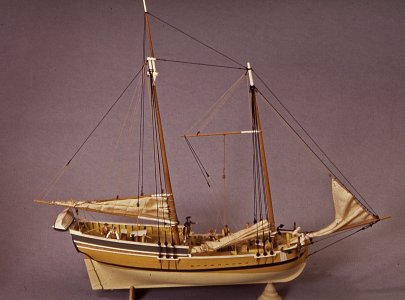
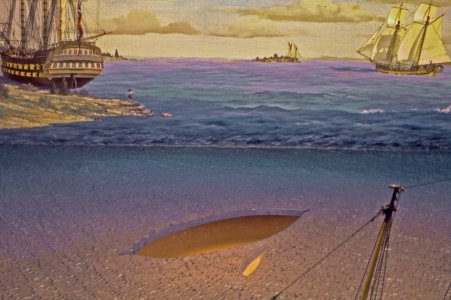
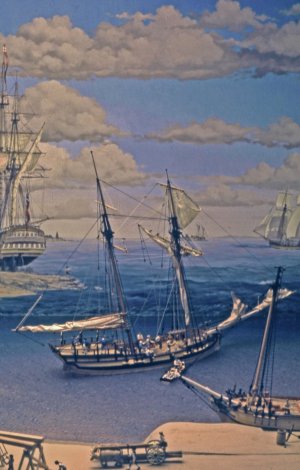
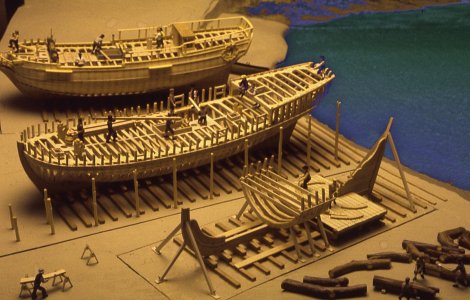
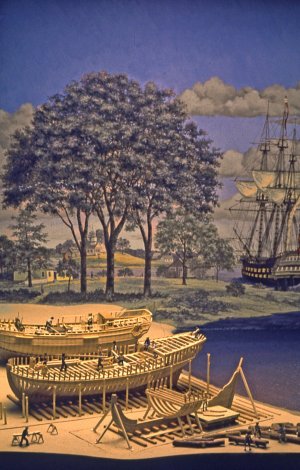
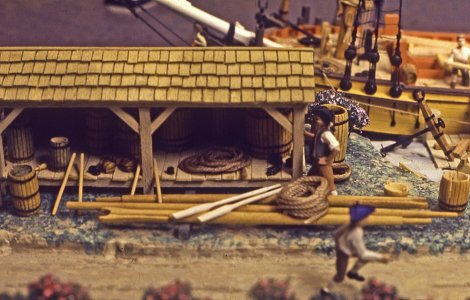
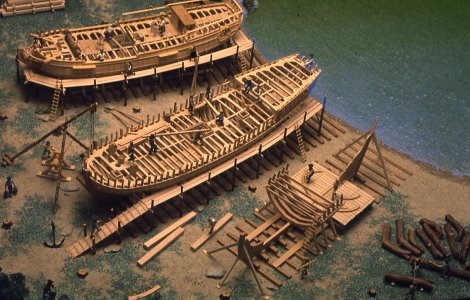
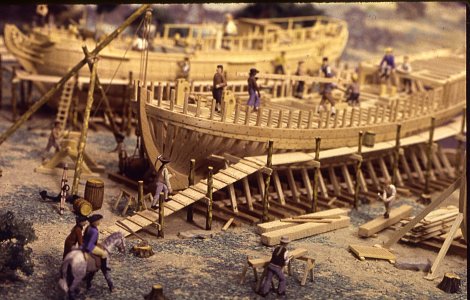
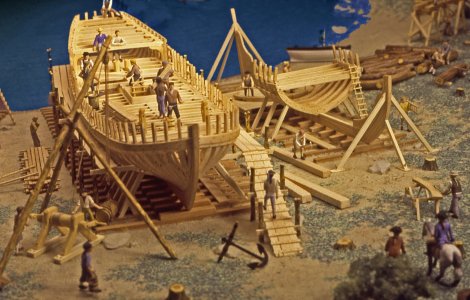
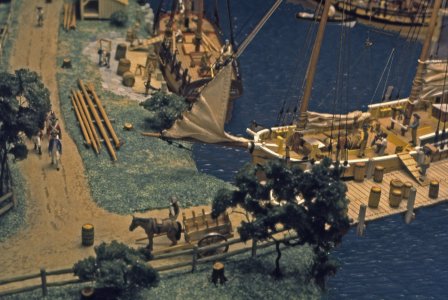
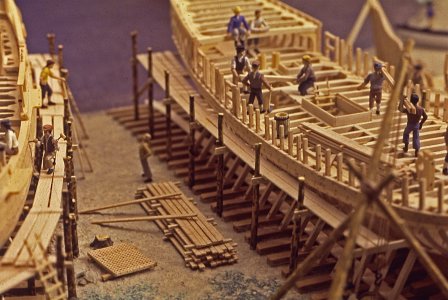
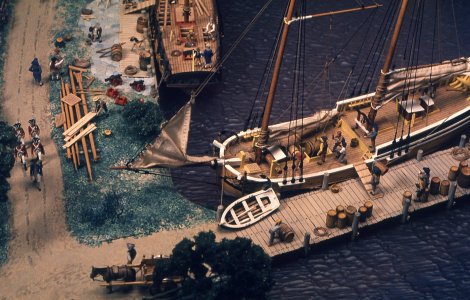
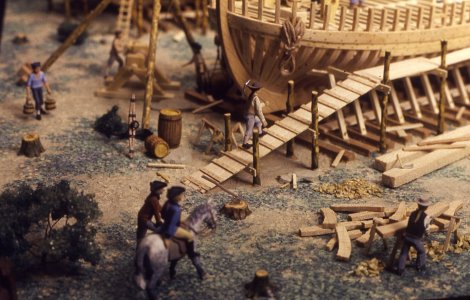
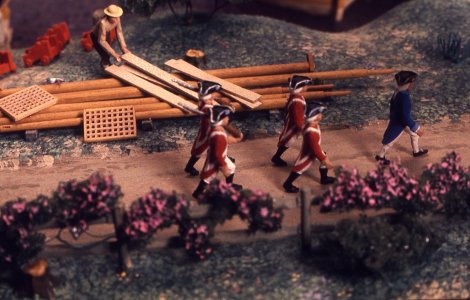
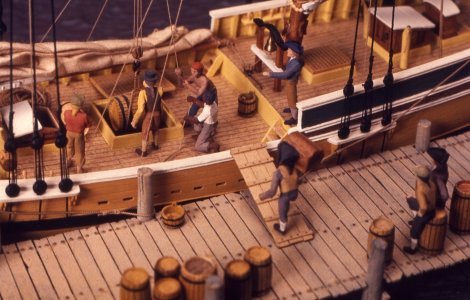
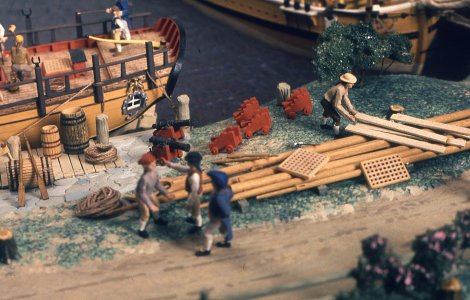
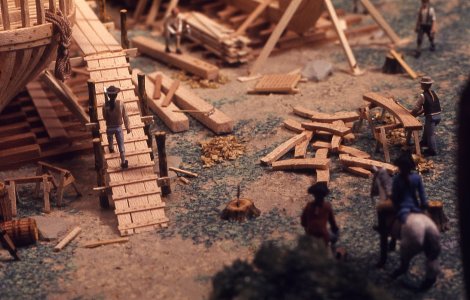
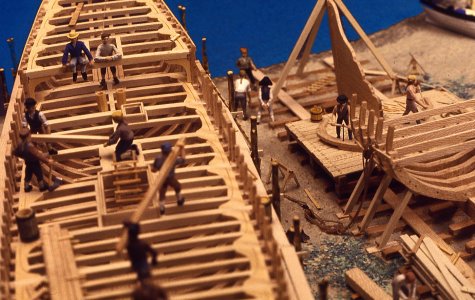
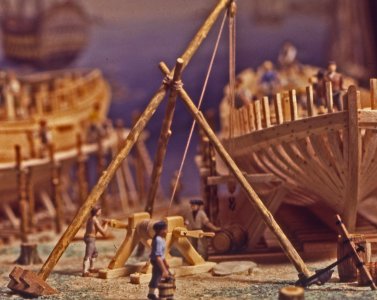
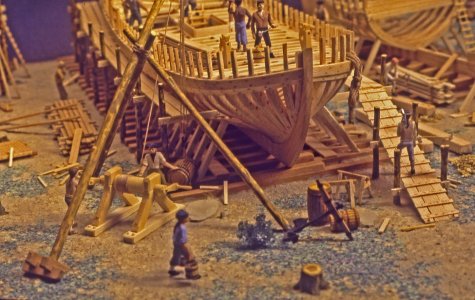
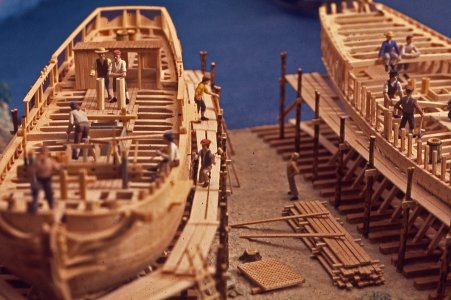
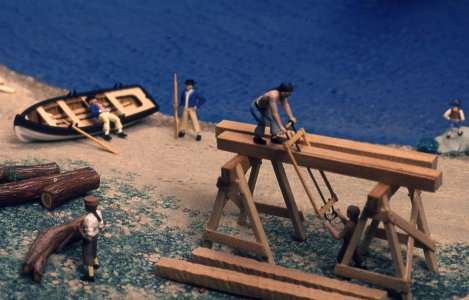
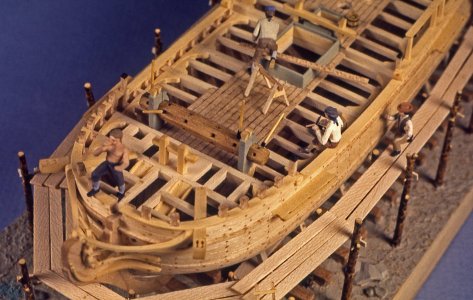
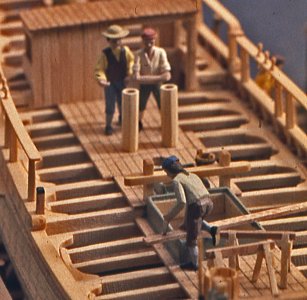
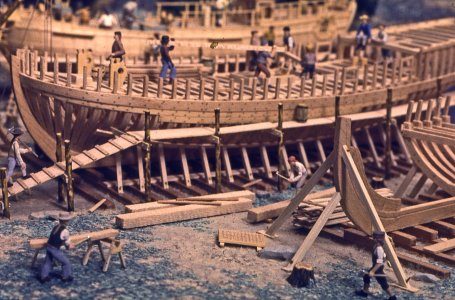
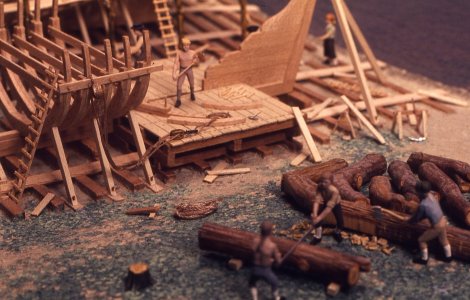
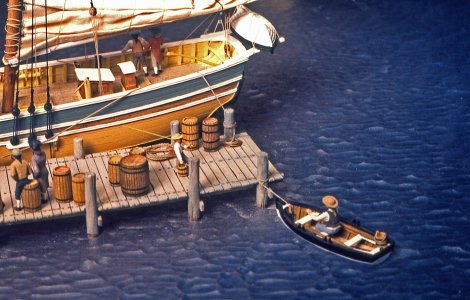
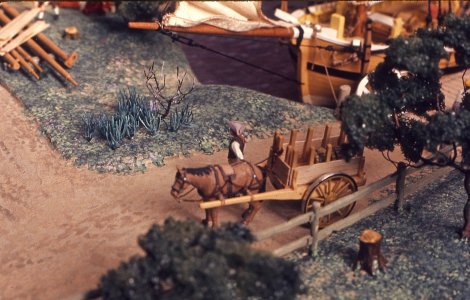
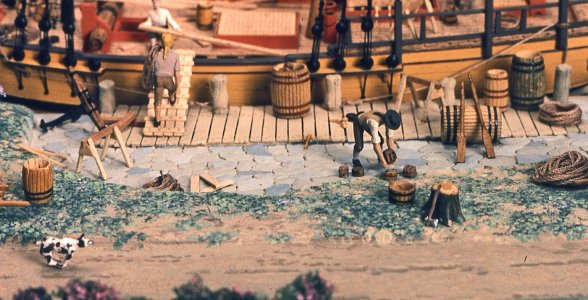
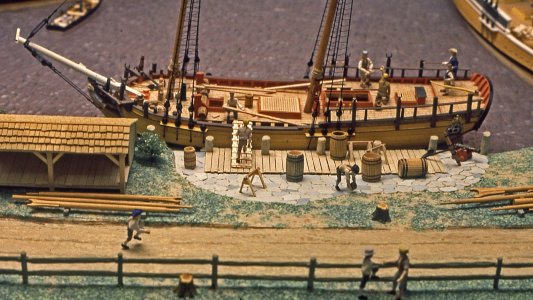
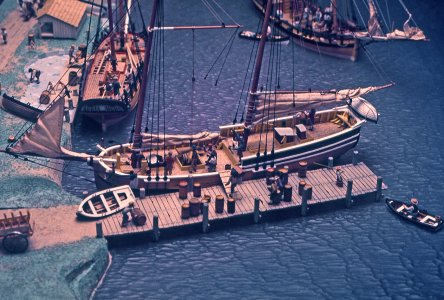
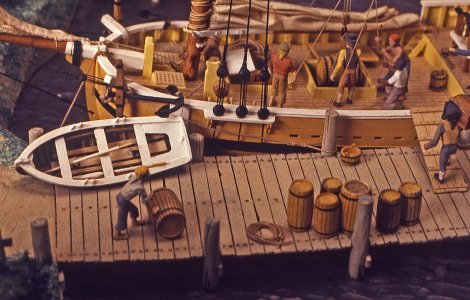
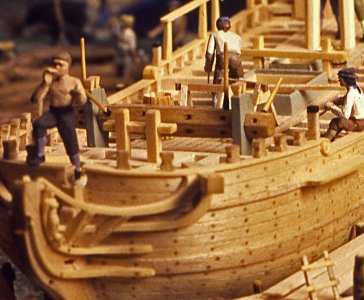
I’ve always admired Hahn’s diorama. I know that he had it at the Newport News NRG conference in 1980, possibly the Marietta, Ohio conference in 1975, and of course it’s been on display at the Mariners Museum. IMHO it nicely captures the activity in a colonial shipyard.

One minor (lighthearted) criticism. You can tell that he was no farm boy. Those oxen look like a crossbreed between moose and a Rinocerous!

Roger
 
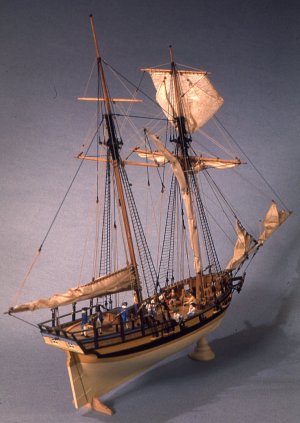
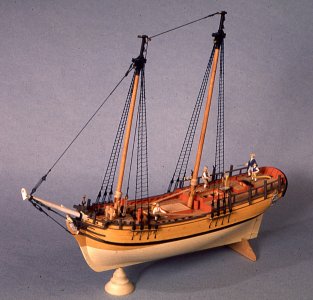
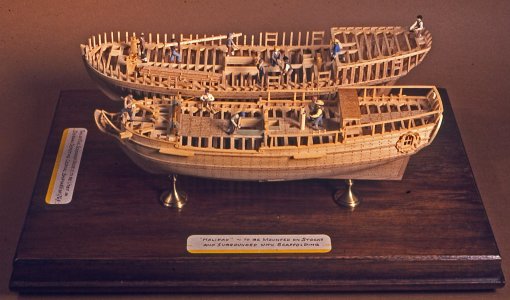
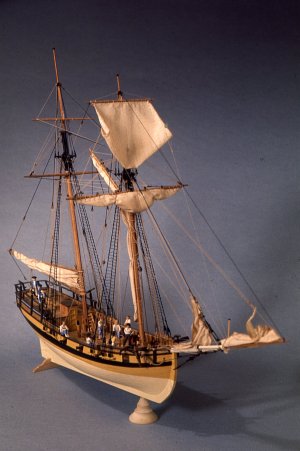
Harold Maxwell Hahn was and artist who did watercolor, oils, woodworking, etching, writing, model building, pen and ink and carving. His ship models were criticized for not adhering to strict historical accuracy and his model ships, by some, were not considered "ship models" they were dioramas. The tension between Harold and the ship modeling community was the result of his work being viewed through a narrow perspective as what a historical ship model should be. To Harold a ship model was a stark and sterile object, his approach was to bring a sense of life into the model. Harold was a storyteller his work is more than just a model it told the story of the ship, life aboard a ship, The models gave perspective they are dynamic works of art.

The colonial shipyard begins with the back round painting and creating the water


ad3.jpg

the models were set in place

ad6.jpg

piece by piece each model was set against the back round

ad4.jpg

ad5.jpg
 
You know, just looking at the work that was done in this seas/landcape, one can see that Harold would have been a very fast carver because the amount of figurines and such that went into this presentation is phenomenal. I have done a bit of carving and by the time I have finished one carving, I sort of look at how I did things, but if one is consistent in any form of artistry, be it carvings, paintings, or model making, when you first start off, things take a bit of time, but if you keep on following up in the practise of using your hands and mind, then things do speed up. So, I guess enjoy the ride and never stop. Harold did not, that's for sure.
He was a great artist.
 
hard Maple he also used west Indian boxwood and firethorn.
Hard Maple is a North American species - (Acer saccharum) (Sugar, Rock) . In Europe Sycamore Maple, (Acer pseudoplatanus) is close enough.
West Indian boxwood and I believe now Bermuda boxwood are names for Castelo Boxwood. Palo Blanko
Firethorn - also used by August Crabtree - was identified by The Mariner's Museum as Washington Hawthorn. For Common Hawthorn "Its small pores and medium-high density give it a very fine and even texture not too unlike true Boxwood (Buxus sempervirens)"
 
West Indian boxwood and I believe now Bermuda boxwood are names for Castelo Boxwood.

two different woods

both are from south America but not even in the same family

Castelo is Calycophyllum multiflorum
West Indian boxwood is Gossypiospermum praecox

was identified by The Mariner's Museum as Washington Hawthorn.

what Hahn and Crabtree uses was firethorn Pyracantha

Hawthorn is Crataegus monogyna

same general family but totally different types of wood


Both are in the Rosaceae the rose family, a family of flowering plants that includes 4,828 known species in 91 genera.
 
Last edited:
Back
Top