
-

Win a Free Custom Engraved Brass Coin!!!
As a way to introduce our brass coins to the community, we will raffle off a free coin during the month of August. Follow link ABOVE for instructions for entering. -
SUBSCRIBE TO SHIPS IN SCALE TODAY!
The beloved Ships in Scale Magazine is back and charting a new course for 2026!
Discover new skills, new techniques, and new inspirations in every issue.
NOTE THAT OUR NEXT ISSUE WILL BE MARCH/APRIL 2026
You are using an out of date browser. It may not display this or other websites correctly.
You should upgrade or use an alternative browser.
You should upgrade or use an alternative browser.

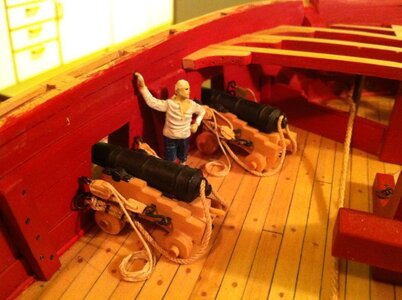
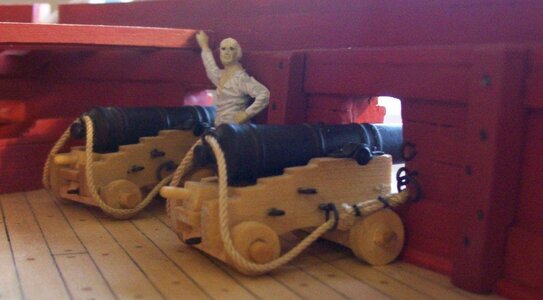
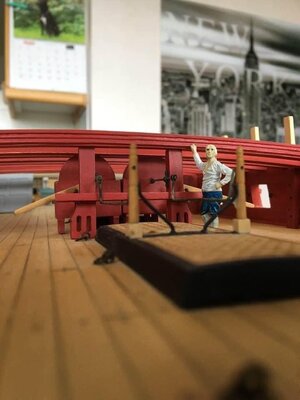
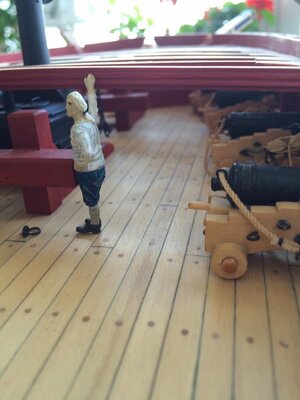
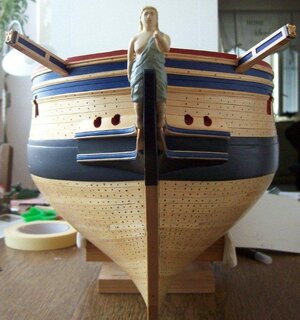
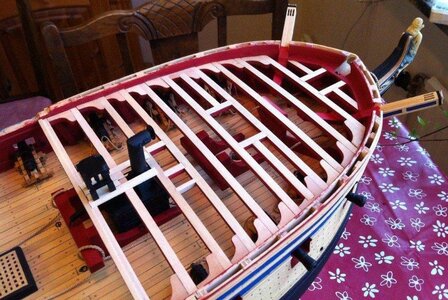
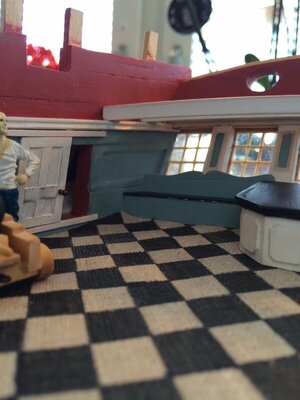
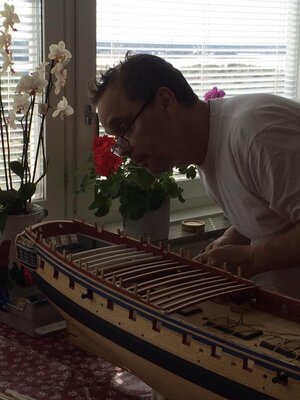
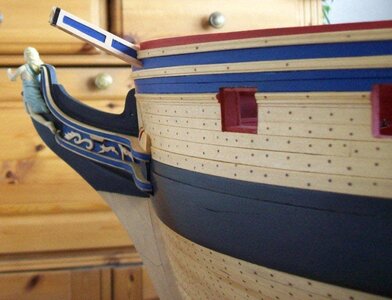
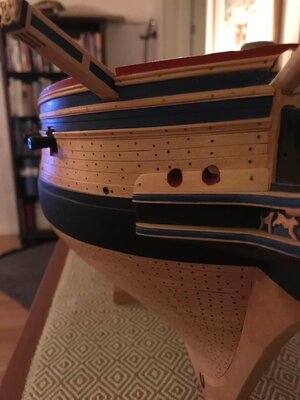
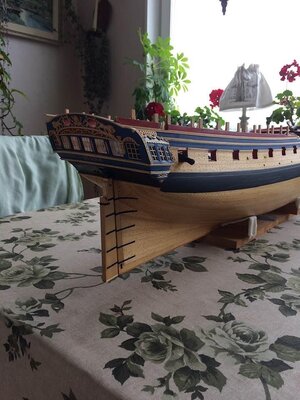

Again, awesome work! Thanks for sharing the additional pictures!


I love it - very good work - I am happy, that you decided to start a building log - I am looking forward to see and follow the finalization of this model
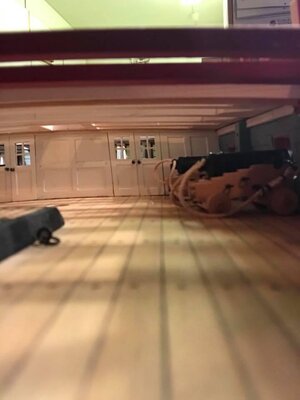
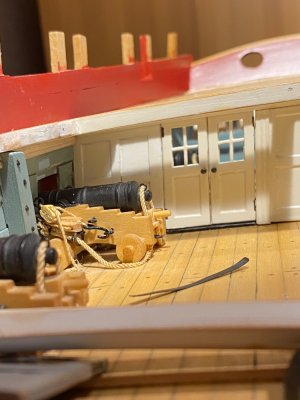
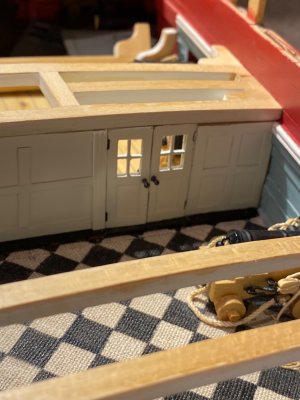
Struggling with the cabin doors and the hinges.
And after looking on models I think they had pin-hinges on the doors so the quick could remove them when they clear for action?
Anyway gonna have these doors closed.
Have a large library but the small details you looking for never shows up I don’t mind how much literature you have
And after looking on models I think they had pin-hinges on the doors so the quick could remove them when they clear for action?
Anyway gonna have these doors closed.
Have a large library but the small details you looking for never shows up I don’t mind how much literature you have
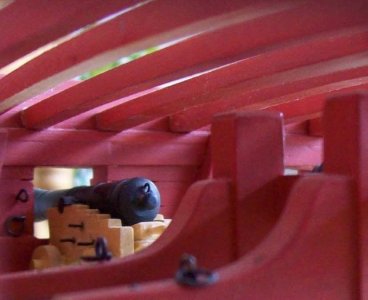
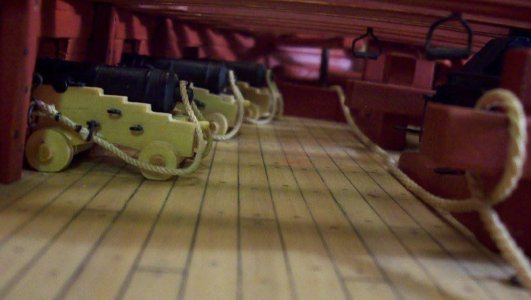


Wow, thats a beautiful build. Well done.
Did they have wooden hanging knees or cast iron knees for the deck beams?
When I look at the late 1800century frigates they seems to have iron knees under the lodging knee?
I believe the Robert Seppings system of using iron knees started with the Tonnant in 1776 and Culloden due to lack of proper wood. If you look at page 10 of the original contract for the Artois class ships, of which Diana was a part, there is a hand written line regarding the use of hanging iron knees. The contract is a type set paper with stock verbage, but edited by hand regarding the iron knees so a reliable piece of information. The contract is available on the RMG Collections website for free.
Allan
 www.rmg.co.uk
When I look at the late 1800century frigates they seems to have iron knees under the lodging knee?
I believe the Robert Seppings system of using iron knees started with the Tonnant in 1776 and Culloden due to lack of proper wood. If you look at page 10 of the original contract for the Artois class ships, of which Diana was a part, there is a hand written line regarding the use of hanging iron knees. The contract is a type set paper with stock verbage, but edited by hand regarding the iron knees so a reliable piece of information. The contract is available on the RMG Collections website for free.
Allan
Search Results | Royal Museums Greenwich
You are very welcome, I'm glad to be of a little help. The contract is a wealth of information for an Artois class, be it kit or scratch.Thanks Allan for that info.
Allan
- Joined
- Mar 22, 2024
- Messages
- 396
- Points
- 168

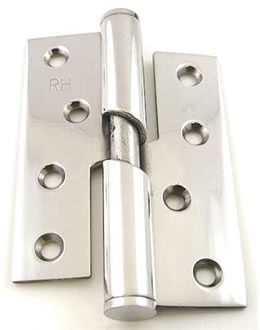
BTW- useless bit of information to burden your brains with. Pin hinges - properly known as 'rising butts' in the UK do make doors easy to remove and replace. But because the hinges have a ramp action they help prevent a door jamming against a sloping or cambered floor when opened - as on the deck of a ship.
Thanks Allan for that info.
I was a little bit overwhelmed over all written information and I must ask you? They must had translate the old style of writing the text in a later period to make it easier for the reader? Almost like typewriter?You are very welcome, I'm glad to be of a little help. The contract is a wealth of information for an Artois class, be it kit or scratch.
Allan
I believe printing plates came into use for these contracts in the late 18th century. The wording for contracts for RN ships was VERY similar for any of their ships and often had a space where the actual dimension was written by hand The following are from Aquilon 1782 and Apollo 1792
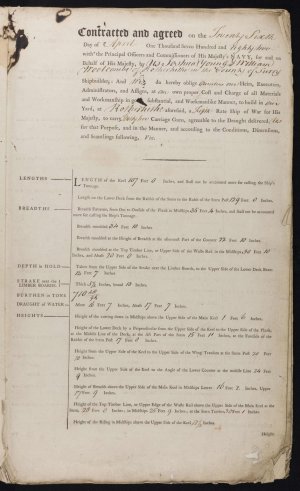
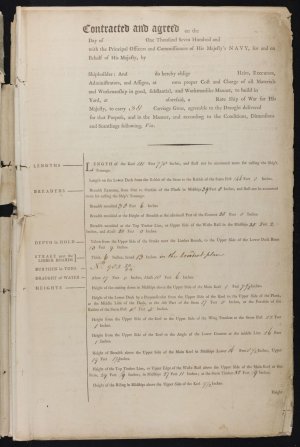
Ok amazing I didn’t know that? I thought they wrote with a feather and ink? I’m happy I’ve learned something new thank youI believe printing plates came into use for these contracts in the late 18th century. The wording for contracts for RN ships was VERY similar for any of their ships and often had a space where the actual dimension was written by hand The following are from Aquilon 1782 and Apollo 1792
View attachment 492763
View attachment 492764

- Joined
- Nov 10, 2019
- Messages
- 506
- Points
- 453

Even without rigging this is a beautiful model.A very slowly project that started about 1994
Far from ready.
Now I decide that I only make the hull with guns and all equipment,most because the space a rigged frigate in 1/48 would take,it would be enormous
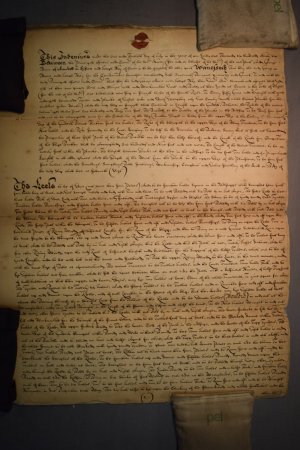
They did write with flight feathers mostly from geese, but other large fowl were put to service: ravens, crows, ducks, peacocks, vultures, pelicans and turkey, as well as reed pens prior to using printing plates in the late 18th century. Page 1 from the 17th century for HMS Jersey (50) is below.Ok amazing I didn’t know that? I thought they wrote with a feather and ink? I’m happy I’ve learned something new thank you
Allan
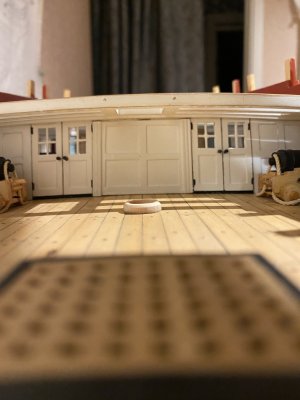
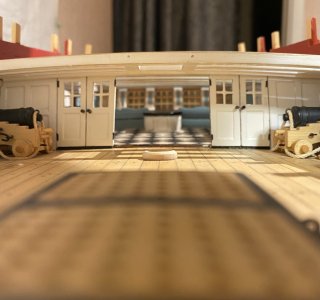
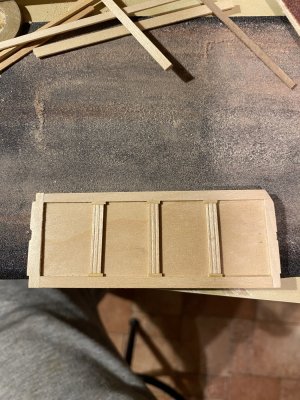
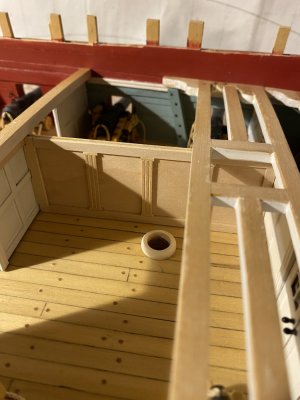
Brian Lavery wrote about 6 pages regarding the fitting of the cabins in his book The Arming and Fitting of English Ships of War but makes no mention of the color of either the canvas or Deal bulkhead panels. There is mention in the contract for Diana of paint for the officer's cabins, but nothing about what color. There may be more, but I only have 14 pages of the Diana contract.
Allan

From a 1776 contract, again a description of what was to be painted, but no mention of what colors.
To treble paint the Ship within and without Board with good Oil Colours, and in like Manner the Great Cabin, Steerage, and all the Cabins, Rails, Stantions, Ladders, Gratings, Gangways, Bulkheads, Capstands, Upper deck beams, and Knees, and all the Work in Wake of them, and without board for finishing and compleating the Hull of said Ship, shall be done in a Workmanlike Manner, equal in all respects to those of His Majesty’s Ships of the like Quality in the King’s Yards.
This wording is in all the contracts I have from this era. White would be cheap and bright so probably the predominant color.
Allan
From a 1776 contract, again a description of what was to be painted, but no mention of what colors.
To treble paint the Ship within and without Board with good Oil Colours, and in like Manner the Great Cabin, Steerage, and all the Cabins, Rails, Stantions, Ladders, Gratings, Gangways, Bulkheads, Capstands, Upper deck beams, and Knees, and all the Work in Wake of them, and without board for finishing and compleating the Hull of said Ship, shall be done in a Workmanlike Manner, equal in all respects to those of His Majesty’s Ships of the like Quality in the King’s Yards.
This wording is in all the contracts I have from this era. White would be cheap and bright so probably the predominant color.