
-

SUBSCRIBE TO SHIPS IN SCALE TODAY!
The beloved Ships in Scale Magazine is back and charting a new course for 2026!
Discover new skills, new techniques, and new inspirations in every issue.
NOTE THAT OUR NEXT ISSUE WILL BE July/August 2026 -

Win a Free Custom Engraved Brass Coin!!!
As a way to introduce our brass coins to the community, we will raffle off a free coin during the month of August. Follow link ABOVE for instructions for entering.


You are using an out of date browser. It may not display this or other websites correctly.
You should upgrade or use an alternative browser.
You should upgrade or use an alternative browser.
Making your own Ropes
- Thread starter Phillipsart
- Start date
- Watchers 29


- Joined
- Aug 8, 2019
- Messages
- 5,874
- Points
- 738

Yup, It's fun to make rope. Seeing it when it turns out of the machine, the whole learning curve. Perfect rope will look like the real thing. It will bring your model to a higher level.Have fun doing great rope!
And keep the right turning direction in mind like Kuba said.
a great find in my olympic dumpster diving days, prewound bobbins. i once lived in the fashion factory dist of the city. i still have a large box of bobbins my grand daughter is using. she'll have enough to last her lifetime.
i did a search and found this....
maybe this can help your bobbin problem?
i did a search and found this....
maybe this can help your bobbin problem?
Last edited:

- Joined
- Oct 1, 2023
- Messages
- 2,288
- Points
- 488

Even if you have to go to ropes of scale for the larger diameters you should see savings on the overall cordage expense. Plus the satisfaction of doing it yourself.After spending a fair bit of time with this machine, I think it’s important to also talk about the big positives, because there are some genuinely strong advantages here.
First up — footprint.
This rope maker takes up very little bench space. For anyone working in a small workshop or on a crowded modelling bench, that alone is a huge win. It’s compact, tidy, and easy to move or store when not in use. Compared to traditional rope walkers that can take over half a room, this thing is incredibly space-efficient.
Second — rope quality (within its sweet spot).
When used for what it’s designed for — fine rope — the results are excellent. Clean lay, consistent twist, and very uniform diameter. For thin running rigging, detail work, and smaller scale builds, the quality is right up there.
But there is another practical consideration that doesn’t get talked about much — the bobbins.
If you go down this path, you’re not just buying a rope maker… you’re buying into a bobbin system.
To use it properly, you’ll need to wind your own bobbins, and realistically that means having access to a sewing machine. Hand-winding just isn’t practical if you want even tension and decent capacity. It’s not difficult, but it is another piece of equipment you need to factor in.
So before anyone jumps in, it’s worth knowing:
• You’ll need time to prepare bobbins
• You’ll likely need a sewing machine to do it properly
• Bobbin capacity becomes a limitation on thicker rope
• But for fine rope, it works extremely well
For me, this machine still has a place in the workshop. Its compact size alone makes it very attractive, and for thinner lines it produces excellent, repeatable results.
It’s just a matter of matching the tool to the job.
If your focus is fine rigging and you’re short on space, this rope maker makes a lot of sense.
If you need heavy, long runs of thick rope — you’ll want to look elsewhere.
Every tool has a purpose.
Every build teaches you something.
When I was in the Boy Scouts we had a small manual rope making device. It was good for you to say 3/4" thickness using jute. When trying to make 1 1/2" or larger the problem was applying enough back pressure to the final twist.

- Joined
- Jun 2, 2025
- Messages
- 345
- Points
- 238

Thanks Steef66.Yup, It's fun to make rope. Seeing it when it turns out of the machine, the whole learning curve. Perfect rope will look like the real thing. It will bring your model to a higher level.
And keep the right turning direction in mind like Kuba said.
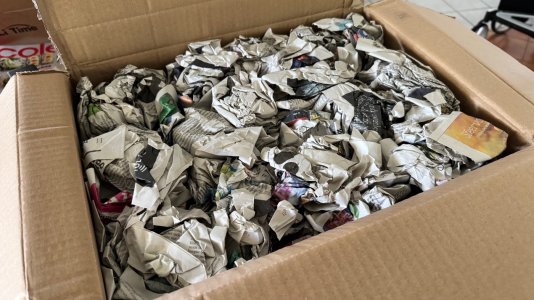
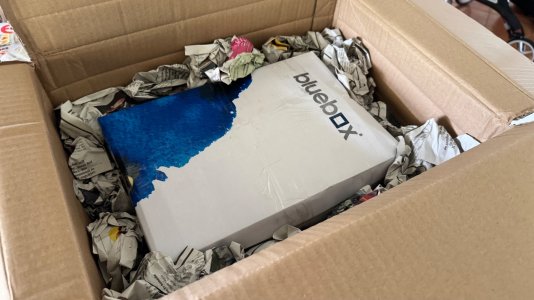
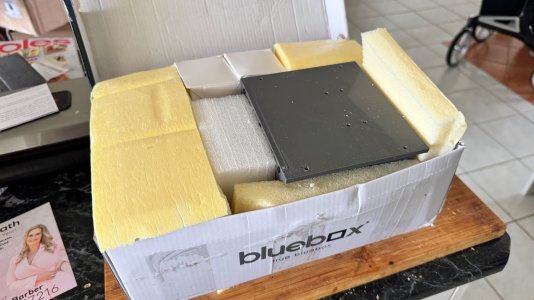
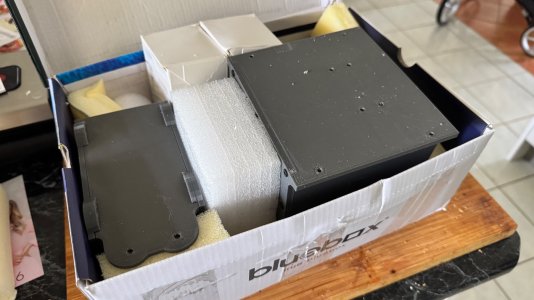
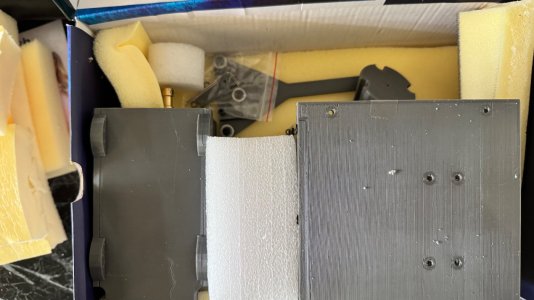
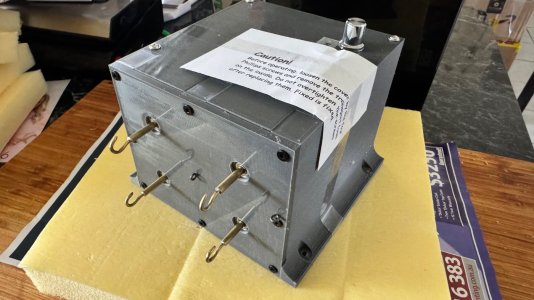
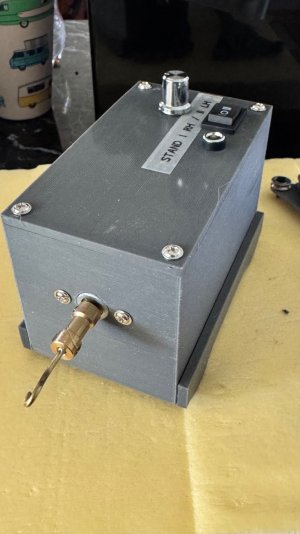
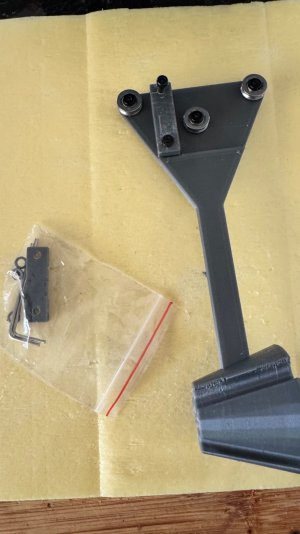
The rope walker has arrived. Very well packaged.
Looks great. Plans are to clear out a storage room to make way for the rope walker, than purchase the required parts, such as the 2mm stainless wire. A friend is going to help me set this up next Thursday.
- Joined
- Jun 2, 2025
- Messages
- 345
- Points
- 238
I’ll probably will end up selling the PL4. It all depends on how well Steef66 rope walker makes the thinner ropes.
If it does a great job on the thinner ropes. There is no point owning both.
If it does a great job on the thinner ropes. There is no point owning both.
you are determined. i was surprised to see you give up on the pl model so quickly. it seemed like the ultimate rope walk.
im still stuck looking for threads. i went to hobby lobby but their wide selection just doesnt have what im looking for in the colors i want. ive got the same problem at michaels (they bought out joann's) and the threads they have are limited as well. i just hate mail order but it seems the only alternative. for now, im goint to finish my clipper with what ive got.
im still stuck looking for threads. i went to hobby lobby but their wide selection just doesnt have what im looking for in the colors i want. ive got the same problem at michaels (they bought out joann's) and the threads they have are limited as well. i just hate mail order but it seems the only alternative. for now, im goint to finish my clipper with what ive got.
- Joined
- Jun 2, 2025
- Messages
- 345
- Points
- 238
I wouldn’t say I gave up on the PL4. It’s just not suitable for me. The bobbins are to limiting for what I want to do. I tried again making 1.5 and above rope and they don’t look as good as the thinner ropes and the bobbins don’t hold enough line to make the thicker ropes.you are determined. i was surprised to see you give up on the pl model so quickly. it seemed like the ultimate rope walk.
im still stuck looking for threads. i went to hobby lobby but their wide selection just doesnt have what im looking for in the colors i want. ive got the same problem at michaels (they bought out joann's) and the threads they have are limited as well. i just hate mail order but it seems the only alternative. for now, im goint to finish my clipper with what ive got.
And as you mentioned the suggested thread is not available in Australia. I’ve tried a few. And can’t get the right colours here in Australia.
I ended up buying 30km of Gutterman E Thread from ropes of scale at Canada. In various colors and thickness
I’m not lacking room. I have plenty of space to setup the rope walker.
- Joined
- Aug 8, 2019
- Messages
- 5,874
- Points
- 738
Here in the Netherlands, we have the same problem obtaining the right threads. It seems that Gutermann Skala or E are only available in all colors in the United Kingdom. In the rest of Europe, they are very difficult to obtain. So we also have to pay a lot in shipping costs and import duties, as the United Kingdom is no longer part of the European Union.

- Joined
- Jul 27, 2021
- Messages
- 687
- Points
- 403

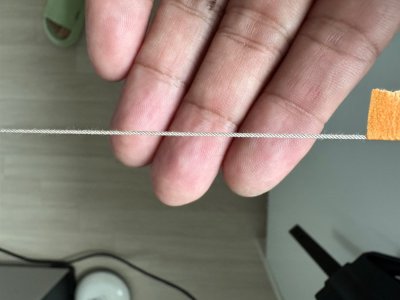
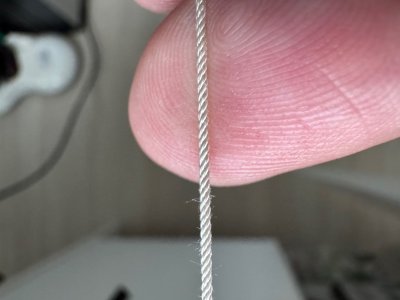
I had a lot of problems too to get all the threads I wanted 4 years ago, it's even harder now, and I only got the very big spules. But I will never in my life need to get thread anymore, haha. It's lots more the on the image already :-D

- Joined
- Jun 2, 2025
- Messages
- 345
- Points
- 238
Looks perfect to me.Even 4 strand rope is positie on this machine. You only need a core thread.
This is a result one of my buyers send me with Mara 150. 4 strands with a core of mara 150.
View attachment 582774View attachment 582775
I’ve got some Mara 120
Last edited:

To use it properly, you’ll need to wind your own bobbins, and realistically that means having access to a sewing machine. Hand-winding just isn’t practical if you want even tension and decent capacity. It’s not difficult, but it is another piece of equipment you need to factor in.
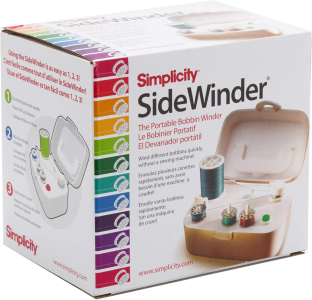
Problem solved. Twenty-five bucks from Amazon. Works just fine. https://www.amazon.com/Simplicity-Sidewinder-Portable-Bobbin-Winder/dp/B004AGX2HI?th=1
- Joined
- Jun 2, 2025
- Messages
- 345
- Points
- 238
I purchased that very unit. It was useless. I returned it. When I returned the winder the store told me that they had many return for a refund for the same reason:Problem solved. Twenty-five bucks from Amazon. Works just fine. https://www.amazon.com/Simplicity-Sidewinder-Portable-Bobbin-Winder/dp/B004AGX2HI?th=1
View attachment 582970
It’s weak. There is not enough power to wind the thread on with the correct tension. Winds on to the bobbin to loose
best bobbin winder is the sewing machine. its fast and tension is always even.
- Joined
- Jun 2, 2025
- Messages
- 345
- Points
- 238
You can purchase a second hand sewing machine cheaper than the winder shown
- Joined
- Jun 2, 2025
- Messages
- 345
- Points
- 238
Hello all. Sorry it’s been so long since my last post.
I been busy making room for the rope walker and rearranging some excess gear taking up room.
In the next day or two. I will be setting up the rope walker on this wall pictured. It will be 4 meters long. The room its self is some 7 meters long. The last 3 meters is used up with shelf’s.
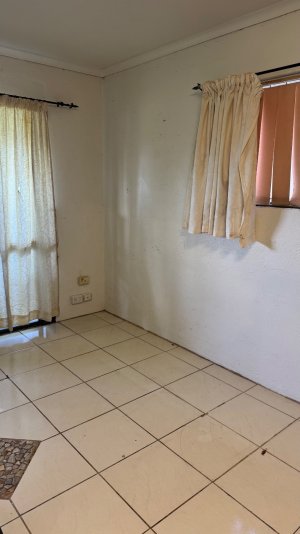
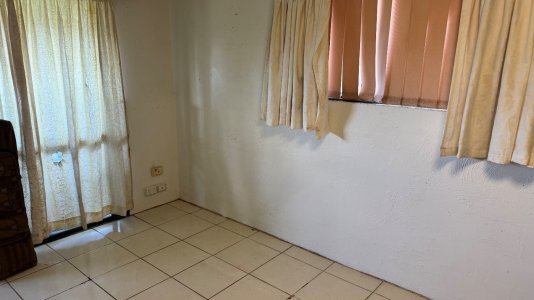
I been busy making room for the rope walker and rearranging some excess gear taking up room.
In the next day or two. I will be setting up the rope walker on this wall pictured. It will be 4 meters long. The room its self is some 7 meters long. The last 3 meters is used up with shelf’s.
- Joined
- Jun 2, 2025
- Messages
- 345
- Points
- 238
Progress is slow but it’s slowly getting setup.
Today with help by my mate we setup a bench for the rope walk.
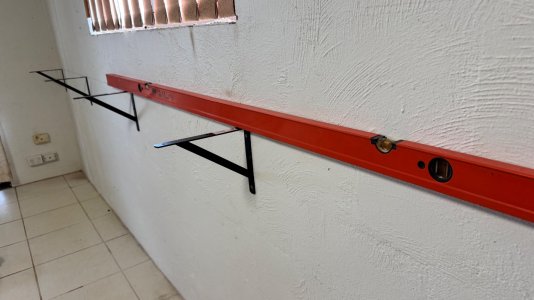
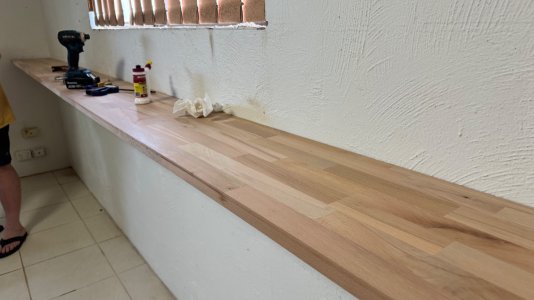
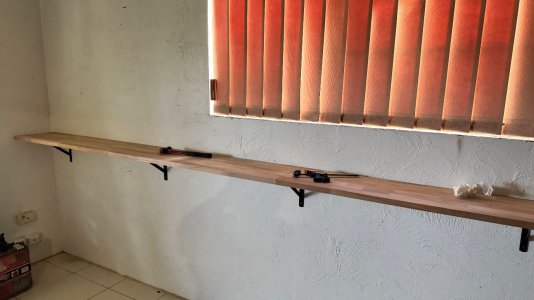
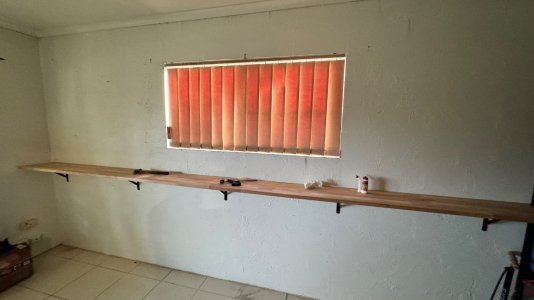
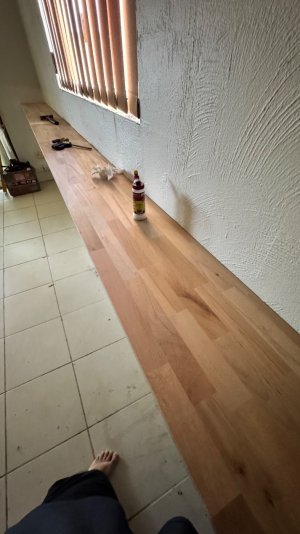
Today with help by my mate we setup a bench for the rope walk.
i like the counter top material. where did you get it?
oops retraction... i didnt realize you are in Australia. nice looking counters though.
oops retraction... i didnt realize you are in Australia. nice looking counters though.
Last edited: