

• Win a Free Custom Engraved Brass Coin!!!
    As a way to introduce our brass coins to the community, we will raffle off a free coin during the month of August. Follow link ABOVE for instructions for entering.
  • PRE-ORDER SHIPS IN SCALE TODAY!

    The beloved Ships in Scale Magazine is back and charting a new course for 2026!
    Discover new skills, new techniques, and new inspirations in every issue.

    NOTE THAT OUR FIRST ISSUE WILL BE JAN/FEB 2026

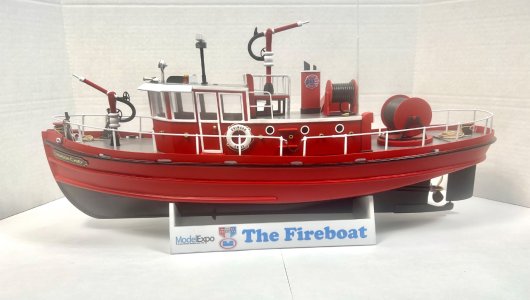
Midwest Fireboat

It’s been a while since my last update on the Fireboat build, so I’m happy to finally share what I’ve been working on.

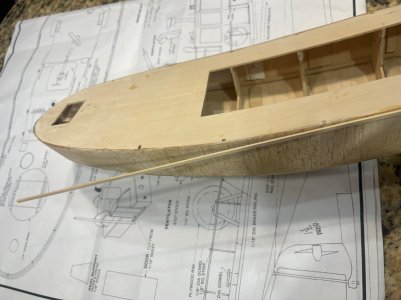
Let me pick up the build right after I finish planking the hull, and gluing the rub rail.
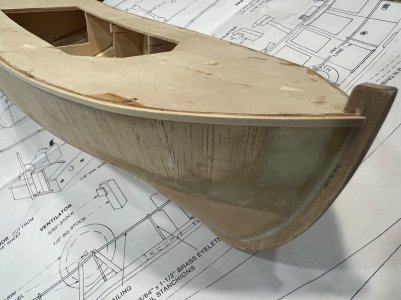
I came to realize that I had cut off all of the frame horns.
1.jpeg

2.jpeg

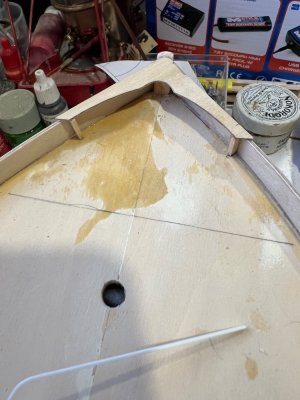
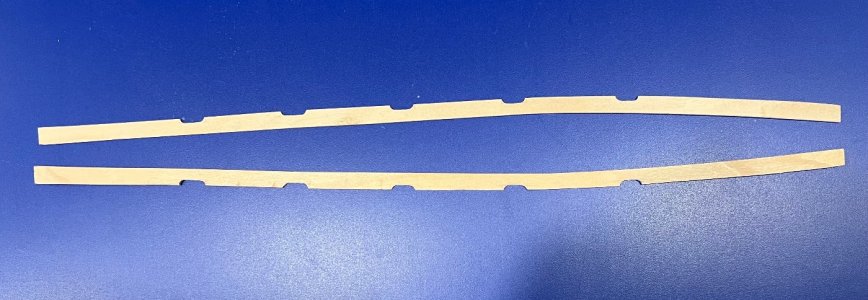
But every cloud has a silver lining. That mistake turned out to be a blessing in disguise, as it led me to design a new toe rail with improved scale appearance. This revised toe rail will be included in the updated kit.

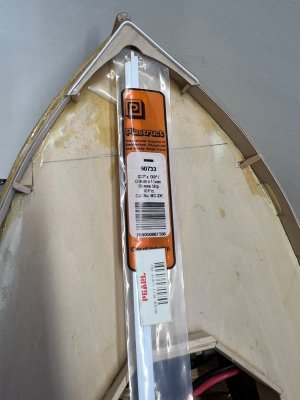
The original instructions specify a 1/16" × 1/4" strip glued around the perimeter of the deck. After evaluating the scale appearance, I found this approach visually heavy, so I redesigned the toe rail using 1/16" plywood. The new design also incorporates five scuppers, improving both scale accuracy and overall realism.


3.jpeg

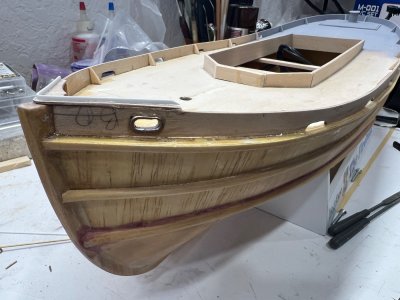
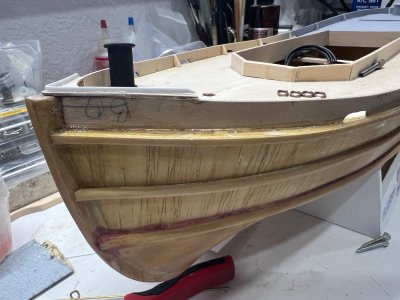
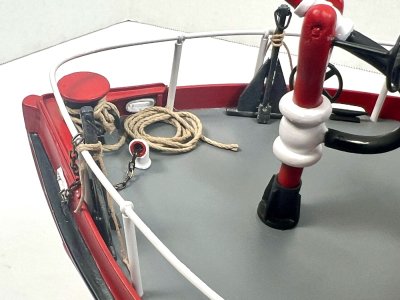
After the toe rail was in place I added the rail stanchions and also elaborated the bow and scratched built the hawsepipe.
6.jpeg

7.jpeg
8.jpeg
9.jpeg
 
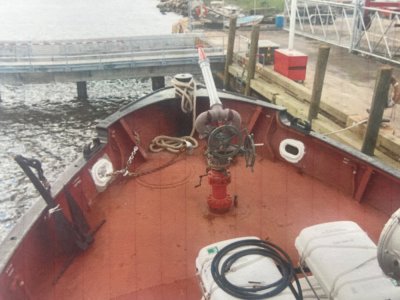
Maybe you guys notice how I reworked the bow to improve its scale accuracy and overall realism, using photos of the full-size vessel as reference. The modifications were made to refine the bow profile and achieve a more authentic, ship-like appearance.
10.jpeg

11.jpeg

12.jpeg

13.jpeg

14.jpeg

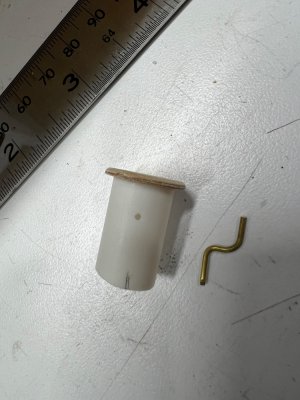
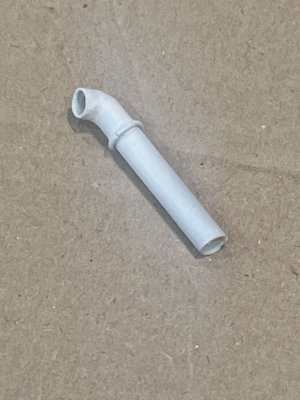
I also managed to convince a piece of styrene tubing to become something that actually resembles a deck hawsepipe.
15.jpeg

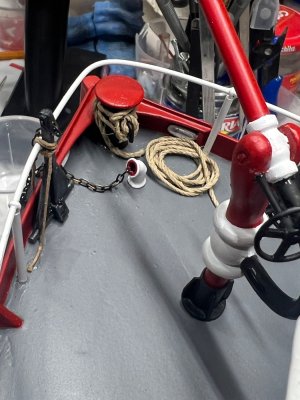
Final results. After proper adjustments and several “step-back inspections,” it turned out better than expected.
15.jpeg
 
Last edited:

Priming and Prepping​

Many of our fellow modelers have their own preferred methods for achieving a good finish. In my case, I’m always experimenting with new techniques and different types of paint.

For those following along—and especially for newer modelers who may use this thread as a reference—I wanted to document the painting prep steps used on this build. A link to this thread will also be added to the model instructions, so having this process clearly laid out felt important.

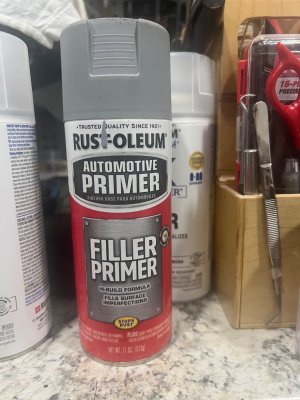
I started by sanding the entire hull with 220-grit sandpaper. After that, I applied a single light coat of Rust-Oleum Automotive Primer. This was my first time using this product, and I was very impressed—it worked wonderfully to fill small gaps and minor surface imperfections.

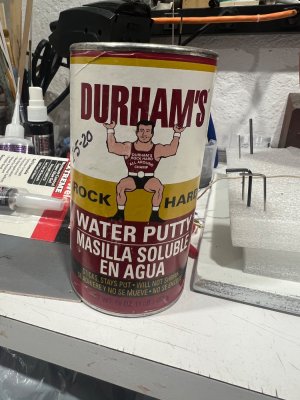
Once the primer dried, I block-sanded the hull again to reveal the high and low spots. These were filled using a product many of us are already familiar with: Durham’s Water Putty. It dries quickly and is very easy to sand, making it ideal for this stage.

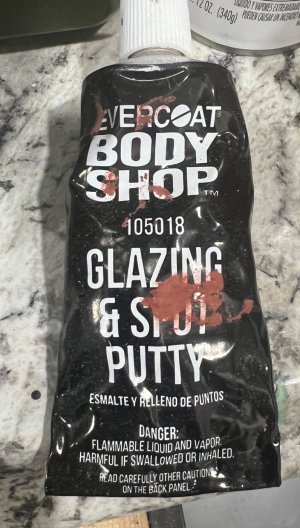
After another fine sanding, I addressed the remaining small imperfections with Evercoat 105018 Glazing Putty. I then applied one last, heavier primer coat, which was smoothly sanded with 400-grit sandpaper.

At this point, the surface was exactly where I wanted it—and the model was finally ready for the top coats.
1.jpeg

2.jpeg

3.jpeg
 

Top Coats​

This model required four colors: red, white, black, and gray.

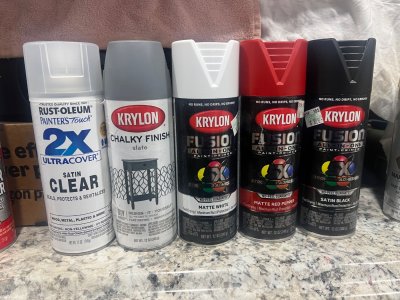
For this project, I used Krylon FUSION All-in-One spray cans—also for the first time—and I was very pleased with the results. For the deck, I chose Krylon Chalky Finish (gray), which gave it a nicely scaled, non-slip appearance.

Three coats of paint were applied to the model, lightly sanding between each coat and allowing proper drying time before applying the next.

Once all the colors were applied and fully cured, I sealed the entire model with Rust-Oleum 2X Satin Clear. This clear coat really enhances the smooth, finished appearance without adding excessive shine.
In my opinion, it does an excellent job of replicating the naturally dull, work-boat finish seen on many real vessels.

4.jpeg
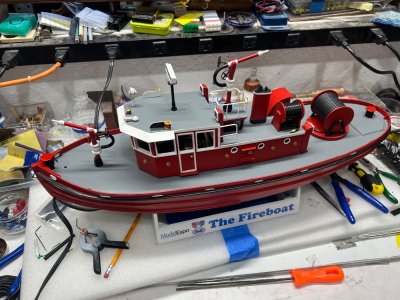
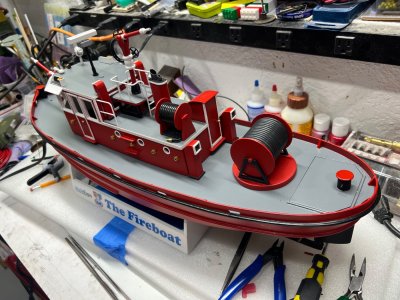
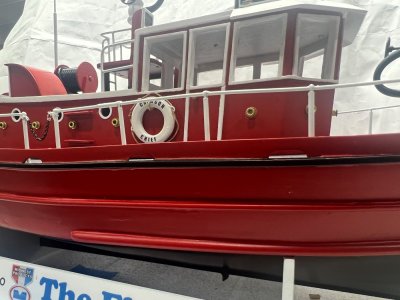
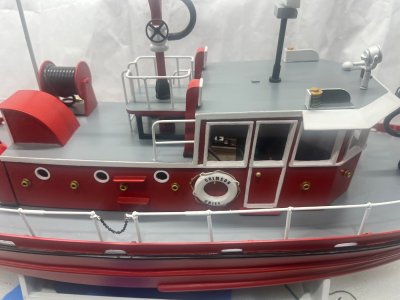
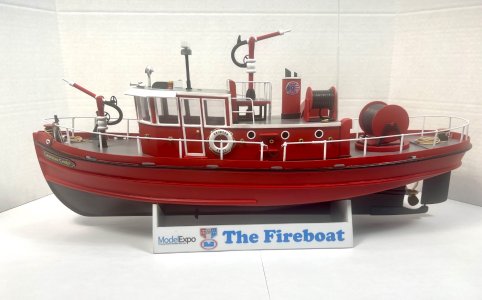
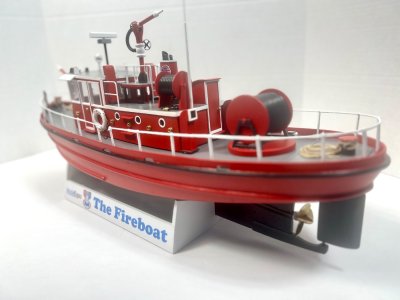
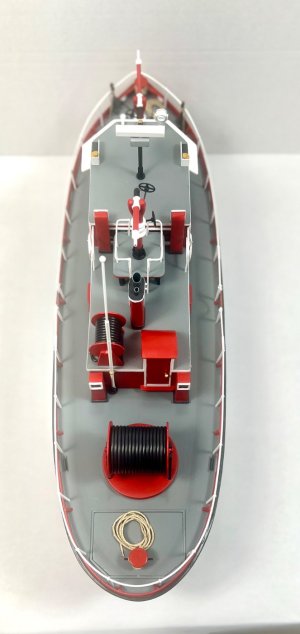
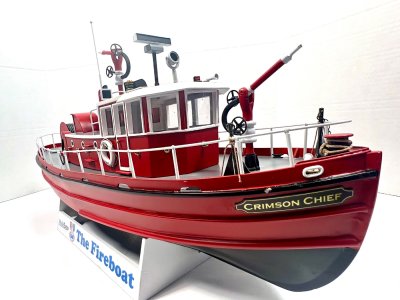
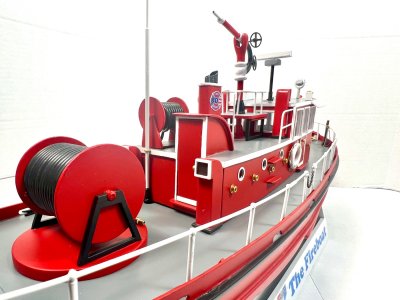
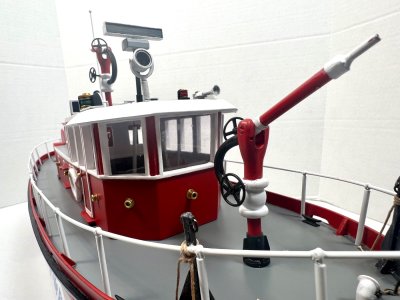
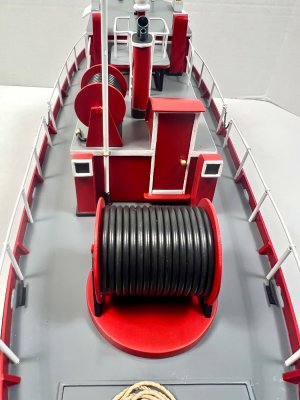
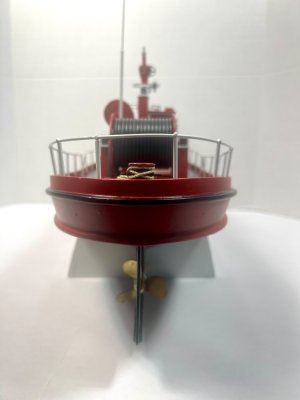
This is the final result.
I will post better and more detailed photos later on.
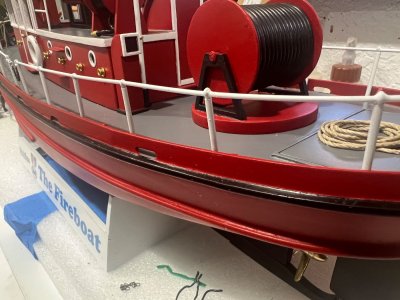
As you can see, the rails, life rings, nameplates, electronics, antenna and a few other final details are still missing.

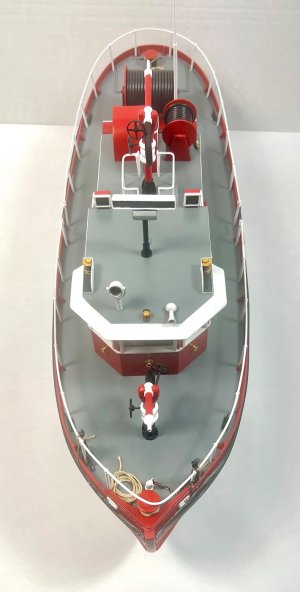
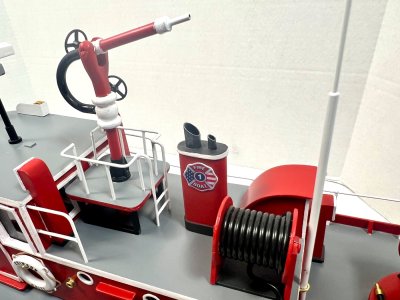
Another detail worth mentioning is the horn position. According to the blueprint, it was supposed to be mounted on the rear section of the roof, but once again I didn’t fully agree with that concept and decided to place it up front instead. I think it works much better visually and functionally.

I also experimented with the recommended antenna arrangement suggested in the kit, adapting it slightly to better fit the overall look and layout of the model.

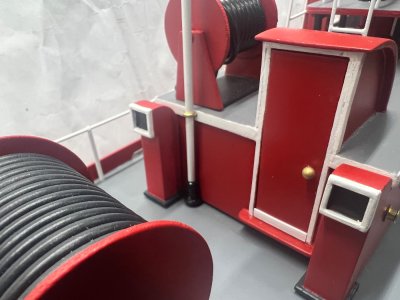
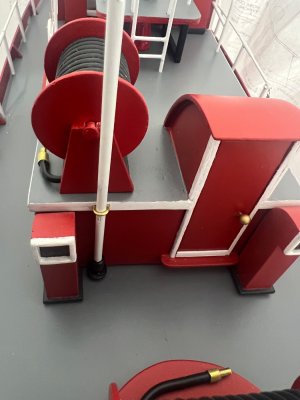
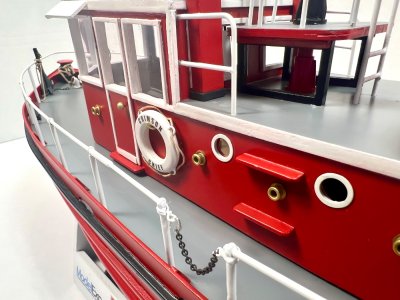
I’m especially pleased with the look of the added trims around the windows and doors—painting them white really made those details pop and added a crisp, clean finish to the overall appearance.
5.jpeg

6.jpeg
 
Last edited:
Nice paint job! Making wooden hull and topside structure look like steel planting is often not well done leaving everything looking like what it is- painted wood. Your’s looked like painted steel.

Roger
 
Nice paint job! Making wooden hull and topside structure look like steel planting is often not well done leaving everything looking like what it is- painted wood. Your’s looked like painted steel.

Roger
Thank you, Roger, for your kind words.
Red and black are two colors that have consistently caused me the most difficulties, mainly due to their sensitivity to surface preparation and their tendency to reveal imperfections.
Additionally, combining primers and topcoats from different manufacturers often introduces compatibility issues such as lifting, poor adhesion, or uneven curing. Fortunately, in this build the problems were manageable, but the process was still technically challenging.
 
Building the Railings
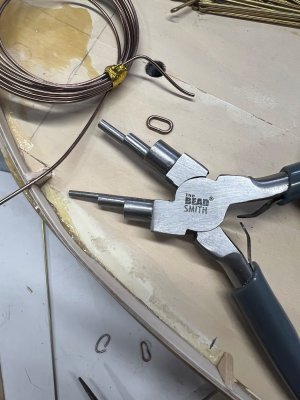
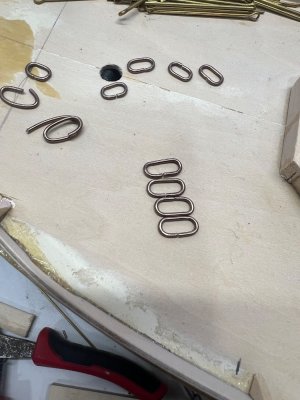
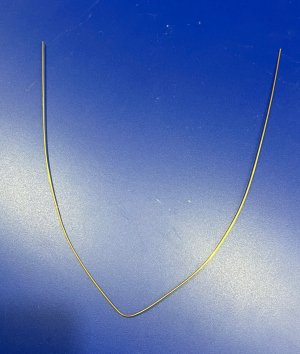
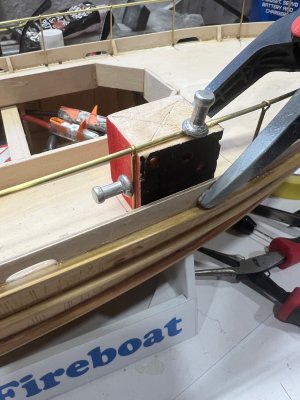
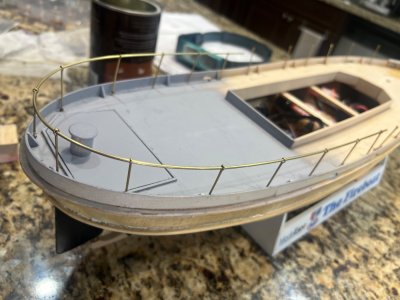
After finishing the main structure of the model, it was time to add the stanchions and railings. I started by bending the upper railing sections to shape, carefully following the contours of the deck and superstructure.
1.jpeg
2.jpeg

Then I measured and marked the exact locations where the railing stanchions would be installed, making sure to maintain proper spacing for the scuppers.

A piece of scrap balsa was cut to the required height and used as a simple soldering jig to ensure all stanchions were soldered at a consistent height and remained square during assembly.

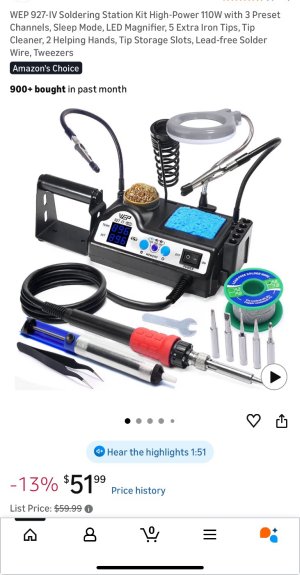
For this build, I also purchased a new soldering gun from Amazon, which provided excellent temperature control and precision, making it particularly well suited for soldering small brass components such as the railings.

12.jpg

3.jpeg

4.jpeg

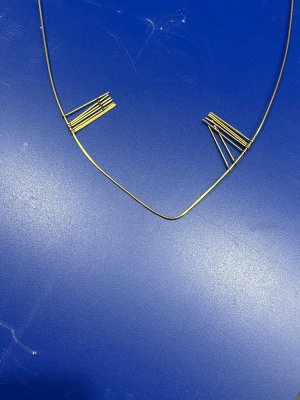
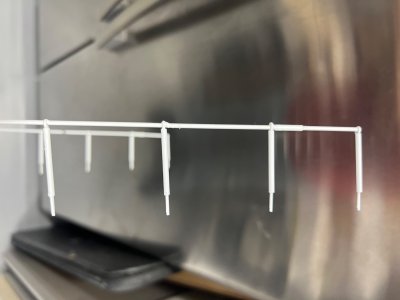
By this stage, my critical eye was not satisfied with the appearance of the stanchions (split pins). The visible double legs detracted from the realism of the railings, so I decided to come up with an alternative solution.

Split Pin Sleeves​

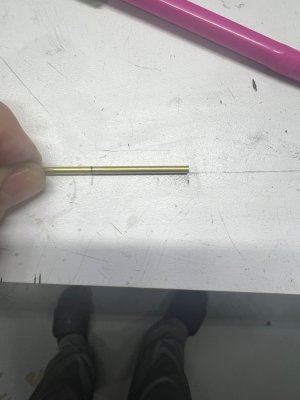
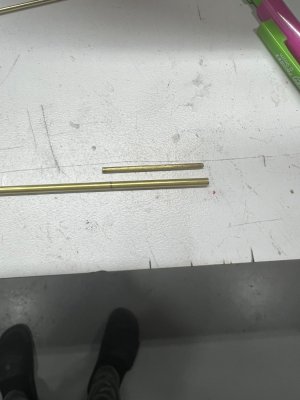
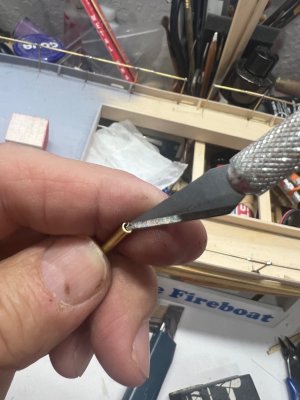
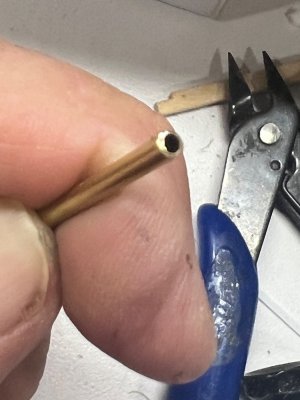
I marked the required sleeve length directly on my work table and transferred those measurements to the material using a pencil. To prevent crimping or deformation while cutting, I inserted a solid rod into the tubing to support the inner diameter and maintain its shape during the process.
5.jpeg

5a.jpeg

Insert the tube with the rod into the drill chuck until the pencil reference mark is visible at the tip of the chuck, then secure it firmly. Rotate the drill at low speed and use a box cutter to score and cut the tube evenly around its circumference.

The following video shows the process:
https://www.youtube.com/playlist?list=PLTYu7fmeVuHhiHLTrvBx8zZkUNt6DTWm8&jct=hE15LvPZ_kIffgZdUGydGA

After cutting, I deburr the edges, slide the tubes through the split pins, and glue them together. Once all sections are assembled, I apply primer and finish with white paint.

9.jpeg

8.jpeg
10.jpeg

11.jpeg
 
Nice work as usual. In my shop the telescoping K&S brass tubing is an essential model building material. It is available in sizes (outside diameter) as small as 1/32 inch.

Roger
 
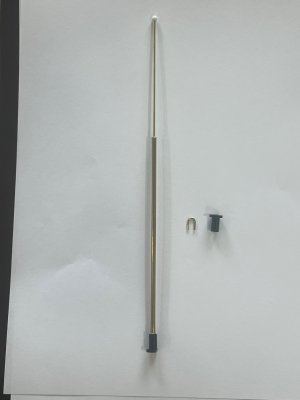
Antenna According to the Plans

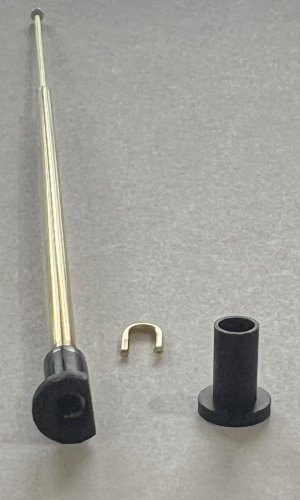
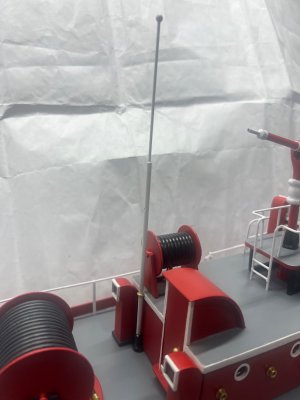
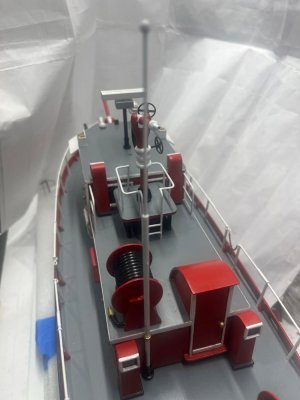
This is a purely decorative item, and the plans allow it to be assembled in two different ways. The instructions call for a 1/8" wooden dowel combined with a 1/16" rod.

I decided to go a different route and used brass tubing instead, which I think gives it a cleaner, more realistic look.

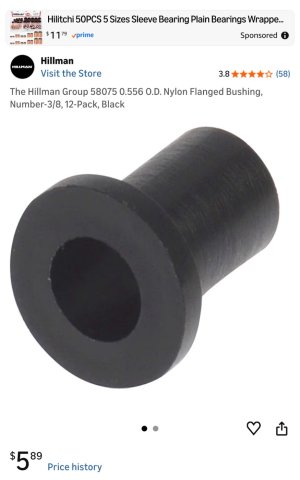
One small detail I incorporated—both for the fire monitors and the antenna bases—was using different sizes of Hillman flange bushings. They worked perfectly and added a nice, finished appearance.

1.jpeg
2.jpeg

3.jpeg

5.jpeg

4.jpeg

IMG_0918.jpeg

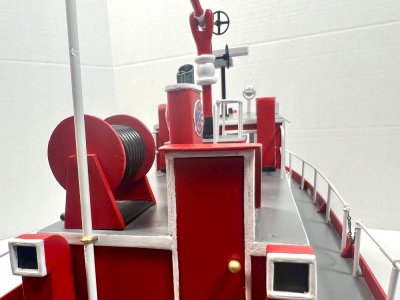
As shown here, the antenna was intentionally positioned off center. Once the roof monitor was permanently installed, its spray axis aligned toward the vessel’s centerline. A centered antenna would have interfered with the projected water stream.

Offsetting the antenna eliminated this conflict while maintaining proper scale appearance and functionality. Overall, I’m satisfied with the final placement and visual balance.

7.jpeg


Nice work as usual. In my shop the telescoping K&S brass tubing is an essential model building material. It is available in sizes (outside diameter) as small as 1/32 inch.

Roger
Thanks, Roger!
I always prefer using brass tubing instead of dowels whenever the model allows.
it just works better for me.
 
Last edited:
Life Rings

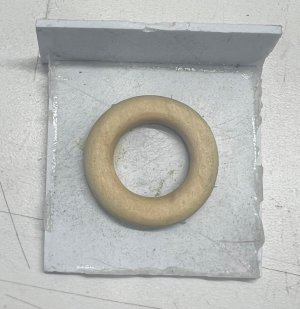
The next small detail was the life rings. I ran into an issue here because the original model—purchased from M.E. (Model Expo) and later given to me, was missing these parts. I didn’t want to use aftermarket replacements, as they would not be to the correct scale for this model.

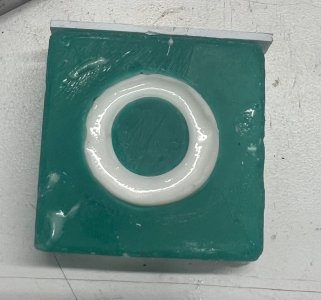
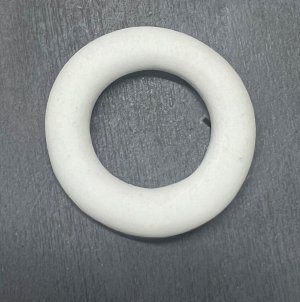
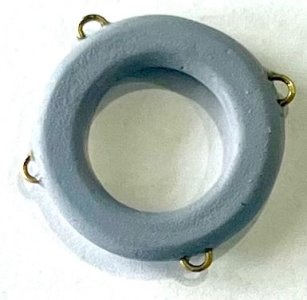
To resolve this, I fabricated a master plug, encased it, and produced a mold. The life rings were then cast using white casting resin, resulting in parts that matched the required dimensions and appearance.

For future modelers purchasing this kit, there’s no need for concern—these parts will be included in the new production kits.

Below is a series of photos showing the process used to accomplish this task.

1.jpeg

2.jpeg

3.jpeg

4 2.jpeg

5 2.jpeg

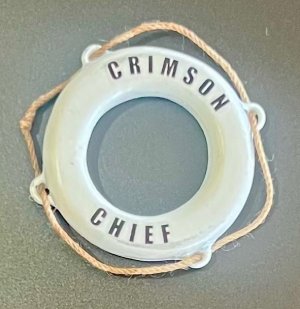
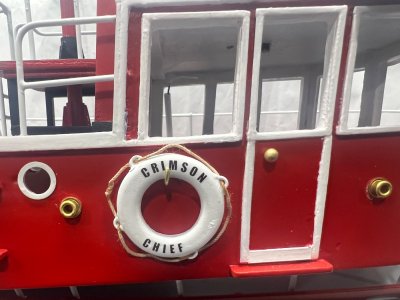
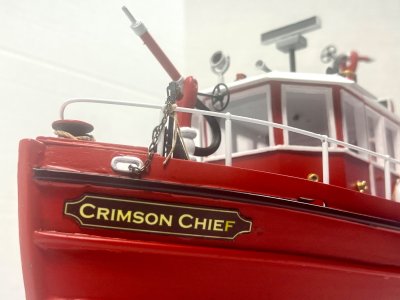
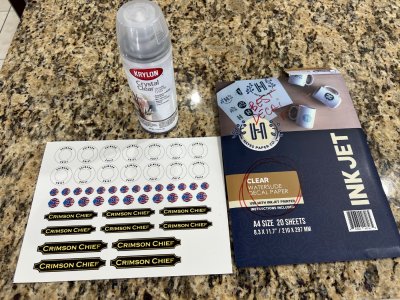
After the rings were primed and painted flat white, I created a digital file to add the name plate and the vessel name around the life rings. Below is the material I used for this process.

One funny thing happened while I was analyzing the size of the blueprint rings, I noticed that the name read “City of Bath.” That got me curious, so I went looking to see if the City of Bath actually had a fireboat. To my surprise, they don’t.

So, with that discovery, I decided to create one and named it “Crimson Chief.”

6.jpeg

7.jpeg

8.jpeg

9.jpeg

10.jpeg
 
Last edited:
Of course Gravman, the model is fully operational. Although the monitors are fixed in one position only.
 
Last edited:
The Electronics

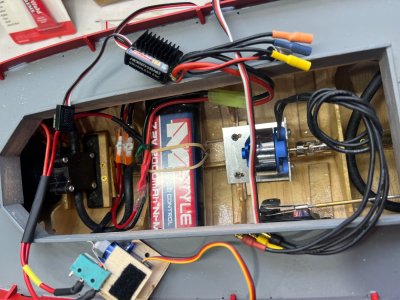
I’ll be the first to admit that I’m no R/C electronics expert. This is only my third boat that actually floats and works. There’s still plenty for me to learn about batteries, wiring, fuses, switches, transmitters, and receivers.

Some of you seasoned builders might get a chuckle out of my setup, but it works—and that’s a win in my book. Most importantly, the smoke stayed inside the wires, so I’ll call that a success. Everything here represents the best I could do with the knowledge I’ve picked up so far, mainly from reading and learning from other modelers.

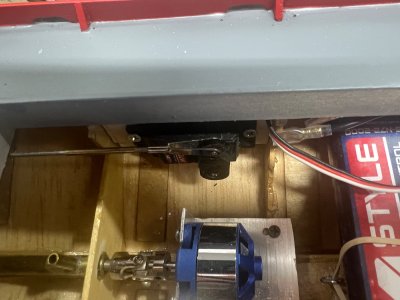
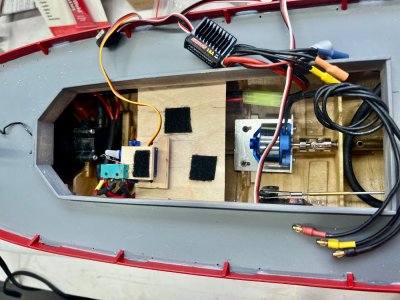
This first image shows an automotive windshield-wiper washer pump repurposed for the build, the side-mounted rudder servo installation, and a brushless tug motor from Zippkits.

1.jpeg

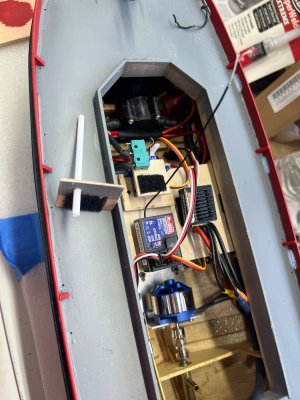
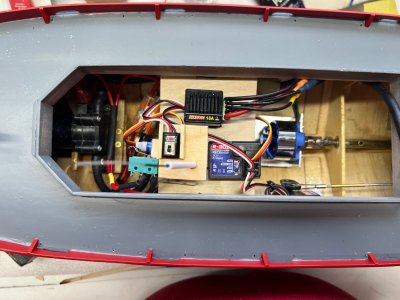
Due to the very limited space, the heaviest component (the battery) was installed low in the hull to keep the center of gravity down. An upper wooden mounting platform was then added and secured with Velcro. This platform will hold the speed controller, water-pump switch, main on/off switch, and the antenna, all mounted using Velcro for easy access and servicing.

2.jpeg


3.jpeg

4.jpeg

5.jpeg

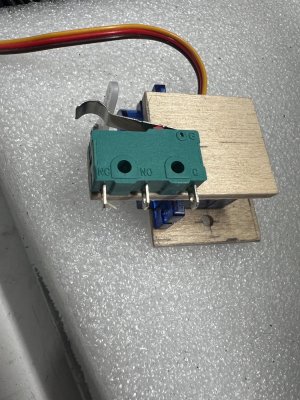
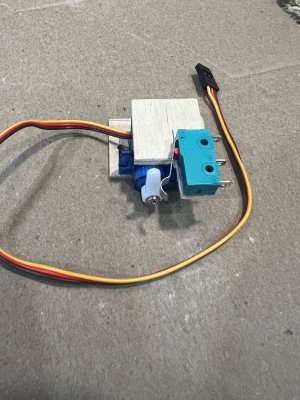
This is a compact assembly I fabricated using a mini switch and a mini servo to conserve space within the hull and to activate the water pump for the fire monitors.
The assembly was constructed by cutting two thin pieces of plywood to size and gluing them to the top and bottom of the mini servo.
The switch itself is Velcro-mounted for easy removal and servicing.
It may look crude, but it works well for my application.

7.jpeg

6.jpeg
 
I know nothing about RC. But if your’s works, that’s all that it has to do. Experienced or not it appears that you have assembled a neat miniature RC system. Well done!

Roger
 
Ok that settles it. I could never show you the inside of my boats. Your set up is ship shape. My set up looks like it was done by a raccoon, with a hangover. Nifty set up for the pump switch.
 
Back
Top