- Joined
- Nov 13, 2025
- Messages
- 229
- Points
- 113

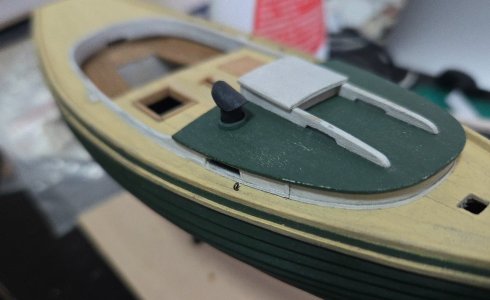
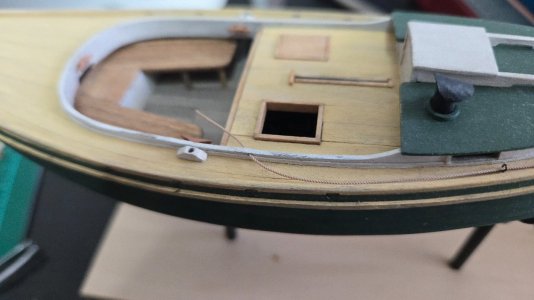
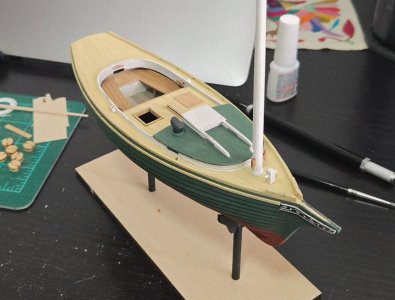
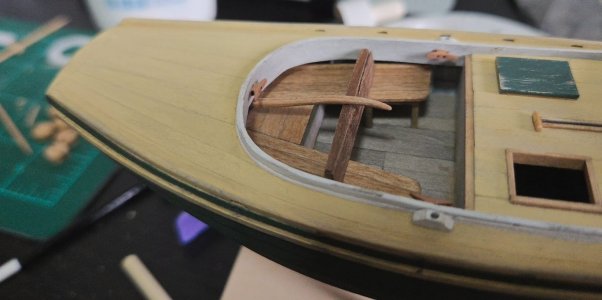
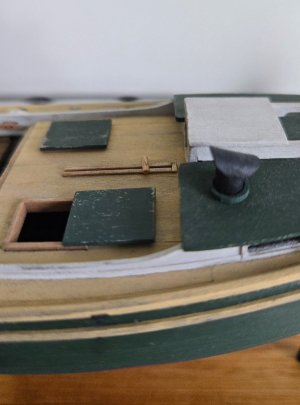
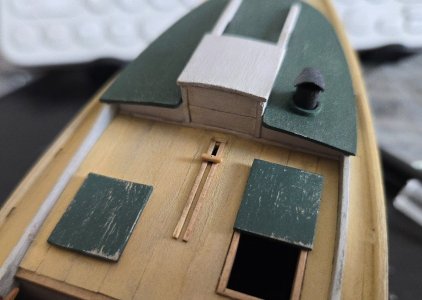
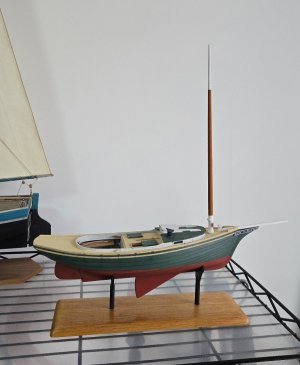
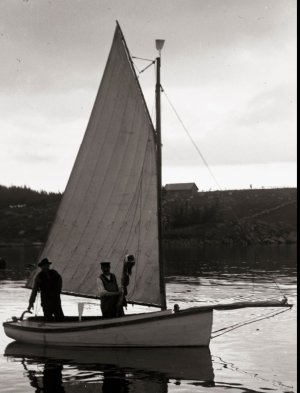
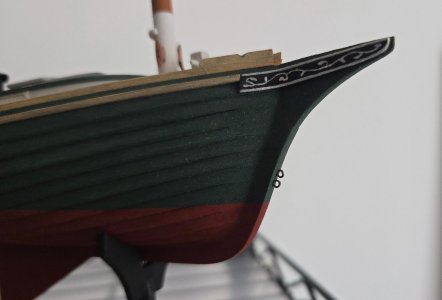
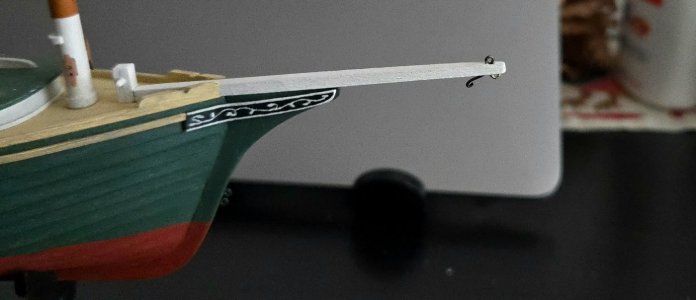
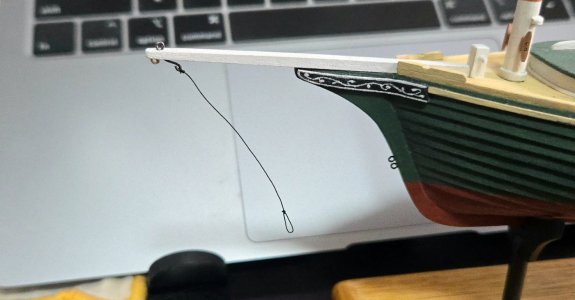
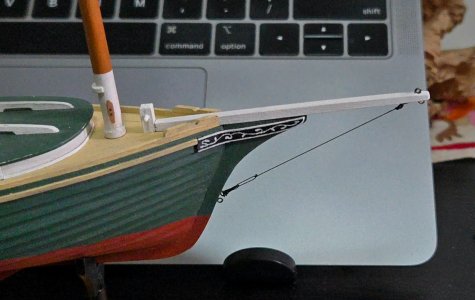
Most of my models have used basswood, with some exceptions. My Bateau de Lanvéoc is in alder, my NRG Capstan build is an experimental piece trying out a lot of different woods (alder, cherry, walnut, manzanillo, xochicuahuitl, and basswood), and my Trajinera was in balsa.
My experience has been that modeling wood, and indeed dimensioned lumber in sizes useful for modeling, is hard to get here. There's a craft supply chain here that is the only place I've found that carries basswood, but only in 1/16-inch thick sheets; they have more variety of balsa, hence why I used it on the trajinera. Most of my modeling wood has been brought from the US in my suitcase.
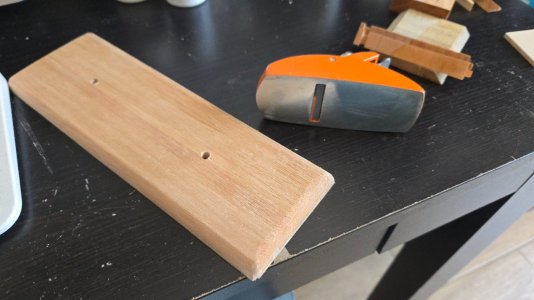
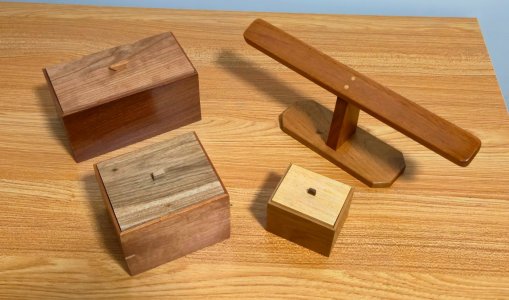
Interestingly, while Mexico City is not a good location to buy wood (almost nothing but pine, and nicer woods are very expensive), once you leave the city you can find a lot more, although it's very area-dependent as it's usually local stuff. That said, most of what I've found has been more useful for my other woodworking projects than for modeling. Xochicuahuitl (Spanish Elm) is beautiful but grainy, fairly week, and splits very easily. Manzanillo seems ok, although the grain is a little prominent, but may have some issues with toxicity. Parota is beautiful but has really prominent grain. Spanish Cedar and mahogany are very nice but, again, grain is a bit prominent. So, although I want experiment in some upcoming builds, I will probably be sticking more to basswood, alder, and cherry.
Of the woods I've used, I found balsa too soft and crumbly to be very useful. Alder is pretty nice to work with, so far, although maybe it's a little on the soft side. Cherry seems pretty nice, from what I've seen.
But basswood is probably going to be what I use most going forward. It's extremely easy to work, including just with an exacto knife, the grain is very even, and it takes paint well. I also think the pale even color can be quite nice. It has some disadvantages. Some can be dealt with easily--painting it tends to raise the grain, but you can just sand a little more between coats to smooth it out. Others are more serious: it's not great for carving tiny detailed pieces, and because it's not very strong, I'd be worried about it breaking if used for the frames in a framed model. But I think it's a great option for a lot of uses.
My experience has been that modeling wood, and indeed dimensioned lumber in sizes useful for modeling, is hard to get here. There's a craft supply chain here that is the only place I've found that carries basswood, but only in 1/16-inch thick sheets; they have more variety of balsa, hence why I used it on the trajinera. Most of my modeling wood has been brought from the US in my suitcase.
Interestingly, while Mexico City is not a good location to buy wood (almost nothing but pine, and nicer woods are very expensive), once you leave the city you can find a lot more, although it's very area-dependent as it's usually local stuff. That said, most of what I've found has been more useful for my other woodworking projects than for modeling. Xochicuahuitl (Spanish Elm) is beautiful but grainy, fairly week, and splits very easily. Manzanillo seems ok, although the grain is a little prominent, but may have some issues with toxicity. Parota is beautiful but has really prominent grain. Spanish Cedar and mahogany are very nice but, again, grain is a bit prominent. So, although I want experiment in some upcoming builds, I will probably be sticking more to basswood, alder, and cherry.
Of the woods I've used, I found balsa too soft and crumbly to be very useful. Alder is pretty nice to work with, so far, although maybe it's a little on the soft side. Cherry seems pretty nice, from what I've seen.
But basswood is probably going to be what I use most going forward. It's extremely easy to work, including just with an exacto knife, the grain is very even, and it takes paint well. I also think the pale even color can be quite nice. It has some disadvantages. Some can be dealt with easily--painting it tends to raise the grain, but you can just sand a little more between coats to smooth it out. Others are more serious: it's not great for carving tiny detailed pieces, and because it's not very strong, I'd be worried about it breaking if used for the frames in a framed model. But I think it's a great option for a lot of uses.