

- Joined
- Oct 22, 2018
- Messages
- 157
- Points
- 253

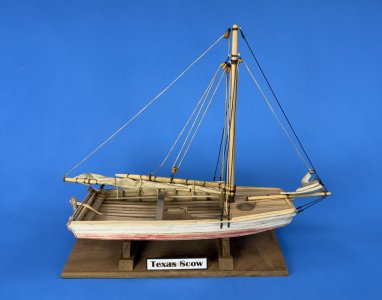
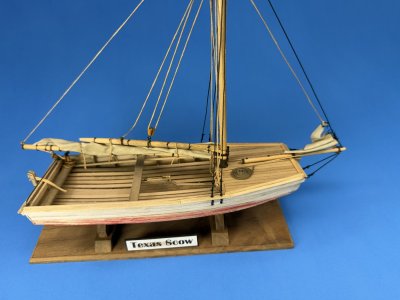
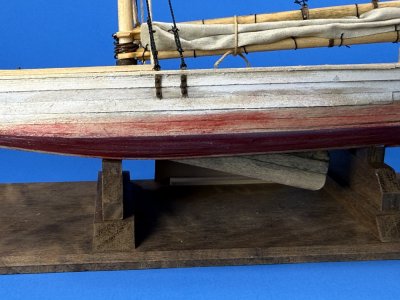
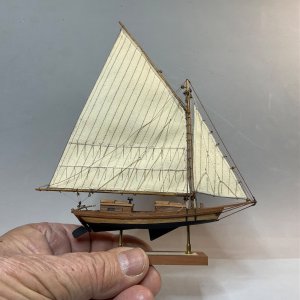
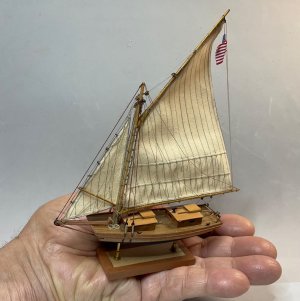
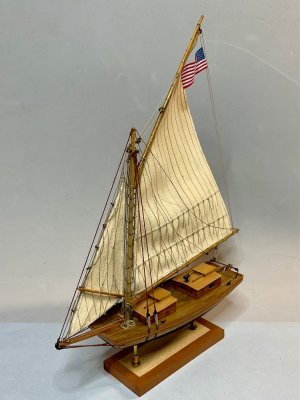
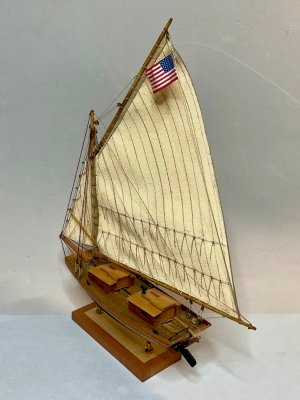
The scow sloops became popular on the Texas coast in the mid-19th century. The coastal waters of the Gulf of Mexico are rich in excellent oysters, shrimp, and various types of fish. To exploit the shallow waters of the local lagoons and bays, fishermen developed the Texas scow sloop, a vessel with a blunt bow and flat bottom. This feature, along with its shallow draft, made it easier to navigate the shallow coastal waterways and inland waters than other types of boats. By 1900, hundreds of them were operating in the bays between Galveston and Port Isabel.
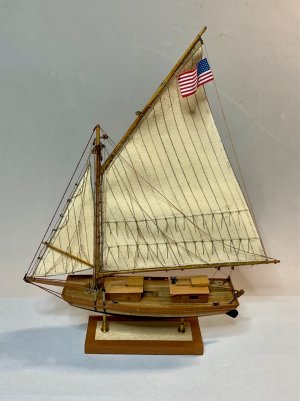
They were primarily used as agile fishing boats, as their ability to navigate in shallow waters made them an ideal choice for fishermen. Also, due to their lightweight design, cargo transport was another key use for these botas. In the 1950s, several factors contributed to the obsolescence of the scow sloop. Regional regulations, sport fishing lobbying groups, and the availability of car engines in small boats diminished the need for these vessels. Many of these boats were beached and left to rot in the sun. Others ended up in Mexico, where scow sloop boats are still used today.
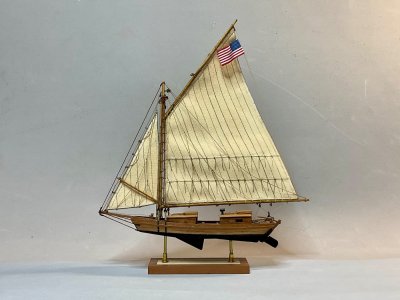
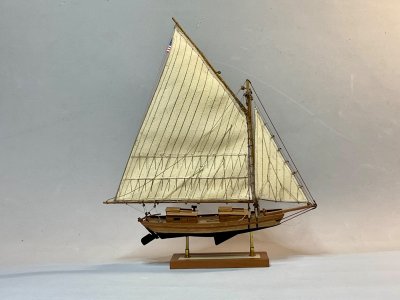
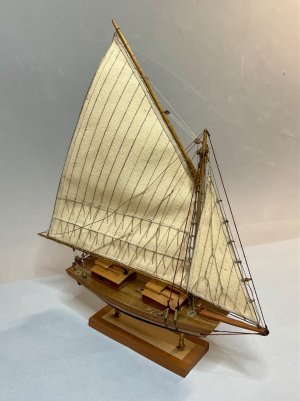
They were primarily used as agile fishing boats, as their ability to navigate in shallow waters made them an ideal choice for fishermen. Also, due to their lightweight design, cargo transport was another key use for these botas. In the 1950s, several factors contributed to the obsolescence of the scow sloop. Regional regulations, sport fishing lobbying groups, and the availability of car engines in small boats diminished the need for these vessels. Many of these boats were beached and left to rot in the sun. Others ended up in Mexico, where scow sloop boats are still used today.