
- Joined
- Mar 11, 2021
- Messages
- 73
- Points
- 88

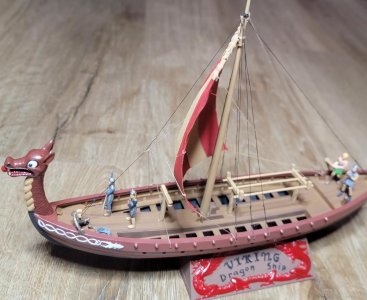
On the box it says 1:50, but measuring it will Reveall  it is really 1:60. That will later turn out to be very convenient by the way!
This thread won't be a complete build log. This is where I am at the moment:
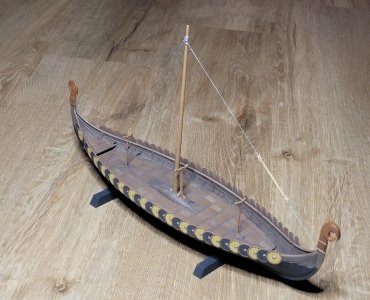
I wasn't planning to do this ship at all, but I wanted to do a better modelling of a sail, because I was happy, but not completely so with what I had made in this respect:
Vasa
Therefore I bought a very cheap kit, the (fantasy) Viking Drakkar from Směr to experiment with.
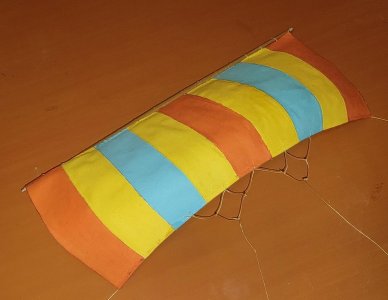
I didn't want to use paper again so I tried a cotton handkerchief, but it was not elastic enough.
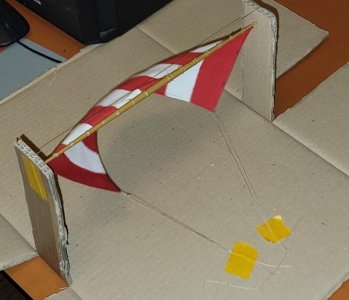
Therefore I could not get the sails to be neatly filled with the wind.
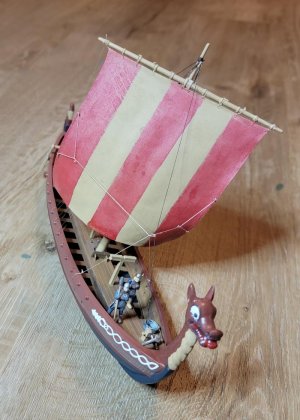
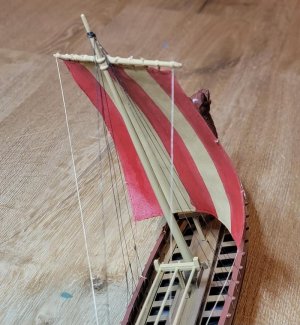
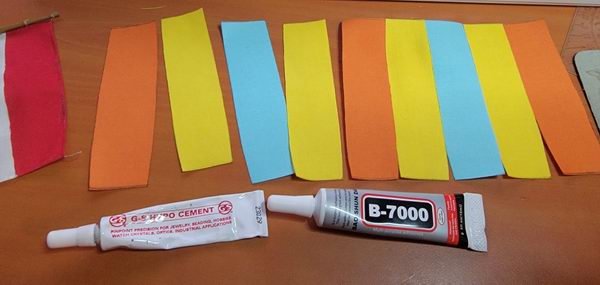
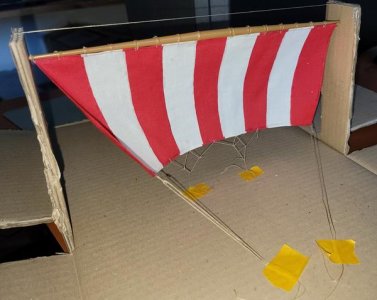
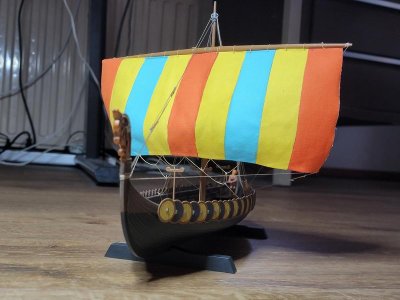
However, thanks to the red/ochre banding of the sail I could correct it without it being too conspicuous. Making incisions and glueing them together again gave me nearly the sought after shape.
(With hindsight, I should have made five bands to begin with and glue them together over the whole length, then it would be even better)
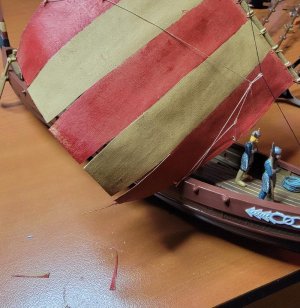
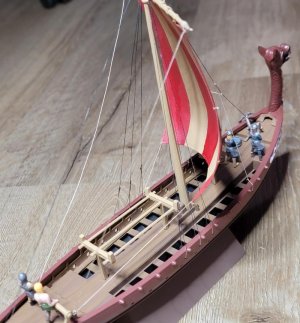
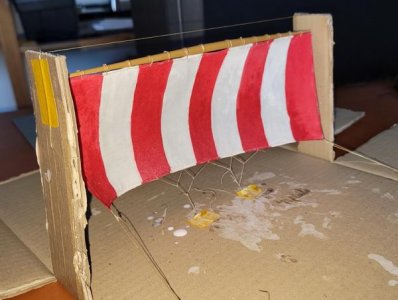
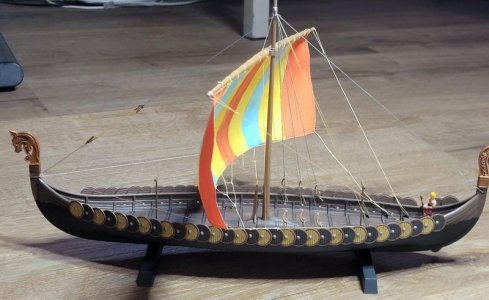
It is not completely faultless, but I can live with it. The sheets have the same direction as the sails at its lower corners.
Overall the shape is good, but the painted cotton material is too coarse for me.
it is really 1:60. That will later turn out to be very convenient by the way!This thread won't be a complete build log. This is where I am at the moment:
I wasn't planning to do this ship at all, but I wanted to do a better modelling of a sail, because I was happy, but not completely so with what I had made in this respect:
Vasa
Therefore I bought a very cheap kit, the (fantasy) Viking Drakkar from Směr to experiment with.
I didn't want to use paper again so I tried a cotton handkerchief, but it was not elastic enough.
Therefore I could not get the sails to be neatly filled with the wind.
However, thanks to the red/ochre banding of the sail I could correct it without it being too conspicuous. Making incisions and glueing them together again gave me nearly the sought after shape.
(With hindsight, I should have made five bands to begin with and glue them together over the whole length, then it would be even better)
It is not completely faultless, but I can live with it. The sheets have the same direction as the sails at its lower corners.
Overall the shape is good, but the painted cotton material is too coarse for me.
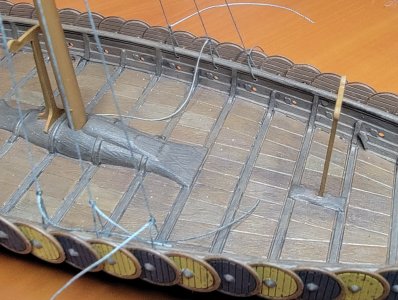
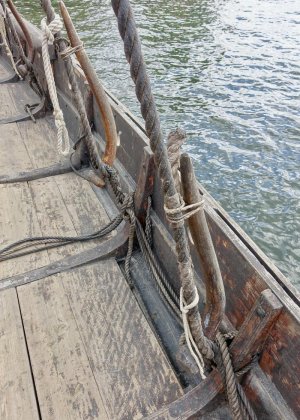
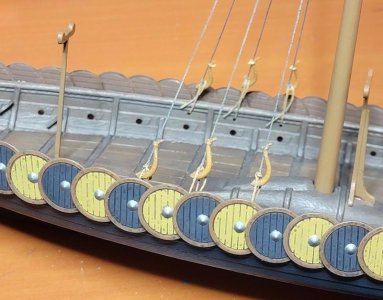
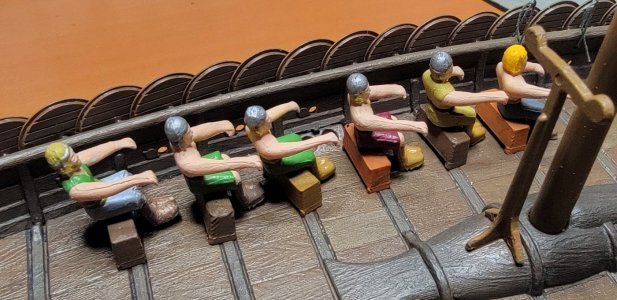


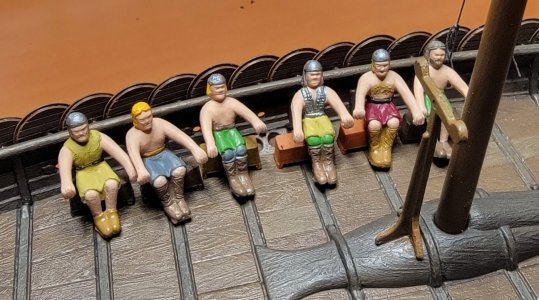

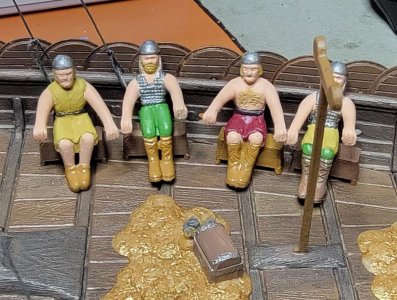
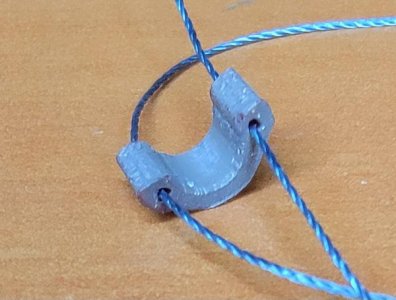
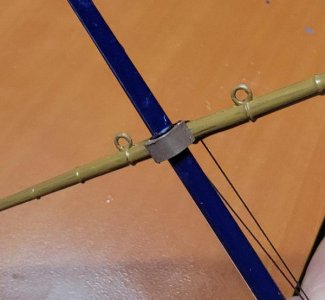
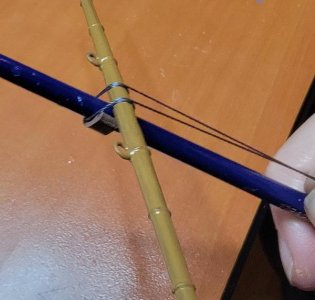
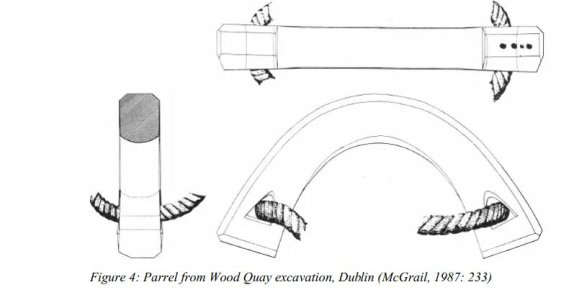






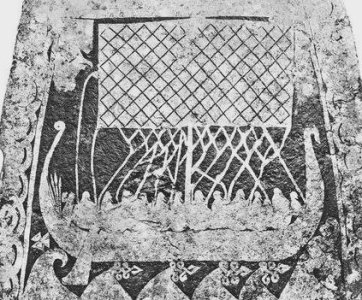


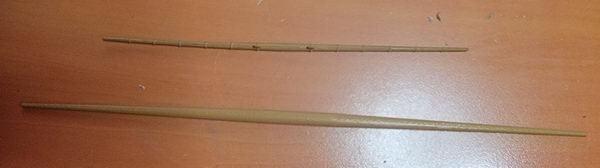
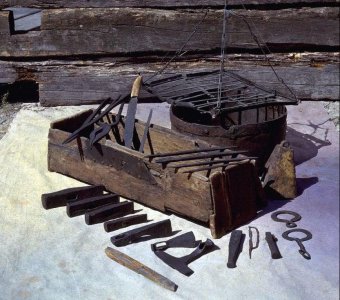
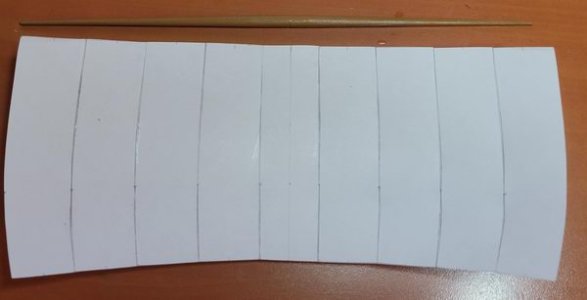
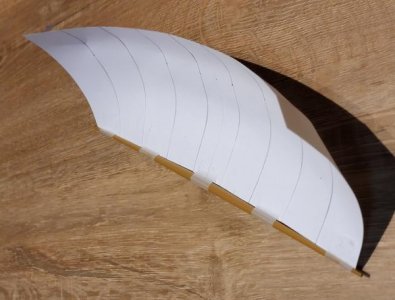
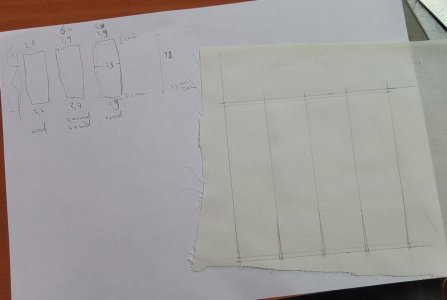
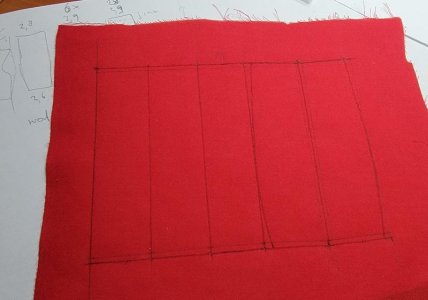
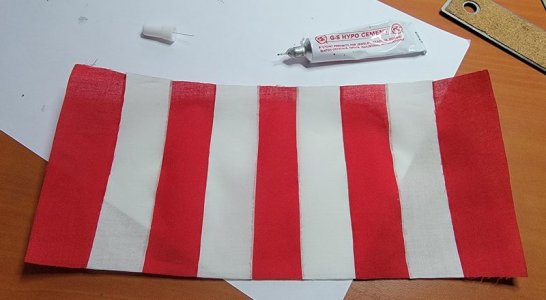

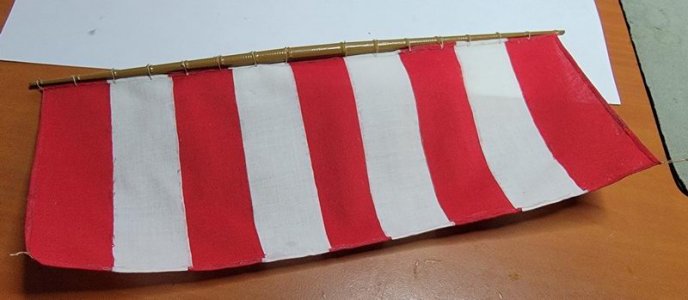
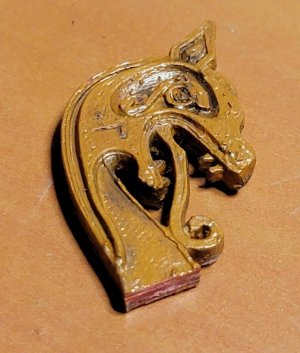
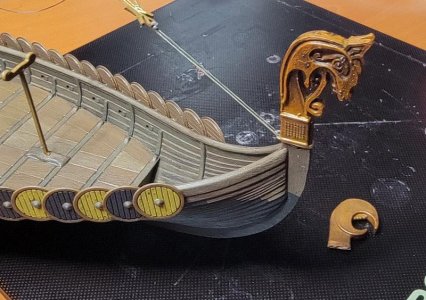


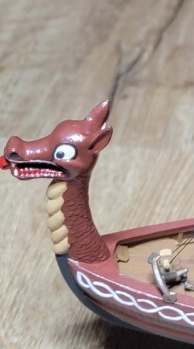
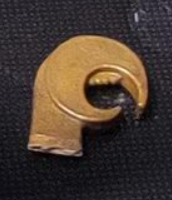
 ,... I got my sail, but....