
• Win a Free Custom Engraved Brass Coin!!!
    As a way to introduce our brass coins to the community, we will raffle off a free coin during the month of August. Follow link ABOVE for instructions for entering.
  • PRE-ORDER SHIPS IN SCALE TODAY!

    The beloved Ships in Scale Magazine is back and charting a new course for 2026!
    Discover new skills, new techniques, and new inspirations in every issue.

    NOTE THAT OUR FIRST ISSUE WILL BE JAN/FEB 2026

YUANQING MODELS 1:50 Scale SAN Felipe Build Log.

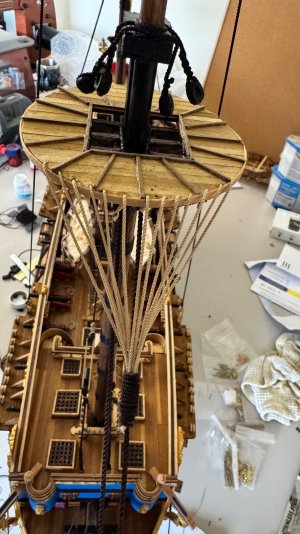
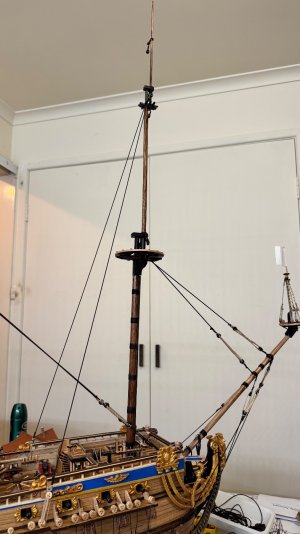
First mast complete – the bowsprit is now finished.

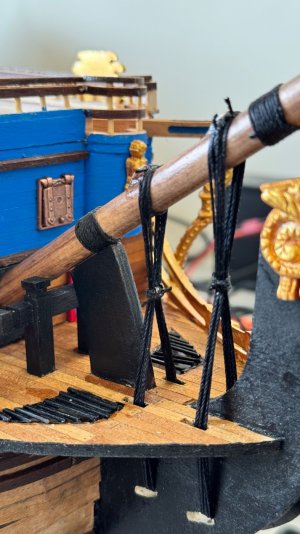
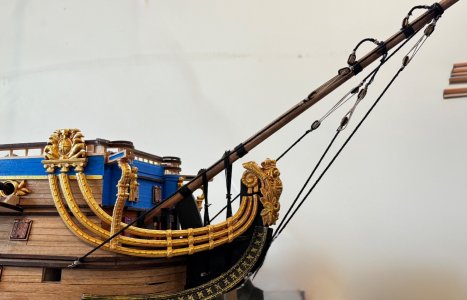
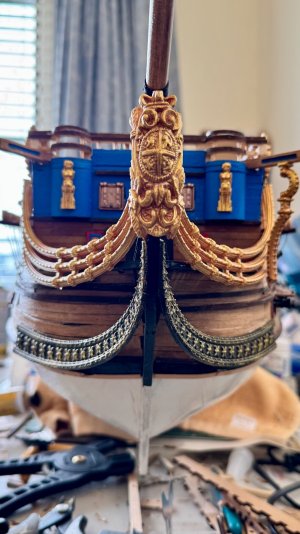
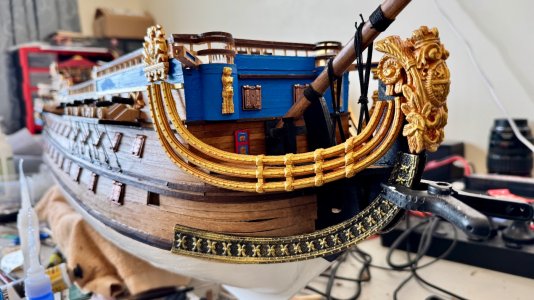
A really satisfying milestone on the 1:50 scale San Felipe build. The bowsprit assembly is now complete, and this area truly sets the character of the ship. It’s one of those sections that draws the eye immediately, so I’ve taken my time to make sure it looks used, functional, and believable rather than factory-perfect.

The rigging around the bowsprit was deliberately kept slightly irregular. On working ships of this era, nothing was ever perfectly symmetrical or pristine—ropes stretched, were re-served, re-tied, and repaired constantly. I wanted that sense of life and history to come through, even at this scale.

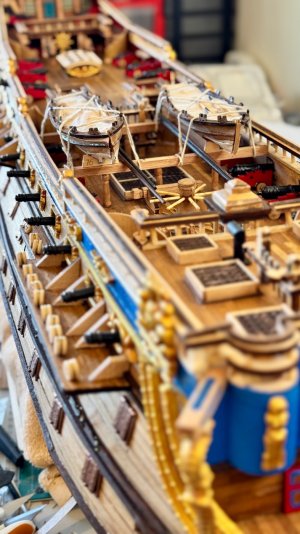
The decorative work around the bow is now fully in place as well. The gilded carvings and head detail add that unmistakable Spanish presence, contrasting beautifully against the timber tones and the blue of the upper works. I’m particularly happy with how the gold has been finished—not flat or shiny, but with depth and variation so it catches the light naturally.

The bowsprit platform and fittings were built up carefully, test-fitted multiple times, and adjusted until everything sat naturally. Nothing here is forced into position; it all needed to look like it belongs structurally and visually. The small details—lashings, platform planking, mast alignment—really make this section come alive.

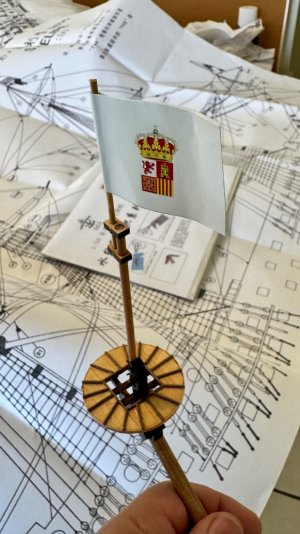
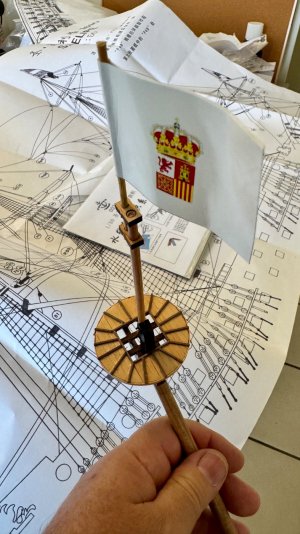
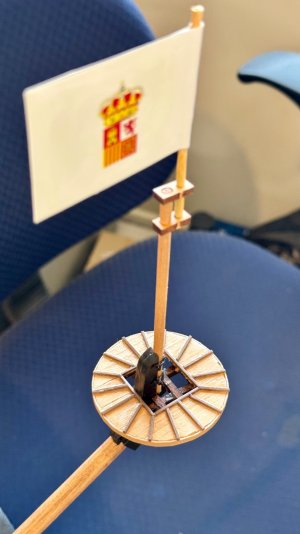
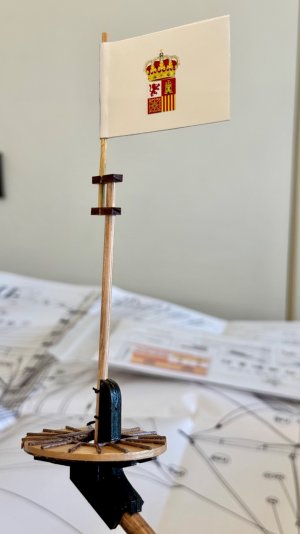
Seeing the flag in place at the front is a great motivator too. Even though it’s a small element, it instantly adds scale and presence and gives a glimpse of what the ship will look like once fully rigged and under sail.

This is a big step forward for the build. From here, things really start to climb—literally—as I move further into the masts and rigging. Plenty more detail work ahead, but for now, I’m very happy with how the bowsprit has turned out.
IMG_0764.jpeg

IMG_0763.jpeg

IMG_0762.jpeg

IMG_0761.jpeg

IMG_0760.jpeg

IMG_0759.jpeg

IMG_0757.jpeg

IMG_0756.jpeg
 
Bowsprit Rigging Underway ⚓

Work has now shifted to the bowsprit, and I’ve officially started the rigging phase on the San Felipe. This is one of those areas that looks deceptively simple, but in reality it’s a maze of small details, tight spacing, and repetitive work that really tests patience.


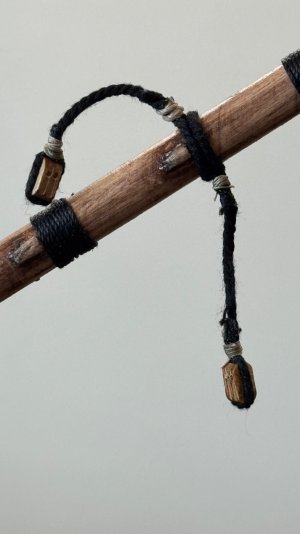
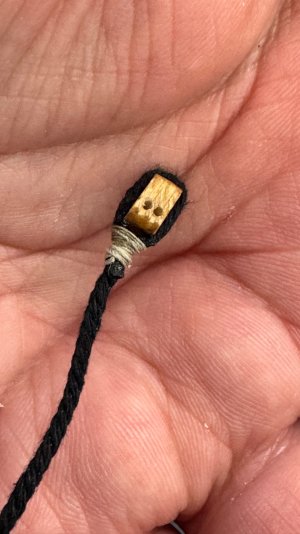
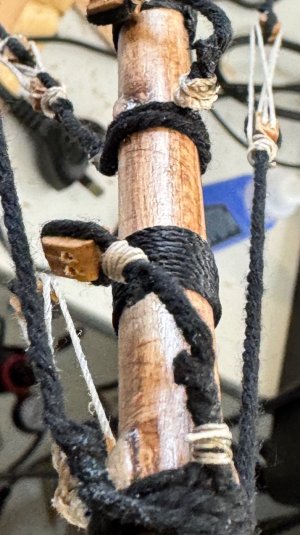
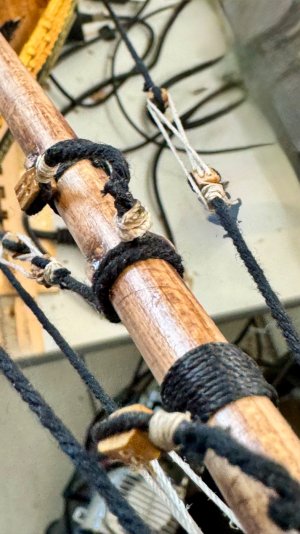
I’ve begun fitting the lashings, blocks, and seizings along the bowsprit, taking my time to keep everything looking functional rather than “model-perfect.” At this scale, the goal for me is realism — these were hard-working ships, and the rigging was practical, worn, and often a little rough around the edges. I’m deliberately avoiding anything that looks too neat or factory-made.


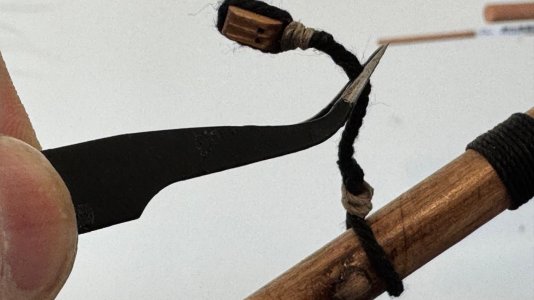
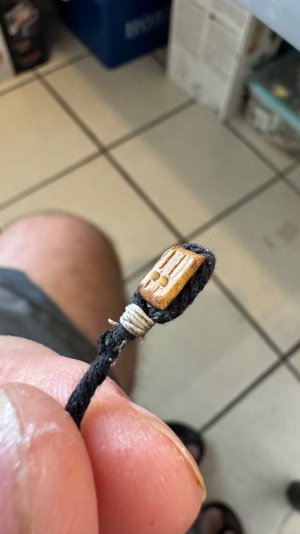
The small blocks have all been stropped and seized by hand, and the rigging lines carefully tensioned so they sit naturally against the spar. Each wrap, knot, and seizing is done individually, and while progress is slow, the overall effect really brings the bowsprit to life. Once the rigging starts to build up, you can really see how busy and purposeful this area of the ship was.


Very happy with how this is shaping up so far. Still plenty more to go, but it’s great to finally see the rigging beginning to define the character of the bow.


More updates soon as I continue working my way forward.

IMG_0773.jpeg

IMG_0774.jpeg

IMG_0775.jpeg

IMG_0776.jpeg

IMG_0777.jpeg

IMG_0778.jpeg

IMG_0779.jpeg

IMG_0780.jpeg

IMG_0781.jpeg

IMG_0782.jpeg

IMG_0783.jpeg

IMG_0784.jpeg

IMG_0787.jpeg

IMG_0788.jpeg

IMG_0791.jpeg

IMG_0792.jpeg

IMG_0793.jpeg
 
Cross masts underway today in my ZHL 1:50 SAN Felipe

Today was all about making the cross masts, and it turned into one of those sessions where careful observation really matter.


One thing I’ve consistently noticed with the ZHL kits is the lack of clear instructions and some inaccuracies in the plans, particularly when it comes to the masts and rigging. This is definitely not a “follow the manual step by step” type of kit — you really need to stop, study the drawings, and think things through before cutting any timber.


In my case, the plans include a full-size mast and rigging layout, but no actual written dimensions for the masts themselves. The correct method here is to physically lay the mast material directly over the full-size plan and size it that way. This gives you the true taper and length that the designer intended.


What’s important (and easy to get wrong) is that you do not use the smaller rigging plans that show indicated mast sizes. Those reduced drawings are misleading, and if followed, will result in masts that are out of proportion. This is one of those areas where the plans contradict themselves, so choosing the correct reference is critical.


The masts themselves were shaped by hand, slowly tapering and checking constantly against the full-size drawing. I prefer this approach rather than rushing — once material is removed, there’s no going back. I’m not chasing absolute mathematical perfection here; these were working ships, and slight variation actually adds realism rather than detracts from it.


Despite the challenges, I’m really happy with how the timber has come up. The grain shows beautifully, the tapers look right, and everything is sitting true. This stage really sets the foundation for the rigging later on, so taking the time now will pay off down the track.


Definitely one of those builds where experience, patience, and interpretation matter more than blindly following instructions — but that’s also part of what makes this build so rewarding.


More progress soon.

IMG_0797.jpeg
 
Big day on the SAN Felipe – deck fittings nearly complete

Today was one of those long, satisfying sessions where you step back at the end of the day and really see the ship coming alive.

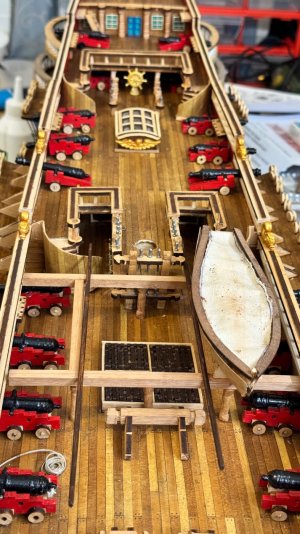
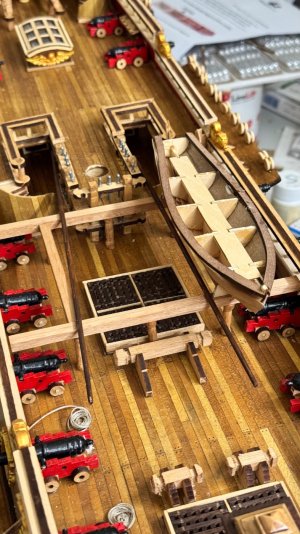
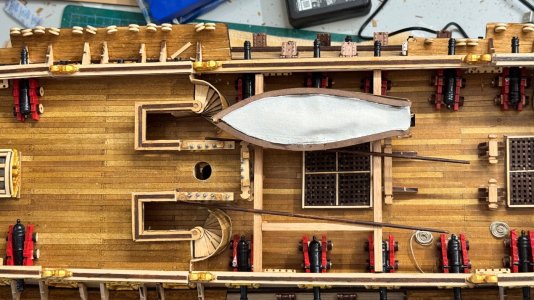
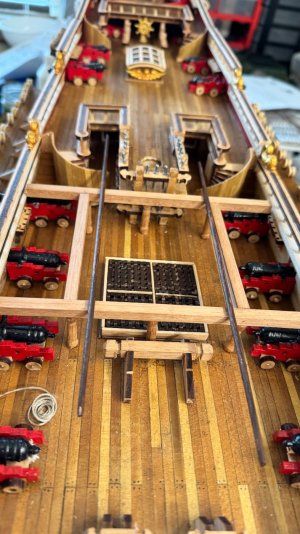
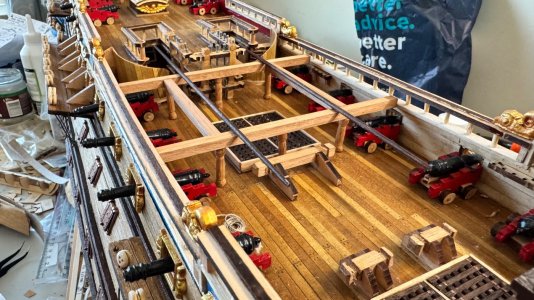
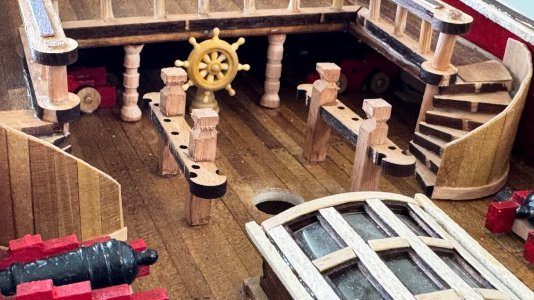
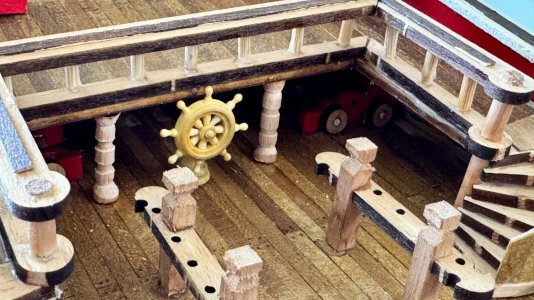
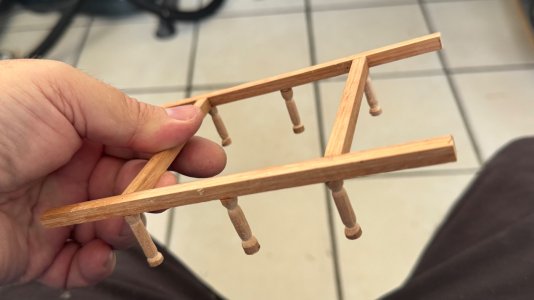
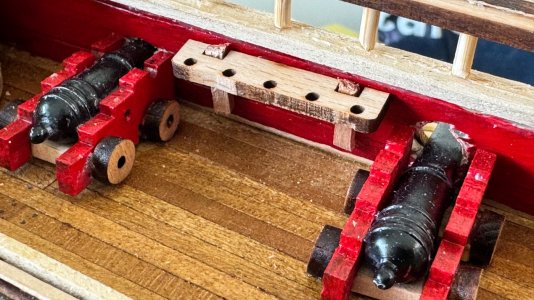
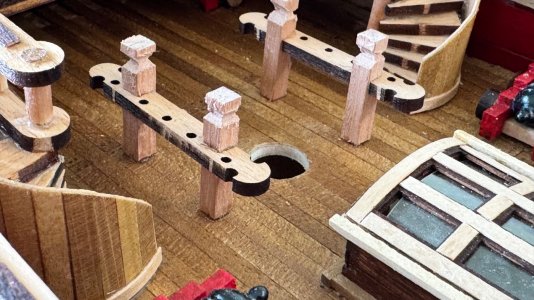
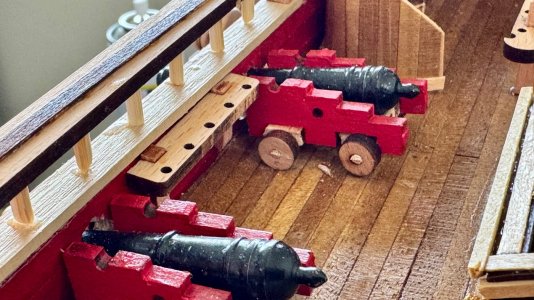
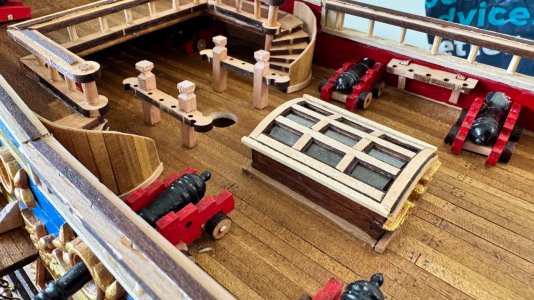
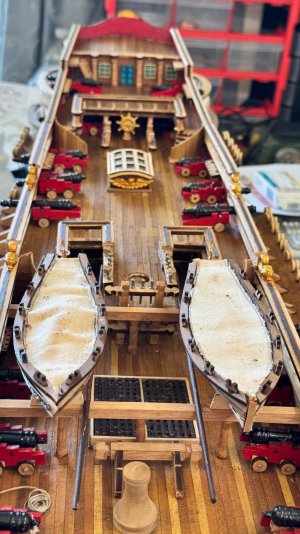
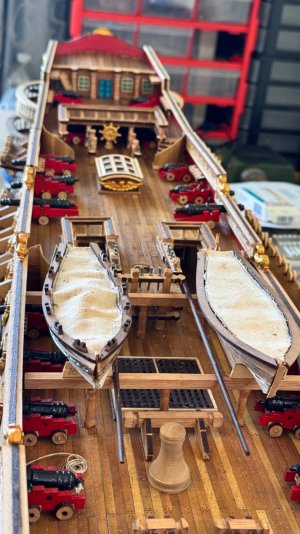
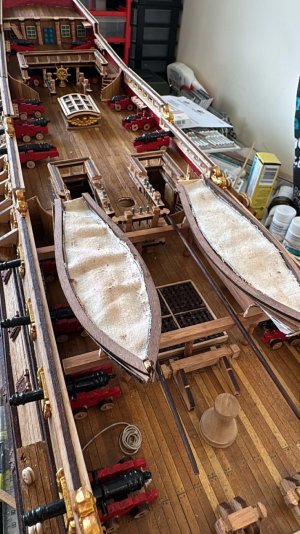
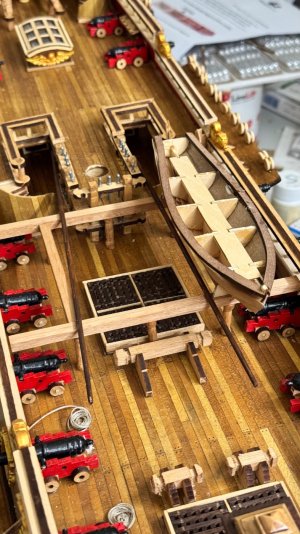
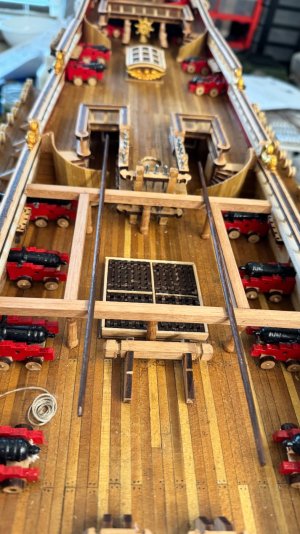
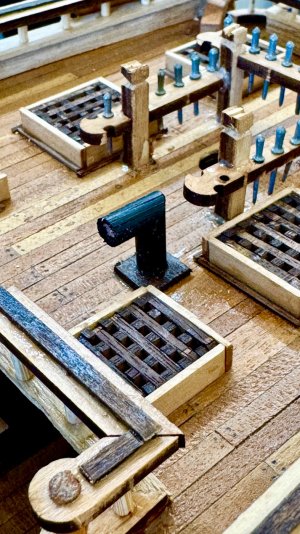
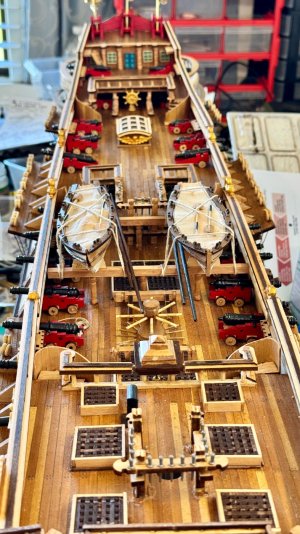
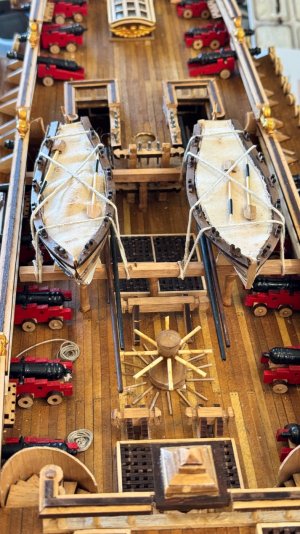
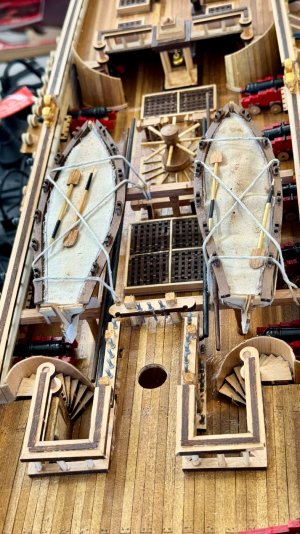
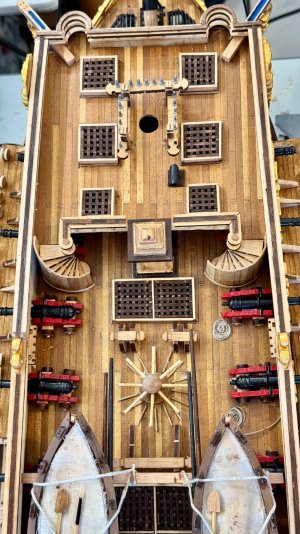
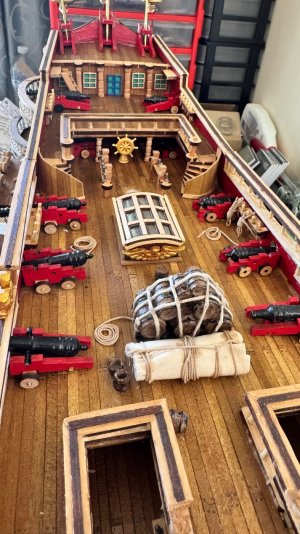
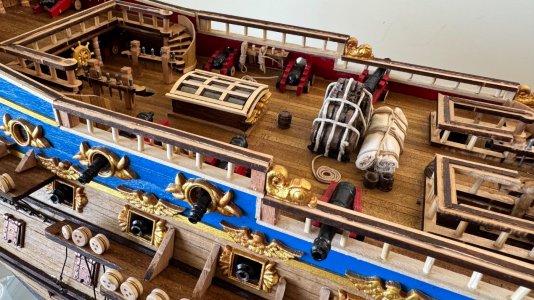
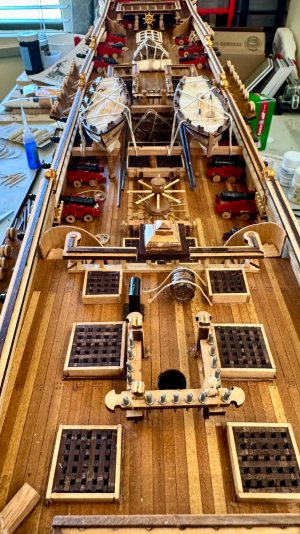
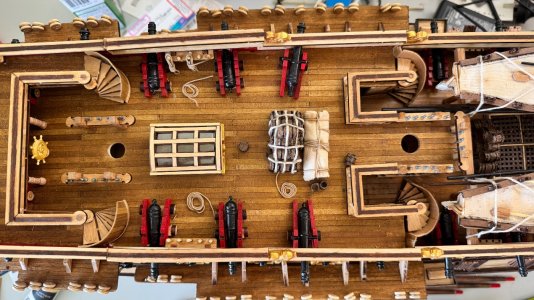
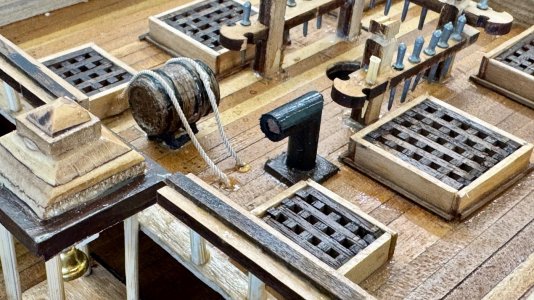
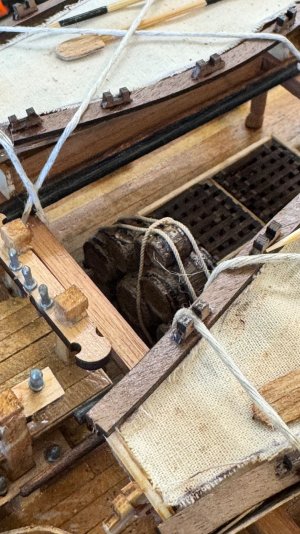
I put in a solid effort and have now mostly completed the deck fittings on the main deck, as shown in the photos. This stage is incredibly time-consuming, but it’s also one of my favourite parts of the build because every small component adds depth, purpose, and realism to the ship.

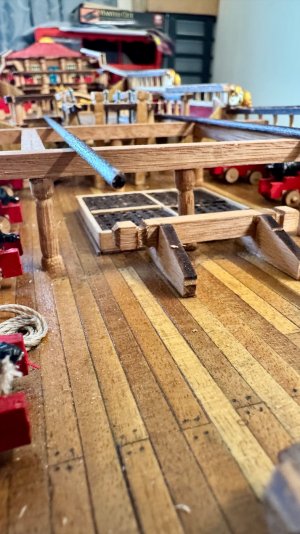
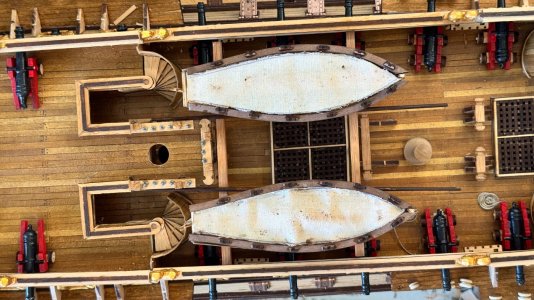
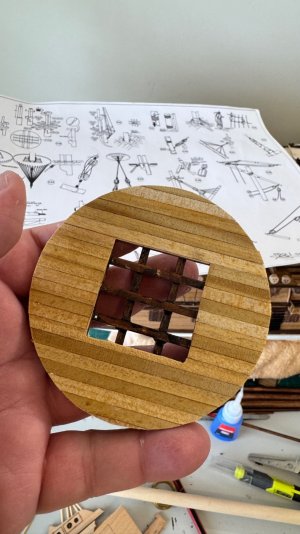
The capstan, bitts, grates, riding bitts, beams, knees, rail details and deck structures are now largely in place. Once these go in, the deck no longer feels like a flat surface — it starts to feel like a working warship, full of function and intent.

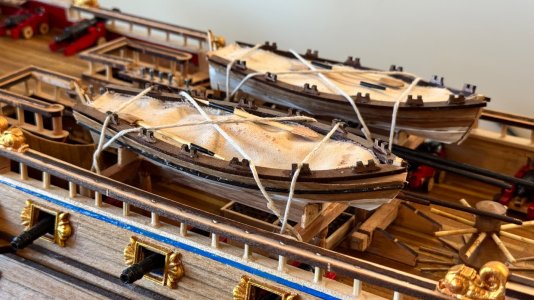
Life boats – deceptively difficult

The life boats have been one of the biggest challenges so far. Not because they’re large, but because:
  • Parts are missing from the kit
  • Everything is highly visible
  • They need to look right rather than perfect
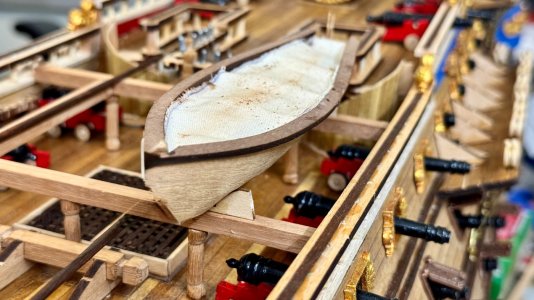
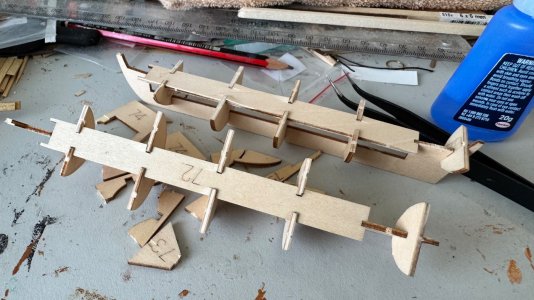
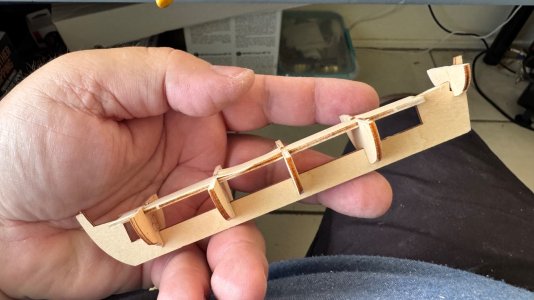
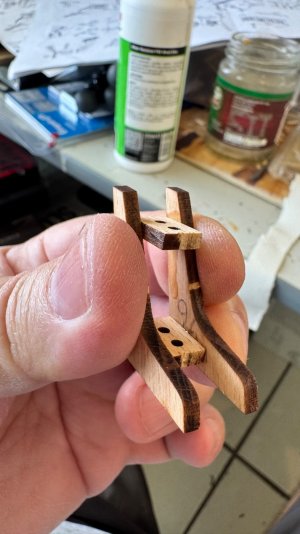
With missing components, there was no option but to scratch-build sections. This meant building the internal frames, shaping the hulls, and adjusting proportions until they sat naturally on their supports. Boats like these were tools, not ornaments, and I’ve tried to keep that working-ship feel rather than a showroom finish.

Machines worked hard today

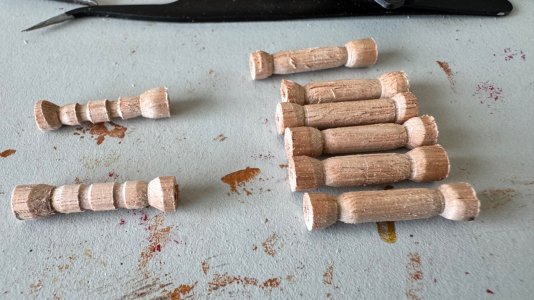
My little Proxxon DB250 wood lathe and Proxxon mill were running flat out all day. These machines earned their keep today:

  • Turning posts, pins, and structural components
  • Milling flat sections and consistent profiles
  • Making repeatable parts where precision actually matter
There’s something deeply satisfying about making parts from raw timber when the kit doesn’t give you what you need — it turns a build like this into a true model-maker’s project rather than just an assembly exercise.

Why I don’t chase perfection

You’ll notice that not everything is laser-straight or identical. That’s intentional. These were old working ships. Timber moved, parts were replaced, and nothing was factory perfect. I’d much rather capture that character than chase symmetry for the sake of it.

At this scale, slight variation adds realism.


What’s next

Next steps will be:

  • Final refinement of the boats and their mounts
  • Minor clean-up and touch-ups across the deck
  • Preparing for the next major phase of the build

This has been a demanding but extremely rewarding stage. The ship is really starting to tell its story now.

As always, thanks for following along — plenty more to come.

IMG_0836.jpeg

IMG_0835.jpeg

IMG_0833.jpeg

IMG_0832.jpeg

IMG_0830.jpeg

IMG_0829.jpeg

IMG_0828.jpeg

IMG_0827.jpeg

IMG_0826.jpeg

IMG_0825.jpeg

IMG_0824.jpeg

IMG_0823.jpeg

IMG_0822.jpeg

IMG_0821.jpeg

IMG_0820.jpeg

IMG_0819.jpeg

IMG_0818.jpeg
 
Lifeboats completed – adapting when the plans don’t match reality

The lifeboats for the 1:50 scale San Felipe are now completed, and this was one of those stages where the build took an unexpected—but very satisfying—detour.

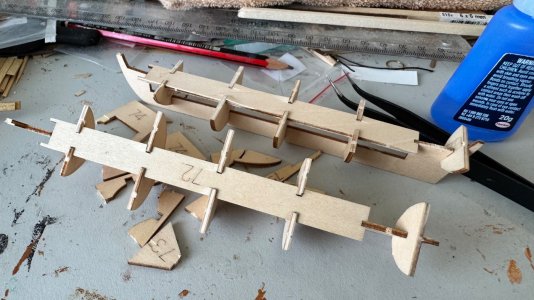
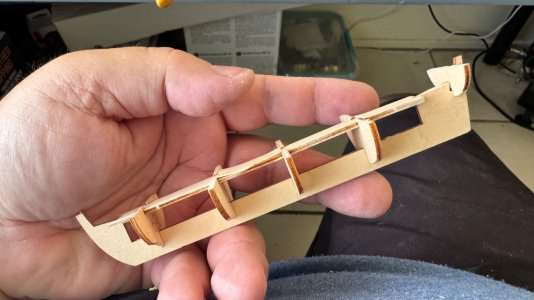
According to the San Felipe plans, the lifeboats were meant to be constructed using two pre-moulded hull halves. These halves would be glued together over a temporary internal skeleton (or former), which was then supposed to be removed. After that, a planked timber floor and internal wooden benches would be added to finish them off.

Unfortunately, my kit was missing those moulded hull sections entirely.

Rather than trying to source or fabricate exact replacements, I decided to take a different direction—one that still felt historically believable and visually convincing at this scale.

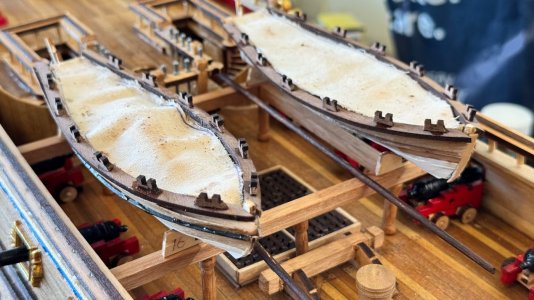
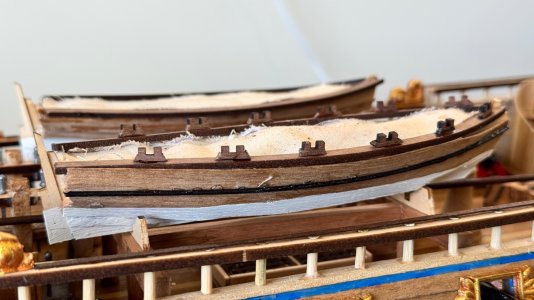
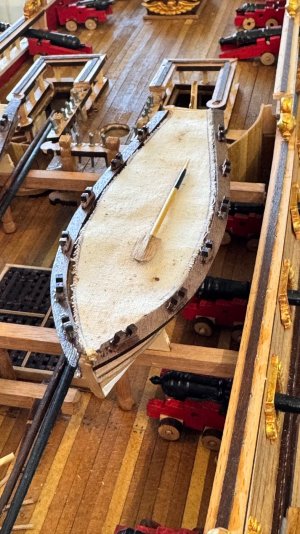
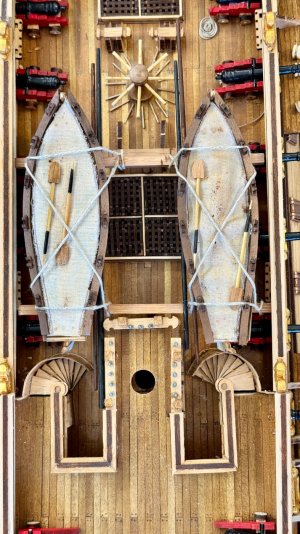
Instead of removing the skeleton, I left it in place and treated it as the permanent internal structure of the lifeboats. From there, I added strip oak timber along the sides, giving the boats proper definition and strength. Once that framework was established, I covered the interior with cloth, which immediately changed the character of the boats and gave them a far more “working ship” feel.

To age and weather the cloth, I didn’t want a flat or uniform colour. I first soaked the fabric, then while it was still wet, I used brown acrylic paint applied with my finger, gently rubbing it into the cloth. This allowed the colour to settle naturally into the weave, creating subtle tonal variations and staining—exactly the kind of uneven wear you’d expect to see on lifeboats that have lived on deck, exposed to salt air, spray, and constant use.

The end result isn’t what the plans show—but that’s perfectly fine.

These were working lifeboats, not pristine display pieces. They were handled, dragged, soaked, dried, and repaired countless times. Leaving the skeleton in place and using cloth interiors gives them a far more authentic, utilitarian appearance, and they sit beautifully on deck without looking over-engineered or too perfect.

This is one of those moments where adapting to missing parts actually led to a result I’m happier with than the original plan. Sometimes the build tells you what it wants to be—you just have to listen.

More progress coming soon as the San Felipe continues to take shape.

IMG_0860.jpeg

IMG_0859.jpeg

IMG_0858.jpeg

IMG_0856.jpeg

IMG_0855.jpeg

att.SLhnxgSCc6DSnzK3F659fY_N4oqvo8XkybvFjv0las4.jpeg

IMG_0833.jpeg

IMG_0830.jpeg

IMG_0827.jpeg

IMG_0826.jpeg
 
Lifeboat Details – First Oar Completed

Today I finished making the very first oar for the lifeboats, and it’s one of those small details that made me stop and really think about realism versus visibility.

Originally, I was undecided whether to make the oars at all. Logically, on a ship like this, the lifeboats would almost certainly have been stored under canvas covers, with the oars tucked away inside and not immediately visible. From a strict historical standpoint, you could argue they wouldn’t be seen at all once the covers were on.

But sometimes modelling isn’t just about what should be hidden — it’s about what helps tell the story.

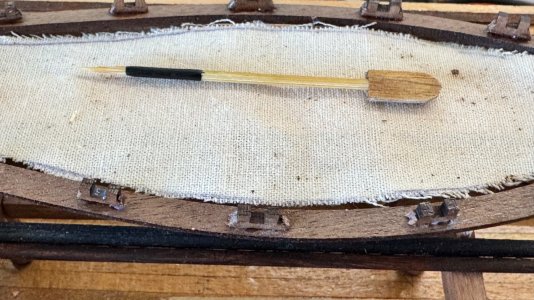
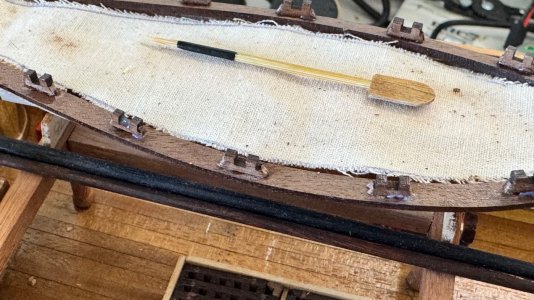
So I decided to make at least one oar and test how it looked sitting inside the boat, and I’m really glad I did.

The oar itself was made entirely by hand. The shaft was carefully shaped and tapered so it doesn’t look uniform or machine-perfect. The blade was formed separately and blended into the shaft, keeping that slightly irregular, hand-crafted feel you’d expect from a working ship rather than a ceremonial one. Even at this scale, I wanted it to look like something that could genuinely be picked up and used by a sailor.

Once placed inside the lifeboat, it immediately added a sense of purpose and scale. The boat suddenly feels equipped, not just built. It stops looking like a static shell and starts looking like something that belongs on a working warship — ready to be lowered, crewed, and used if needed.

Yes, the oars would likely be hidden under canvas, but that canvas itself already tells a story of protection, weathering, and daily use. Having a few oars subtly visible beneath or resting inside adds another layer of realism and gives the eye something to discover when looking closely.

I’ll probably make a few more oars rather than fully populate every boat. That way it doesn’t feel overdone, but still suggests that the equipment is there. It’s a balance I often aim for — not perfection, not textbook accuracy at the expense of character, but realism that feels believable.

These old ships were not pristine display pieces. They were working vessels, full of small imperfections, hand-made gear, and practical solutions. Details like this help capture that spirit.

Small part. Big impact.

More to come.


— Phil

IMG_0871.jpeg

IMG_0870.jpeg

IMG_0864.jpeg
 
Progress Update – Stern Lanterns & Main Flag Installed

Today was one of those deeply satisfying modelling days where a lot of fine detail comes together and really starts to bring the ship to life.

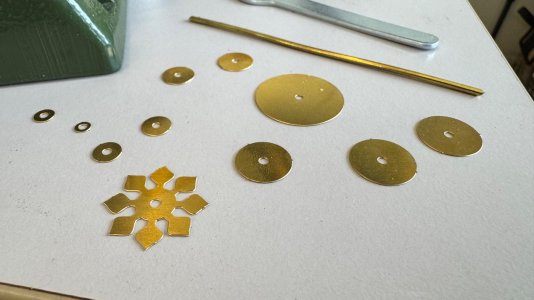
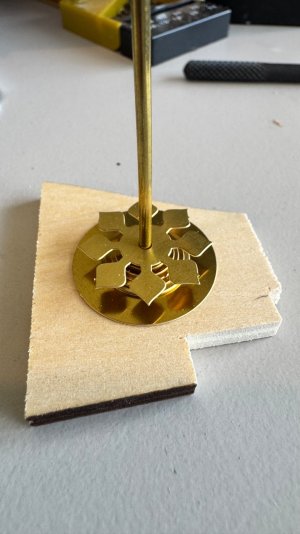
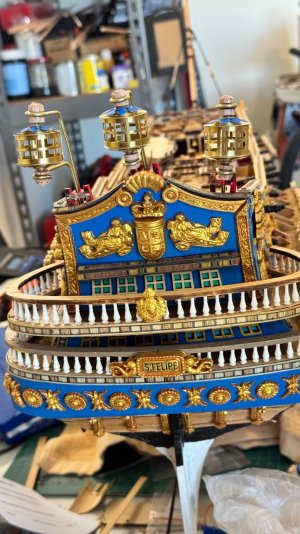
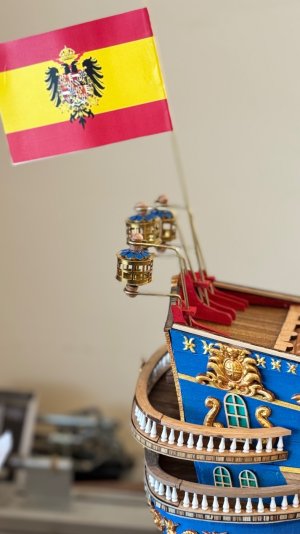
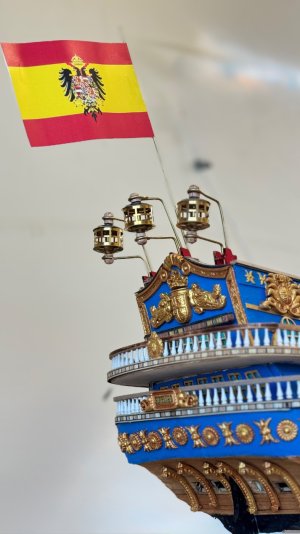
I focused on making and installing the stern lanterns, along with fitting the main flag pole and flag, and these small components have made a huge visual impact on the overall presence of the San Felipe.


Stern Lanterns – Fully Handmade and Assembled

The lanterns were built up piece by piece rather than simply dropped in as finished parts.

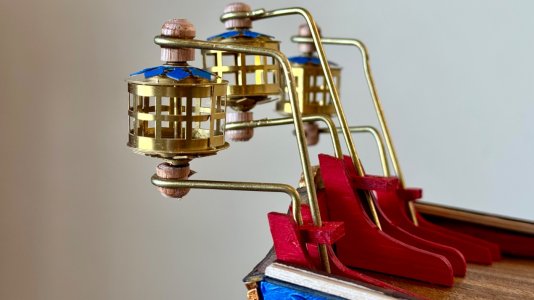
Each lantern consists of:

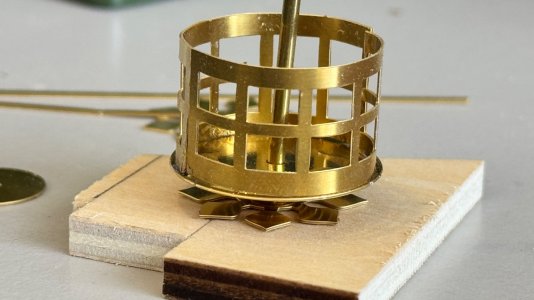
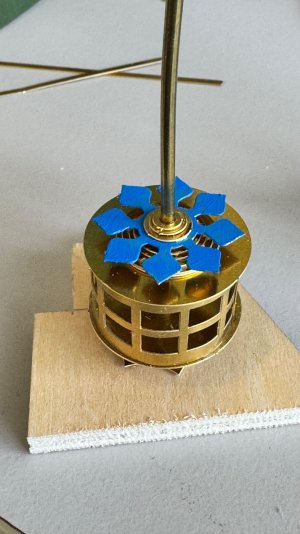
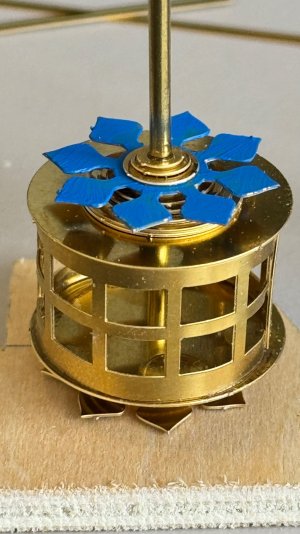
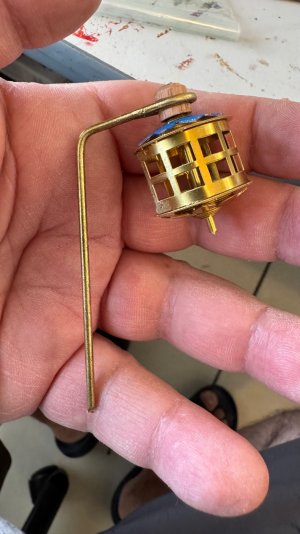
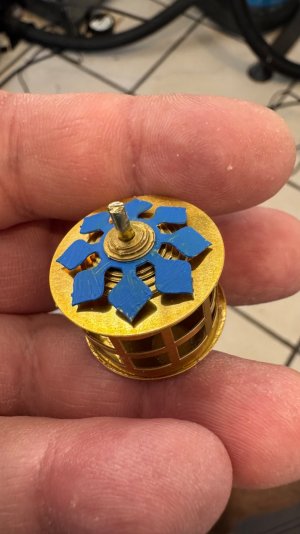
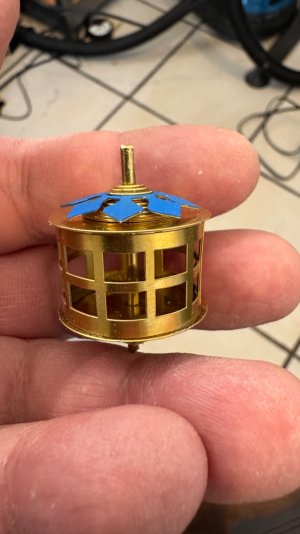
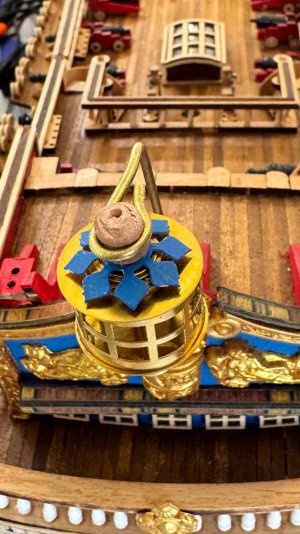
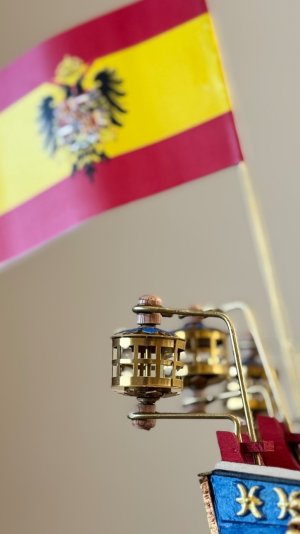
• A finely etched brass lantern body, carefully folded and aligned

• A central spindle to keep everything square and concentric

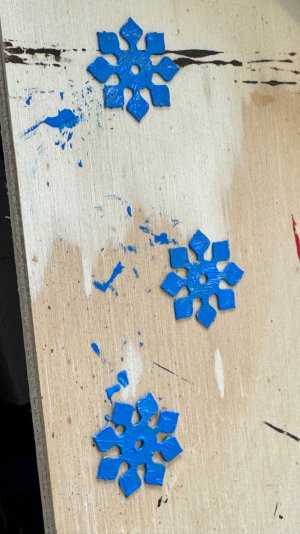
• A detailed top cap, finished with blue-painted decorative petals to tie in with the ship’s colour scheme

• Turned wooden caps at the top and bottom to replicate the original construction style

• Custom-bent brass support arms, shaped by hand to get the correct offset and symmetry

These brackets were one of the most critical parts. The bends need to be precise so the lanterns sit:

• Level

• Evenly spaced

• Parallel to the stern face

Any deviation here would immediately show, especially with three lanterns in a row.

Once assembled, everything was lightly toned so the brass doesn’t look overly bright or toy-like, helping keep that sense of scale and realism.


⚓ Installation on the Stern

Installing the lanterns onto the stern galleries was done slowly and deliberately.

Key considerations:

• Exact alignment across all three lanterns

• Keeping consistent height relative to the upper stern rail

• Ensuring the brackets follow the curve and geometry of the stern structure

This is one of those areas where rushing would undo weeks of work elsewhere, so each lantern was dry-fitted, checked from multiple angles, then permanently fixed.

Once in place, they immediately add depth and complexity to the stern, especially against the blue and gold ornamentation.


Main Flag Pole & Flag

With the lanterns complete, I moved on to installing the main flag pole and flag.

The pole itself was carefully sized so it doesn’t overpower the stern but still feels commanding, as it should on a ship of this stature. The flag was shaped to give a natural sense of movement rather than hanging dead straight.

Even though it’s a small detail, the flag:

• Draws the eye upward

• Breaks the vertical lines of the stern

• Adds a strong sense of identity and nationality to the model

Once installed, it really finishes off the upper stern visually.


Final Thoughts

These are the kinds of details that don’t shout for attention individually, but together they transform the model from “well built” into something that feels alive.

The lanterns and flag:

• Add scale reference

• Enhance realism

• Give the stern a proper sense of authority and elegance

Standing back and looking at the ship now, the stern finally feels complete and worthy of the effort that’s gone into the rest of the build.

Very happy with how today turned out. More fine detailing to come.

IMG_0890.jpeg

IMG_0891.jpeg

IMG_0892.jpeg

IMG_0894.jpeg

IMG_0895.jpeg

IMG_0896.jpeg

IMG_0897.jpeg

IMG_0898.jpeg

IMG_0899.jpeg

IMG_0900.jpeg

IMG_0901.jpeg

IMG_0903.jpeg

IMG_0904.jpeg

IMG_0905.jpeg

IMG_0909.jpeg

IMG_0910.jpeg

IMG_0912.jpeg

IMG_0914.jpeg

IMG_0915.jpeg

IMG_0917.jpeg
 
Progress Update – ZHL 1:50 Scale SAN FELIPE ⚓

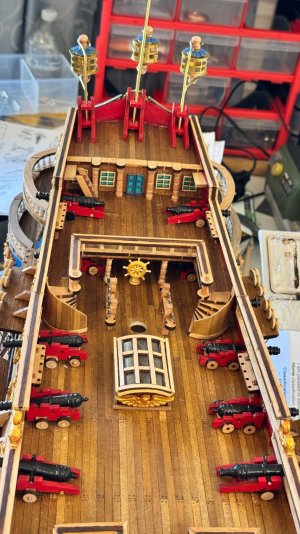
The deck on my ZHL 1:50 scale SAN Felipe is now mostly complete, and this stage really feels like a major milestone in the build.

At this point, the overall layout, balance, and character of the ship are fully established. From stem to stern, the deck is now alive with detail, texture, and purpose—exactly how a working Spanish warship of this era should look.

Every section of the deck has been approached with realism in mind rather than perfection. These were hard-working ships, constantly exposed to weather, salt, crew traffic, recoil from guns, and daily wear. Slight variations in timber tone, subtle imperfections, and hand-finished details all contribute to a far more authentic result than something overly uniform.


Deck Details & Features

• Deck planking is complete and sealed, allowing the natural timber grain to stand out while still looking period-correct.

• Gratings are all installed and framed, breaking up the deck visually and adding depth when viewed from different angles.

• Capstans and bitts are in place, with carefully shaped components that reflect their real-world function.

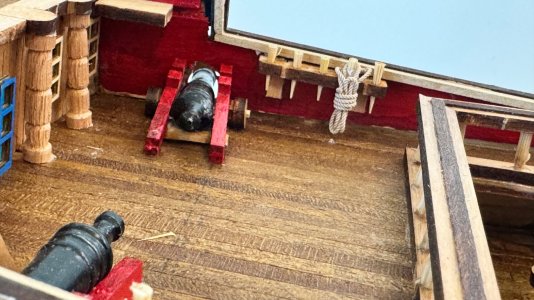
• Cannon layouts are complete, with carriages aligned, rigging points set, and spacing checked for historical plausibility.

• Hatch coamings, ladders, and deck structures are now fully integrated, tying the entire deck together as a single working space rather than isolated features.


Lifeboats & Deck Stowage

One of the standout features at this stage is the lifeboats:

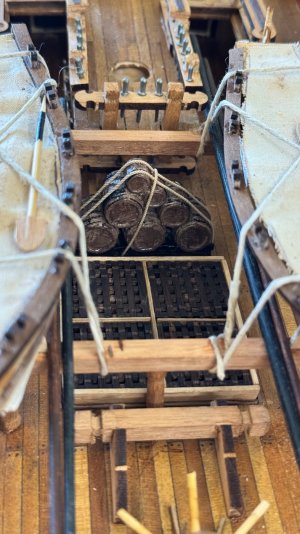
• Properly cradled and lashed down, just as they would have been at sea.

• Canvas covers have been lightly weathered to avoid a clean “new” look.

• Oars stored beneath the covers, subtly visible and adding another layer of realism.

• Rope lashings are intentionally irregular—because rope work done by hand never looks machine-perfect.

These small touches are easy to overlook individually, but together they add enormous authenticity.


What’s Left

At this stage, there’s not much left on the deck:

• Final rigging ropes to be tied off and installed.

• A small amount of loose deck rigging, placed sparingly so the deck doesn’t look cluttered.

• Final tidy-up and visual balance checks before moving on to the next major phase.

This is the point where restraint matters. Too much rope or too many loose items can overwhelm a deck at this scale. The goal is to suggest activity and readiness—without turning the deck into a mess.


Final Thoughts

Standing back and looking at the ship now, the scale of this build really hits home. At 1:50 scale, SAN Felipe is an imposing model, and the deck alone tells a story of manpower, discipline, and purpose.

This stage represents countless hours of planning, problem-solving, scratch-building, and adjustment—especially given the challenges and quirks of this kit. Seeing it all come together like this makes every one of those hours worthwhile.

More updates soon as I move into the next phase of the build.

Thanks for following along

— Phil

The Model Yard

IMG_0933.jpeg

IMG_0934.jpeg

IMG_0935.jpeg

IMG_0936.jpeg

IMG_0938.jpeg

IMG_0937.jpeg

IMG_0939.jpeg

IMG_0941.jpeg

IMG_0940.jpeg
 
More progress today on the ZHL 1:50 scale SAN Felipe build ⚓

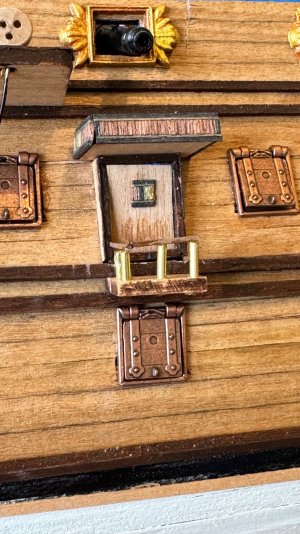
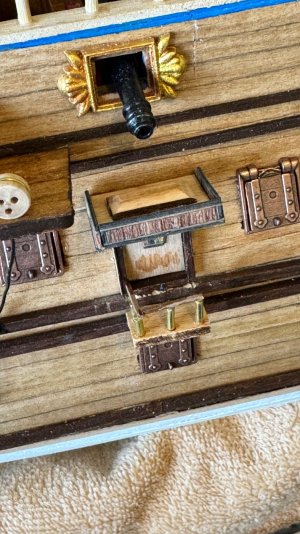
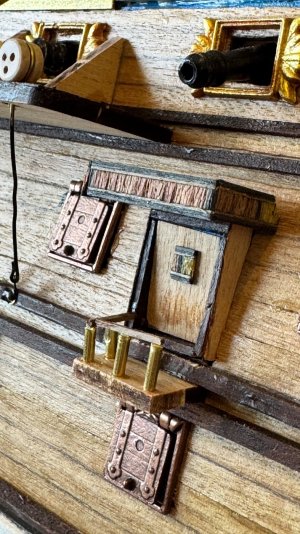
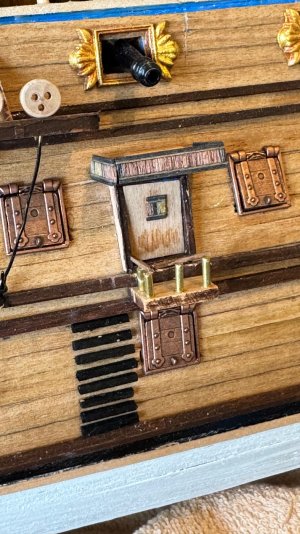
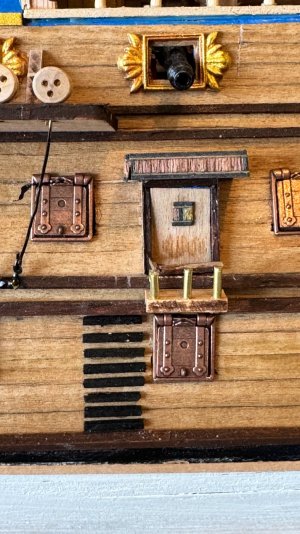
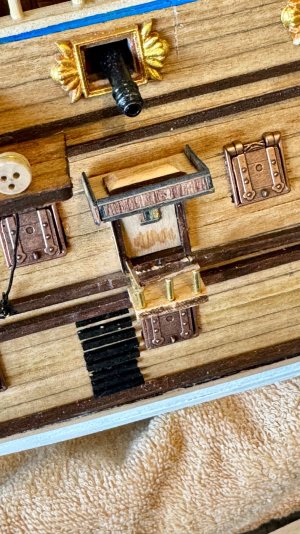
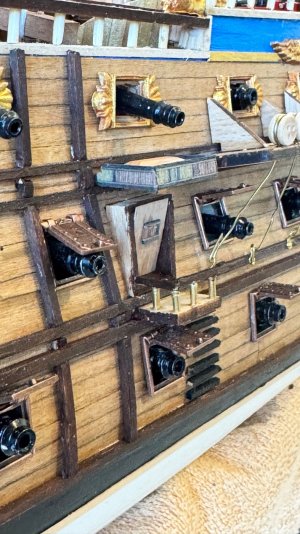
Today’s focus was on fabricating one of the side doors on the starboard side, and while it might look like a small detail at first glance, it’s actually one of those features that adds a huge amount of character and realism to the hull.

This door was completely scratch-built, starting from a simple timber blank and then slowly built up layer by layer. The frame was carefully shaped and fitted so it sits naturally within the planking lines, rather than looking like something simply glued on afterwards. Getting that alignment right at 1:50 scale is critical — if it’s even slightly off, it immediately draws the eye.

The small overhanging canopy above the door was added next. This is one of my favourite parts of the piece. It’s subtle, but historically these little weather protections were common, and at scale they help break up the flat vertical surfaces of the hull. The timber texture was intentionally left visible and then enhanced with paint rather than hidden — these were working warships, not showroom pieces.

For the finish, I used layered weathering techniques:

• A light base tone to represent aged timber

• Darker washes around the lower section to simulate water staining and grime

• Subtle dry brushing to highlight grain and edges

• Slight unevenness left in place to avoid that “too perfect” kit look

The small brass stanchions and lower ledge add a nice contrast against the timber and tie in visually with the surrounding gunport fittings and hinges. Again, nothing overly shiny — everything toned down so it feels believable and in scale.

This is just one door, but it sets the standard for the remaining side details to come. These little moments are where a model really starts to tell a story — you can almost imagine crew moving through these openings centuries ago.

Plenty more detailing ahead, but very happy with how this one turned out.

As always, thanks for following along — more updates soon as the SAN Felipe continues to come to life.

IMG_0951.jpeg

IMG_0952.jpeg

IMG_0953.jpeg

IMG_0954.jpeg

IMG_0956.jpeg

IMG_0957.jpeg
 
Major milestone reached on my ZHL 1:50 scale SAN FELIPE build ⚓✨

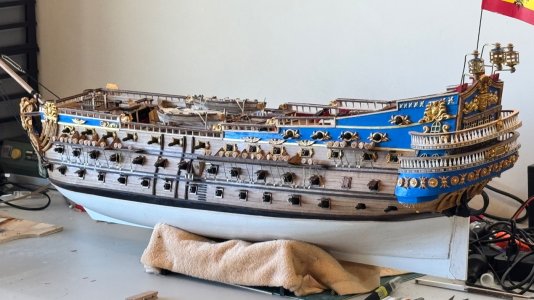
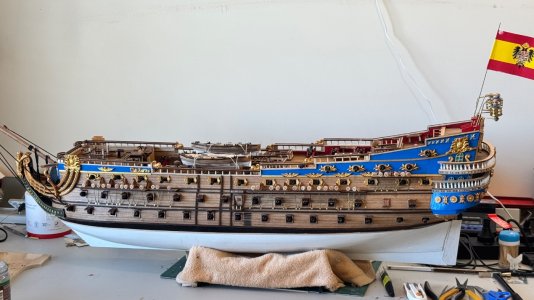
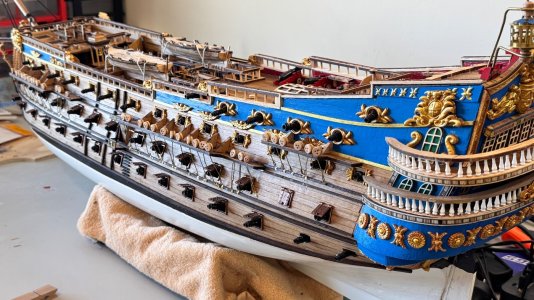
The hull of my 1:50 scale ZHL San Felipe is now mostly complete, and this stage really feels like the ship has come alive. What started as a bare framework has slowly transformed into a powerful Spanish warship with presence, weight, and character.

At this point, the entire hull planking is finished, shaped, and sealed, with the natural timber intentionally left visible. I’ve avoided making it look too “perfect” or factory-clean. These were hard-working ships from over 400 years ago, and I believe a little variation in tone, grain, and texture adds realism and depth rather than detracting from it.

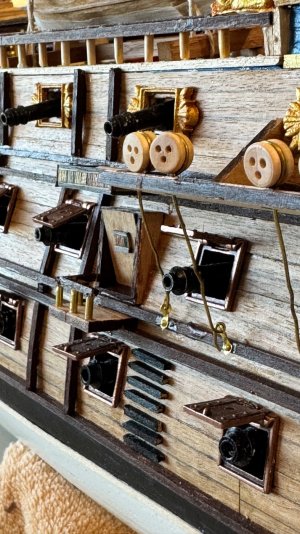
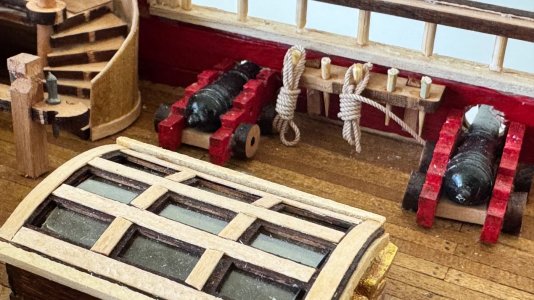
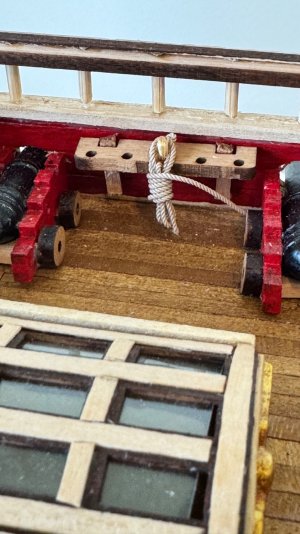
The gun decks are fully populated, with cannons installed, lids detailed, and rope work added where appropriate. Every gun port has been individually worked, framed, and weathered to give that lived-in look — not identical, not sterile, but believable. The subtle contrast between the timber tones, darker framing, and blackened barrels really helps the hull read as layered and structural rather than flat.

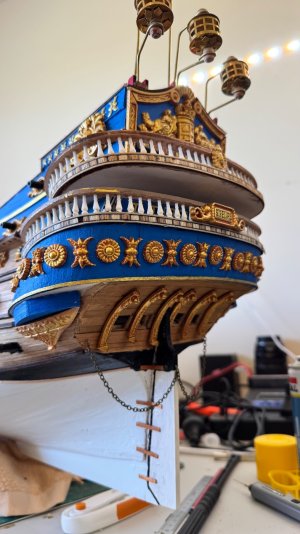
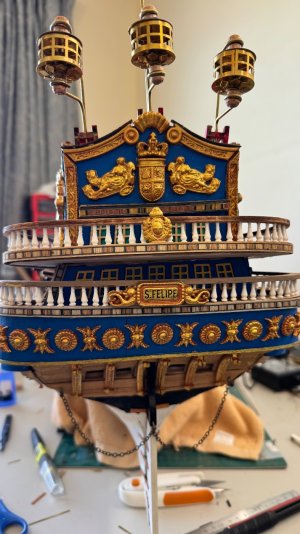
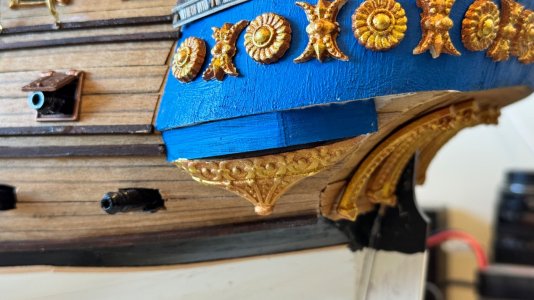
One of my favourite areas is the stern, which is now heavily detailed. The blue and gold colour scheme has really started to sing here. The gold ornaments were not simply painted and left flat — they’ve been built up in layers, with darker base tones and lighter highlights dry-brushed over the top to bring out shadows and relief. This gives the carvings real depth and avoids that “toy-like” look that can happen at this scale.

The upper stern galleries and balustrades are now in place, complete with fine white rails, layered trim, and detailed lantern assemblies above. These lanterns are a standout feature — delicate, symmetrical, and proportioned correctly for the scale. They really finish off the stern profile and add that unmistakable late-17th-century warship character.

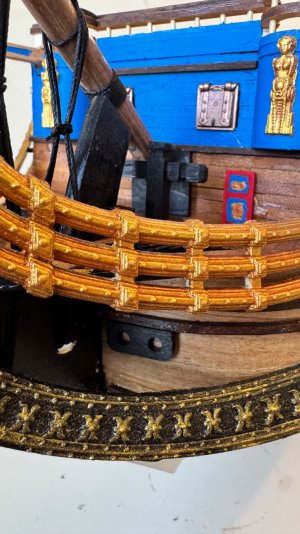
Along the hull sides, the decorative bands, mouldings, and gold motifs are now complete. Each section has been aligned carefully to follow the hull’s natural sheer, which is something that’s easy to rush but very noticeable if it’s wrong. I’ve taken my time here, constantly stepping back, checking alignment, and adjusting until everything flows naturally from bow to stern.

The stern nameplate “S. FELIPE” is now fitted, anchoring the identity of the ship and giving the whole build a sense of authority. Once that name goes on, the model stops being “a project” and starts becoming the ship.

At this stage, the hull is essentially finished apart from minor touch-ups and final weathering. From here on, the focus will shift more toward deck furniture, masts, rigging, and sails — but getting the hull right is absolutely critical, and I’m very happy with how this one has turned out.

This has been a slow, deliberate build with a lot of problem-solving, custom work, and decisions that go beyond what the kit instructions show. I’ve chosen realism and character over perfection, and I think the ship is better for it.

Plenty more to come — but this is a big checkpoint worth sharing.

Thanks for following along ⚓

Phil

IMG_1010.jpeg

IMG_1007.jpeg

IMG_1012.jpeg

IMG_0968.jpeg

IMG_0967.jpeg

IMG_0966.jpeg

IMG_0964.jpeg

IMG_0965.jpeg

IMG_0963.jpeg
 
ZHL 1:50 Scale SAN FELIPE – Deck Accessories Added

In continuation of my 1:50 scale ZHL SAN Felipe build, I’ve spent some time stepping back from the big structural work and focusing on something that really brings a ship to life — deck clutter and working accessories.

This stage is all about storytelling.

Real ships of this era never sailed with bare, sterile decks. They were working warships, constantly handling rigging, sails, supplies and stores. I wanted this deck to feel used, busy, and believable, without looking overcrowded.


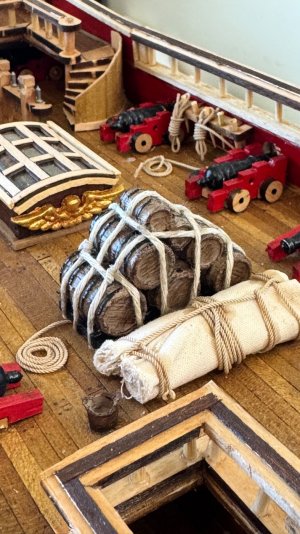
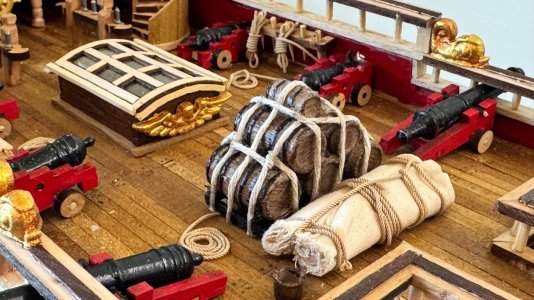
Wine Barrels

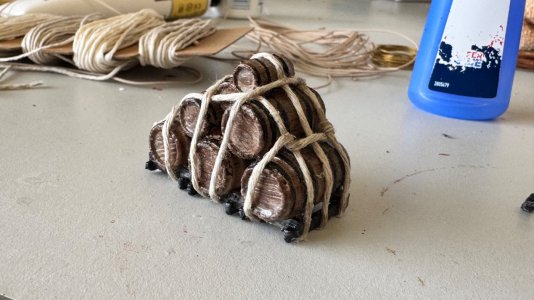
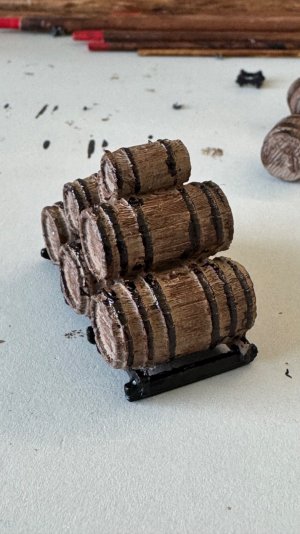
I added multiple stacks of wine barrels, bundled and lashed together just as they would have been stowed during a voyage.

Each barrel has been individually textured and painted to avoid that “mass-produced” look. The ends are rough, uneven, and slightly darkened, with subtle variation between barrels to suggest age and wear.

The lashings are done in tan rope, tied tight but not perfectly neat — because sailors weren’t aiming for symmetry, they were aiming for security. The slight irregularities actually enhance the realism.


⛵ Folded-Up Sails
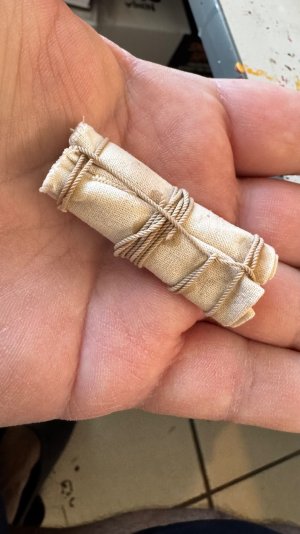
Rather than leaving spare sails invisible or hidden below deck, I decided to model furled canvas sails stored on deck.
These were rolled, folded, and tied using fine rope, with the canvas intentionally left a little wrinkled and uneven. Freshly folded sails would be rare — most would be slightly stained, creased, and handled hundreds of times.
This adds a huge amount of visual interest and immediately tells the viewer:

“This ship is actively sailed, not just displayed.”


Coiled Ropes

Small details make big differences.

I added coiled ropes in random, logical locations — near guns, hatchways, and working areas. None of them are perfectly circular or identical. Some are tighter, some looser, some slightly untidy.

That randomness is intentional.

On a real ship, rope coils were dropped where they were last used, not laid out for display. These small touches break up flat deck areas and add depth when viewed from different angles.


⚓ Overall Effect

With the addition of these accessories, the deck now feels:

• Lived-in

• Functional

• Historically believable

• Visually busy without being cluttered

From a distance it reads as a complete scene, and up close there’s plenty to explore — which is exactly what I aim for in builds like this.

This is one of those stages where progress might look small, but the impact is huge. These details transform the model from “well built” into something that feels alive.

More to come soon — rigging, fittings, and plenty more fine detailing ahead.

Thanks for following along

IMG_1119.jpeg

IMG_1118.jpeg

IMG_1116.jpeg

IMG_1114.jpeg

IMG_1083.jpeg

IMG_1124.jpeg

IMG_1125.jpeg

IMG_1127.jpeg

IMG_1126.jpeg

IMG_1128.jpeg

IMG_1130.jpeg

IMG_1129.jpeg

IMG_1131.jpeg

IMG_1132.jpeg

IMG_1134.jpeg
 
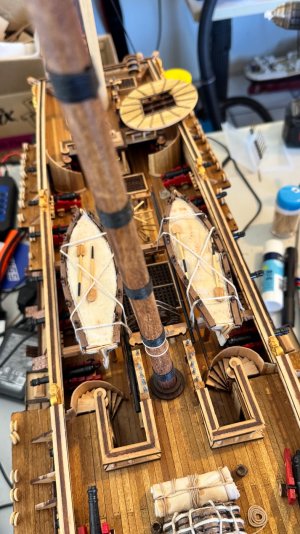
Ongoing Progress, ZHL 1:50 SAN Felipe – Spars, Blocks & the Main Mast Taking Shape

Slowly but surely, this build is moving into one of my favourite stages — the spars and masts.

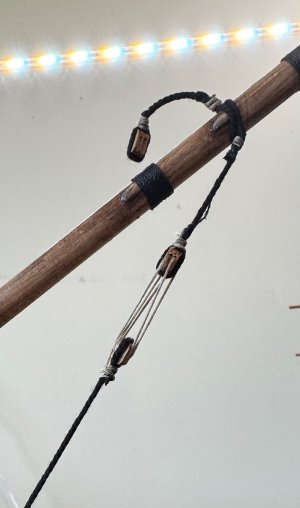
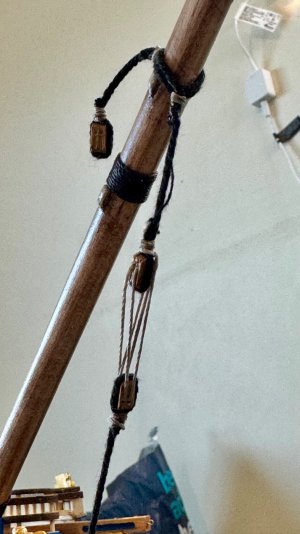
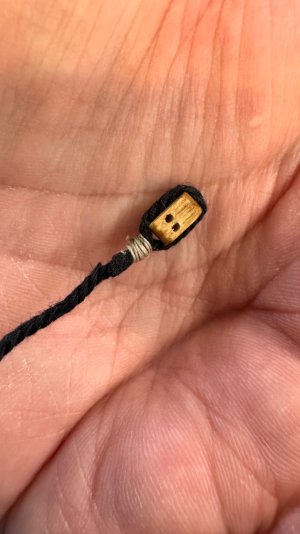
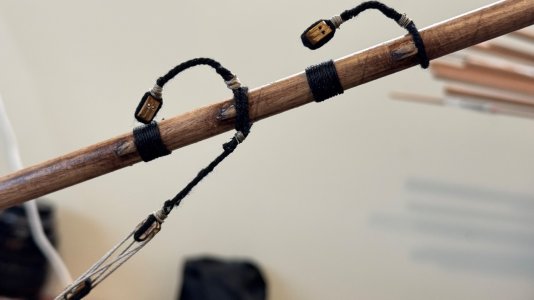
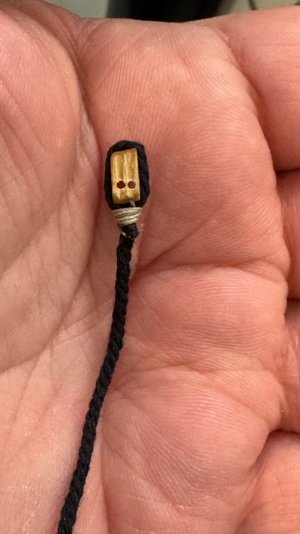
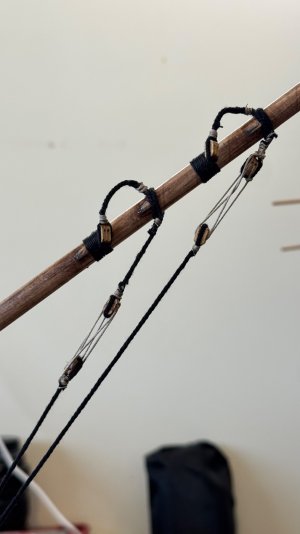
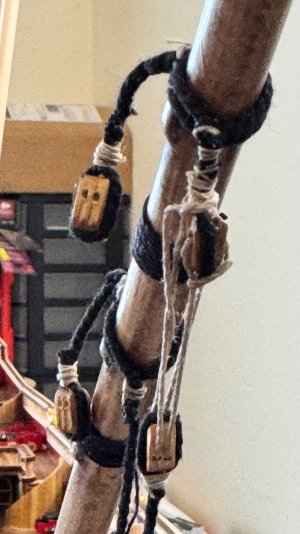
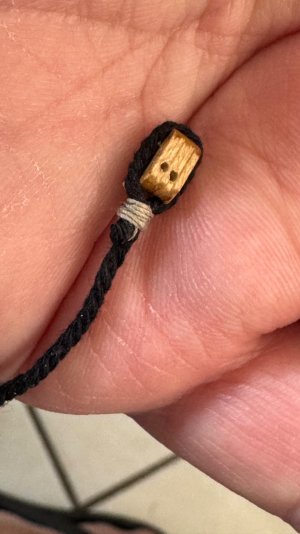
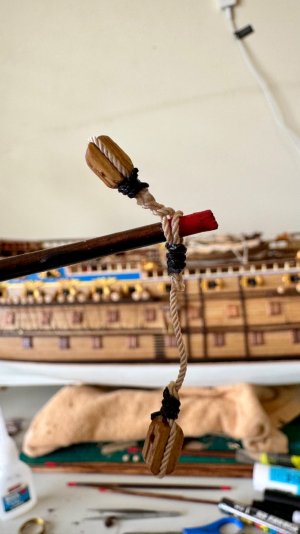
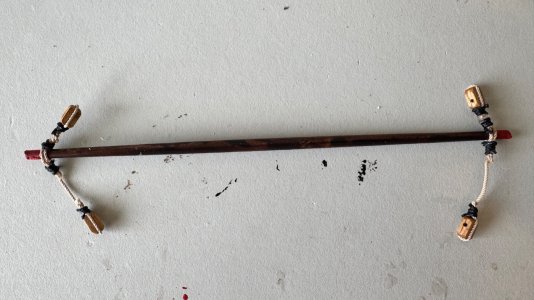
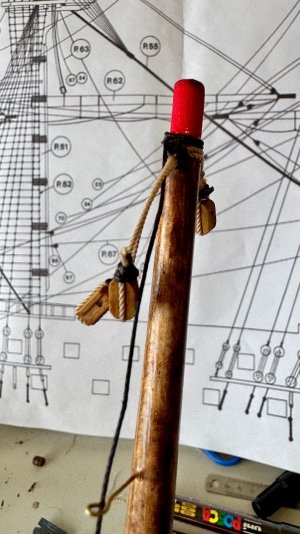
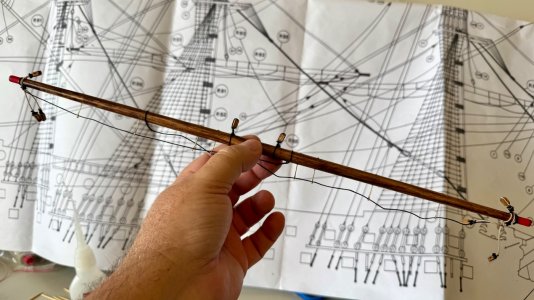
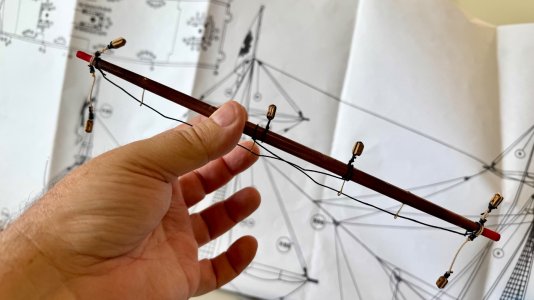
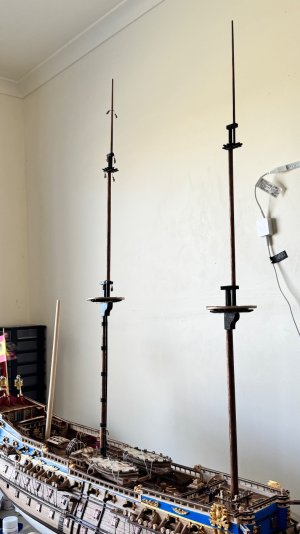
Over the last sessions I’ve been focusing on the spars, adding the pulleys (blocks) and completing the final detailing before they’re ready to be rigged. Each spar has been individually stained, weathered, and fitted with its blocks by hand. Nothing rushed here — just careful placement so everything looks functional, believable, and in scale.

You can really start to see how much life these little details add once the blocks are on. Even before rigging, the spars already look busy, purposeful, and ready for work — exactly how they should on a hard-working 17th-century warship.

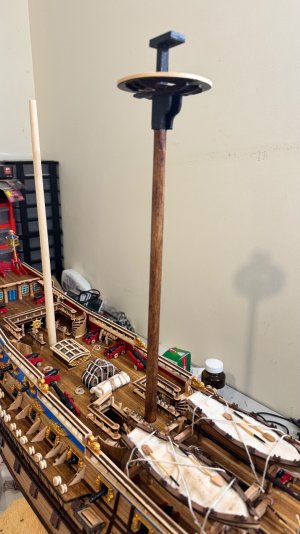
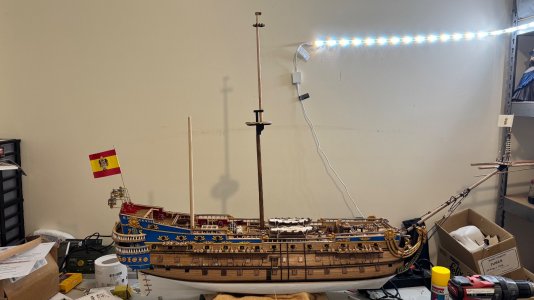
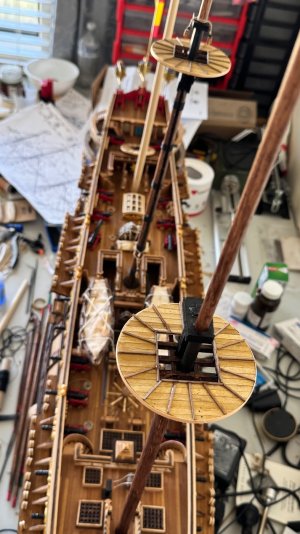
After that, I moved on to one of the big visual milestones of the build: the main mast.

Now… this is where I’ve deliberately stepped away from the supplied plans.

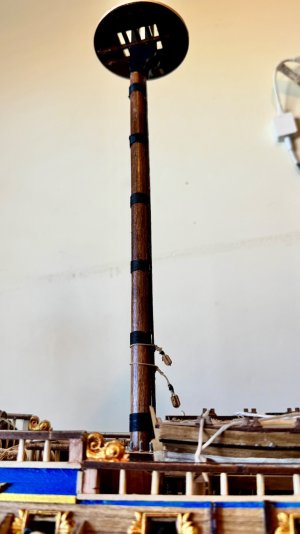
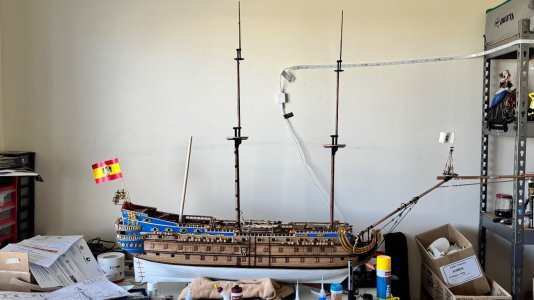
According to the plans, the mast height just didn’t sit right to my eye. Everything looked a bit too squat — almost compressed — especially for a ship of this presence and firepower. So rather than blindly following the drawings, I trusted proportions, reference material, and instinct.


I’ve increased the main mast height by approximately 20 cm over what the plans show.

And honestly?

I absolutely love it.

The taller mast instantly transforms the model:

• It improves the overall proportions

• It adds real vertical drama

• And it gives that unmistakable “wow factor” when you step back and look at the ship

This is a large, imposing vessel, and the mast height now reflects that. The ship looks more powerful, more dominant, and far closer to what you’d expect when imagining her under full sail.

This is one of those moments where I’m reminded that model building isn’t just about following instructions — it’s about interpretation, judgement, and sometimes having the confidence to say “that doesn’t look right to me” and fix it.

Still a lot of work ahead with rigging, yards, and sails — but seeing the masts start to rise really brings the whole ship to life.

Very happy with how this stage is coming together.

Onwards ⚓

IMG_1154.jpeg

IMG_1155.jpeg

IMG_1157.jpeg

IMG_1156.jpeg

IMG_1158.jpeg

IMG_1160.jpeg

IMG_1161.jpeg

IMG_1163.jpeg

IMG_1164.jpeg

IMG_1165.jpeg

IMG_1168.jpeg

IMG_1176.jpeg

IMG_1177.jpeg

IMG_1178.jpeg

IMG_1179.jpeg
 
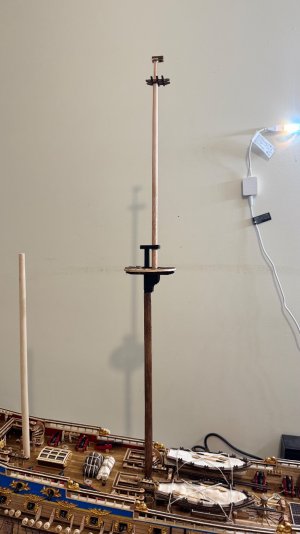
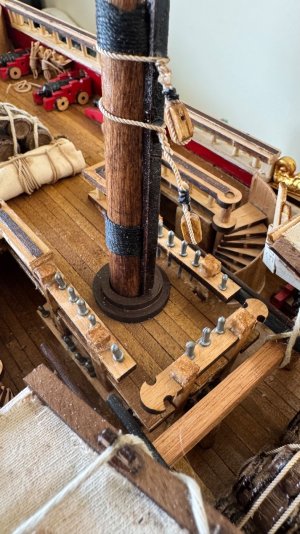
Update on my ZHL 1:50 Scale SAN FELIPE – Mast Construction Begins

Big milestone reached on the SAN Felipe build — I’ve officially started making the masts, and this is where the project really begins to show its presence.

After studying the kit plans closely (and dry-fitting against the hull), it became clear that the supplied mast dimensions were simply not in proportion to the sheer size and visual weight of this model. At 1:50 scale, this ship is large, and if the masts are underdone, the whole build loses impact no matter how good the hull looks.

So… I made the call to deviate from the plans.


What I Changed (and Why)

• Thicker dowels were selected to give the masts the correct visual mass

• Longer mast lengths to restore proper proportions and height

• Adjustments made deliberately to carry the power and scale of the hull upward, rather than letting it stop at deck level

On a ship like SAN Felipe, the hull is only half the story. The masts and rigging are what define her silhouette. If they’re too thin or too short, the ship looks top-heavy and wrong — especially at this scale.


Construction Details

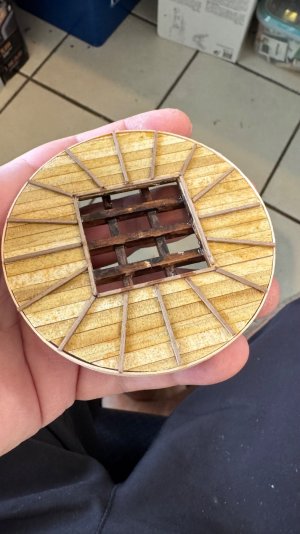
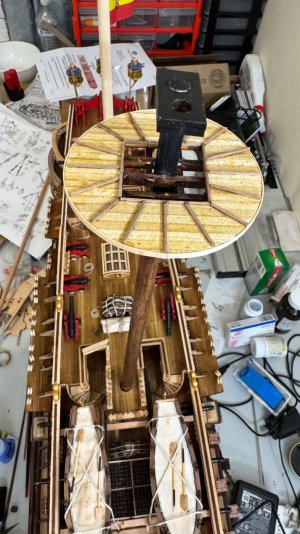
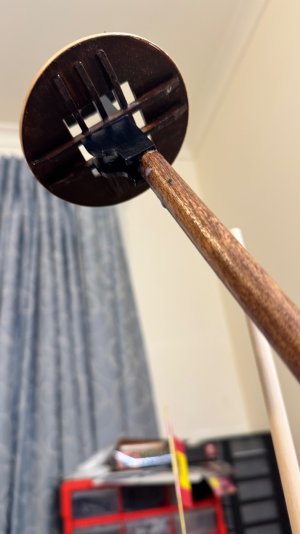
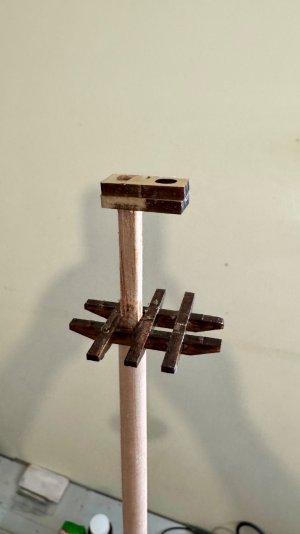
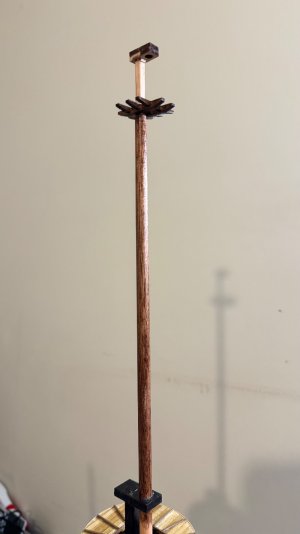
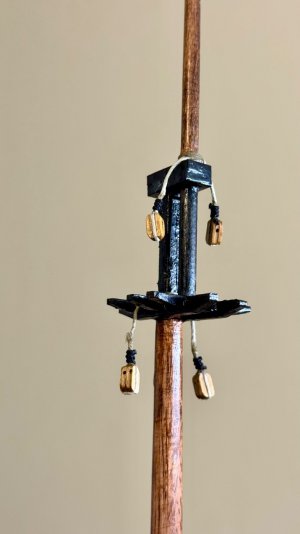
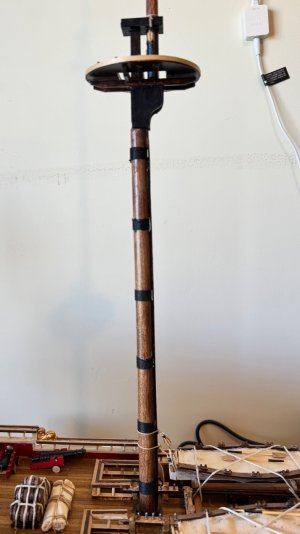
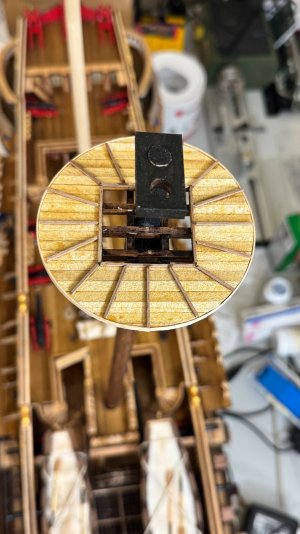
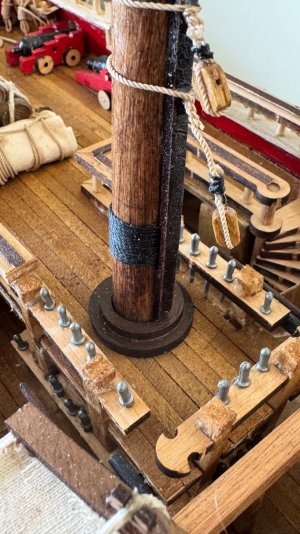
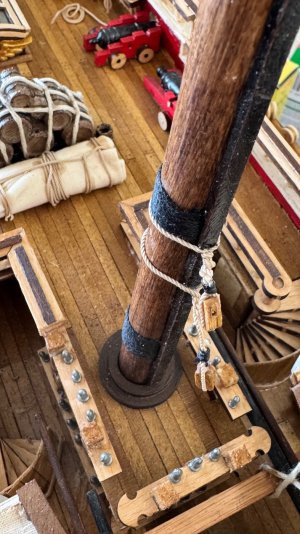
• Each mast section has been carefully shaped, tapered, and stained to bring out the timber grain

• Mast hoops, bindings, and reinforcement bands are being added to reflect real working practices of the period

• Platforms and fittings are scratch-built or modified, not just dropped in as kit parts

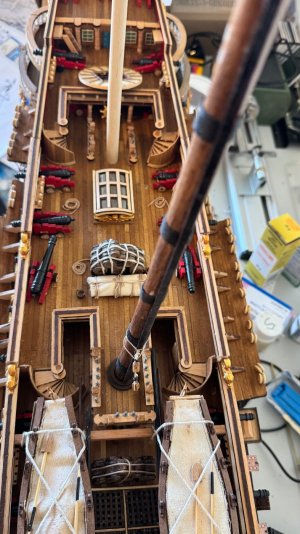
• Test-fitting constantly against the deck to ensure alignment, balance, and visual flow

Nothing here is rushed. Every decision is made with the finished rigging in mind.


⚓ Scale Matters at 1:50

This scale doesn’t forgive shortcuts:

• Lines need to hang naturally

• Blocks need breathing room

• Rigging must look functional, not decorative

By increasing mast thickness and height, the rigging will:

• Sit correctly in relation to the deck

• Maintain believable angles

• Match the drama and authority of the hull below


Philosophy Behind the Build

I’m not building this to blindly follow instructions — I’m building it to look right.

These were working warships, not showroom pieces. Slight variation, weight, and presence actually make them more believable. Perfection isn’t the goal — realism is.

This stage sets the foundation for everything that follows:

yards, shrouds, ratlines, lifts, braces, and sails. Get the masts right, and the rest will sing.

More updates soon as the mast assemblies continue and rigging preparation begins.

This ship is starting to stand tall — literally.

IMG_1195.jpeg

IMG_1215.jpeg

IMG_1216.jpeg

IMG_1217.jpeg

IMG_1218.jpeg

IMG_1220.jpeg

IMG_1221.jpeg

IMG_1222.jpeg

IMG_1223.jpeg

IMG_1224.jpeg

IMG_1225.jpeg
 
Back
Top