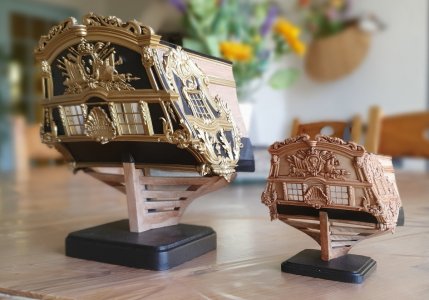
In this thread, I will discuss topics such as:
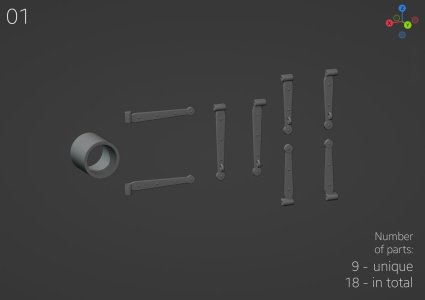
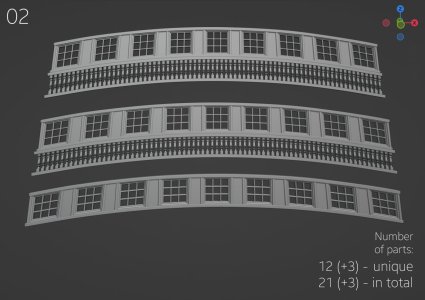
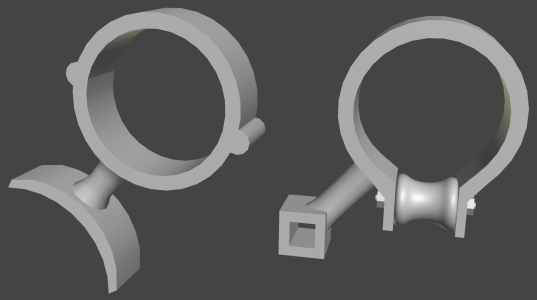
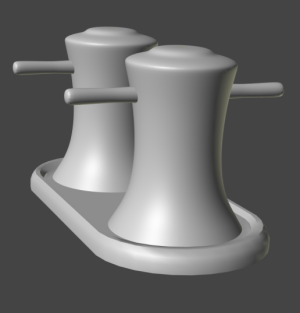
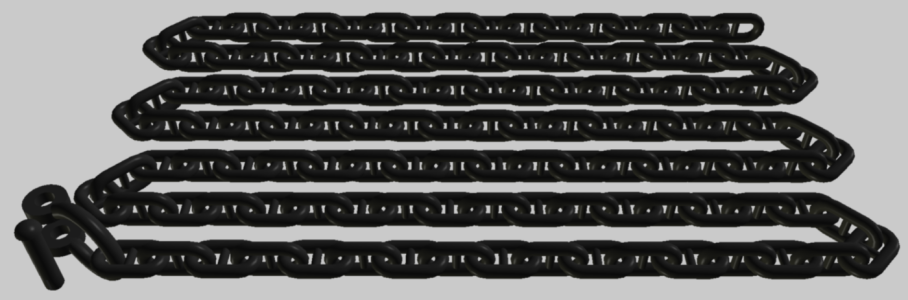
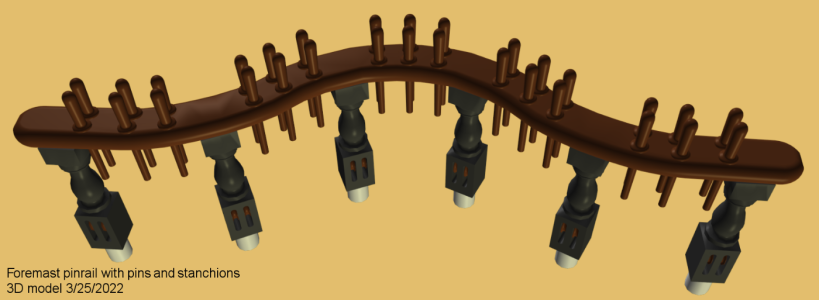
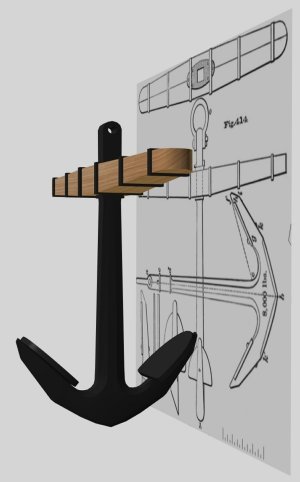
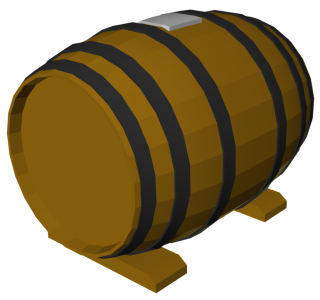
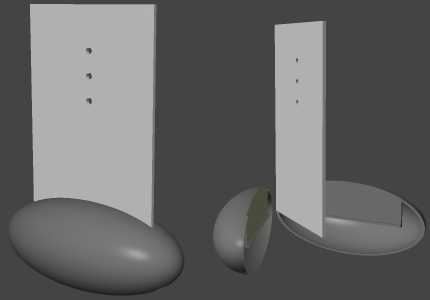
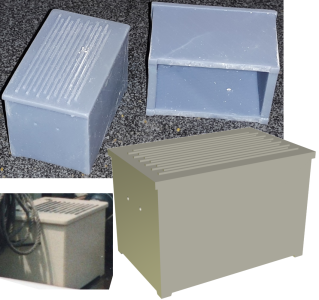
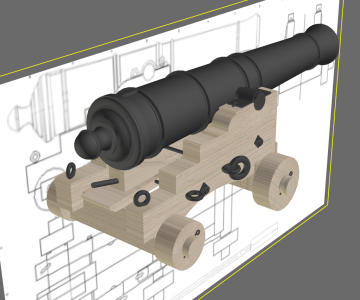
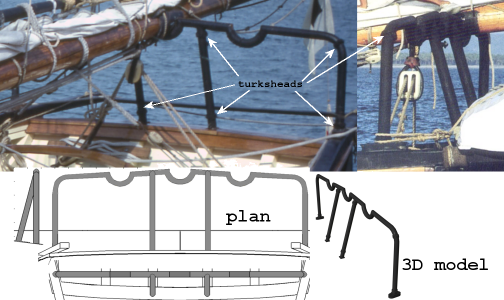
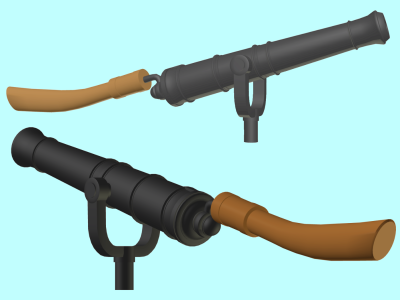
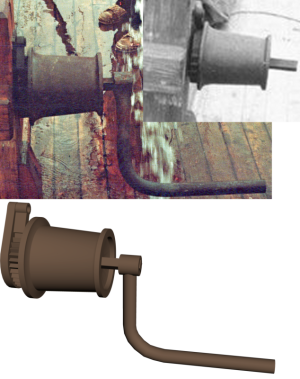
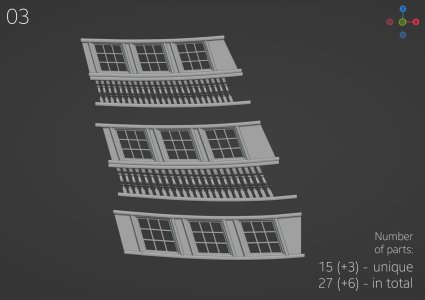
1. 3D modeling (drawing adaptation, software, parameters),
2. Preparing STL files for 3D printing (slicer, parameters, settings),
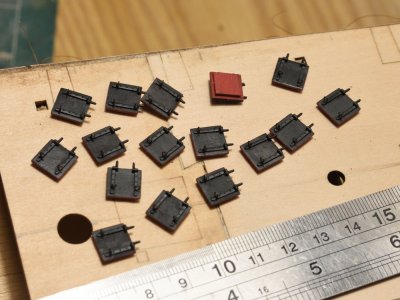
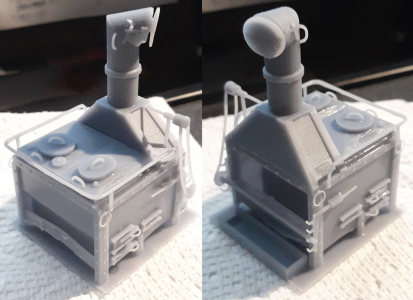
3. 3D printing (hardware, software, settings, and life hacks),
4. Post-processing and preparation for painting or galvanizing,
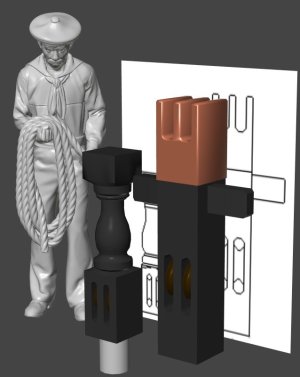
5. Results of copper plating (electroplating) of plastic parts,
6. Results of copper blackening after electroplating as an option for creating only metal parts from plastic.
This entire thread will primarily be a collection of links to posts from my model building threads, where I discuss each aspect of a given topic in detail.
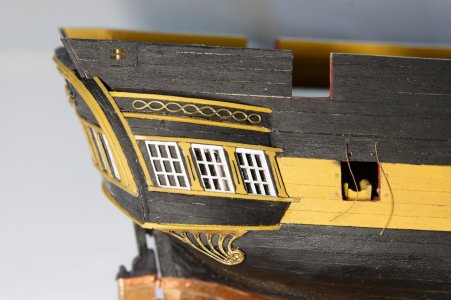
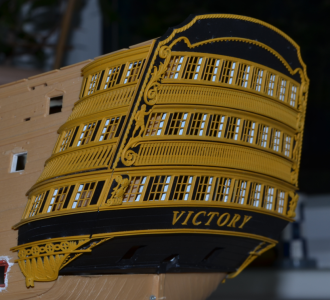
*Despite the skepticism surrounding 3D-printed parts—some consider them inauthentic and not canonical since they're not made of wood or metal—I hold a slightly different opinion. If printed parts look good and are well-painted, does it really matter what lies beneath the paint? If this process can simplify or speed up production, why not take advantage of it? I've always been intrigued by new possibilities, especially those that help me overcome my laziness. After all, modeling one part and replicating it multiple times is far more efficient than crafting each piece individually.
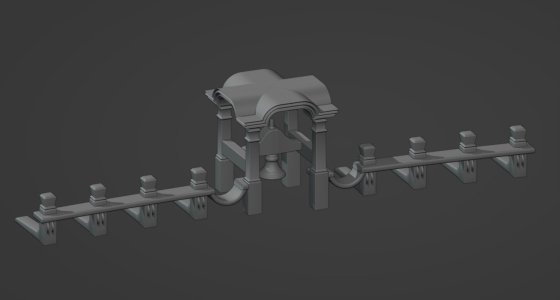
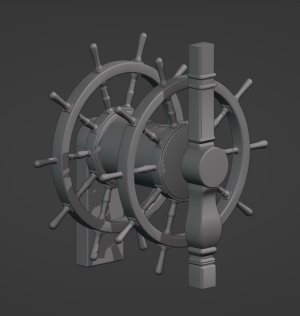
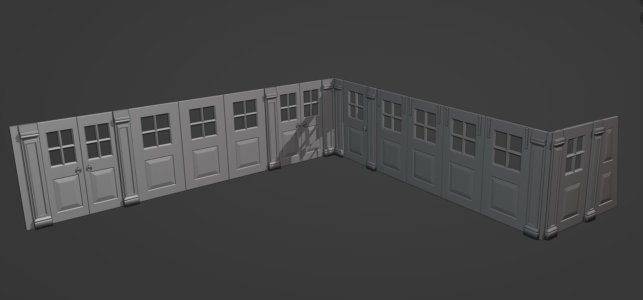
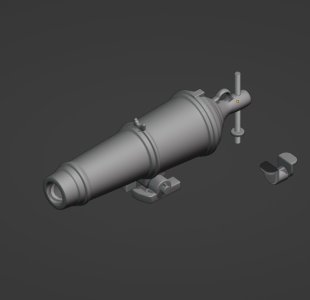
This is the introductory section (prologue), where I discuss errors such as:
1. Issues with scaling,
2. Correct positioning and supports,
3. Eliminating visible print layers, post-processing, and painting, etc.
>>> Link to the post "Errors in 3D" <<<

1. 3D modeling (drawing adaptation, software, parameters),
2. Preparing STL files for 3D printing (slicer, parameters, settings),
3. 3D printing (hardware, software, settings, and life hacks),
4. Post-processing and preparation for painting or galvanizing,
5. Results of copper plating (electroplating) of plastic parts,
6. Results of copper blackening after electroplating as an option for creating only metal parts from plastic.
This entire thread will primarily be a collection of links to posts from my model building threads, where I discuss each aspect of a given topic in detail.
*Despite the skepticism surrounding 3D-printed parts—some consider them inauthentic and not canonical since they're not made of wood or metal—I hold a slightly different opinion. If printed parts look good and are well-painted, does it really matter what lies beneath the paint? If this process can simplify or speed up production, why not take advantage of it? I've always been intrigued by new possibilities, especially those that help me overcome my laziness. After all, modeling one part and replicating it multiple times is far more efficient than crafting each piece individually.
This is the introductory section (prologue), where I discuss errors such as:
1. Issues with scaling,
2. Correct positioning and supports,
3. Eliminating visible print layers, post-processing, and painting, etc.
>>> Link to the post "Errors in 3D" <<<
Last edited: