


Just wonderful modeling, Maarten. It looks like it could be set into the Shipyard of the Amsterdam Admiralty for the continuation of construction...

 |
The beloved Ships in Scale Magazine is back and charting a new course for 2026! Discover new skills, new techniques, and new inspirations in every issue. NOTE THAT OUR NEXT ISSUE WILL BE July/August 2026 |
|
 |
As a way to introduce our brass coins to the community, we will raffle off a free coin during the month of August. Follow link ABOVE for instructions for entering. |
|



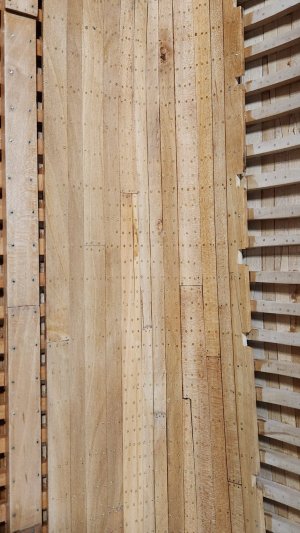

And now the treenails also comes alive. Nice choice, Maarten.Thx gents for your comments and likes. At the moment it will remain a little boring for a while as first the tween decks will be build before I further shape the hull.
A first layer of shellack is bringing the colours to life.
View attachment 573831
The outside will be treated with bitumen of judea and will get a dark and used appearance.And now the treenails also comes alive. Nice choice, Maarten.
Regards, Peter

A very true storyMaarten my dear friend
you are doing incredible work
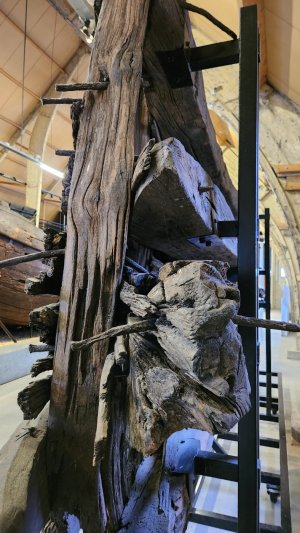
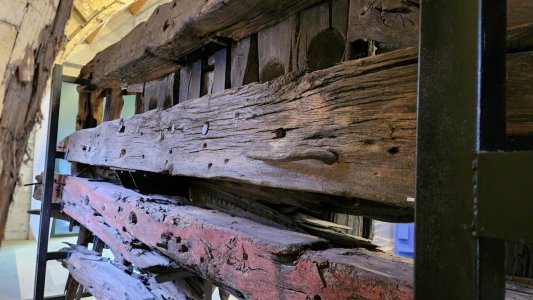
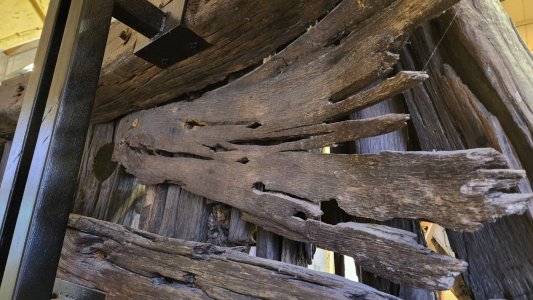
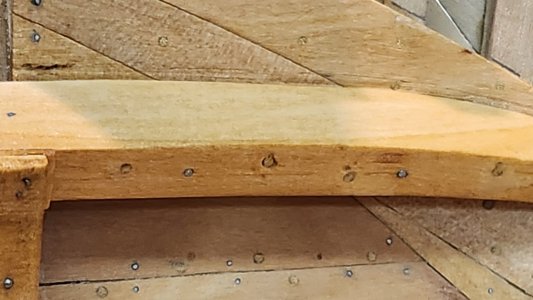 .
.
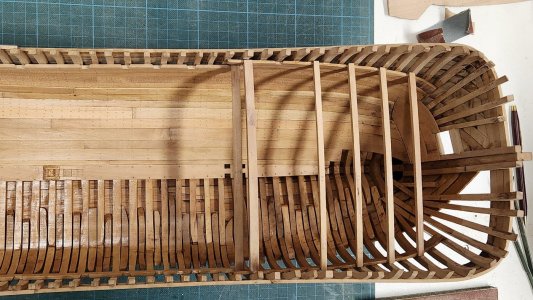
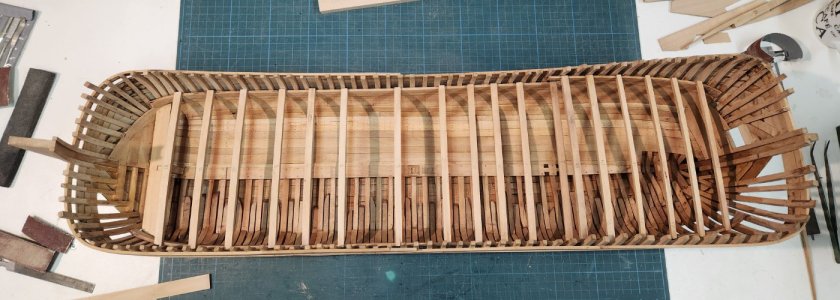
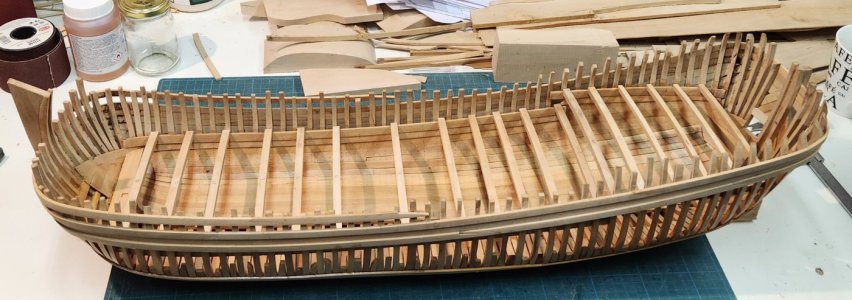

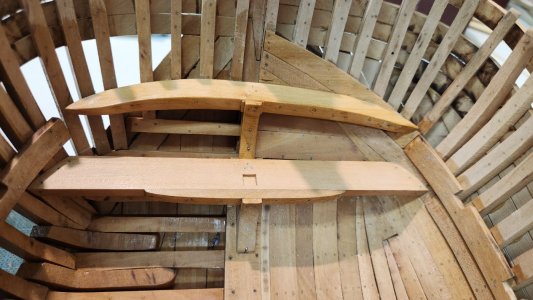
The beams accentuate her inner and outer lines very nice, Maarten.Next step is to finalize the deck beams of the great cabin.
These are smaller in size than the orlop deck beams as they don't have to carry much weight. I made them similar to the half deck in size. Except for the two fwd beams which carry the weight of the mizzen mast.
View attachment 575046
All deck beams are finished and dry fitted.
View attachment 575047
View attachment 575048
Next will be the "watergang" or waterways.
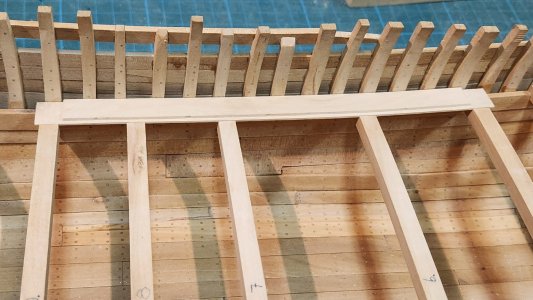
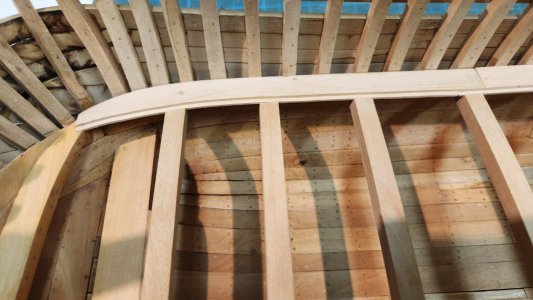
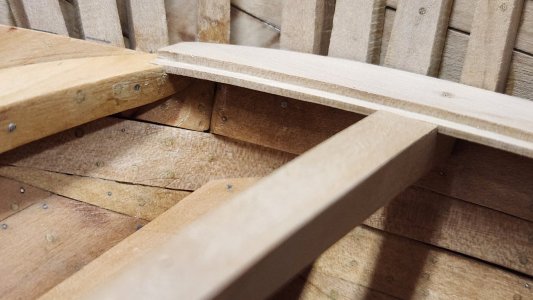
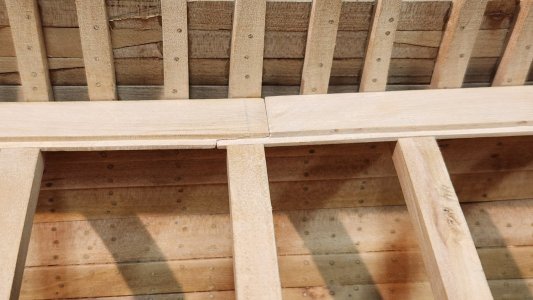
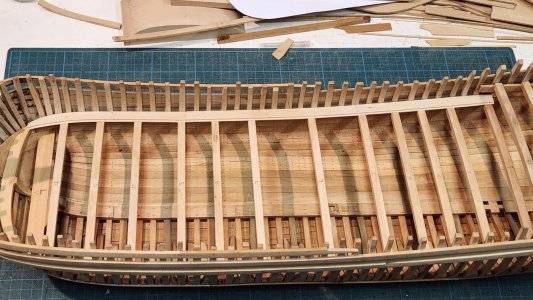
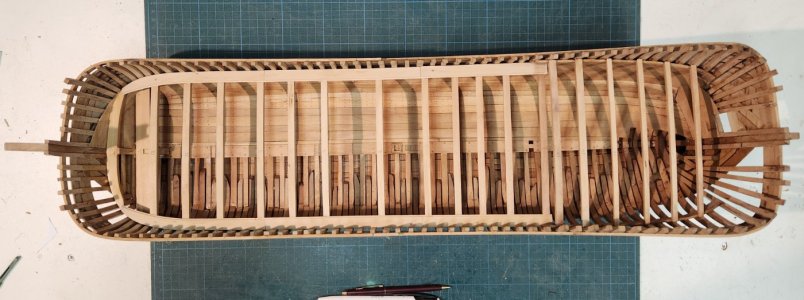
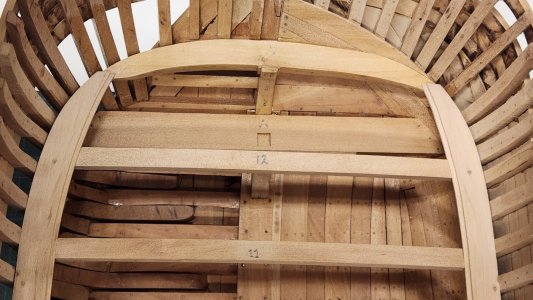
The waterways are beautifully joined and situated in the deck beams. A nice job, Maarten.Thanks for all comments and likes.
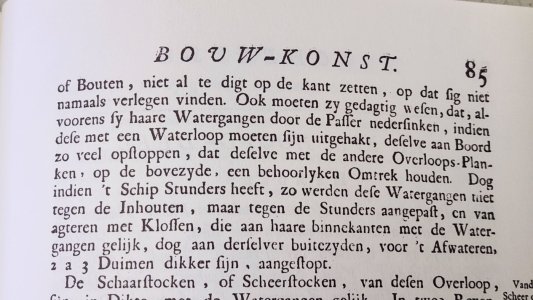
The next step is the "watergang" or waterway. Allthough this is a dry deck just at or below the waterline there are no scuppers in the waterways on this deck. I have based the size and construction of the waterways of the "overloop" orlop deck on Van Yk and the Vasa.
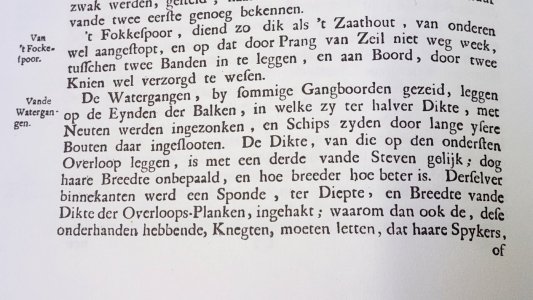
Van Yk mentions:
View attachment 575389
View attachment 575390
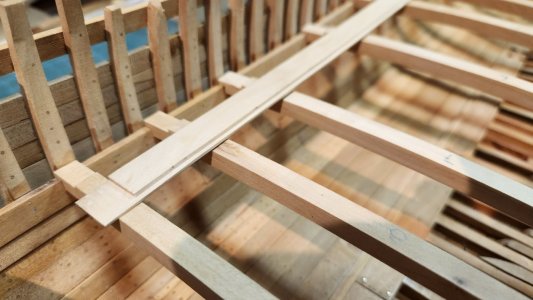
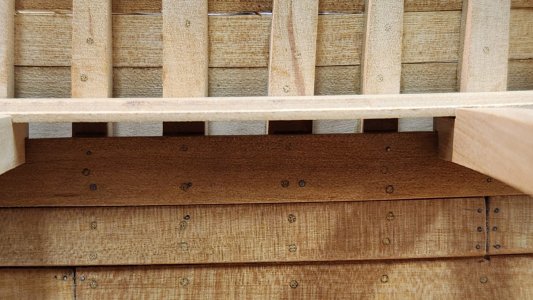
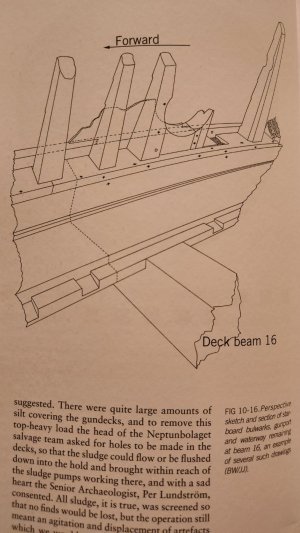
The waterways are with half their thickness counter sunk into the end of the deck beams. With long iron bolts they are fixated to the ships sides.
The thickness of the waterways on the orlop are 1/3 of the thicknes of the inner side of the stem. In my case that is around 1/3 of 1 Amsterdam foot which is in scale 2,6 mm of which 1,3 mm is counter sunk into the beams.
At the edge of the waterway a slot is made with the thicknes and width of the deck planks. The deck planks are half the thickness of the waterways.
I need to make a slot of 1,3 mm wide and deep.
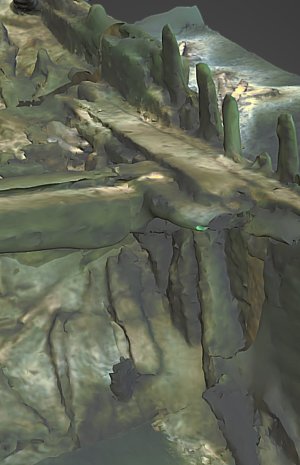
Below you see the waterway on tge orlop deck of the 3d photogrammetry model of the fluyt Anna Maria
View attachment 575393
Then he mentions that the shipwright shpuld not put any nails or bolts to close to the edge of the adjacent planks to avoid damaging this slot.
He mentions nails not treenails which confirms to me the deck planking was nailed with iron nails. I already had that idea which I will come back at in a later post.
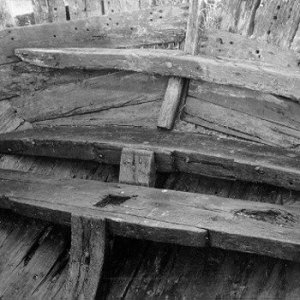
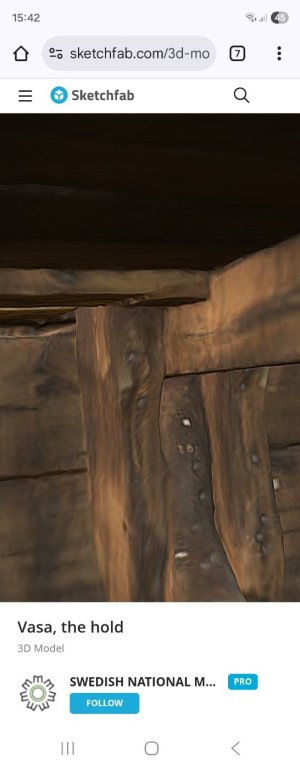
The watergang in my orlop deck is in three parts and these are joint by flat scarph joints. You can clearly see that in the 3D photogrammetry model of the Vasa Orlop deck.
View attachment 575392
And this is my middle watergang part with two flat scarph joints next to it recess in the deck beams.
View attachment 575394
And in place.
View attachment 575395
The fwd part also dry fitted.
View attachment 575396
It is counter sunk into the bow rider.
View attachment 575400
And the scarph joint on top of the deck beam.
View attachment 575397
Below the waterway there is a ventilation space for ventilation of the frames to avoid rot.
View attachment 575398
The whole sb waterway fitted
View attachment 575399
And both dry fitted.
View attachment 575402
View attachment 575401
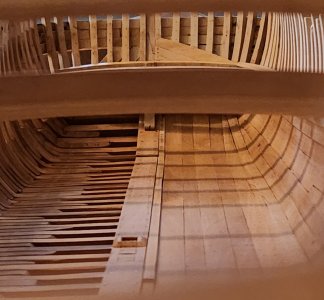
A nice view into the hold via the stern loading port.
View attachment 575403
Thanks Peter,The waterways are beautifully joined and situated in the deck beams. A nice job, Maarten.
Regards, Peter


I think he did it with a lot of stressVery nicely done, Maarten. I'm curious how you cut the step down on the waterway - the perfection of its width suggests a mill?

Hi Paul,Very nicely done, Maarten. I'm curious how you cut the step down on the waterway - the perfection of its width suggests a mill?

Dear Maarten - I always thing about the topview of a Samsonite suitcase...
You can certainly put your lunch in there to your workDear Maarten - I always thing about the topview of a Samsonite suitcase...