-
SUBSCRIBE TO SHIPS IN SCALE TODAY!
The beloved Ships in Scale Magazine is back and charting a new course for 2026!
Discover new skills, new techniques, and new inspirations in every issue.
NOTE THAT OUR NEXT ISSUE WILL BE MARCH/APRIL 2026 -

Win a Free Custom Engraved Brass Coin!!!
As a way to introduce our brass coins to the community, we will raffle off a free coin during the month of August. Follow link ABOVE for instructions for entering.
You are using an out of date browser. It may not display this or other websites correctly.
You should upgrade or use an alternative browser.
You should upgrade or use an alternative browser.


- Joined
- Mar 1, 2022
- Messages
- 786
- Points
- 353

Nice progress!


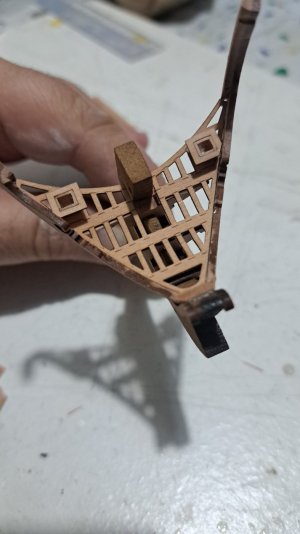
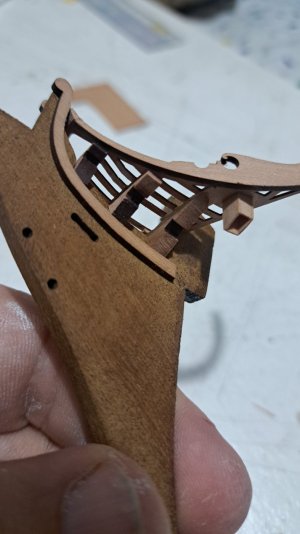
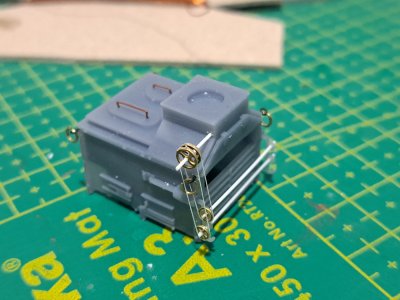
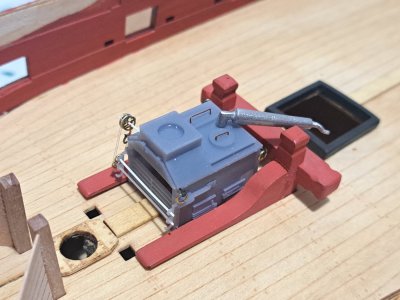
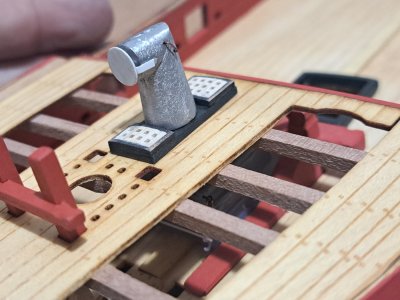
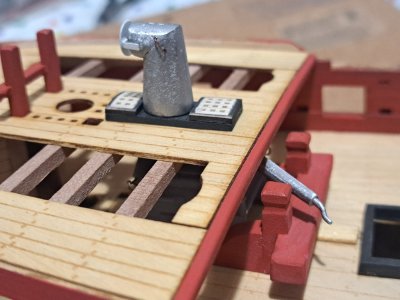
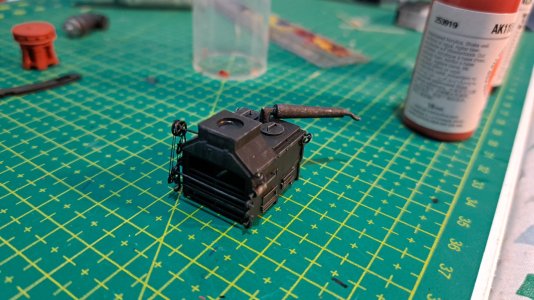
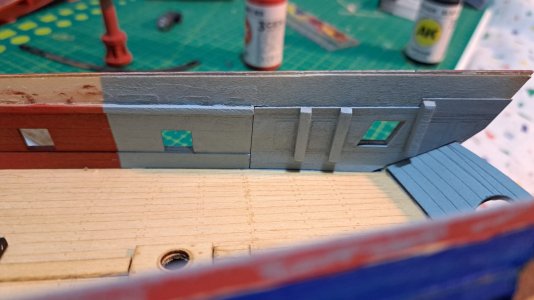
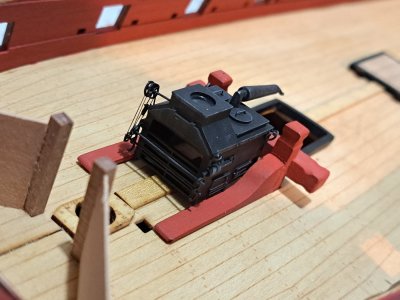
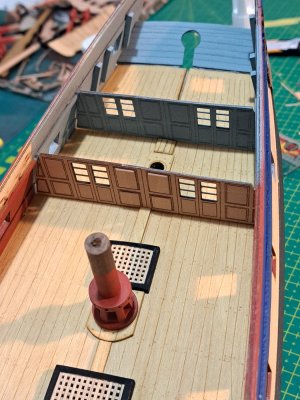
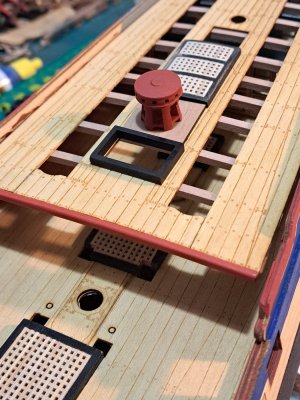
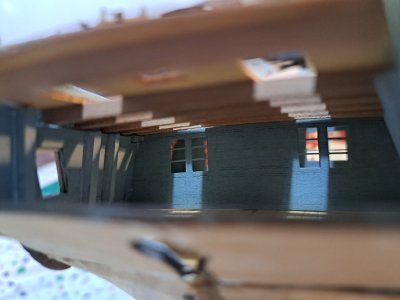
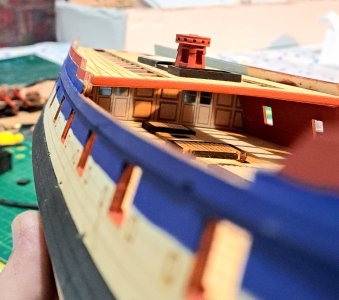
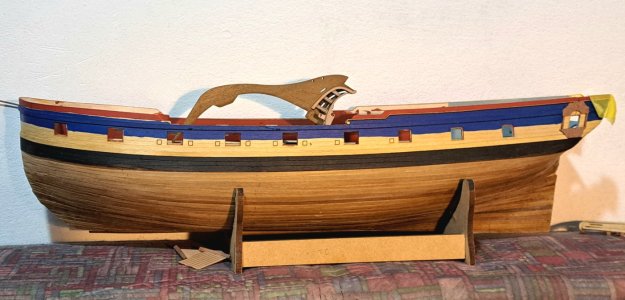
Good morning Lucian. So many scratch upgrades - beautiful work. Cheers Grantpainting day. cabin, new capstains and galley
View attachment 594000
View attachment 594001
View attachment 594002
View attachment 594003
View attachment 594004
View attachment 594005
View attachment 594006

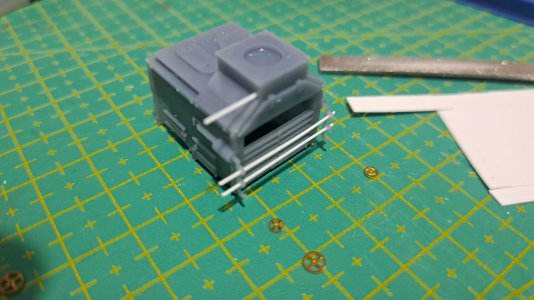
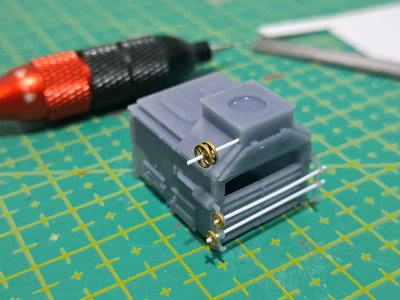
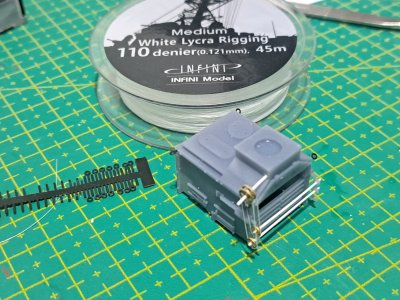
Dear Lucian! You have an interesting discrepancy. You showed a galley stove designed by Brodie. It appeared in 1781.
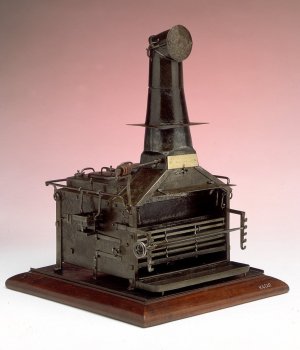
This stove could not have been on the Pegasus, because that ship sank in 1777.
We understand that you won't be rebuilding it, but let's warn other ship modelers: the Brodie stove cannot be installed on the Pegasus.
Differences between the Brodie stove and earlier stoves:
1. A distiller (still) was installed to produce fresh water. You painted the still black, but in reality it was made of copper. There were usually two stills. The stove had two channels designed for installing the stills.
2. The chimney always had a circular cross-section.
3. A fan was located in the chimney, which, through a system of gears and a belt drive, rotated the braziers.
4. A special pipeline was installed at the bottom of the furnace to remove the remaining burnt coal and soot. The soot and burnt coal were diluted with water, and it flowed down the pipeline to the lower deck.
5. Brodie's stove always stood on legs to leave space between it and the deck.
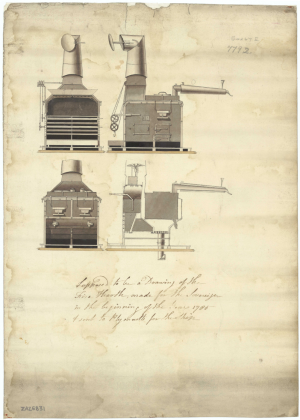
Pegasus had a stove similar to the one in the drawings below:
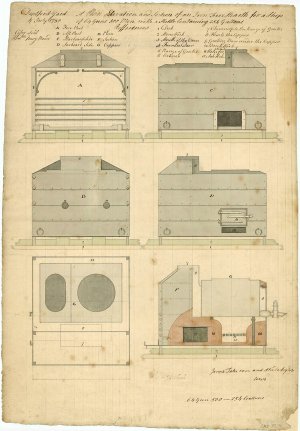
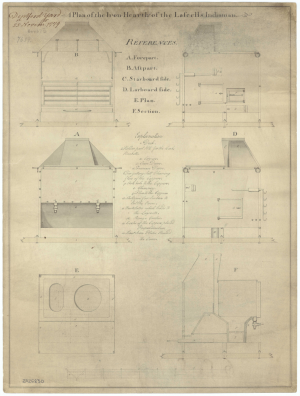
This stove could not have been on the Pegasus, because that ship sank in 1777.
We understand that you won't be rebuilding it, but let's warn other ship modelers: the Brodie stove cannot be installed on the Pegasus.
Differences between the Brodie stove and earlier stoves:
1. A distiller (still) was installed to produce fresh water. You painted the still black, but in reality it was made of copper. There were usually two stills. The stove had two channels designed for installing the stills.
2. The chimney always had a circular cross-section.
3. A fan was located in the chimney, which, through a system of gears and a belt drive, rotated the braziers.
4. A special pipeline was installed at the bottom of the furnace to remove the remaining burnt coal and soot. The soot and burnt coal were diluted with water, and it flowed down the pipeline to the lower deck.
5. Brodie's stove always stood on legs to leave space between it and the deck.
Pegasus had a stove similar to the one in the drawings below:
Dear Lucian!
You've done a great job of refining many of the model's details. Would you like to make the model even more precise?
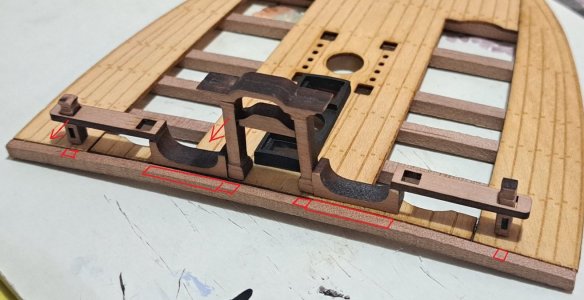
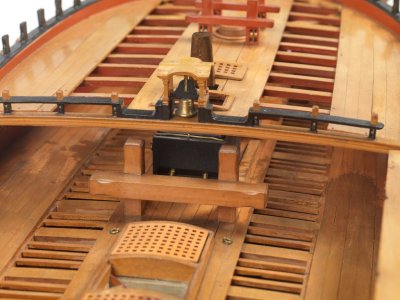
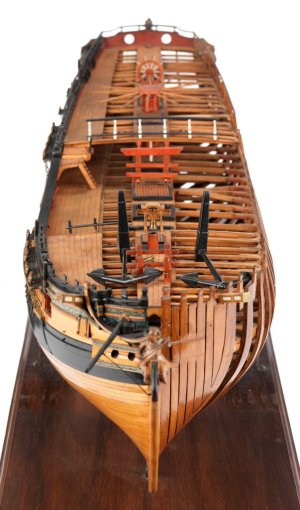
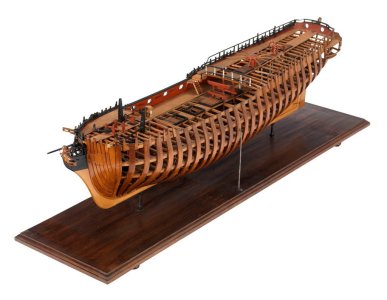
The first beam of the quarterdeck and the last beam of the forecastle were always larger and wider than the other beams. These beams had a groove for laying deck boards. But most of the beams were bare, not covered with boards.
The quarterdeck's forward rail has always been positioned on the bare first quarterdeck beam. Do not place this rail on the deck planks. This is a rule of English shipbuilding.
Widen the beam and relocate the rail.
The final forecastle beam will need to be widened in the same way. The bell tower, spare spar pads, and bollards need to be installed on the bare portion of the forecastle beam.
This is an error in the Amati model.
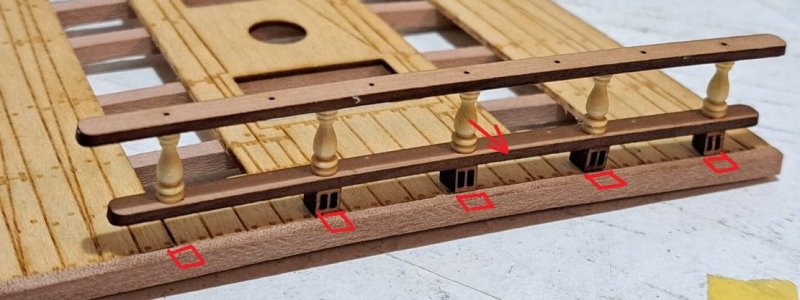
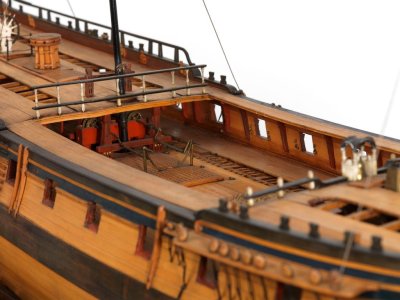
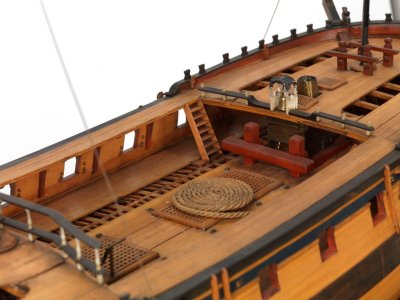
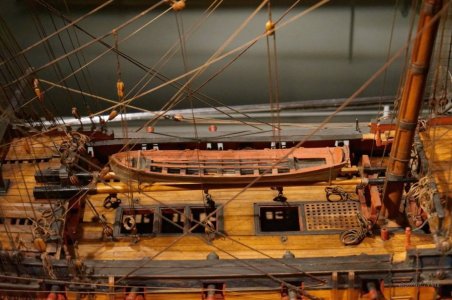
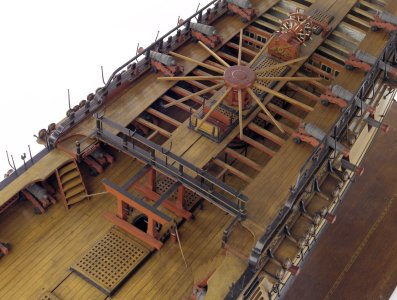
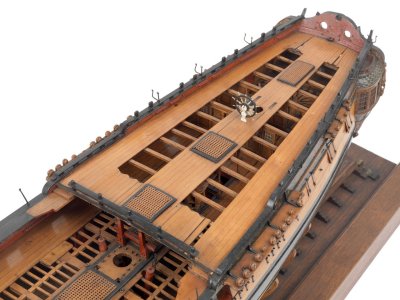
You've done a great job of refining many of the model's details. Would you like to make the model even more precise?
The first beam of the quarterdeck and the last beam of the forecastle were always larger and wider than the other beams. These beams had a groove for laying deck boards. But most of the beams were bare, not covered with boards.
The quarterdeck's forward rail has always been positioned on the bare first quarterdeck beam. Do not place this rail on the deck planks. This is a rule of English shipbuilding.
Widen the beam and relocate the rail.
The final forecastle beam will need to be widened in the same way. The bell tower, spare spar pads, and bollards need to be installed on the bare portion of the forecastle beam.
This is an error in the Amati model.
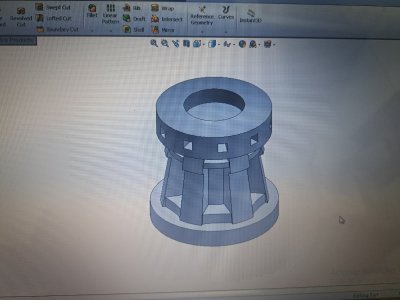
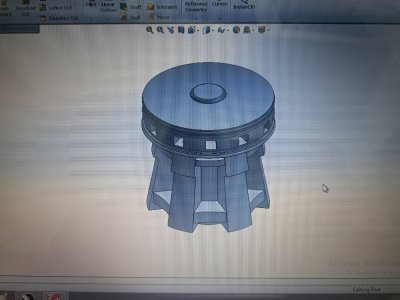
thank you Iutar, will redesign the stove. much appreciated. The other obervations will also be put in practice.Spasiva!Dear Lucian! You have an interesting discrepancy. You showed a galley stove designed by Brodie. It appeared in 1781.
View attachment 594096
View attachment 594097
This stove could not have been on the Pegasus, because that ship sank in 1777.
We understand that you won't be rebuilding it, but let's warn other ship modelers: the Brodie stove cannot be installed on the Pegasus.
Differences between the Brodie stove and earlier stoves:
1. A distiller (still) was installed to produce fresh water. You painted the still black, but in reality it was made of copper. There were usually two stills. The stove had two channels designed for installing the stills.
2. The chimney always had a circular cross-section.
3. A fan was located in the chimney, which, through a system of gears and a belt drive, rotated the braziers.
4. A special pipeline was installed at the bottom of the furnace to remove the remaining burnt coal and soot. The soot and burnt coal were diluted with water, and it flowed down the pipeline to the lower deck.
5. Brodie's stove always stood on legs to leave space between it and the deck.
Pegasus had a stove similar to the one in the drawings below:
View attachment 594098
View attachment 594099
L
ooking good Lucian.
I have redesigned the correct stove. thanks again!Dear Lucian! You have an interesting discrepancy. You showed a galley stove designed by Brodie. It appeared in 1781.
View attachment 594096
View attachment 594097
This stove could not have been on the Pegasus, because that ship sank in 1777.
We understand that you won't be rebuilding it, but let's warn other ship modelers: the Brodie stove cannot be installed on the Pegasus.
Differences between the Brodie stove and earlier stoves:
1. A distiller (still) was installed to produce fresh water. You painted the still black, but in reality it was made of copper. There were usually two stills. The stove had two channels designed for installing the stills.
2. The chimney always had a circular cross-section.
3. A fan was located in the chimney, which, through a system of gears and a belt drive, rotated the braziers.
4. A special pipeline was installed at the bottom of the furnace to remove the remaining burnt coal and soot. The soot and burnt coal were diluted with water, and it flowed down the pipeline to the lower deck.
5. Brodie's stove always stood on legs to leave space between it and the deck.
Pegasus had a stove similar to the one in the drawings below:
View attachment 594098
View attachment 594099
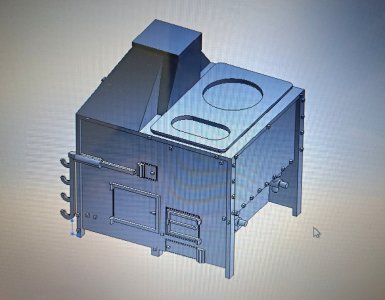
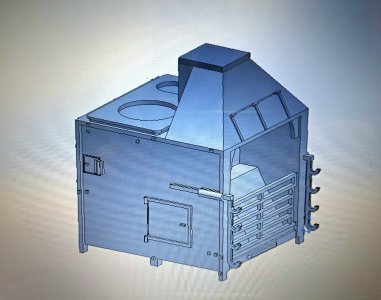
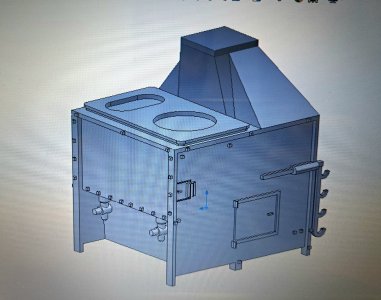


Nice work.
thank you so much. honoredNice work.

Hello Lucian,
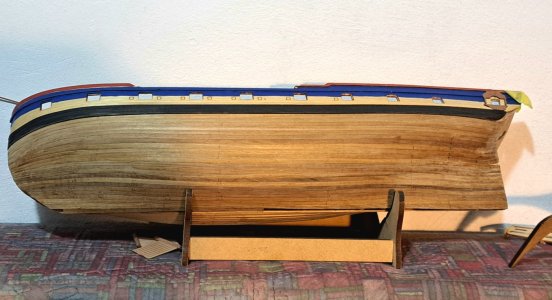
Nice progress. Your color scheme looks just like your Romanian flag! Coincidence?
Nice progress. Your color scheme looks just like your Romanian flag! Coincidence?
thanks. never thought of it that wayHello Lucian,
Nice progress. Your color scheme looks just like your Romanian flag! Coincidence?