



• Win a Free Custom Engraved Brass Coin!!!
    As a way to introduce our brass coins to the community, we will raffle off a free coin during the month of August. Follow link ABOVE for instructions for entering.
  • SUBSCRIBE TO SHIPS IN SCALE TODAY!

    The beloved Ships in Scale Magazine is back and charting a new course for 2026!
    Discover new skills, new techniques, and new inspirations in every issue.

    NOTE THAT OUR NEXT ISSUE WILL BE MARCH/APRIL 2026

„Święty Jerzy” („Sankt Georg”) 1627 – reconstructing an opponent of „Vasa”

Joined
Apr 26, 2023
Messages
835
Points
403

Location
European Union
.
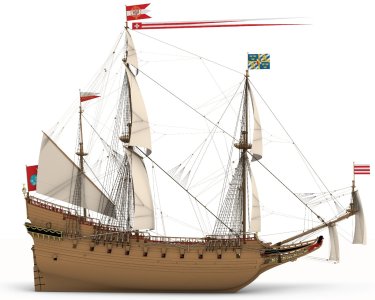
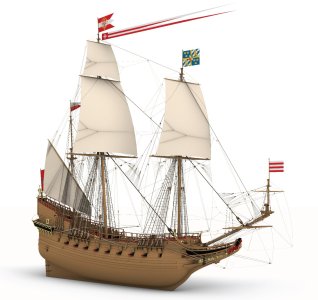
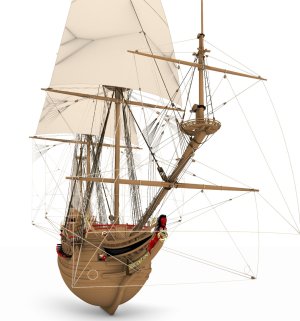
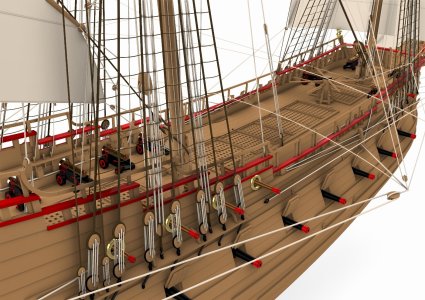
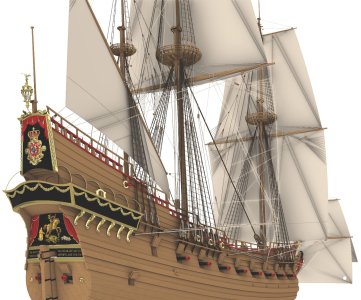
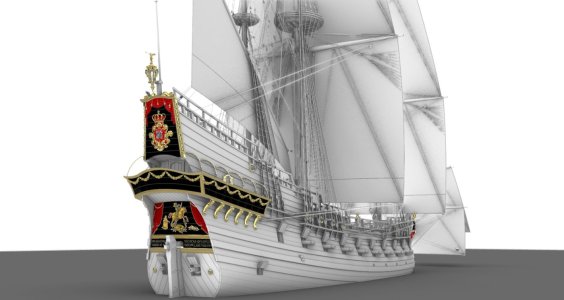
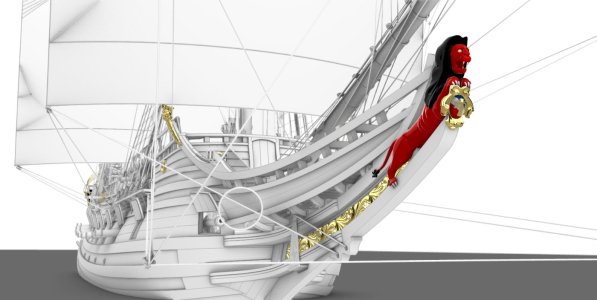
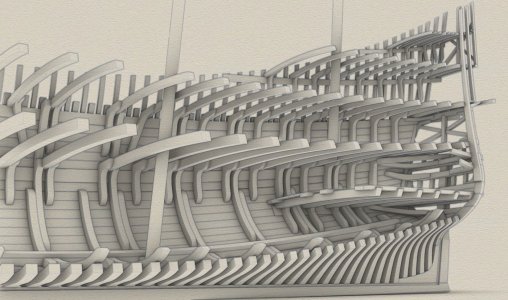
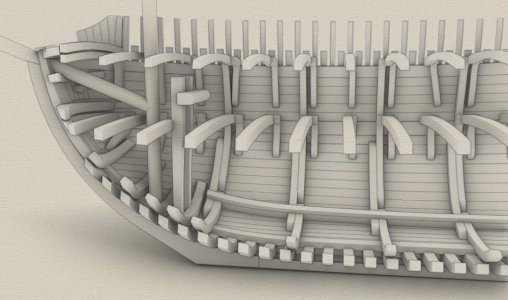
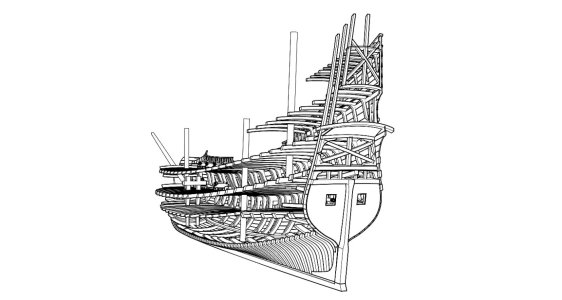
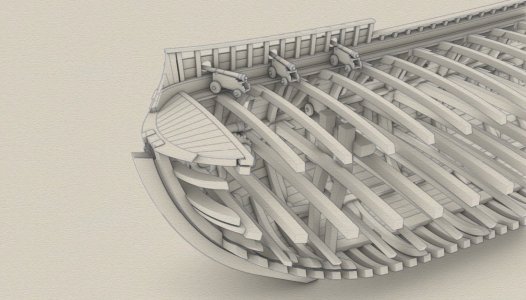
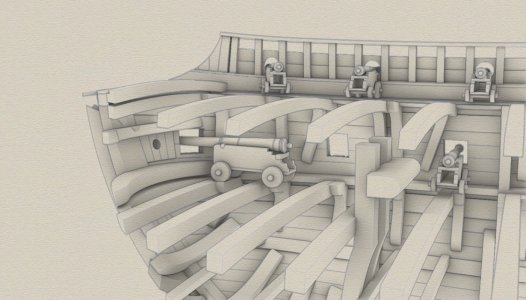
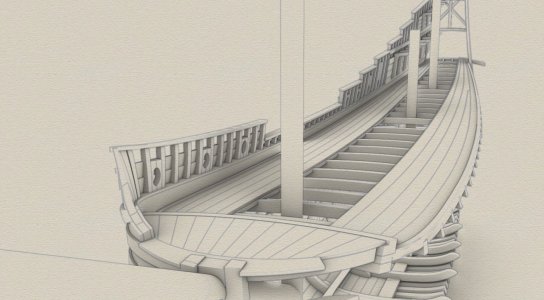
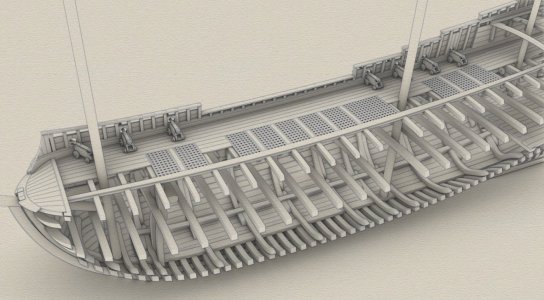
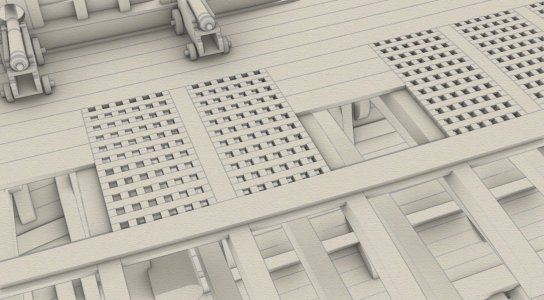
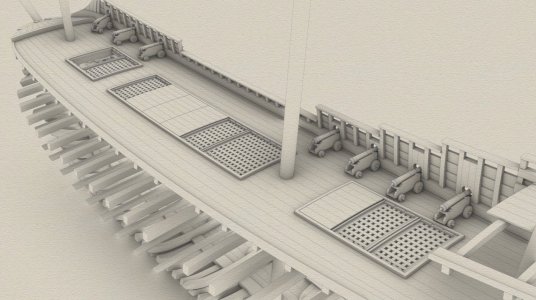
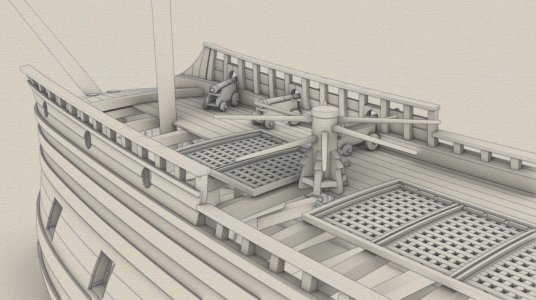
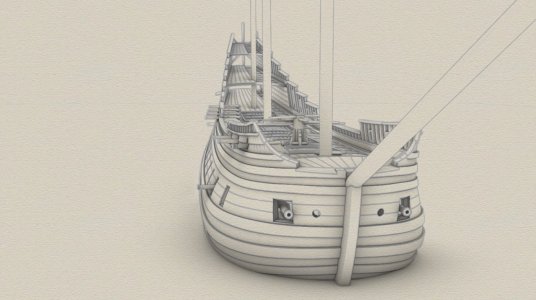
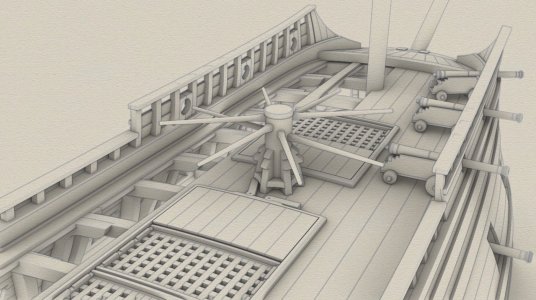
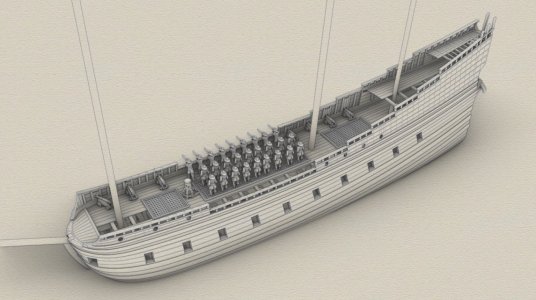
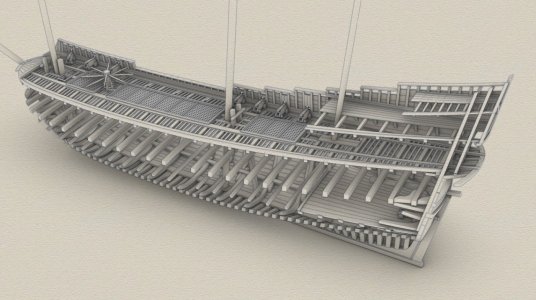
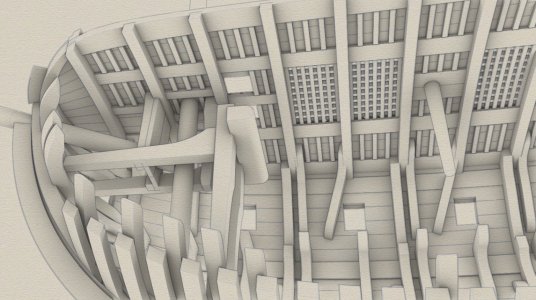
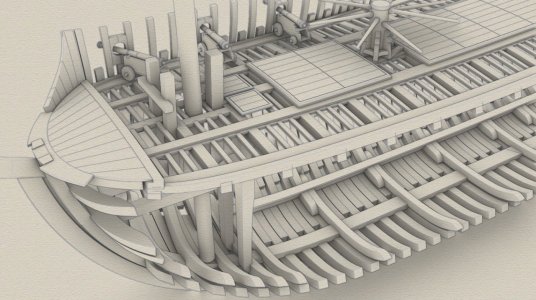
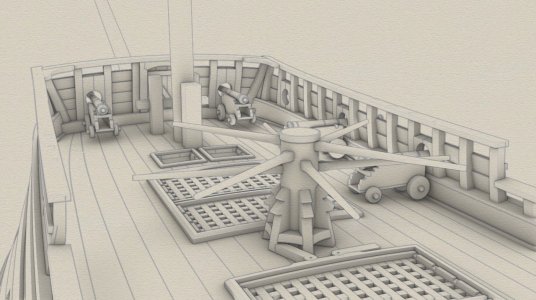
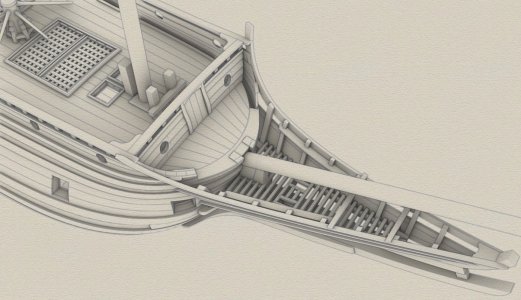
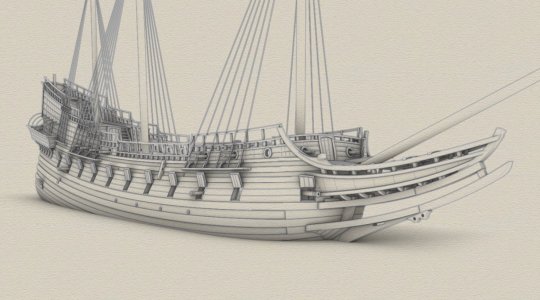
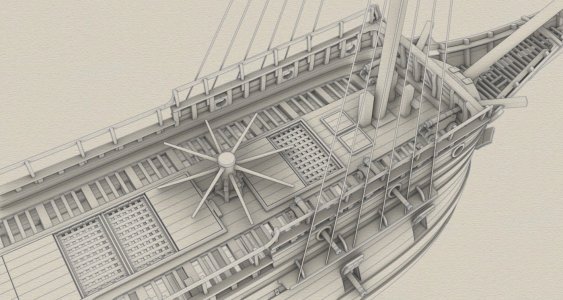
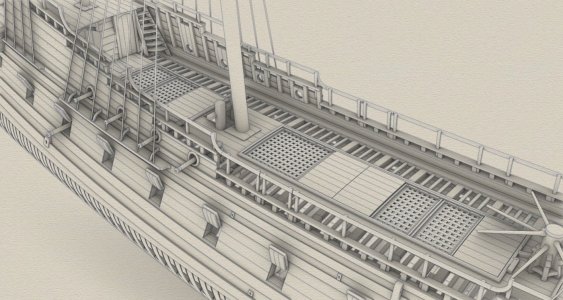
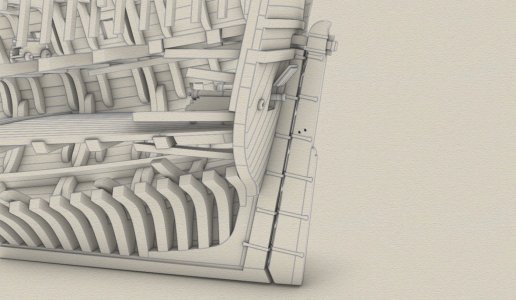
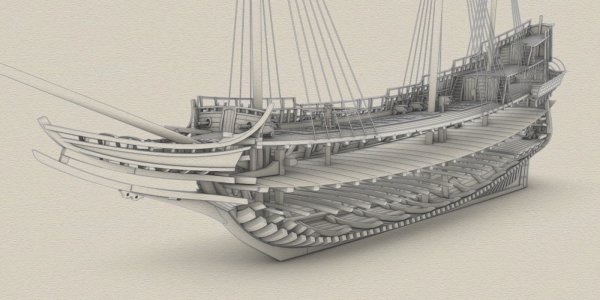
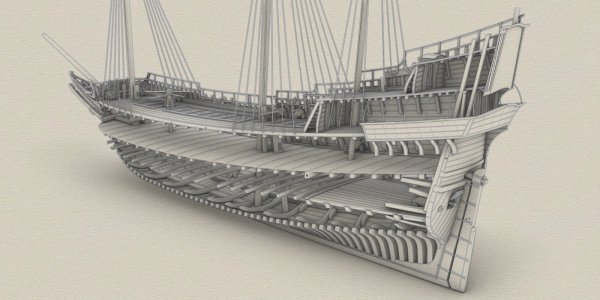
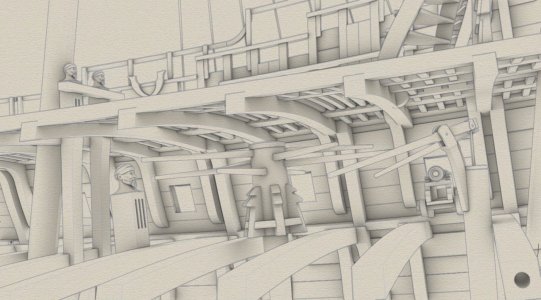
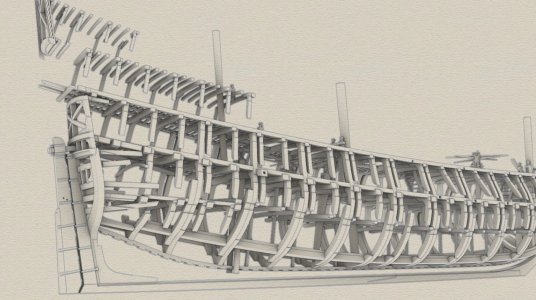
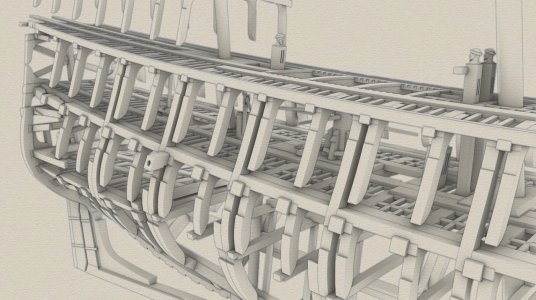
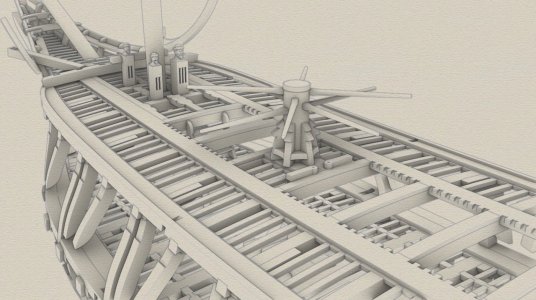
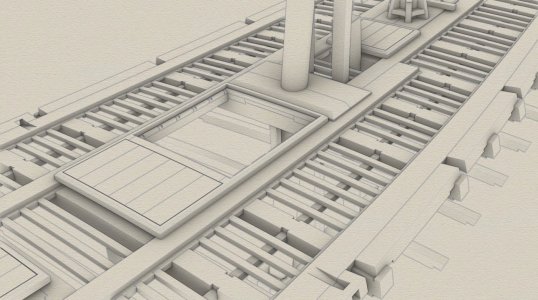
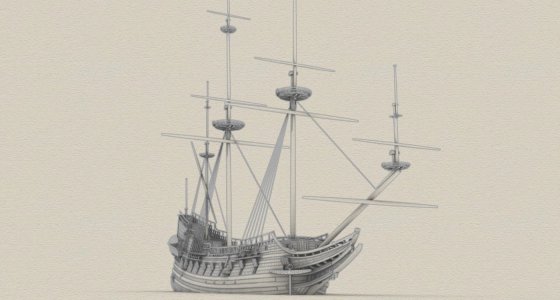
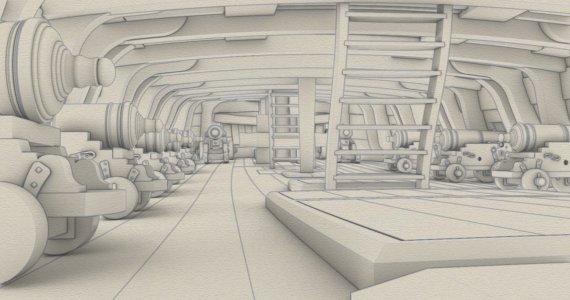
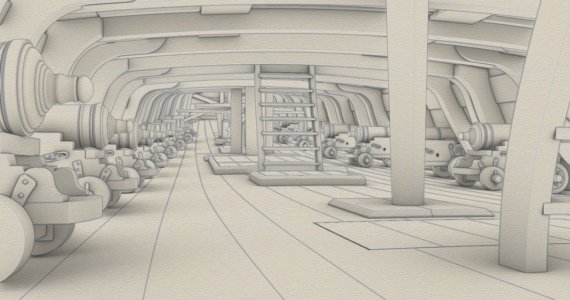
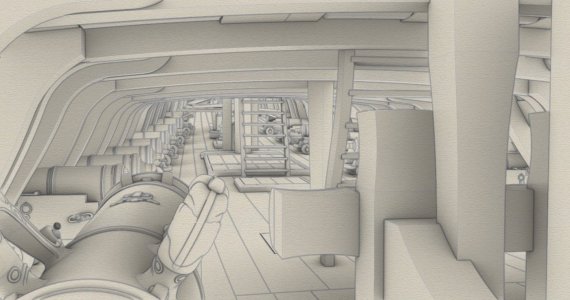
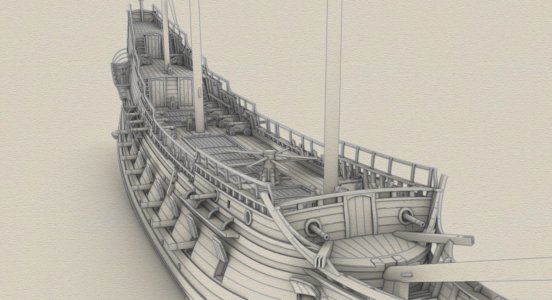
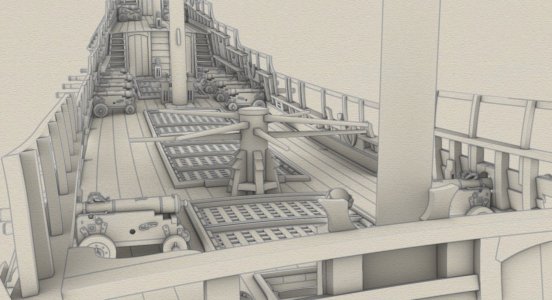
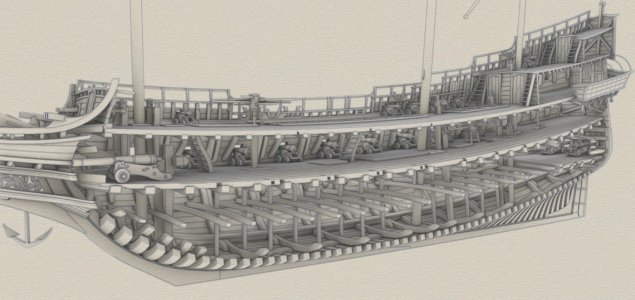
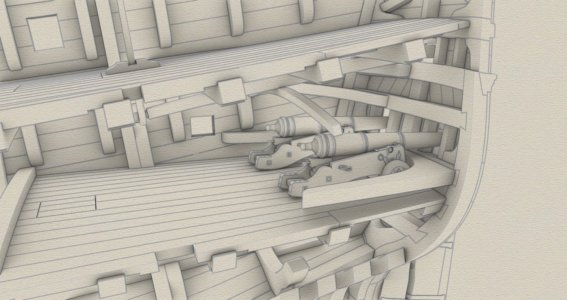
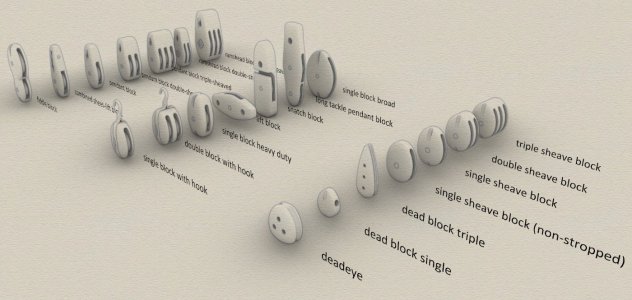
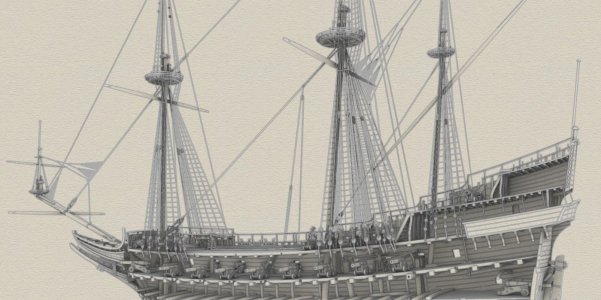
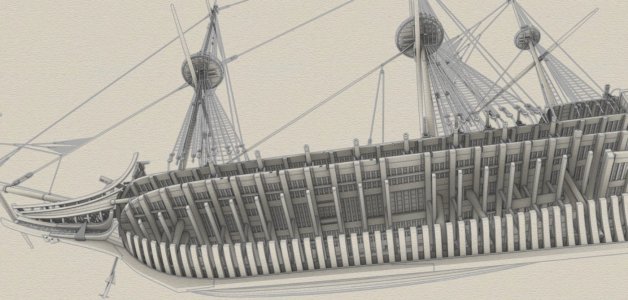
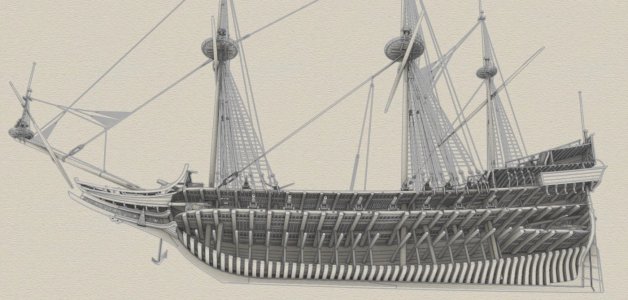
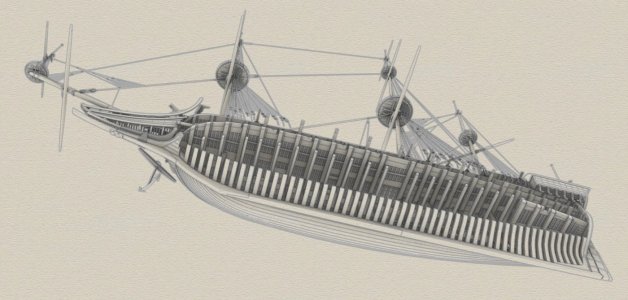
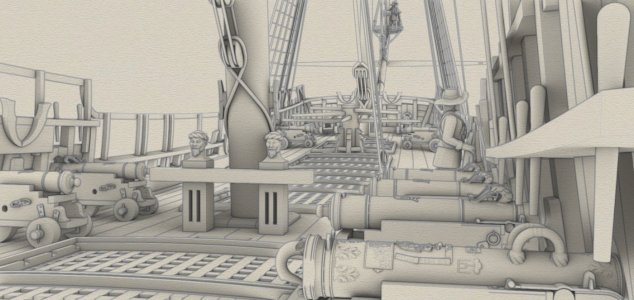
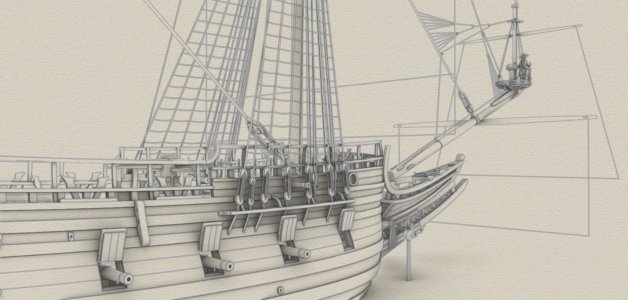
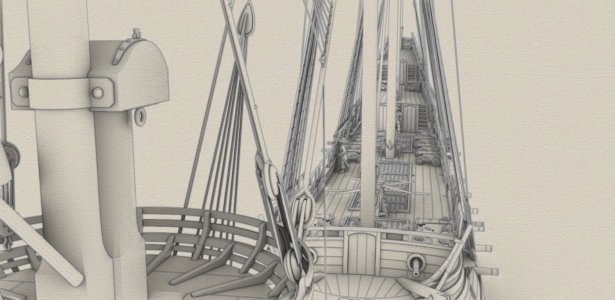
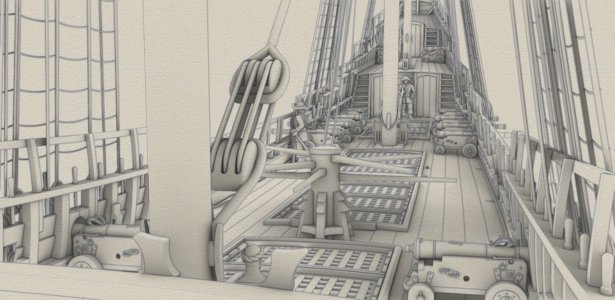
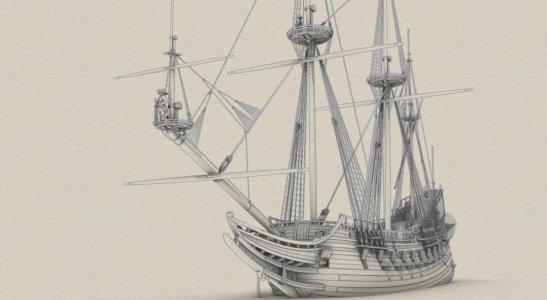
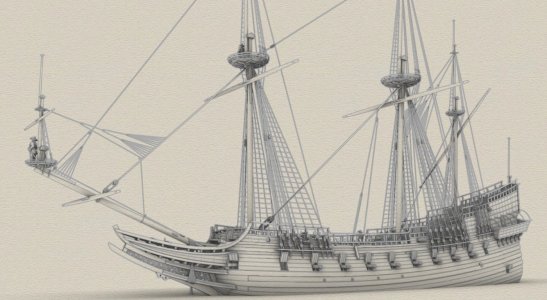
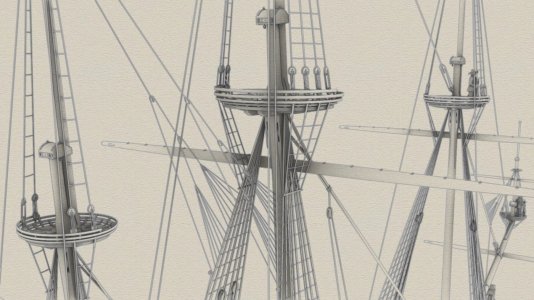
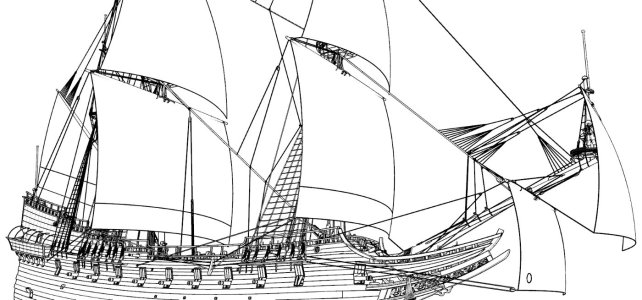
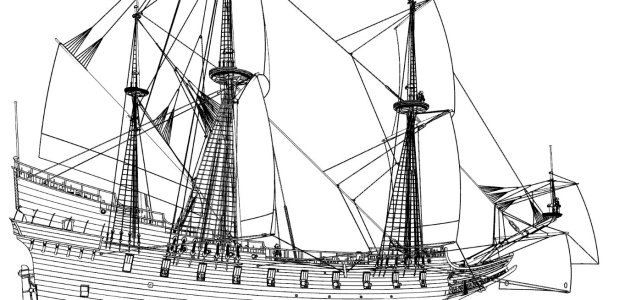
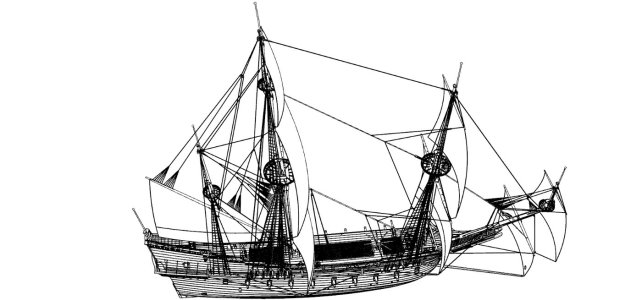
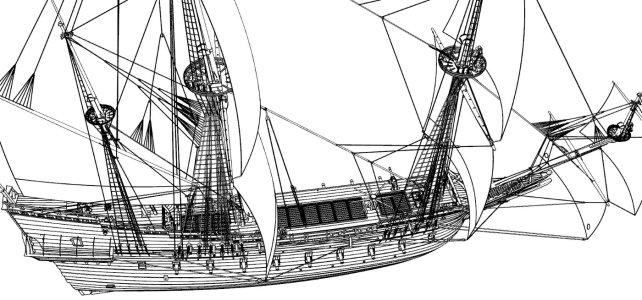
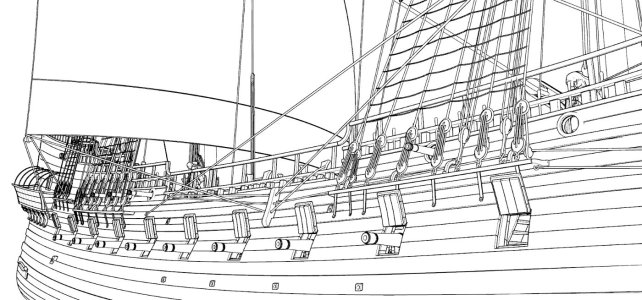
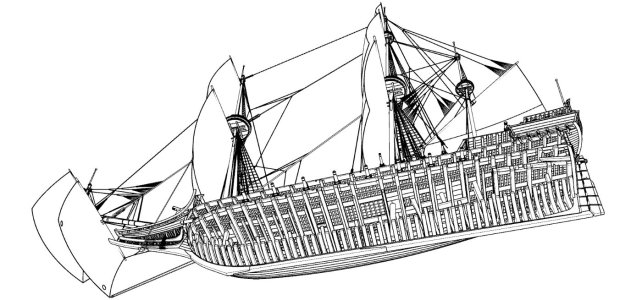
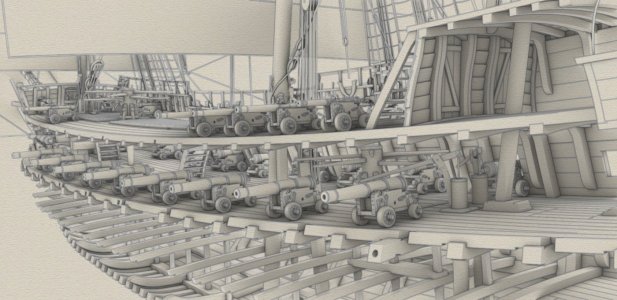
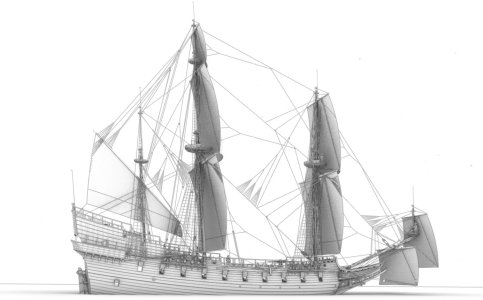
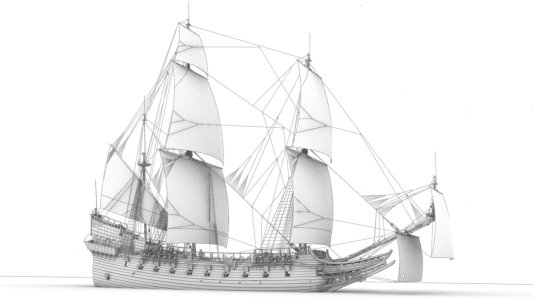
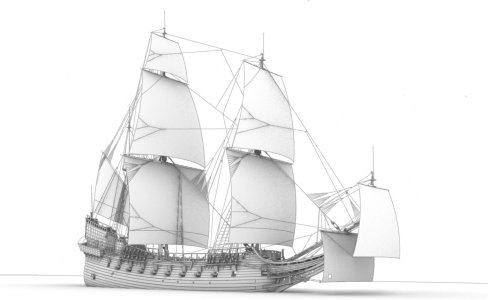
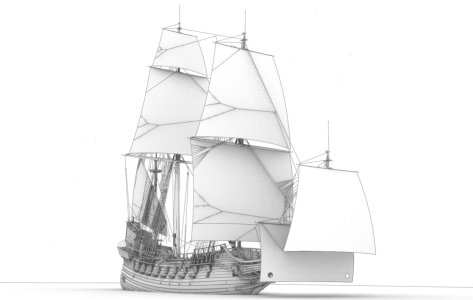
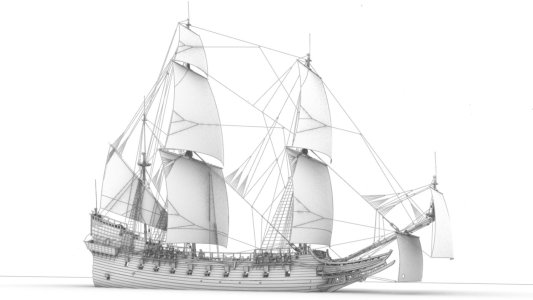
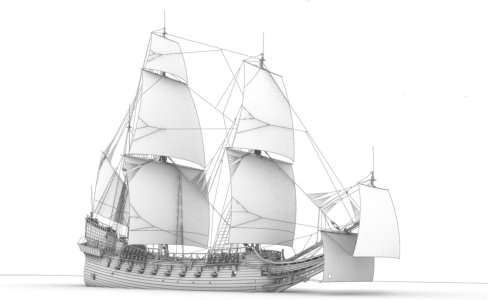
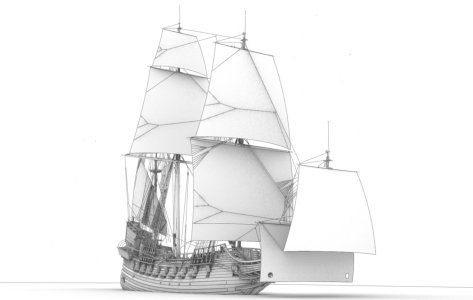
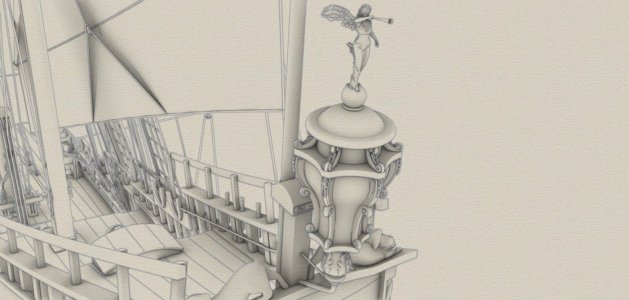
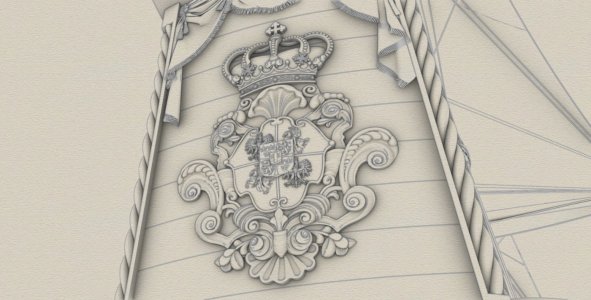
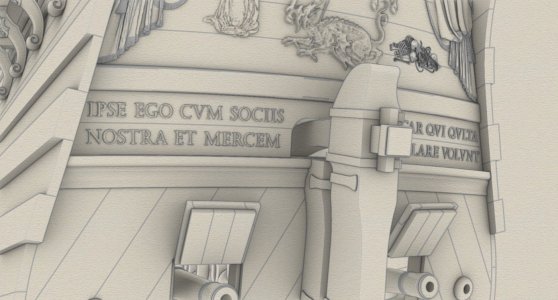
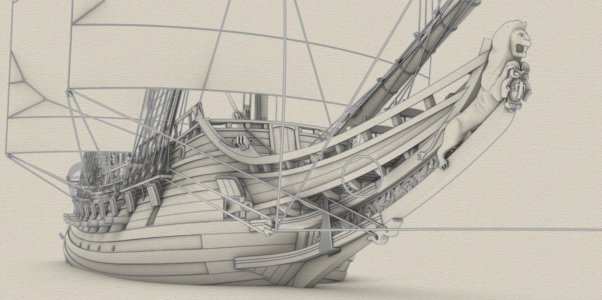
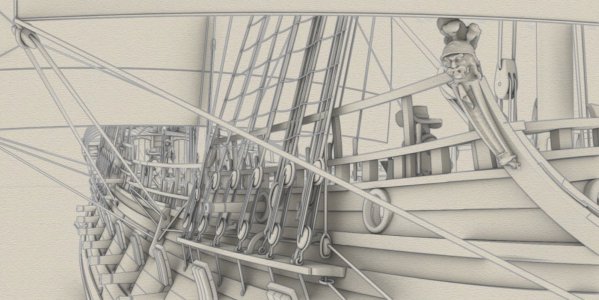
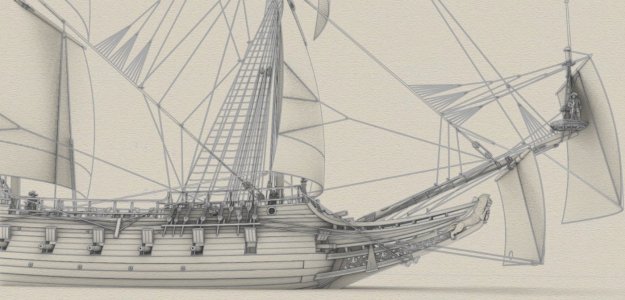
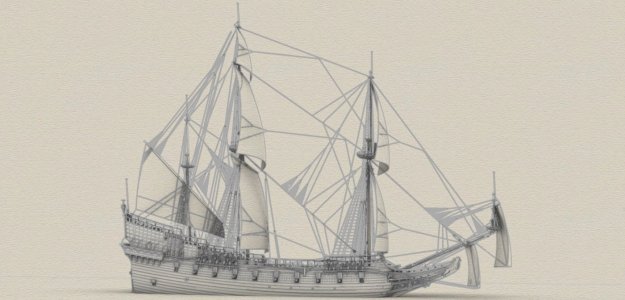
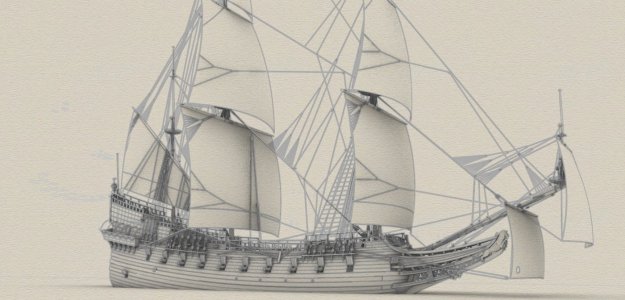
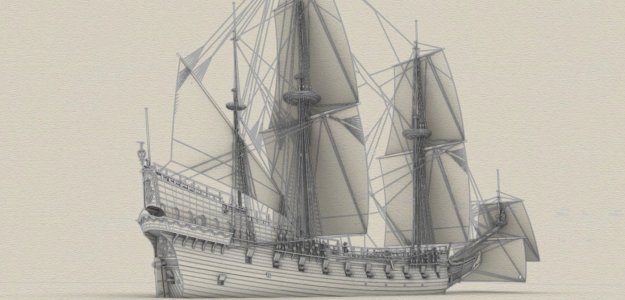
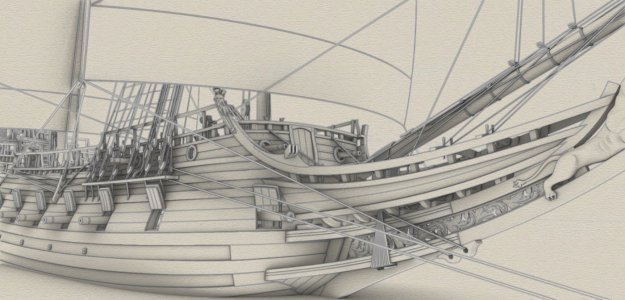
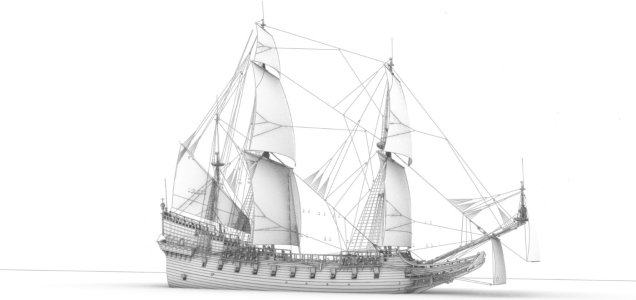
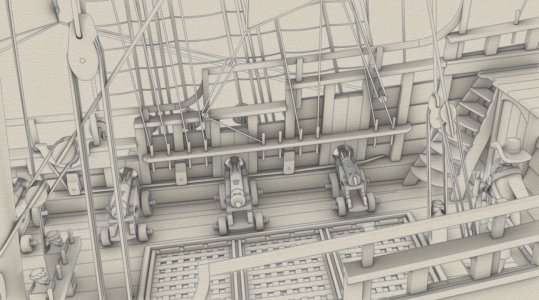
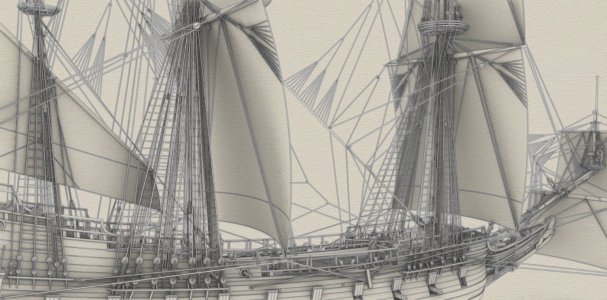
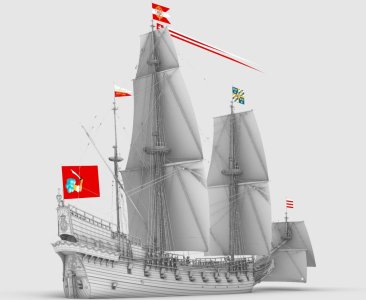
Poniżej są umieszczone wizualizacje mojej rekonstrukcji polskiego okrętu flagowego Święty Jerzy (Sankt Georg) z 1627, uczestnika ważnej z punktu widzenia narodowej pamięci historycznej bitwy pod Oliwą z 1627. Kompletna treść tej relacji, łącznie z tekstem, znajdowała się na forum Model Ship World i prawdopodobnie została bezpowrotnie utracona. To jeden z bardzo nielicznych wątków, dla którego nie zrobiłem prywatnej kopii zapasowej, toteż jeśli ktoś inny wyręczył mnie w tym zaniedbaniu, proszę o jej udostępnienie, abym mógł uzupełnić tę migrowaną relację.

Dziękuję,
Waldemar Gurgul

* * *​

Nachfolgend finden Sie Visualisierungen meiner Nachbildung des polnischen Flaggschiffs Święty Jerzy (Sankt Georg), das an der für das nationale Geschichtsbewusstsein bedeutenden Schlacht bei Oliwa im Jahr 1627 teilgenommen hat. Der vollständige Inhalt dieses Berichts, einschließlich des Textes, befand sich im Forum „Model Ship World“ und ist wahrscheinlich unwiederbringlich verloren gegangen. Dies ist einer der wenigen Threads, von denen ich keine private Sicherungskopie angefertigt habe. Sollte also jemand anderes mir in dieser Nachlässigkeit zuvorgekommen sein, bitte ich um die Bereitstellung dieser Kopie, damit ich diesen migrierten Bericht vervollständigen kann.

Vielen Dank,
Waldemar Gurgul

* * *​

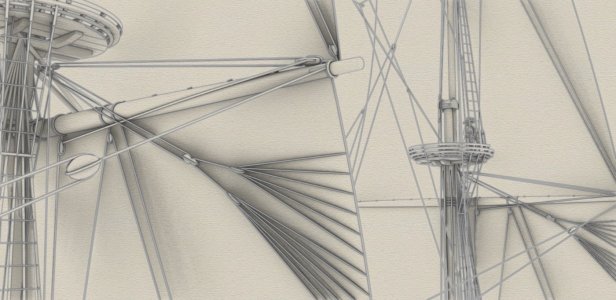
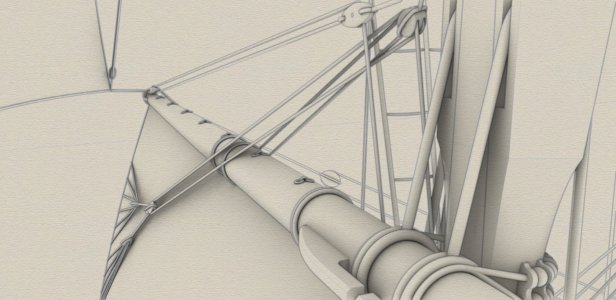
Below are some renderings of my reconstruction of the Polish flagship Święty Jerzy (Sankt Georg), which took part in the Battle of Oliwa in 1627—an event of great significance to the nation’s historical memory. The full content of this report, including the text, was posted on the Model Ship World forum and has probably been lost forever. This is one of the very few threads for which I did not make a private backup, so if anyone else has made one to make up for my oversight, I would be grateful if you could share it so that I can complete this migrated report.

Thank you,
Waldemar Gurgul

* * *
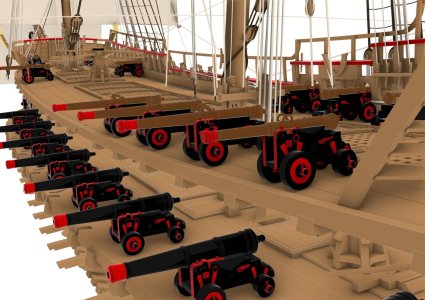


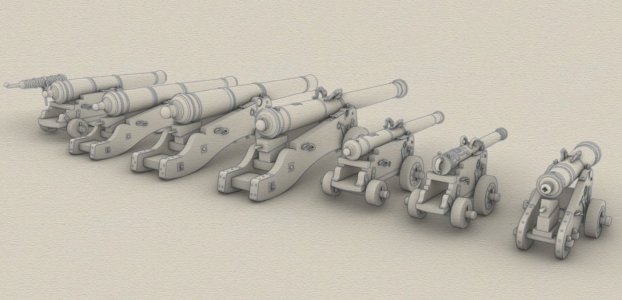
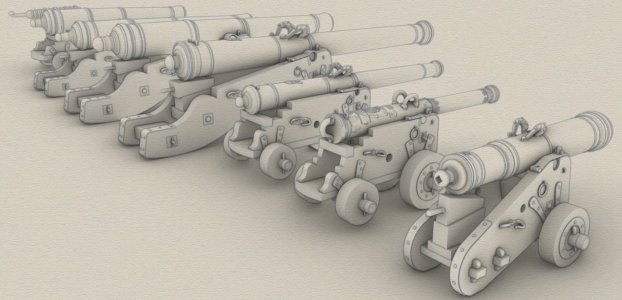
falconet 1554 - battery - Copy.jpg


kolor-4 - Copy.jpg

kolor-5 - Copy.jpg

kolor-6 - Copy.jpg

kolor-11 - Copy.jpg

kolor-13 - Copy.jpg

kolor-14 - Copy.jpg

kolor-15 - Copy.jpg

Święty Jerzy #4 - Copy.jpg

Święty Jerzy #5 - Copy.jpg

ViewCapture20220613_201440 - Copy.jpg

ViewCapture20220703_143034 - Copy.jpg

ViewCapture20220703_143432 - Copy.jpg

ViewCapture20220707_123416 - Copy.jpg

ViewCapture20220707_162119 - Copy.jpg

ViewCapture20220707_162225 - Copy.jpg

ViewCapture20220710_003110 - Copy.jpg

ViewCapture20220712_223732 - Copy.jpg

ViewCapture20220713_123851 - Copy.jpg

ViewCapture20220713_140815 - Copy.jpg

ViewCapture20220713_234128 - Copy.jpg

ViewCapture20220716_013031 - Copy.jpg

ViewCapture20220716_014724 - Copy.jpg
.​
 
Last edited:
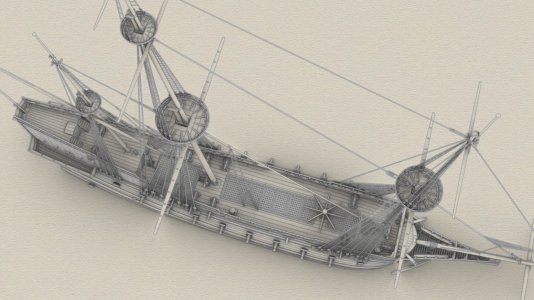
Somehow it slipped my attention for a long time, but I wanted to ask you to comment about the deck arrangement - the main deck curves upward quite severely, and there is a dedicated chase gun platform at the stern a full deck below. How usual was that at the time of her building?
 
Somehow it slipped my attention for a long time, but I wanted to ask you to comment about the deck arrangement - the main deck curves upward quite severely, and there is a dedicated chase gun platform at the stern a full deck below. How usual was that at the time of her building?

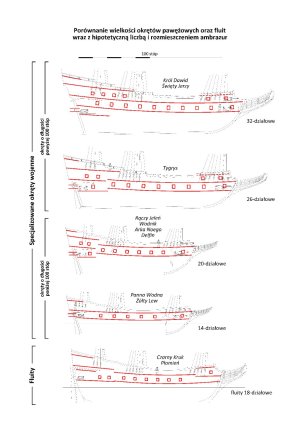
Hmm, this is a particularly pertinent question, and it concerns an issue whose final resolution in this specific reconstruction presented me with perhaps the greatest difficulty and even a sort of pain. Ideally, I would use both layouts simultaneously—that is, with stepped and continuous decks in the stern section of the ship (for illustration, diagrams of both possible variants are shown in the graphic below from my 2021 conference presentation)—but of course, these layouts are mutually exclusive. It must be either one or the other.

Ships arrangement.jpg


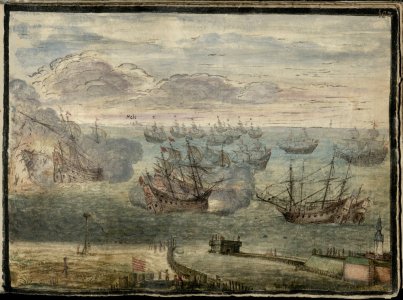
Nevertheless, for the purposes of reconstructing this specific ship, I decided to follow the preserved depiction of ships created by what appears to be an eyewitness to those events—a resident of the town and port where the fleet was based—even if this depiction may, in fact, be subject to the artist’s interpretive inaccuracies. I am referring to the watercolor by Gdańsk (Danzig) resident Adolf Boy, reproduced below, in which the height of the stern gun ports on the ships suggests the gun room is located below the gun deck. I wrote about this in the lost, original account of this reconstruction.

Battle of Oliwa by Adolf Boy.jpg


The specific values of the deck’s rise toward the bow and stern were taken from construction contracts of that era, just like many other data of this kind.

Returning to the deck arrangements, it is difficult to say which of the two was more commonly used. I guess that for larger ships of this particular era, the stepped arrangement was preferred due to the ability to position the helmsman, who used a “normal” length steering gear, in such a way that he could at least partially observe the behaviour of the sails. On the other hand, there are known ships, such as the Portuguese Santa Catarina do Monte Sinai or the English Mary Rose, and actually quite a few others, featuring multi-story stern castles, in which such observation seems impossible, so the helmsman likely had to steer according to issued commands, unless rope hauls were also used for steering. Overall, it must be admitted that this remains a rather unexplained issue to this day.

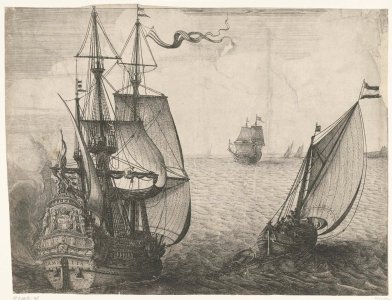
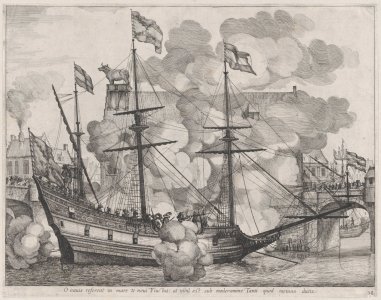
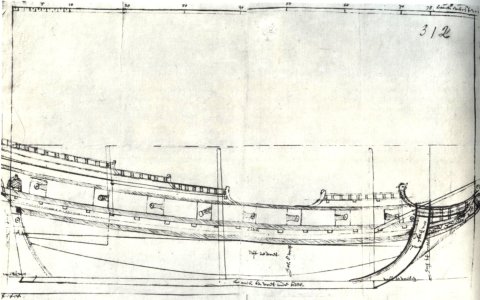
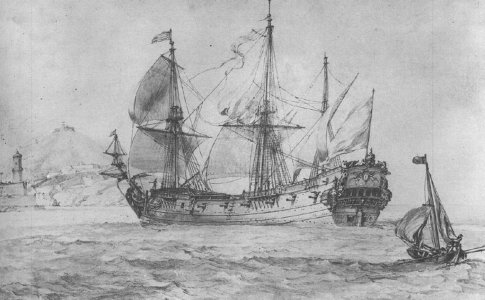
In any case, the watercolor by an artist who may have personally observed those ships is not an isolated example of depicting non-stepped decks and a gun room below the proper gun deck. One can mention here at least some of Mathew Baker’s drawings (there are also mentioned two gun rooms, one above the the other, in the so called Newton manuscript), the archaeological example of the Vasa from 1628, a design sketch of a surprisingly small vessel (for such a solution) from the mid-17th century (reproduced below), and a number of others. Here are just a few, some perhaps lesser-known, illustrations from a larger selection:
Aemilia, het vlaggenschip van Tromp, ca. 1635.jpeg

Meursius Johannes (Publisher) - Triumphal ship with the city of Ghent in the background - 1636.jpg

Design sketch of a small vessel by Jakob Prunk, ca 1660.jpg
note here a circular gun muzzle protruding astern from the gun room

Light frigate by Pierre Puget, 4th quarter of the 17th cent.jpg

* * *​

To sum it all up, I might add that I would most like to undertake one more similar reconstruction, which could incorporate those solutions that, by their very nature, had to be rejected in the first one :).
 
Back
Top