



• SUBSCRIBE TO SHIPS IN SCALE TODAY!

    The beloved Ships in Scale Magazine is back and charting a new course for 2026!
    Discover new skills, new techniques, and new inspirations in every issue.

    NOTE THAT OUR NEXT ISSUE WILL BE July/August 2026
  • Win a Free Custom Engraved Brass Coin!!!
    As a way to introduce our brass coins to the community, we will raffle off a free coin during the month of August. Follow link ABOVE for instructions for entering.

The "Shadow" 1871 Racing Yacht designed by Nathanael G. Herreschof - Half-Hull Presentation Model Build Log

Joined
Dec 26, 2025
Messages
380
Points
158

Location
Bryn Mawr PA US
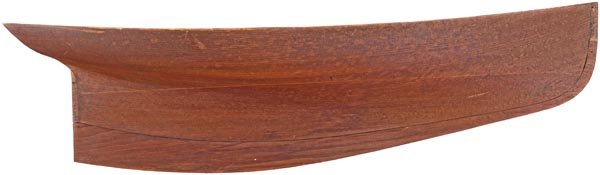
1. Build Log: The "Shadow" 1871 Racing Yacht by Nathanael G. Herreschoff - Wooden Half-Hull Presentation model

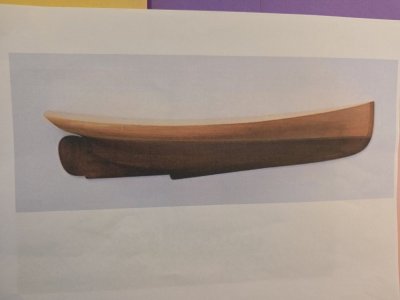
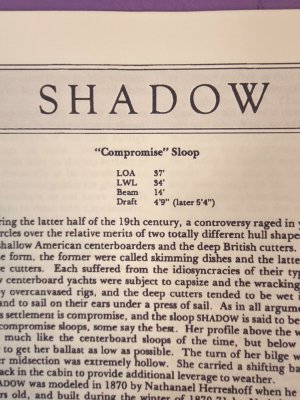
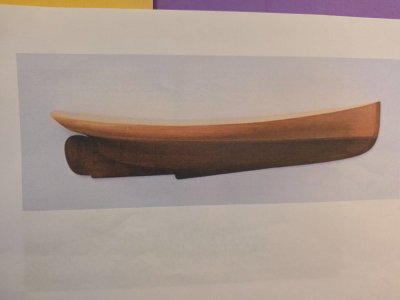
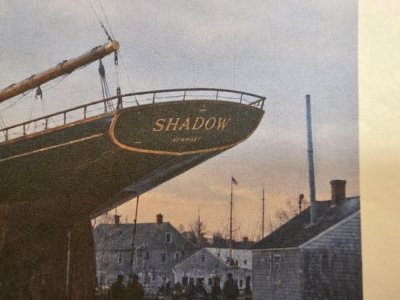
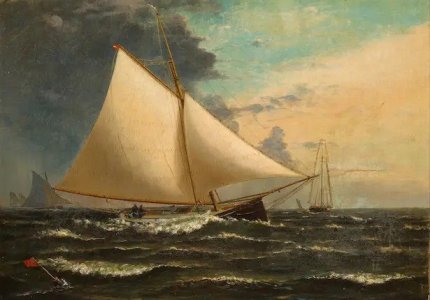
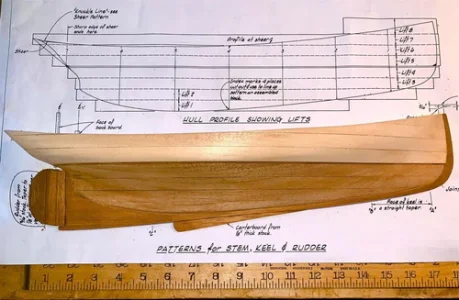
I'm starting this new project to build my first half-hull presentation model from scratch. I chose the plans from several yacht designs offered by The Wooden Boat Store, and the racing sloop "Shadow" looked a bit quirky compared to some other classic 1800's racing yachts.
Shadow-by-Andy_Abrahamson_500x (1).webp

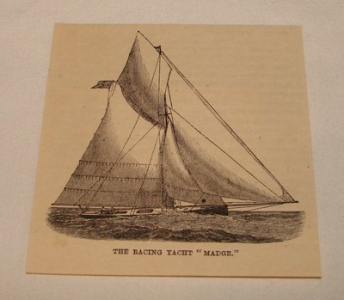
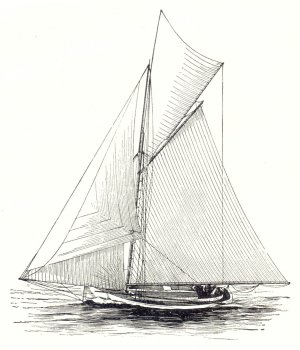
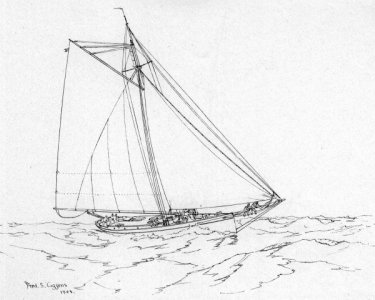
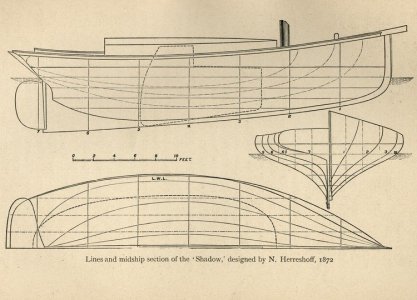
I soon learned that the "Shadow" has a fascinating backstory. Most people know of Nat Herreschoff for his mature yacht designs in the 1890's for America's Cup winners Vigilant, Reliance, Columbia I & II, and Resolute. Legend has it that he drew the plans for the "Shadow" when he was a 23-year old apprentice in a machine shop. He presented the plans to his brother J.B. Herreschoff, who had recently received an order for a custom yacht. Around 8 years later, under new ownership, the "Shadow" went on eventually to become a very successful racing yacht in the Newport, Rhode Island and New York City yacht clubs. Overall, the "Shadow" won over 150 out of 180 yacht races between the 1880's and 1900's. She beat the British champion yacht Madge in one of two time-trials in 1881. The design by Herreschoff includes a skeg-like center board keel that was an innovation for its time, which would then come to dominate yacht design until the early 1900's.
20260627_091643.jpg

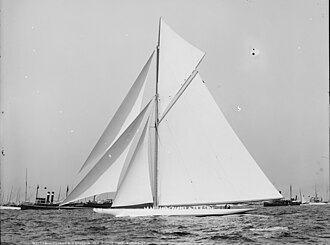
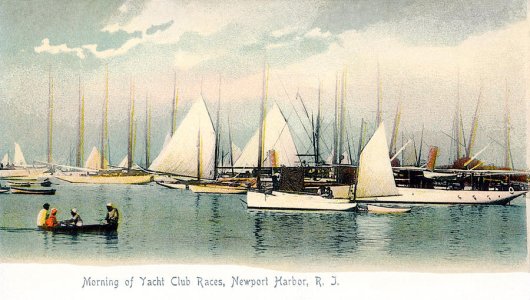
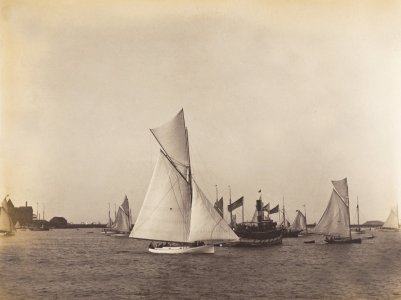
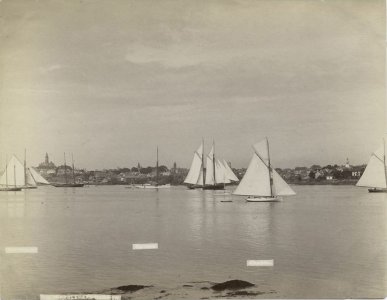
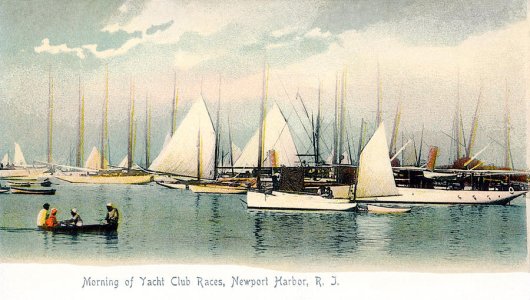
Here's a picture of Newport RI with a Shadow-like yacht (probably a 25-footer) from the 1890's:
1910-yachts-in-newport-harbor-historic-image.jpg

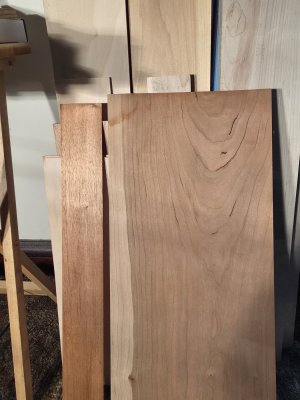
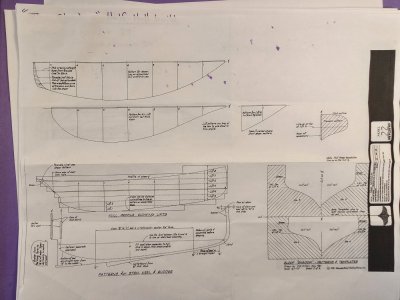
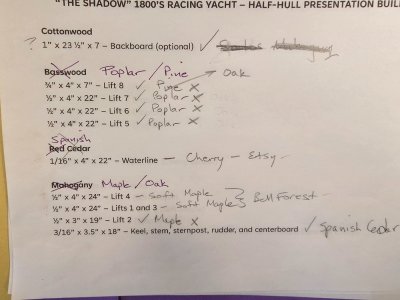
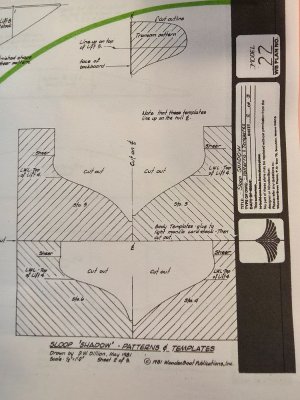
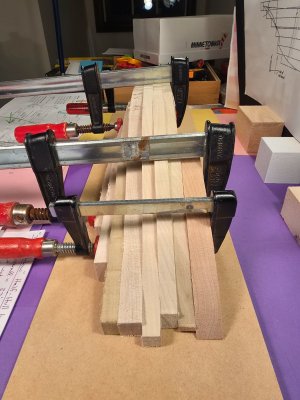
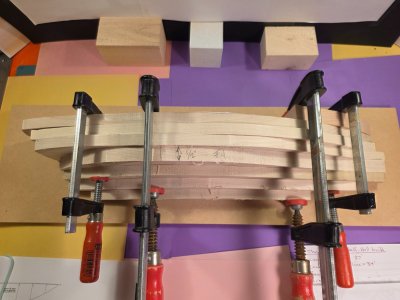
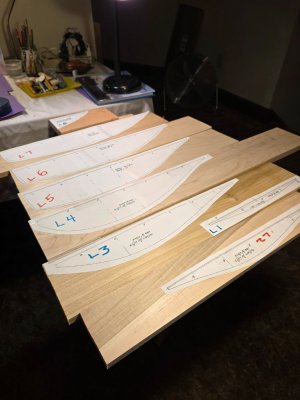
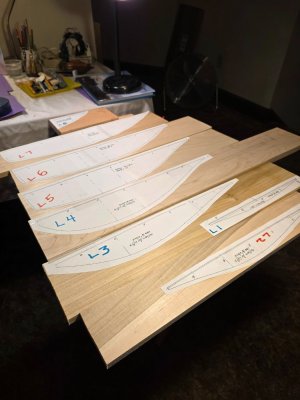
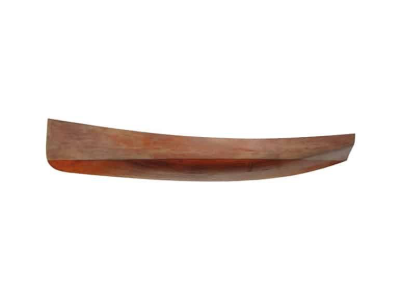
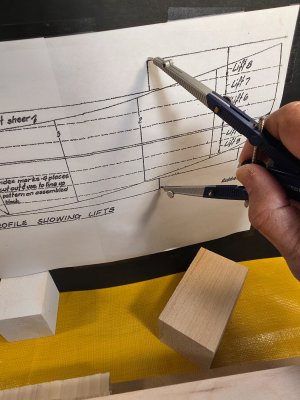
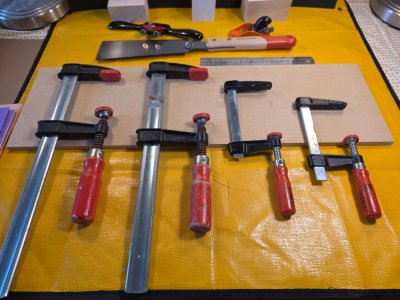
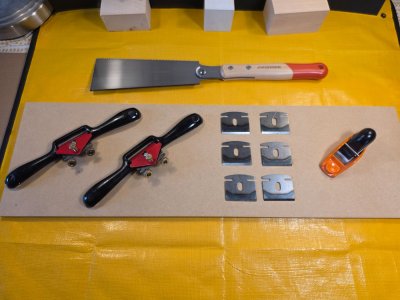
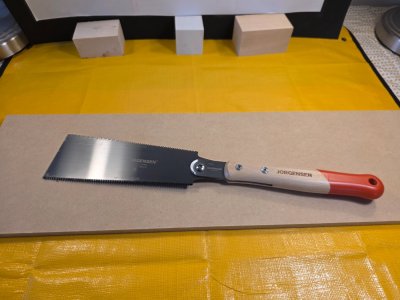
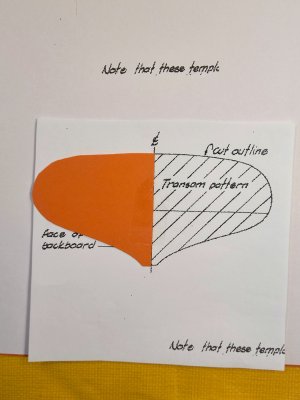
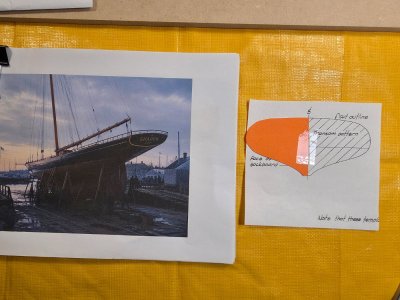
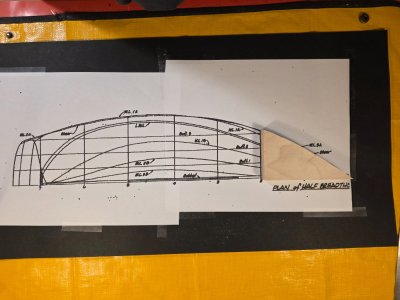
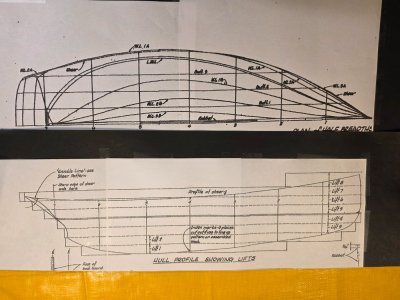
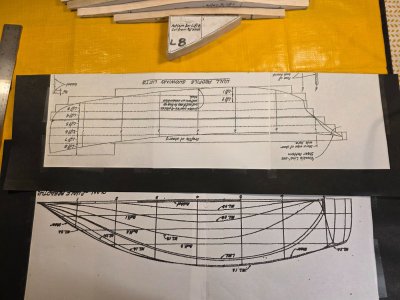
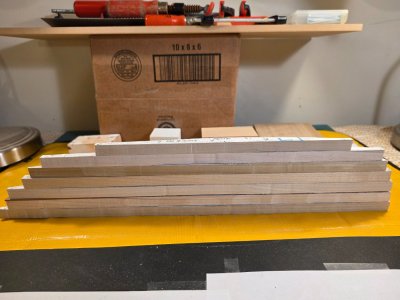
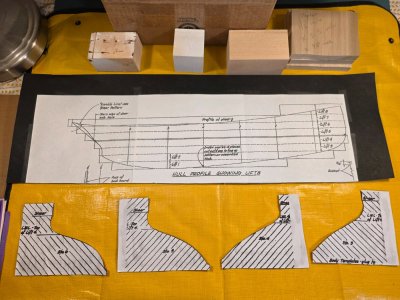
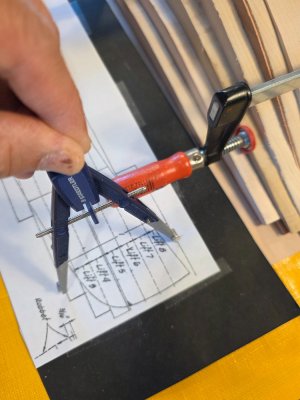
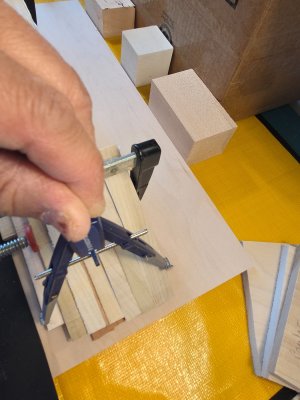
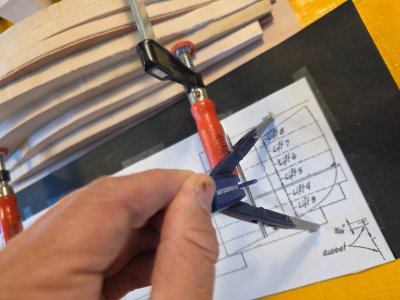
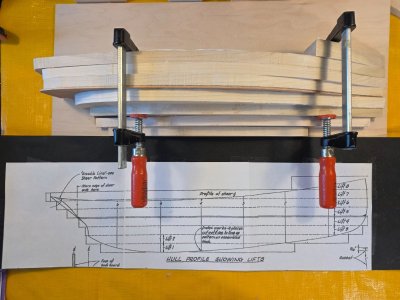
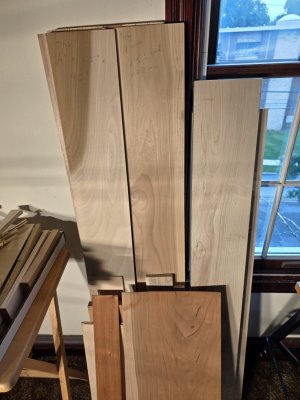
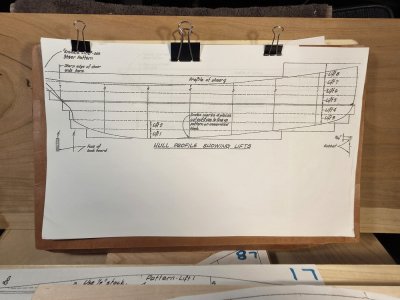
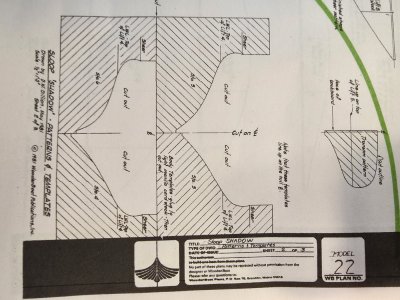
I have never built a wooden half-hull model and, after seeing some great builds of the NRG half-hull group build (esp. one built by SoS member JacquesCousteau). I decided to try. Here are some of my pre-build preparation, including selecting wood stock, enlarging drawings, preparing hull templates, and sourcing clamps (yes, a LOT of clamps).
20260627_091016.jpg

20260625_230624.jpg

20260627_090904.jpg


20260627_091415.jpg

20260627_091712.jpg

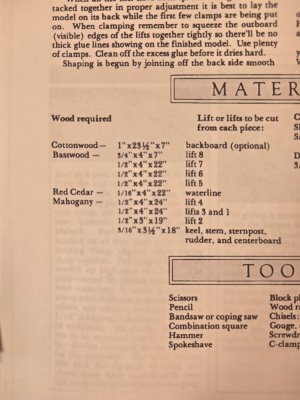
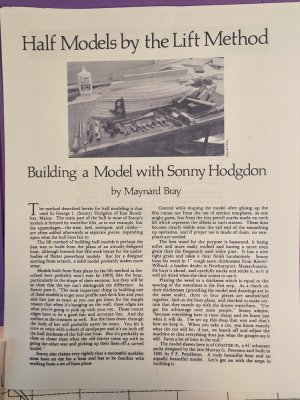
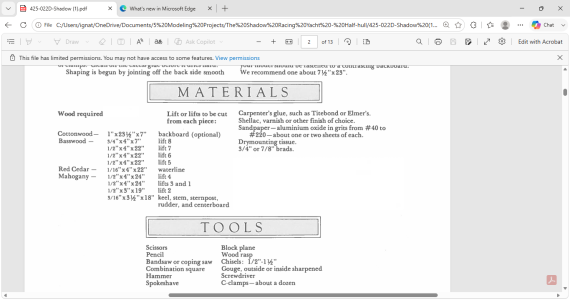
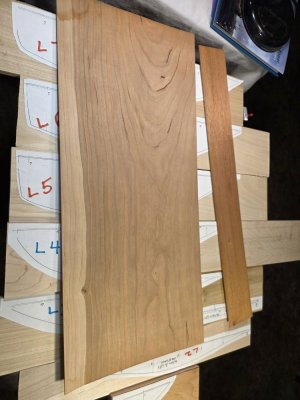
The instructions that came with The Wooden Boat Store drawings were somewhat basic, so I'm going to be following half-hull build logs on SoS to learn how to build this presentation model. Selecting the different wood stock -- poplar, soft maple, pine, cherry veneer and African mahogany -- was fun and I used my new wood veneer sample kit to mix and match different wood species for this project.
20260627_091538.jpg

Screenshot 2026-06-07 144349.png


I think this is going to be a fun project and I'm looking forward to my first half-hull presentation model!

20260627_091056.jpg

20260625_225119.jpg
 
Last edited:
2. Build Log: The "Shadow" 1871 Racing Yacht by Nathanael G. Herreschoff - Wooden Half-Hull Presentation model

Here's the story of the "Shadow"

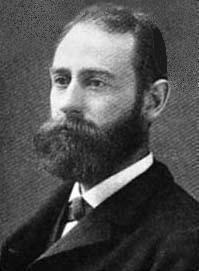
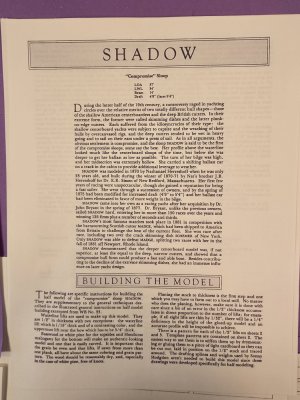
Shadow was the first sailing yacht designed by Nathanael Greene Herreshoff, conceived not at the Bristol, Rhode Island boatyard for which the Herreshoff name later became famous, but at his day job. In November 1870, while employed as a young engineer at the Corliss Steam Engine Company in Providence, Herreshoff made a study model for the boat in the company's pattern shop. His blind older brother, John Brown Herreshoff, who already ran a small boatbuilding business in Bristol, had received an order for a yacht of similar size and, with both John and their father approving of Nathanael's model, decided to build from it. The commissioning client was Dr. Edward R. Sisson, a New Bedford yachtsman. The relationship between designer and client did not start smoothly: when the yacht was finished, Sisson initially refused to accept her, objecting that the builders had departed so far from conventional practice that he felt he was "experimenting at his expense." The dispute was eventually resolved and Sisson took delivery as contracted, naming the boat Shadow.

1782574985453.png

Nathanael Greene Hereschoff

Structurally, Shadow broke sharply from the centerboard sloops of her day. Herreshoff described her as roughly 36 feet overall, 33 feet 6 inches on the waterline, 14 feet 3 inches in beam, and about 5 feet 6 inches deep, with hollow sections running nearly her full length and a bilge sitting almost entirely above the waterline. She is generally credited as one of the first American yachts built with a hollow floor, a feature that gave her an unusually slack, U-shaped midsection rather than the flat, beamy "skimming dish" hull then in fashion. Her centerboard measured 11 feet 6 inches, and she carried a sail plan totaling roughly 1,336 square feet across mainsail, jib, and club topsail. That unconventional hull form proved especially capable in heavy weather, and it set the template Herreshoff would return to repeatedly in his subsequent designs.

20260627_113446.jpg

Shadow passed through a succession of owners over her racing life, each adding to her reputation. After Sisson's relatively quiet first season, the yacht was sold to C.J. Randall of New Bedford, a member of the Eastern Yacht Club, who raced her in club regattas before she went to Casper Crowninshield, also of the Eastern Yacht Club, who took first prize in club regattas in both years of his ownership. In 1875 she passed to Tucker Daland of Boston, who raced her successfully, most notably in a 25-boat regatta at the Isles of Shoals. In 1874 Dr. John Bryant of Boston purchased Shadow and retained her for the remainder of her competitive career, sailing her with Aubrey Crocker of Cohasset as skipper and a picked amateur crew to what was reported as between 130 and 140 first-place finishes. Her single best-known result came in an international match: in 1882 she became the first American yacht to take a race from the English cutter Madge, a boat that had already defeated the fast American centerboarders Schemer and Wave. Shadow won the first race of the series decisively; Madge took the second after a wind shift, and her owner declined a deciding third race — a result made more notable by the fact that Shadow was five feet shorter on the waterline than Madge, a disadvantage now recognized as significant.

1782575470342.png
Beyond her racing record, Shadow's career was marked by a public dispute over authorship. A New Bedford newspaper article credited Dr. Sisson, rather than Herreshoff, with originating the boat's lines, prompting Herreshoff to write a rebuttal to the New Bedford Standard insisting that he had modeled "every particular" of the boat and had been developing her distinctive lines in his own mind for more than a year before he ever knew Sisson existed. The episode underscores how unusual and contested Shadow's hull form was for her era, and how closely Herreshoff guarded credit for the design even early in his career, decades before the America's Cup successes that made his name famous.

1782575587795.png
The Reliance by N.G. Herreschoff

By the standards of the day, Shadow enjoyed an exceptionally long competitive life: contemporary accounts from 1887 — sixteen to seventeen years after her launch — noted that she had "fully proved her superiority to all the centerboard boats of her class" and remained in racing even after the rest of the American centerboard sloop fleet had been retired in favor of more modern designs.

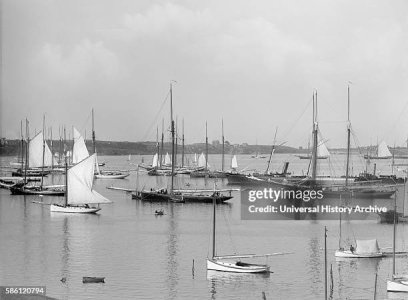
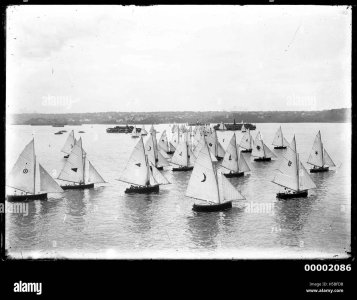
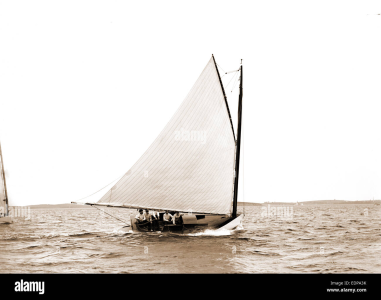
Some yacht pics with hulls inspired by the "Shadow:"


n19195.jpg

gettyimages-586120794-612x612.jpg

18-footers-sailing-on-sydney-harbour-H5BFDB.jpg

1910-yachts-in-newport-harbor-historic-image.jpg

1782575399168.png
 
3. Build Log: The "Shadow" 1871 Racing Yacht by Nathanael G. Herreschoff - Wooden Half-Hull Presentation model

First few days work on the Shadow.

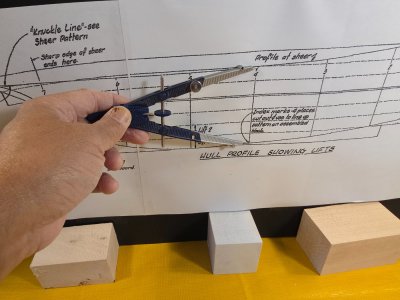
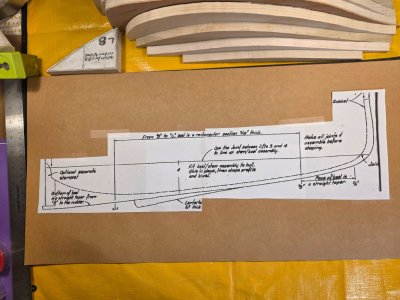
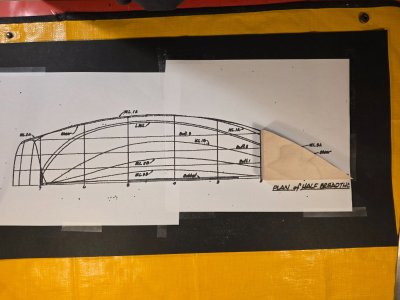
Recopying plans to 1"/.5' scale. For first timers at half-hull builds it was recommended to do a model that is 1:1 dimensional with the plans. So I blew up the plans from about 8+ inches to 18 inches from stem to stern. It will be a big model, but my plan will be to learn how to use the plane (better) and the spokeshave (first-time), and will mostly be removing wood from here on in.

Purchasing wood stock from Bell Forest (soft maple & pine), Etsy (cherry veneer for waterline lift), and the Lumberyard (oak for backboard & Spanish cedar for keel, rudder and centerboard).

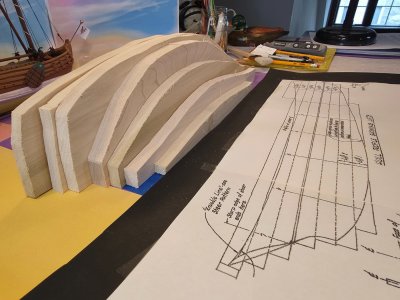
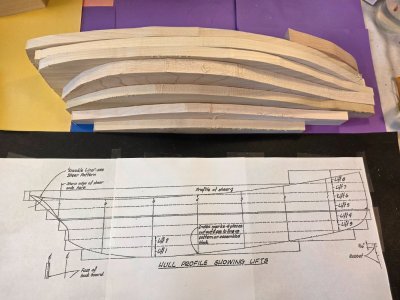
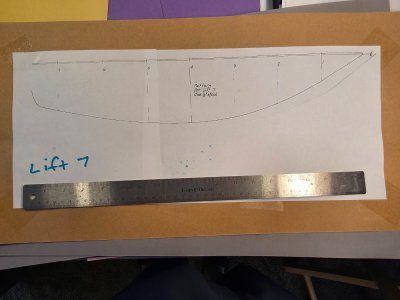
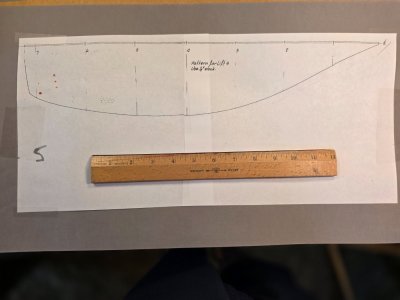
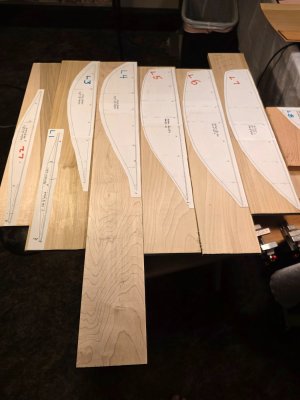
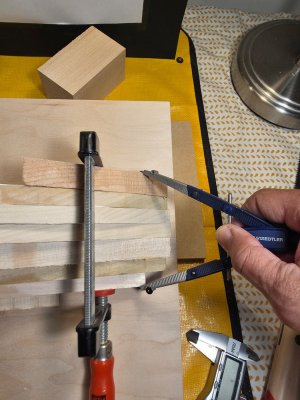
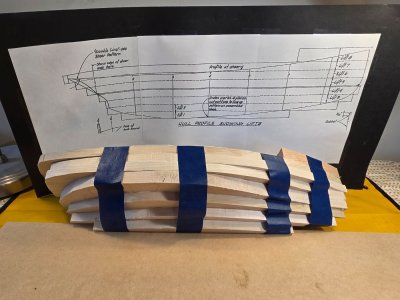
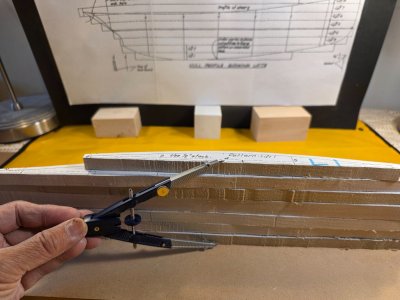
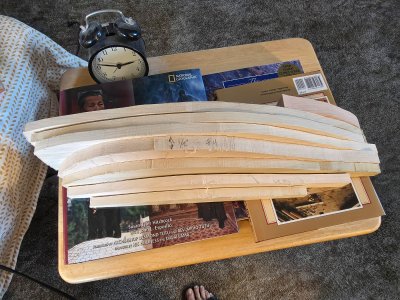
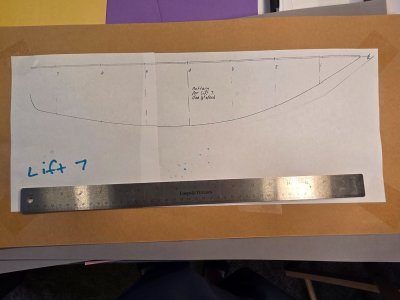
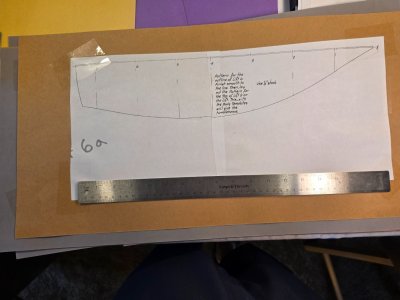
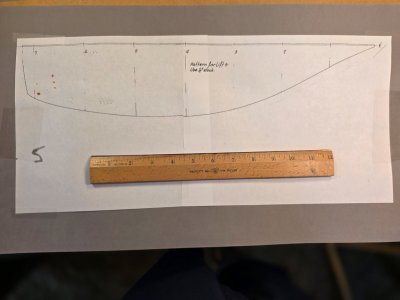
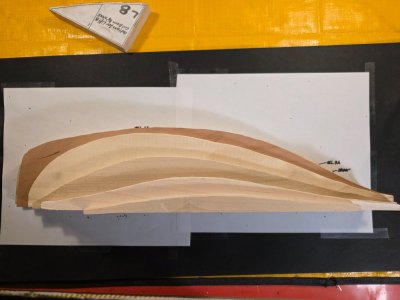
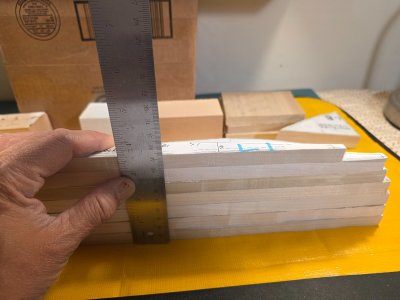
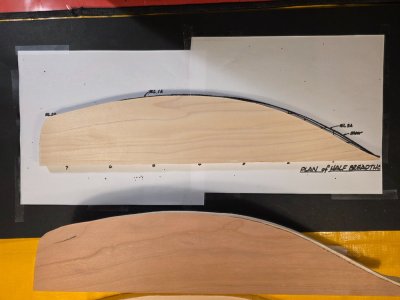
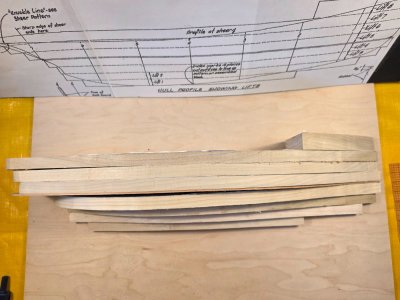
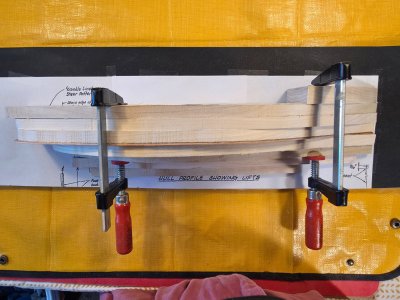
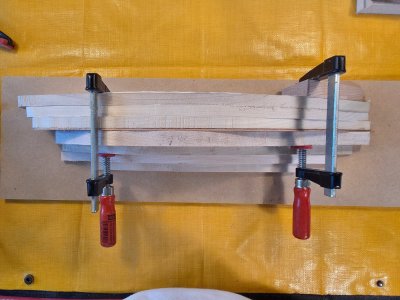
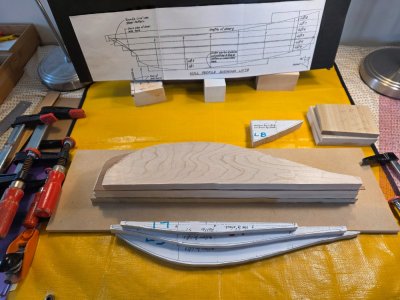
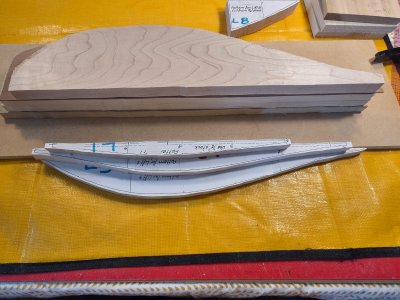
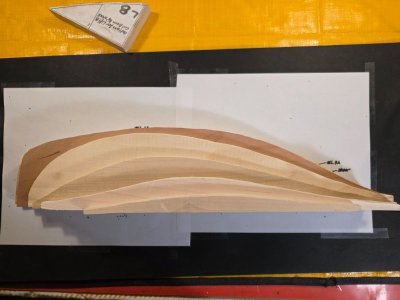
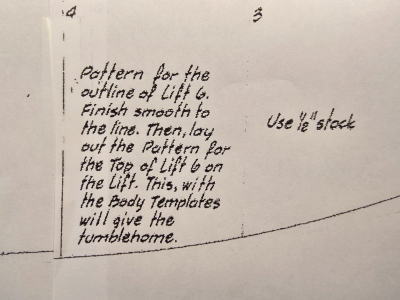
Rough cutting 8 lifts according to lift templates. I'm leaving between 3/8" and 5/8" of room around each template for planing and shaving.

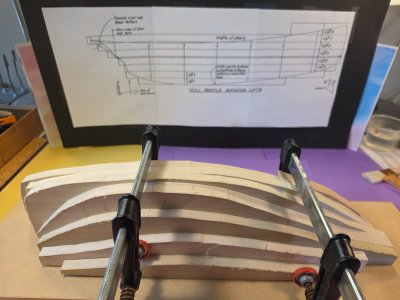
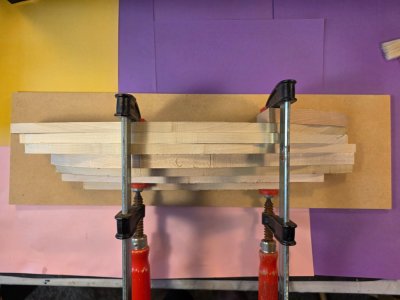
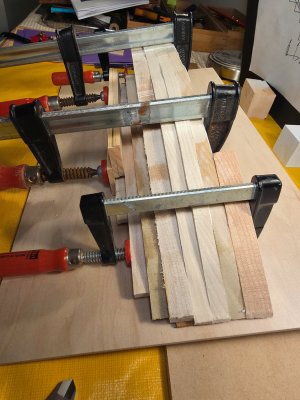
Instructions say to leave extra space at the bow and stern to allow for clamping. I will need at least 6 more 2-foot clamps.

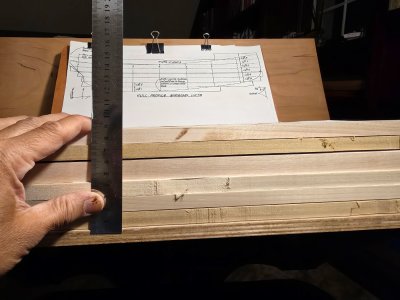
There is an obvious mismatch at Lift 4. This was the last lift I needed to cut and I discovered that the only plank I had left was 3/4" inch thick instead 1/2" inch thick. I will either plane that lift down to 1/2" or just pick up another plank of maple at the Home Depot.

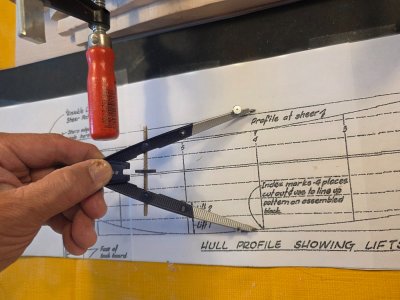
Forgot that I need to source 3/4 and 1/2 inch brads for temporary nailing of the lifts during the fairing process. Now I really need to go the Home Depot!


20260627_091245.jpg

20260627_091057.jpg

20260625_231142.jpg

20260625_231207.jpg

20260626_161804.jpg

20260626_161812.jpg

20260626_162625.jpg

20260626_162648.jpg

20260626_233713.jpg

20260627_113831.jpg

20260627_113807.jpg

20260627_113617.jpg

20260627_091638.jpg

20260626_233659.jpg

20260625_225319.jpg

20260625_225333.jpg

20260625_225319.jpg
 
Last edited:
4. Build Log: The "Shadow" 1871 Racing Yacht by Nathanael G. Herreschoff - Wooden Half-Hull Presentation model

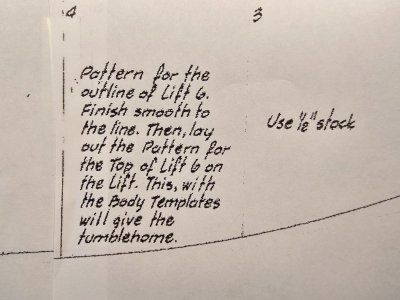
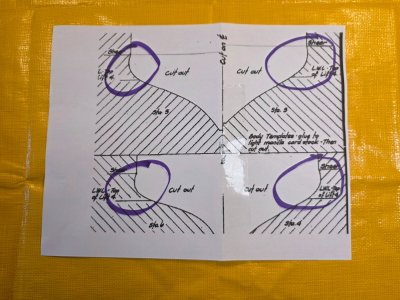
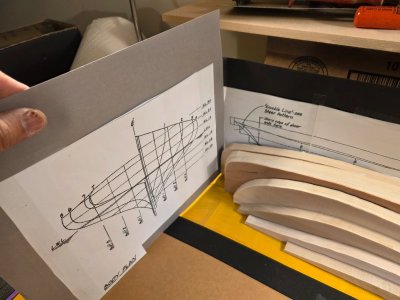
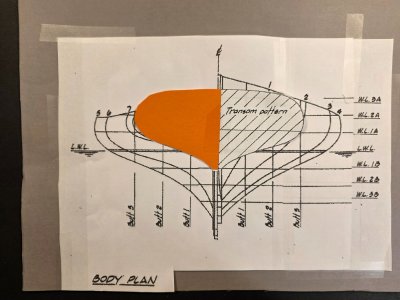
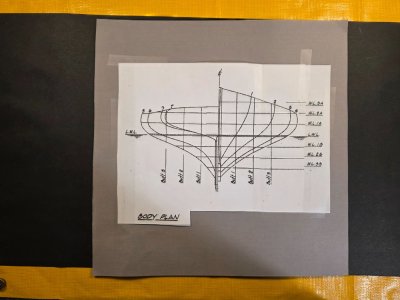
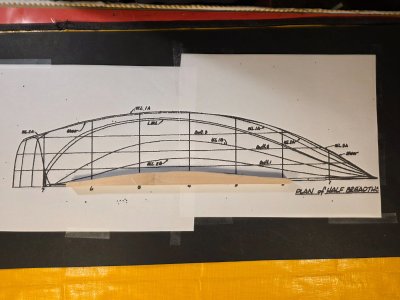
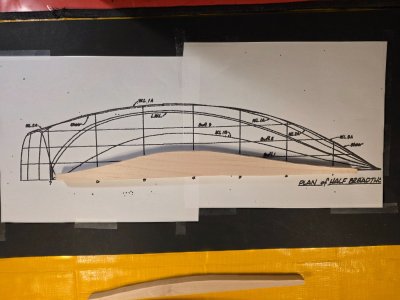
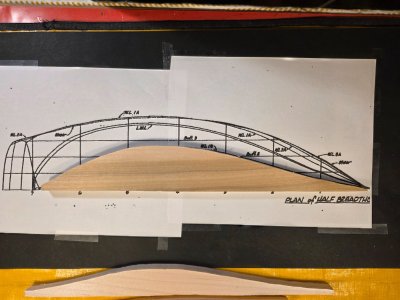
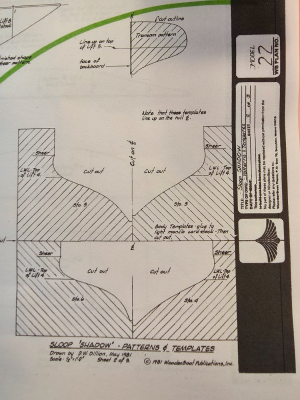
It looks like there will be some “tumblehome” between the top sheer line (above Lift 7) and the next 3 lifts, Lift 6, Lift 5 and Lift 4. That means that the area between the top sheer line and next three lifts (Lift 8 is not really a structural lift) bulge out slightly before the hull tapers sharply towards the keel. You can’t really make out from the side views how the tumblehome sits, but I will reference the sheer plan and body plan drawings to get a sense of how severe the outward bulge should be.

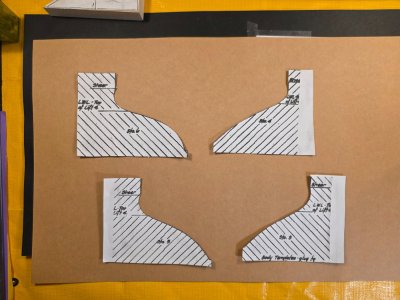
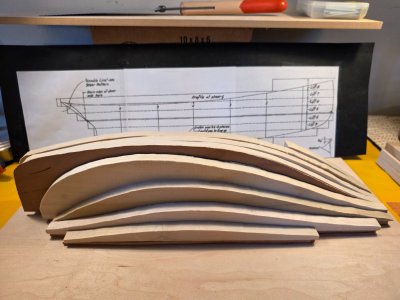
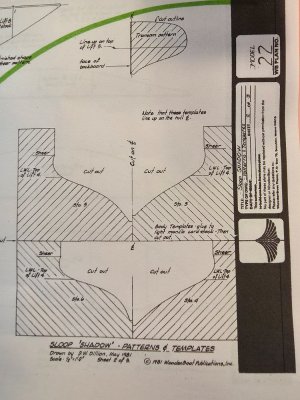
Edit: I can now see how the tumblehome appears in the body template drawings and the rough cut of the lifts. You can see the tumblehome on the 2nd, 3rd and 4th lifts which bulge outwards then abruptly turn almost 90 degrees inwards starting at the waterline (between the 5th and 4th lifts).

1782581608605.png

1782581727304.png

20260625_230346.jpg

20260627_155351.jpg

20260627_144706.jpg
 
Last edited:
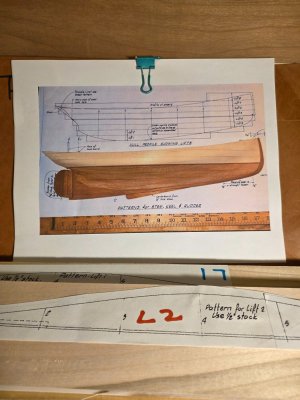
An interesting subject. Since you haven’t posted an actual lines drawing of Shadow, do you have one? The templates that you have appear to have been professionally drawn. A lines drawing will give you the full picture of the hull form and a “road map” of what you’re trying to accomplish, something that the individual templates don’t do.

Before you go further, I would encourage you to read Greg Davis’s log of carving a pair of half hulls for the Pilot boat Gracie V. You’ll find it posted here on SOS.

Roger
 
An interesting subject. Since you haven’t posted an actual lines drawing of Shadow, do you have one? The templates that you have appear to have been professionally drawn. A lines drawing will give you the full picture of the hull form and a “road map” of what you’re trying to accomplish, something that the individual templates don’t do.

Before you go further, I would encourage you to read Greg Davis’s log of carving a pair of half hulls for the Pilot boat Gracie V. You’ll find it posted here on SOS.

Roger
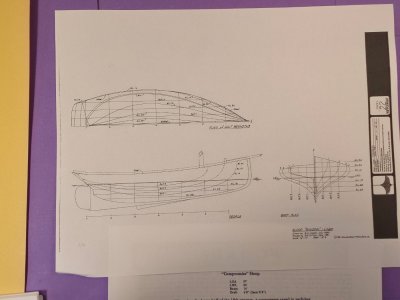
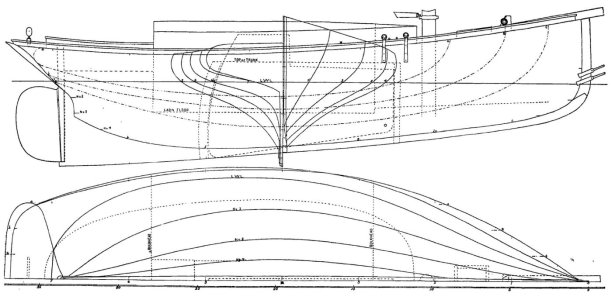
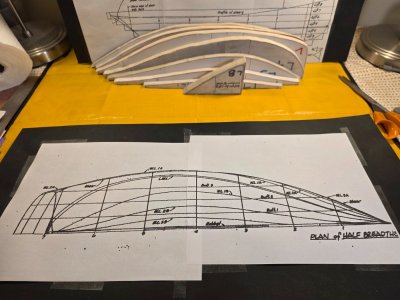
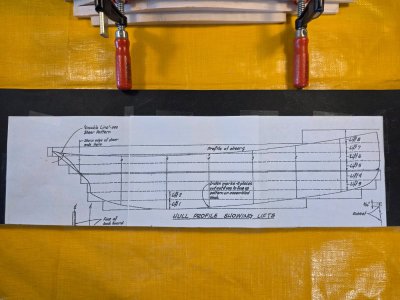
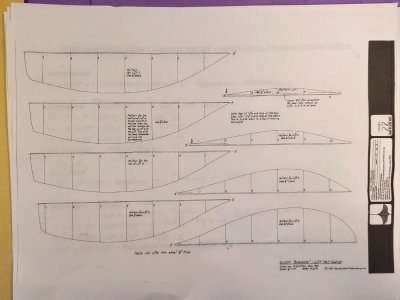
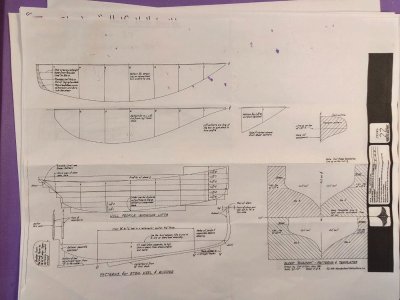
Roger - I have the 3 drawings, half-breadth plan, body plan and sheer plan and they are rendered from Herreschoff's plans for the Shadow. The drawings also come with nice hull templates to make sure that fairing is done well.

But I have an ethical question - to the extent ethical or moral questions ever arise in wooden boat modeling: I purchased the plans for a fair price from The Wooden Boat Store. And I assume The Wooden Boat Store paid something to the estate of Herreschoff to have the right to reproduce and sell the drawings commercially. I have not found any public domain drawings or pictures of the Shadow, so I would think that The Wooden Boat Store is deriving profit from selling and making public these and other cool historical racing yacht plans on their website.

That being said, do I share all 3 design drawings and the extra guide drawings on SoS where anyone can copy them and build their own half-hull Shadow for free?

I agree with folx that are against piracy of intellectual property and we see that happen alot with cheap Chinese knock-offs of the Bemjamin Latham and The Harvey. So I want to be fair to The Wooden Boat Store - and their copyright information is printed on each page of the drawings.

I'll share a couple of the Shadow plans but not the 3 design drawings right now. But maybe I'm being too cautious. Feel free to talk me out of it if I'm over-thinking this.

And thanks for the referral to the Greg Davis build logs...they come highly recommended. The instructions for half-hull modeling that came with the plans are too generic. And I really need to focus on the key skill here - fairing the hull, which is much more complicated when you are trying to present a half-hull presentation model. I don’t plan to put plane to plank until I look at Greg Davis’s build logs.

20260627_091314.jpg

20260627_091057.jpg

20260627_091414.jpg
 
Last edited:
Looks like a great subject and a nice start!
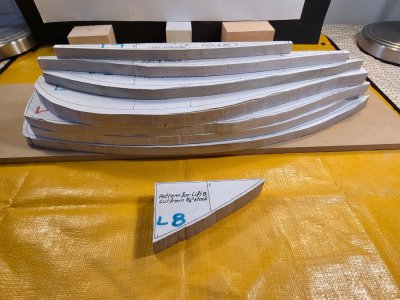
Rough cutting 8 lifts according to lift templates. I'm leaving between 3/8" and 5/8" of room around each template for planing and shaving.
Although I've never done a lift model, I'd highly recommend trimming the lifts a lot closer to the line before attaching everything. I think it will be really hard to get the right hull shape with 3/8-5/8-in of excess on all sides. From what I understand (though check out Greg Davis's builds first), the lift method relies on the hull slices being the right shape at one corner, so that you know how to shape the other corner.

Not to mention that it's going to be a ton of material to remove. On my Bateau de Lanvéoc build, I cut the frames about 1/16-in oversize and it has been a lot of work to sand things down to size. The plane and spokeshave will definitely be faster than sanding, but 3/8-in is still a lot.
 
Looks like a great subject and a nice start!

Although I've never done a lift model, I'd highly recommend trimming the lifts a lot closer to the line before attaching everything. I think it will be really hard to get the right hull shape with 3/8-5/8-in of excess on all sides. From what I understand (though check out Greg Davis's builds first), the lift method relies on the hull slices being the right shape at one corner, so that you know how to shape the other corner.

Not to mention that it's going to be a ton of material to remove. On my Bateau de Lanvéoc build, I cut the frames about 1/16-in oversize and it has been a lot of work to sand things down to size. The plane and spokeshave will definitely be faster than sanding, but 3/8-in is still a lot.
JC - I thought you built that great NRG half-hull model on a black backdrop, yes?

I know 5/8 inch is alot to leave on the lifts but since I haven't used my spokeshave yet I was concerned about removing too much wood. I'll carve it down to 1/16 and start fairing from there. Thanks for the tip.
 
I did the NRG Half-Hull, but it's based on planking around bulkheads rather than making the hull from lifts, so it's a bit of a different method.
 
Another “Shadow” Interlude

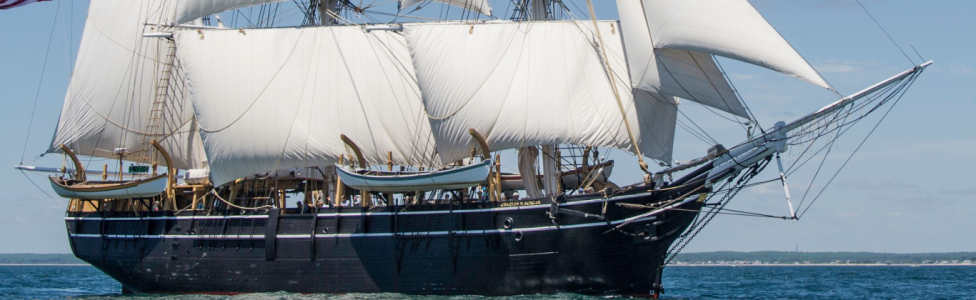
So my wife and I are taking two weeks in July to follow the Tall Ships as they sail from Hampton Roads, VA to Baltimore, MD, New York City, and finally we will meet them up close during Sail250 in Boston Harbor on July 9-12, 2026 . We are looking forward to seeing the U.S.S. Constitution, the Amerigo Vespucci, La Esmeralda (close to my model builder’s heart), the Kalmar Nyckel, the Gorch Fock, the Nippon Maru, the Bluenose II, and dozens of other Tall Ships participating in Sail250.


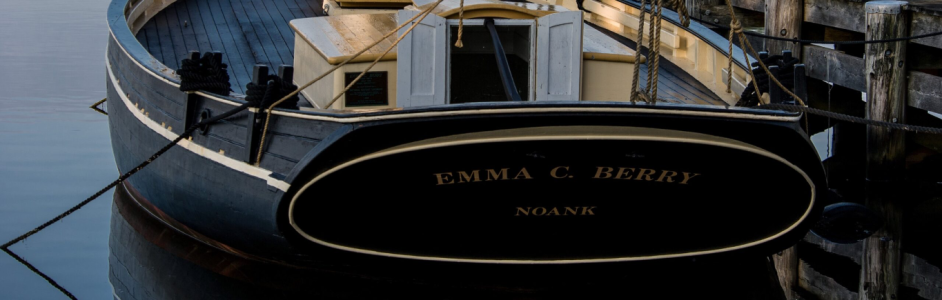
On the way up, we will spend 2 days in Mystic Connecticut, where we plan to do a deep dive into the Mystic Seaport & Museum, and take in the Charles W. Morgan whaling ship and the Emma C. Berry Noank Smack. We had originally planned to stop at Groton Submarine Base Museum and the "Onrust (Restless)" museum ship (17th century Dutch speeljaght) on the Connecticut River, but now that I’m building the “Shadow” we decided to instead stop at the Herreschoff Maritime Museum & America’s Cup Museum in Newport, Rhode Island on our way up to Boston.

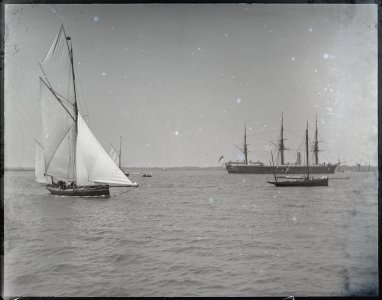
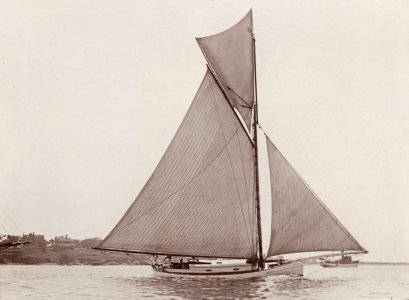
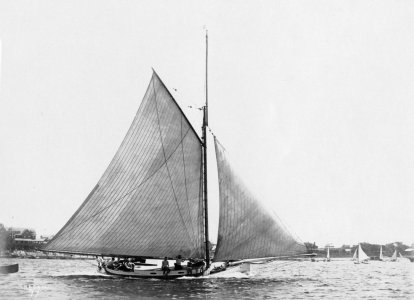
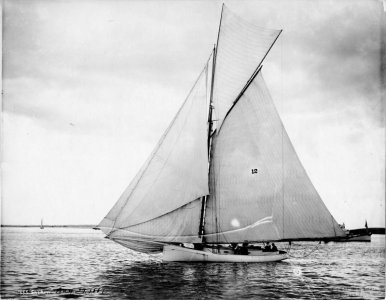
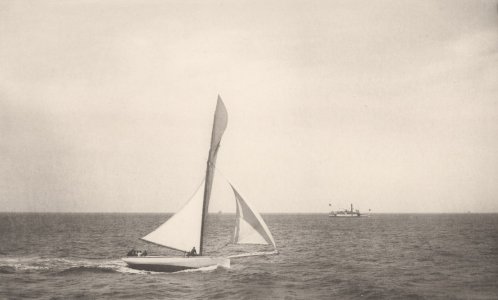
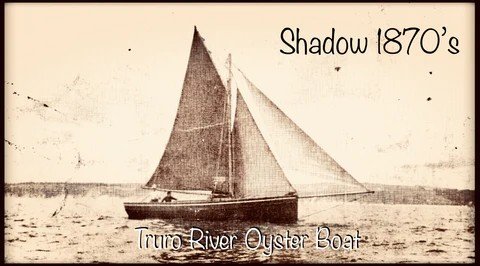
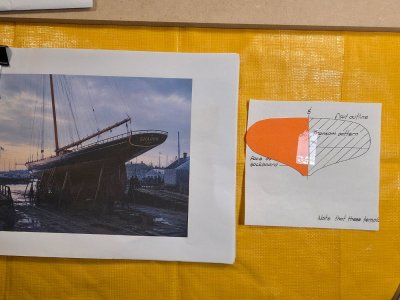
I finally found some historic pictures of the actual “Shadow” during her sailing days — she was active racing for 17 years. And these pictures comes from the Herreschoff Maritime Museum.

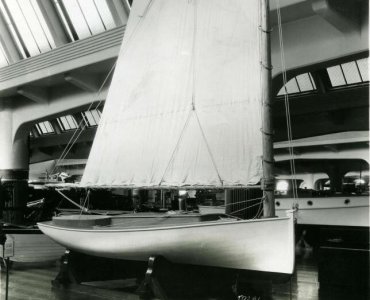
At the museum, there is a scale model of another early ship close to Nathanael G. Herreschofff’s heart…the Sprite 20-foot sloop yacht from 1860. You can see how the Sprite, the childhood yacht of N.G. Herreschoff and his brothers, echoes the hull of the Shadow, especially at the bow.

1782603351000.jpeg

And here is the story of 18-year old Nat Herreschoff and his brothers sailing in their catboat, the Sprite (Note similarities of hull framing to the Shadow):

1782604438966.jpeg
The “Sprite”

In the summer of 1860, twelve-year-old Nat Herreshoff steered this boat through Manhattan’s East River and its notorious Hell Gate after he and his 18-year-old blind brother, J.B., and a friend had sailed 175 miles from Bristol without stopping. J.B., helped by his dad, had modeled and built the winter before, with young Nat helping. The brothers sailed SPRITE together almost daily for three seasons, consistently winning races and cruising extensively to Clinton & New Haven, CT and Block Island & Vineyard Haven, MA.

1782604931845.png
The Sprite

20260627_113445.jpg
The Shadow

1782610730824.png
Emma C. Berry

1782610818633.png
Charles W. Morgan
 
Last edited:
5. Build Log: The "Shadow" 1871 Racing Yacht by Nathanael G. Herreschoff - Wooden Half-Hull Presentation model

Today's preparations on the Shadow.

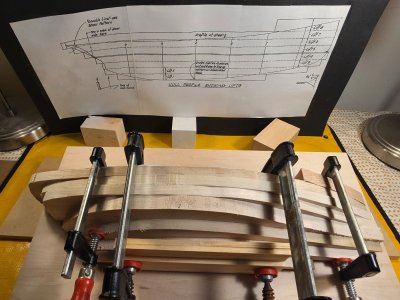
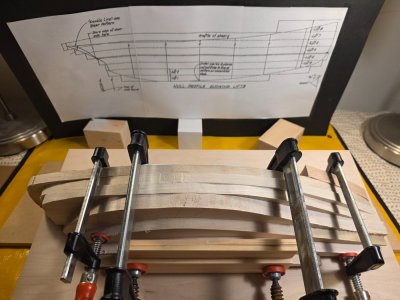
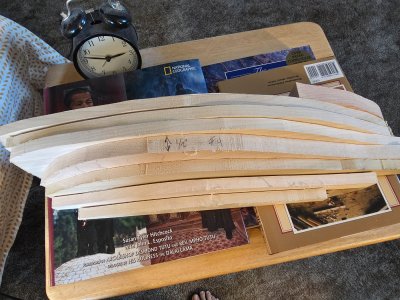
1. Dry fitting all the lifts and cutting the back side of each lift to match the backboard.
2. Cutting the excess wood around each lift to 3/16 inch and getting ready to start fairing the lifts.
3. Reading Greg Davis's build log on the Gracie S. Wow, what a hull!
4. Still waiting to redo Lift 4, which is way too thick at .667 inch. Needs to be .5 inch just like all the other lifts other than Lift 8.

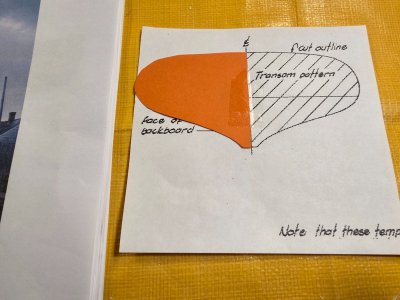
I'm starting to get worried about the Shadow's distinctive transom. As you can see, the transom sheer line is cambered from starboard to port. I believe this convex curve is called "athwartships." At the same time, there is a saddleback curve from the bow to the transom, so there are 2 curves that make up the sheer line atop the lifts.

Couple this double-camber with the tumblehome issue with Lifts 7, 6, 5 and 4 bulging outwards slightly from the center line, the fairing of this hull will be a real challenge.

Slow and steady wins the race!

20260627_215342.jpg

20260627_215311.jpg

20260627_215222.jpg

20260627_215202.jpg

20260627_215148.jpg

20260627_160836.jpg

20260627_155628.jpg

20260627_155546.jpg

20260627_144708.jpg

20260627_144701.jpg

20260627_144208.jpg

20260627_143938.jpg

20260627_143140.jpg

20260627_142544.jpg

20260627_113808.jpg

20260627_113733.jpg

20260627_113616.jpg

20260627_215555.jpg

20260627_215506.jpg
 
Last edited:

Shadow’s hull lines are also reproduced in a reprint of William P. Stevens’ Traditions and Memories of American Yachting.

Roger
 
Shadow’s hull lines are also reproduced in a reprint of William P. Stevens’ Traditions and Memories of American Yachting.

Roger
Roger - You are spot on, as usual. I checked Mother AI and she tells me that the 3 plan drawings for the Shadow have been published by William P. Stephens, so I will share them.

Here's what is said about the "Shadow" as she appears in "Traditions and Memories of American Yachting:"

"Yes, the book contains information and design lines related to the Shadow, but it depends on exactly what you mean by "shadow drawings."If you are referring to the famous 1871 compromise sloop Shadow (designed by Nathanael Greene Herreshoff), or W.P. Stephens' own "Shadow model" sailing canoes, here is how they are included:"

"1. Herreshoff's Shadow (The Famous Sloop): The historic yacht Shadow is heavily featured in the historical text. William P. Stephens traces her historic career, and the comprehensive 1981 and 1989 editions include the architectural line drawings (hull lines, offsets, and sail plans) for the historic yachts profiled. If you are looking for the technical draft lines of this legendary boat, they are compiled in the book's architectural plates."

The drawings from The Wooden Boat Store cost about the same as purchasing a used copy of W.P. Stevens book, so I benefitted from the bargain. But I might just buy the William P. Stephens book to get his extended take on the Shadow, its design and its racing career. And to get more pictures and drawings of the Shadow from one of the deans of American yachting during its Golden Age.

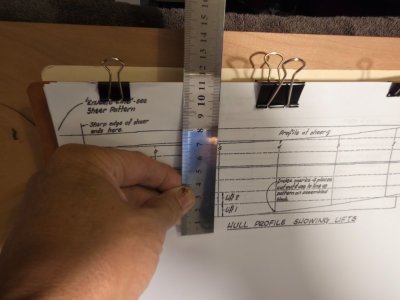
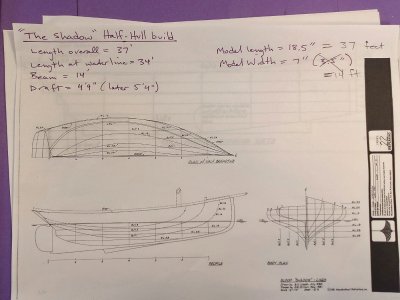
One issue with the drawing specifications is that the Beam measurement of 14 feet would translate to 7 inches at the 1" = 2' scale. Instead, all lifts taken together in my build are only about 3.75 inches rough cut. So I think the actual Beam measurement should be 7 feet instead of 14 feet.

Here they are.

20260627_091615.jpg

20260627_091346.jpg
 
Last edited:
There’s an in house cartoon for naval architects that shows a boat sinking. Two guys are standing on the launch ways. One says to the other “Oops, I forgot to multiply by two.” BC (before CAD) calculations were often made for a half hull, multiplying the result by 2. So, possible confusion over beam.

Roger
 
6. Build Log: The "Shadow" 1871 Racing Yacht by Nathanael G. Herreshoff - Wooden Half-Hull Presentation model

Additional research into the "Shadow" by Herreshoff, from the Herreshoff archives, MIT Museum and Mystic Seaport Museum.

I'm really feeling the tumblehome in these images, bulging out at the top third of the wales, as well as the saddle-back camber from bow to stern.

The rough cuts of the lifts are also starting to show the tumblehome and the double-camber atop decks.

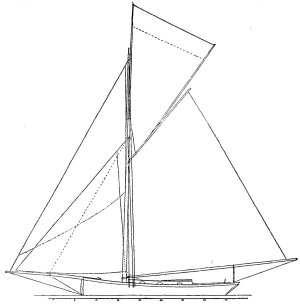
And while this is only a half-hull presentation model, I am interested in the sail and rigging plan. Why does the rigging plan change over time? Why was it deemed necessary to lower her draft from 4'9" to 5'4"?

This is a really interesting boat with a really interesting history in the life of Nathanael G. Herreschoff.

0ae6ee2e-0f2e-4eb4-9108-00df07ea58e5.jpg

1ffcd55b-70be-4051-b067-4887a9397c08.jpg

4bed098e-6f22-4491-8bd9-eddb8c14d429.jpg

7cd8c7a4-15f2-41f1-ba93-62863daa171b.jpg

29fff5b9-5af1-4a40-ba8a-16f0bd04c206.jpg

57f3db90-0d1c-472c-8235-3ebc0dff86d0.jpg

6911cd0d-f869-498d-8498-327a1eff4ede.jpg

a6e65dcd-baa3-44cc-80e5-bb6d97f97c97.jpg

a785f4ef-6cbe-44d5-aaf8-1905e1283ce3.jpg

b6d5d24c-f14a-4e7d-88d0-cd10fb8610d6.jpg

cea077ab-7ca9-4248-8ab6-c7f432590e34.jpg

dc478704-6356-4dbe-909d-aa3f24c1d4f4.jpg

f71b2763-18ba-4971-be8f-4cf333d447dd.jpg
 
Last edited:
8. Build Log: The "Shadow" 1871 Racing Yacht by Nathanael G. Herreshoff - Wooden Half-Hull Presentation model

More pictures from today's labors on the Shadow half-hull build.


20260628_180043.jpg


20260628_180019.jpg

20260628_180035.jpg

20260628_175857.jpg

20260628_175626.jpg

20260628_175642.jpg

20260628_153646.jpg


20260628_153038.jpg

20260628_153045.jpg

20260627_215548.jpg

20260627_215506.jpg


20260628_223616.jpg

20260628_224033.jpg


20260628_224956.jpg
 
Last edited:
Back
Top