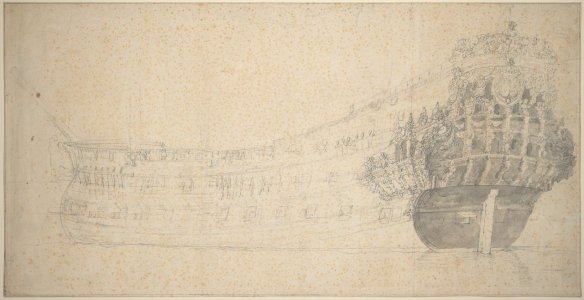
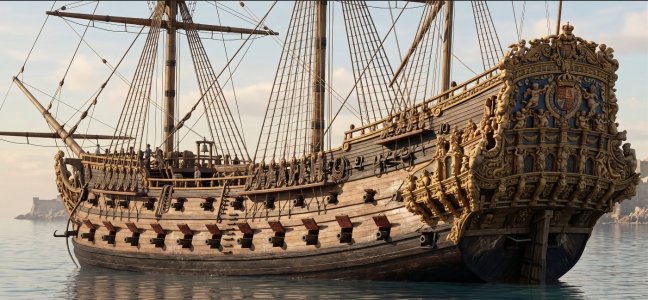
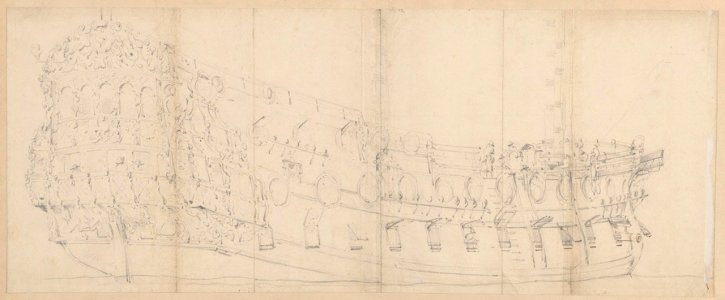
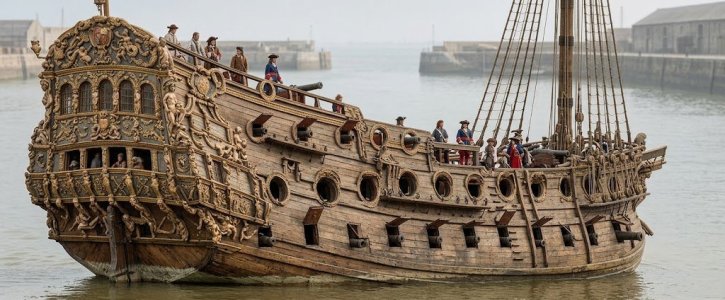
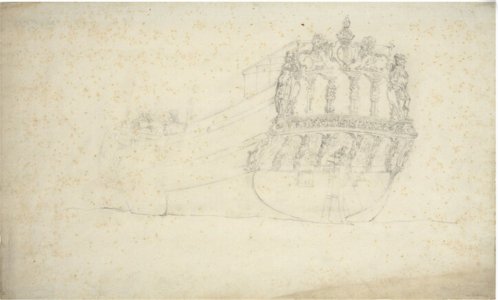
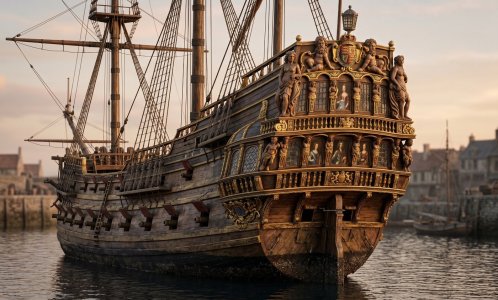
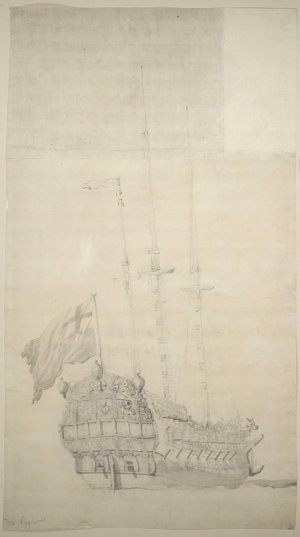
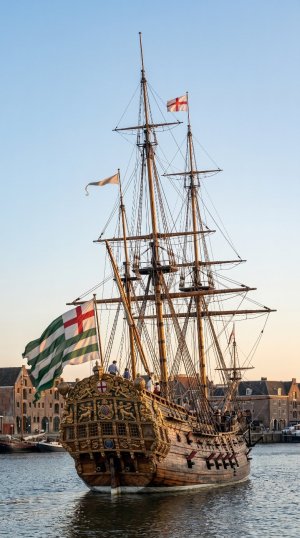
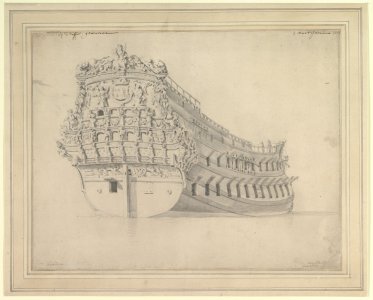
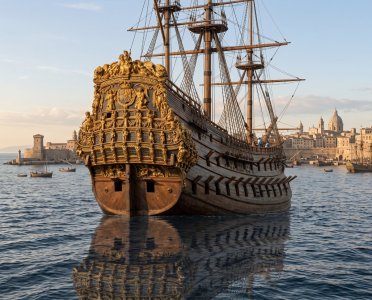
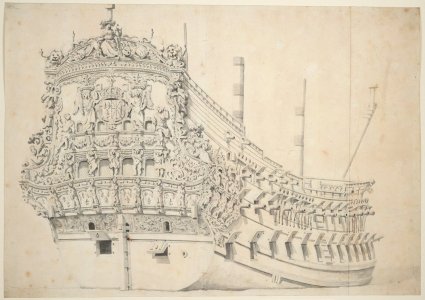
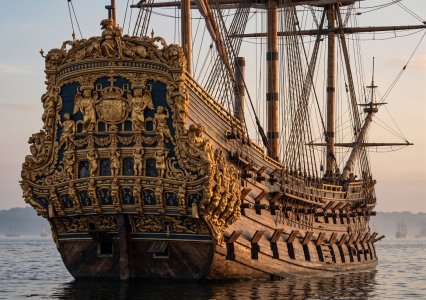
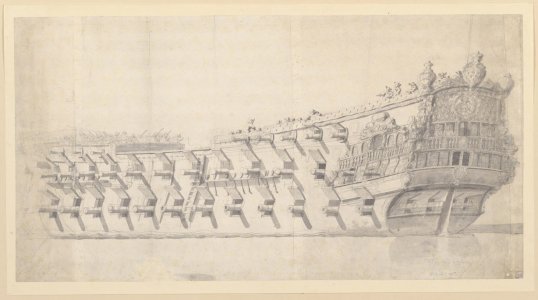
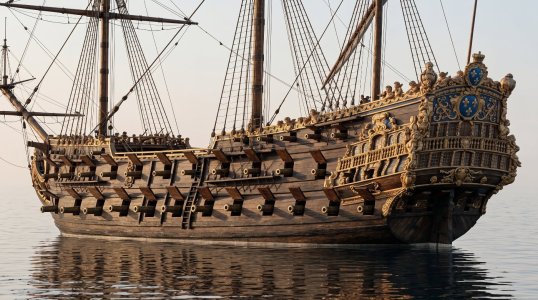
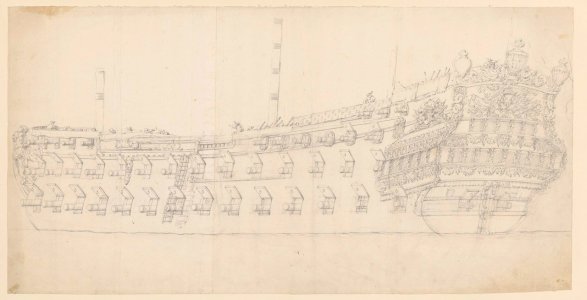
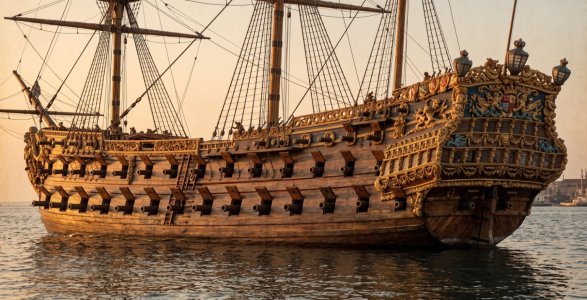
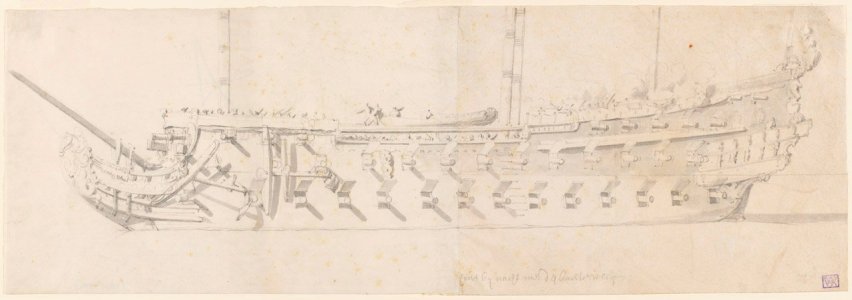
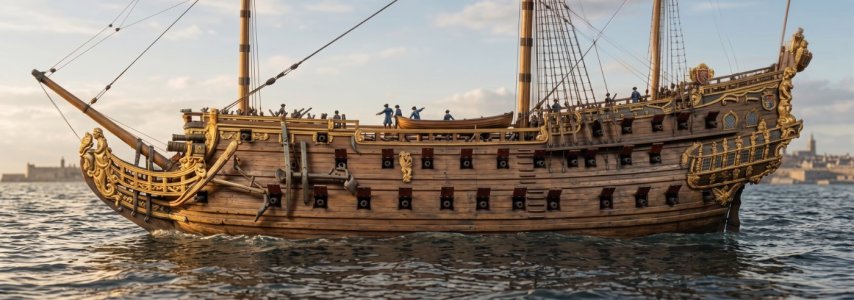
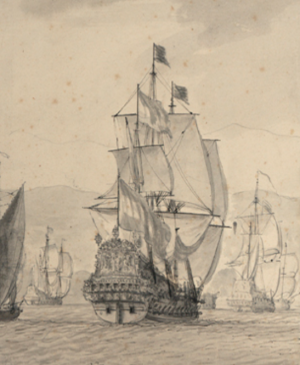
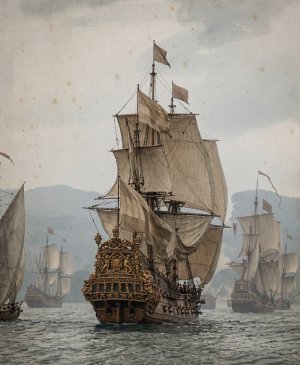
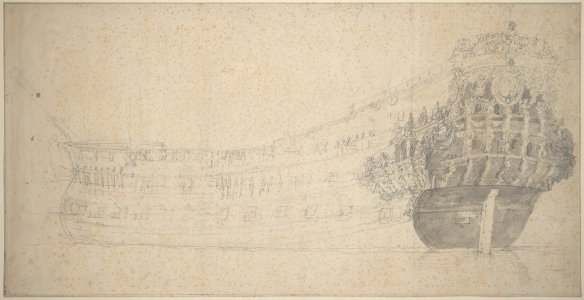
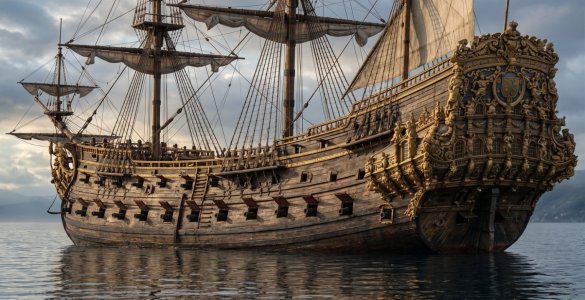
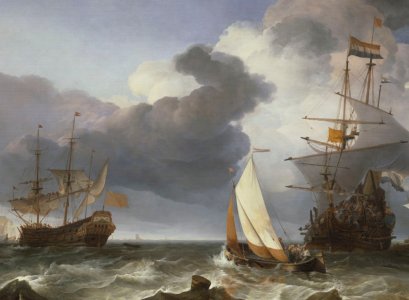
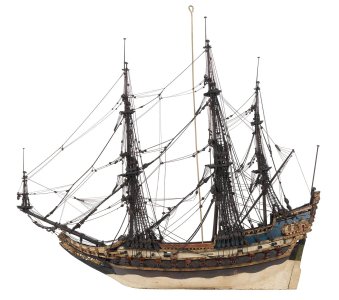
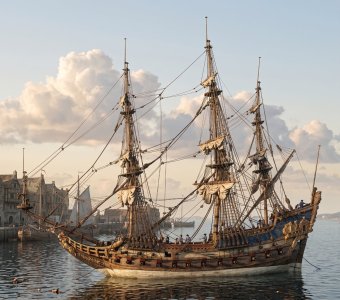
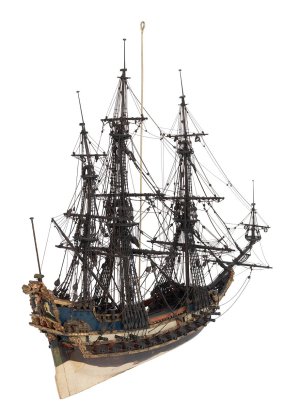
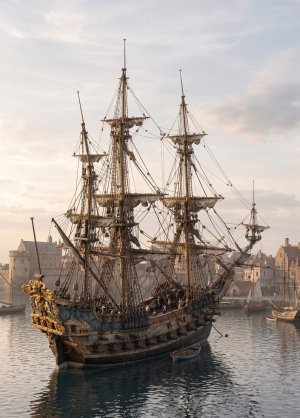
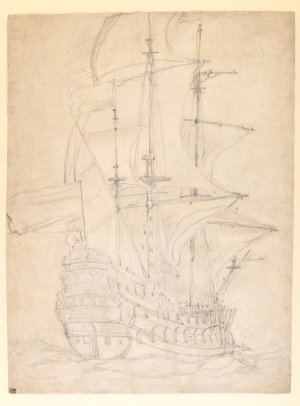
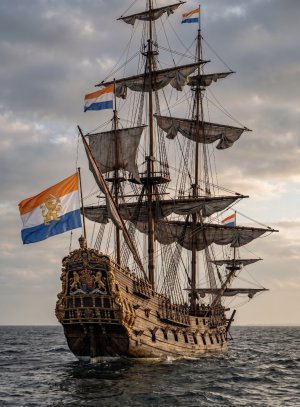
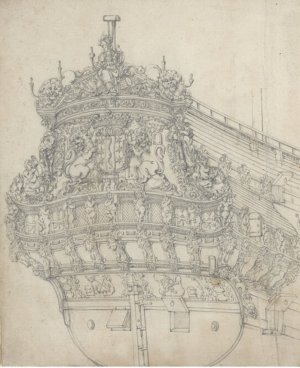
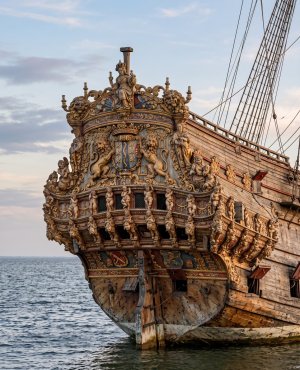
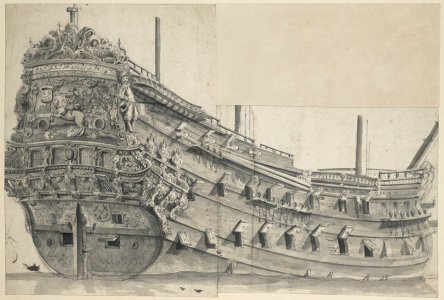
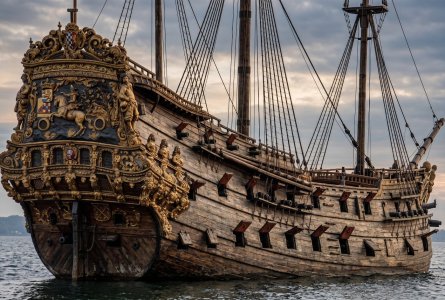
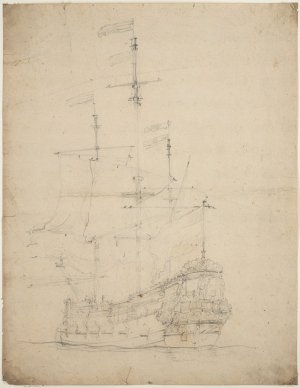
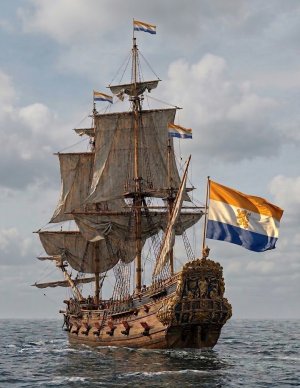
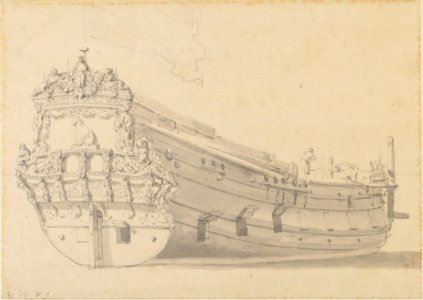
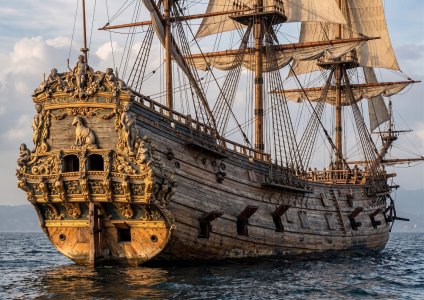
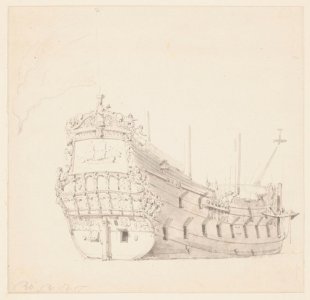
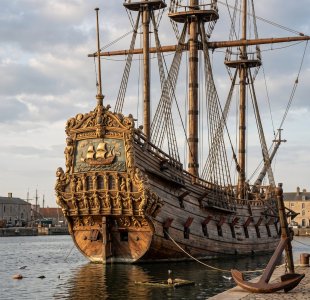
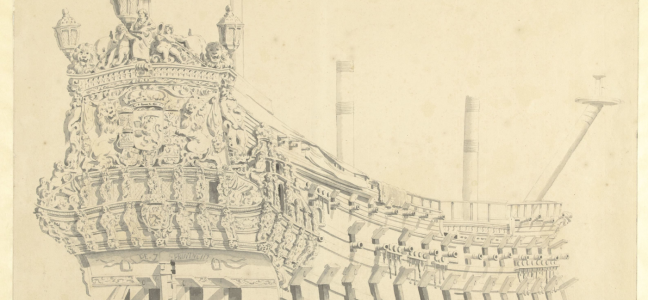
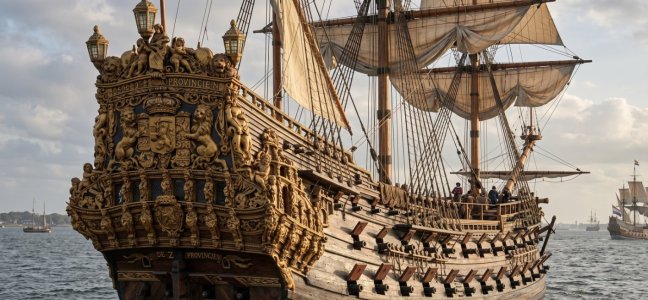
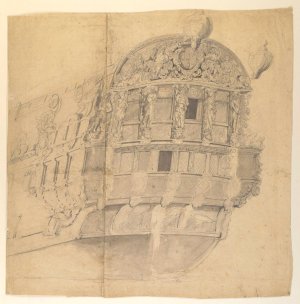
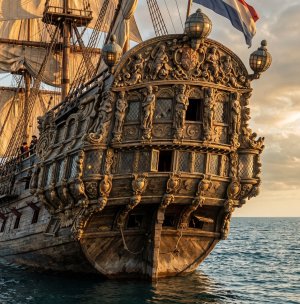
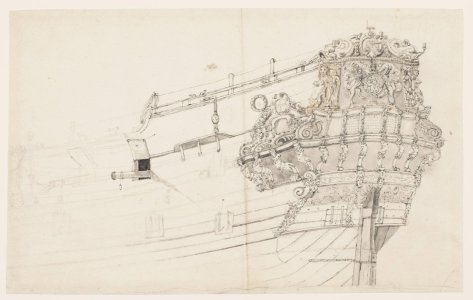
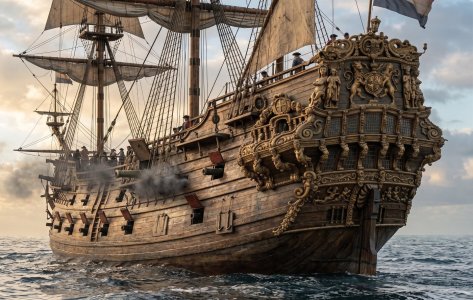
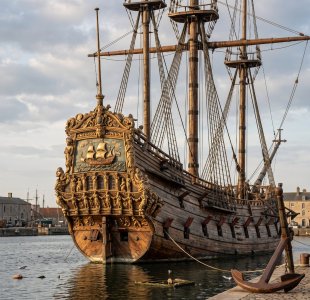
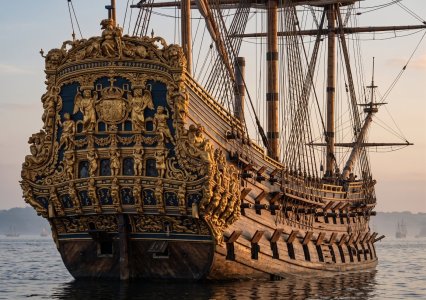
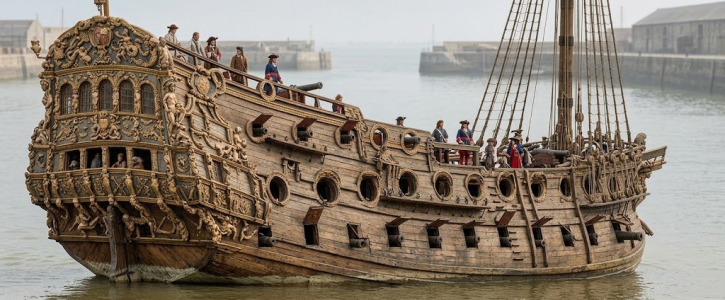
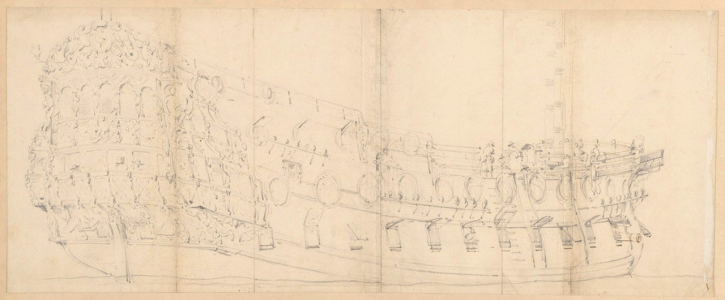
BTW, as I wrote earlier, these images were mostly an attempt to turn sketches and drawings that are difficult to interpret into something more immediately readable.
I am not an expert in historical ships. I was mainly looking for quick visualisations of different stern types, to understand their general character and get some inspiration for my own project. I did not mean to present the results as definitive historical reconstructions.
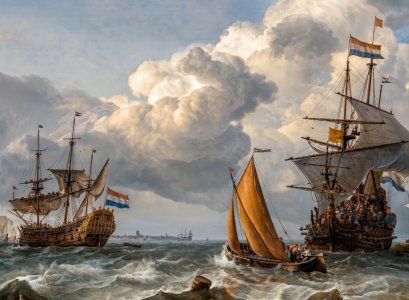
However, the errors identified here are real and useful: the incorrect ensign and mast tops on Tiger, the missing leeboard that completely changed the nature of the Dutch yacht, the additional mast and the questionable relationship between the gun decks, wales and sheer lines.
I think we should distinguish between two different uses of AI: creating an atmospheric visualisation and attempting a historically constrained reconstruction.
For the first purpose, a simple instruction such as “make this old drawing look realistic” may be sufficient. That is more or less what I did here. It can help us read a difficult image and understand the overall shape, but the details cannot be trusted.
The problem is that when the original drawing is unclear, the AI tries to complete it with whatever appears visually probable. It may mix features taken from different periods, types of ships, modern models, paintings or even fantasy imagery. The result can look very convincing while being completely wrong in important details.
A more serious reconstruction would require a separate procedure for each ship. First, we would need to identify the precise vessel, date, function and configuration, especially if it underwent a rebuild. The original drawing or plan should remain the main authority, while contemporary models, paintings and museum records could be used to clarify individual features.
We would then need to tell the AI exactly which elements must not be changed: hull proportions, sheer and wales, gunports, leeboards, deck levels, masts, galleries, windows, rigging, flags and so on. If something cannot be seen clearly, it would be better to leave it uncertain than allow the AI to invent it.
It would also be safer to work on one part at a time. If the flag is wrong, correct only the flag. If a mast top is wrong, mask and edit only that area. Regenerating the entire ship to fix a single detail often produces several new errors elsewhere.
More specialised workflows can also use line or edge controls, such as ControlNet, to keep the generated image closer to the original geometry. Negative instructions can help prevent extra masts, gunports, later-period fittings or fantasy “pirate ship” elements. Even these tools do not guarantee correctness, however; the final result still needs to be checked by someone who knows the subject.
So yes, AI may be capable of producing something much closer to a proper reconstruction, but not through a single prompt. Each ship would require research, references, constraints, trial and error, local inpainting and human verification. And sometimes good old Photoshop is still the quickest way to correct what the AI cannot get right.
The observations made in this thread are exactly the kind of expert feedback that could improve such workflow.