• Win a Free Custom Engraved Brass Coin!!!
    As a way to introduce our brass coins to the community, we will raffle off a free coin during the month of August. Follow link ABOVE for instructions for entering.
  • PRE-ORDER SHIPS IN SCALE TODAY!

    The beloved Ships in Scale Magazine is back and charting a new course for 2026!
    Discover new skills, new techniques, and new inspirations in every issue.

    NOTE THAT OUR FIRST ISSUE WILL BE JAN/FEB 2026

Harold Hahn

The perfect storm Harold Hahn was a classical trained artist
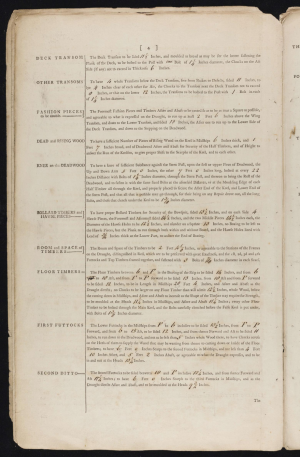
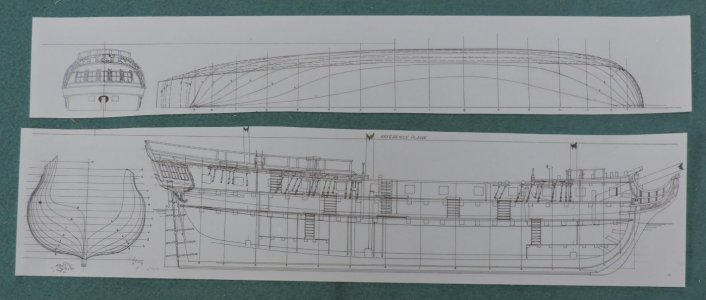
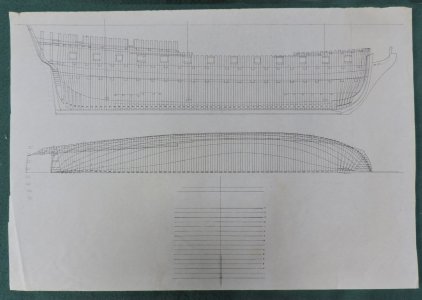
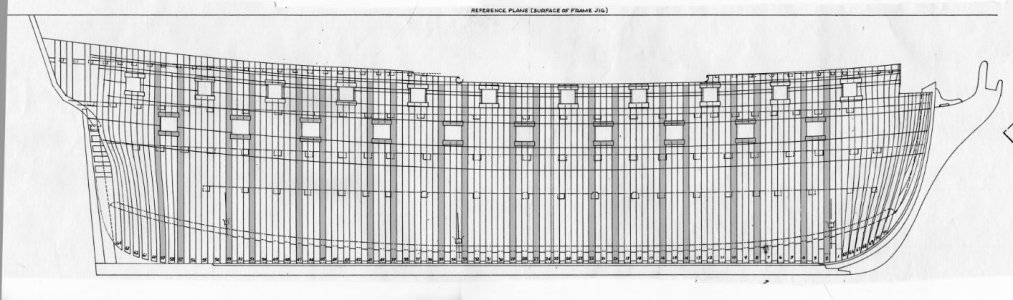
Mr, Hahn contributed a LOT to the modeling community, and I did build one model (HMS Roebuck) using his information and methods, but not something I would likely do again. So much wood is wasted with his framing method and so many details are missing that it is easier and less expensive to use contemporary plans and scantlings. In the case of Roebuck (44) 1774 the plans and original contract with the 1785 and 1787 modifications are available for a free download at the RMG Collections site. Sample page is below
1772192044646.png
 
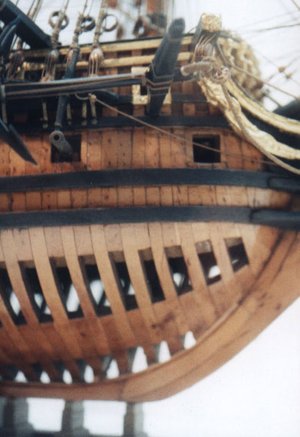
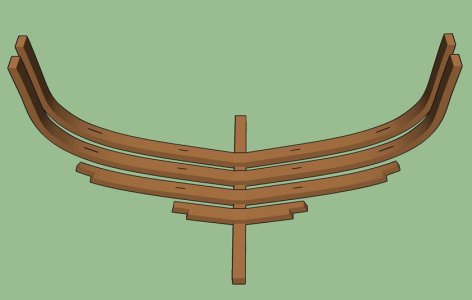
As we have seen Bob built hulls with floors and futtocks between the floor heads a type of admiralty style of building.

A45.jpgA51.jpg

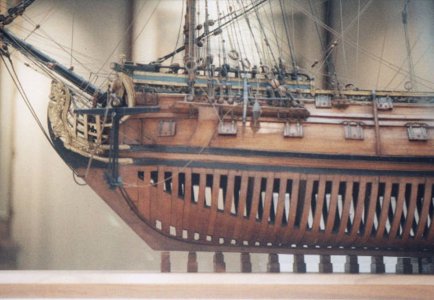
This was not a stylized framing it was an actual framing system shown in this model of the San Juan wreck in Red Bay.


San-Juan.jpg

Although this framing was used by Bob it was not going to work for what Harold had in mind.

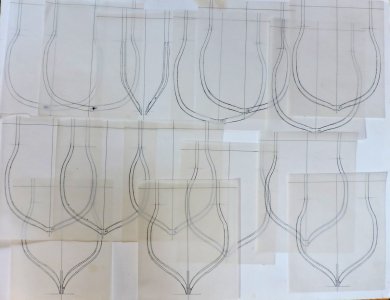
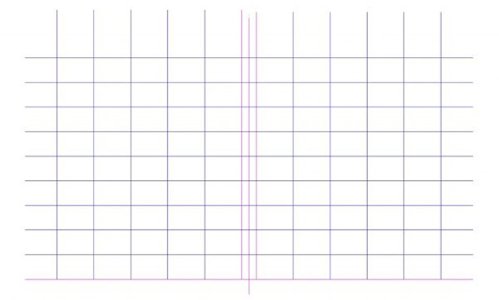
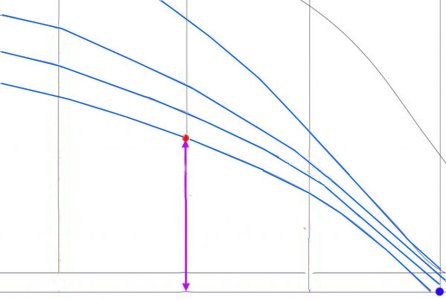
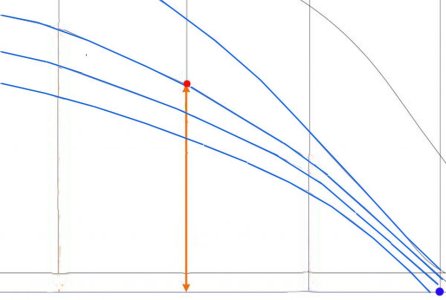
frameshape1C.jpgframeshape1D.jpg

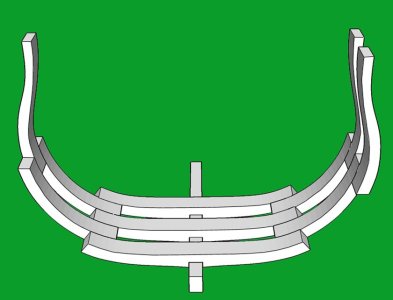
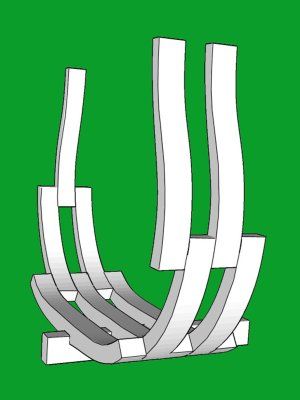
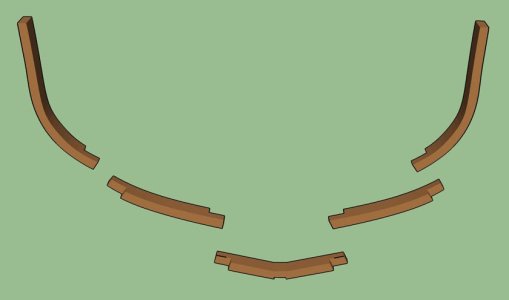
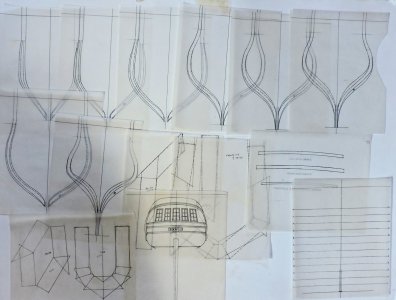
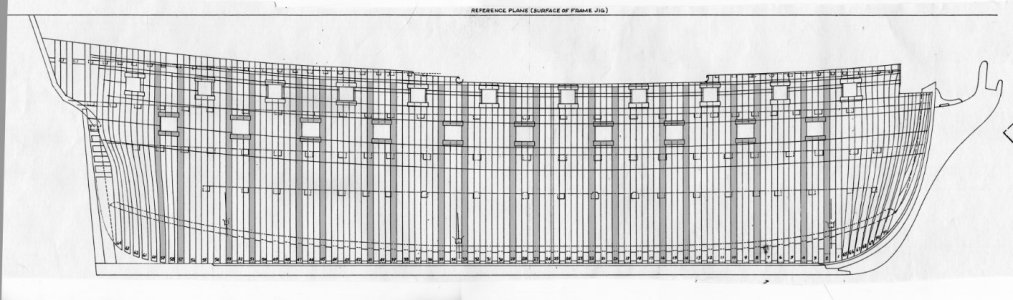
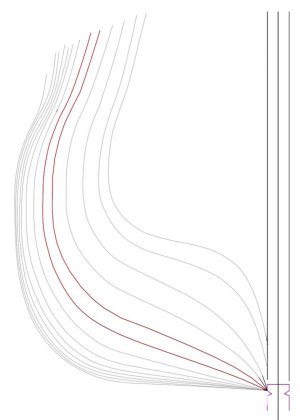
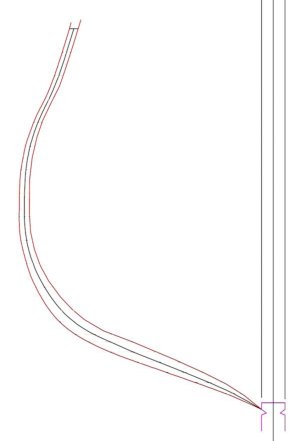
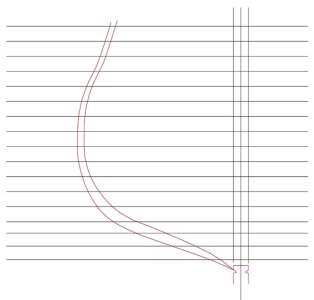
one problem was the frame futtocks were not sistered together they were one solid independent timber placing them in the hull required precise building. This made building up a framed hull far more difficult, so Harold had to engineer another way for a model builder to accomplish a framed hull.
 
Last edited:
There was a stylized framing of admiralty models of room and space where the frames and spaces were equal. Let's look at Bob's model of the Boston.

boston1 artical.jpg

This is what Harold was looking for and a way to engineer a system of building models so anyone with the desire can accomplish a scratch-built framed model.

When you look at a fine art model you know it instantly there is something about it, design, balance, proportion skilled craftsmanship.

Equal room and spacing of frames was seen everywhere Bob Bruckshaw use it in his models as well as Crabtree use it and a number of other model builders even the builders of the Navy board models used it. Not only was it used in model building but also used in actual hull construction. There seems to be more to it than just a random method. Keeping in mind Harold Hahn was an engineer by trade and accomplished artist one thing all engineers and artists know is the golden mean. This is a ratio of geometric proportion that is used in architecture, art, engineering and even in the natural world. This proportion is said to produce the most aesthetically pleasing results. Equal room and space framing in ship models is the starting point of design the balance between art and engineering.
From the artistry of the early admiralty models to the contemporary works of builders like Bruckshaw and Hahn they knew darn well what they were doing within the arts, engineering, and historical accuracy.

“It is well known by artists and engineers and architects that the eyes take in information more efficiently when they scan side-to-side, as opposed to up and down.”
the first impression when seeing a fine art ship model is the foundation it sits on, the framing the architecture of the work then the details.


We often speak of the golden proportions of the Parthenon in artistic and aesthetic terms, forgetting that behind all architectural and art there must be a firm foundation in ultimate numbers. As Pythagoras had clearly said: first of all is numbers.


This is what Harold was looking for and a way to engineer a system of building models so anyone with the desire can accomplish a scratch-built framed model.
Dave,
Great thread. In 1987, I used Hahn's framing method to start scratch build HMS Serapis from Greenwich plans of HMS Roebuck. His book and method seemed aesthetically pleasing and feasible for a first-time scratch build!
Equal room and spacing of frames was seen everywhere...even the builders of the Navy board models used it. Not only was it used in model building but also used in actual hull construction.
Having just graduated from the USNA as a NArc, and spending time admiring the Navy Board models in the museum, the equal spacing seemed to work for me. Both structurally and aesthetically, and it was also familiar from admiring those models.
From the artistry of the early admiralty models to the contemporary works of builders like Bruckshaw and Hahn they knew darn well what they were doing within the arts, engineering, and historical accuracy.
“It is well known by artists and engineers and architects that the eyes take in information more efficiently when they scan side-to-side, as opposed to up and down.”
The first impression when seeing a fine art ship model is the foundation it sits on, the framing the architecture of the work then the details.

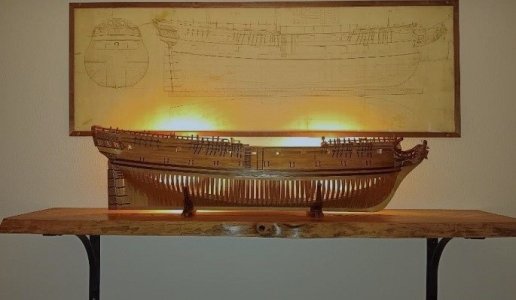
Placing flush mounted wall lights behind a model with this spacing draws attention to the framing. Then, after being drawn in, people begin to notice and comment on the details like carvings, gunports, seats of ease, etc. Seems to happen the same way every time, when a person unfamiliar with ship models sees it.Serapis backlight.jpg
 
Brad
Your display with the back lighting and the plans is an inspiration. Now to find the right place in the house....... THANKS FOR POSTING THIS
Allan
 
Back
Top