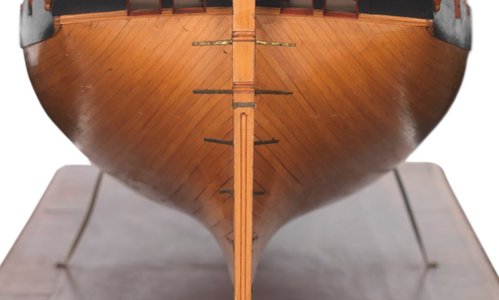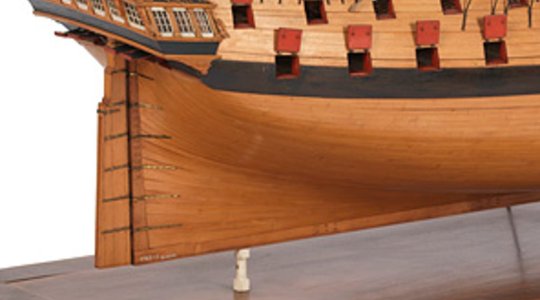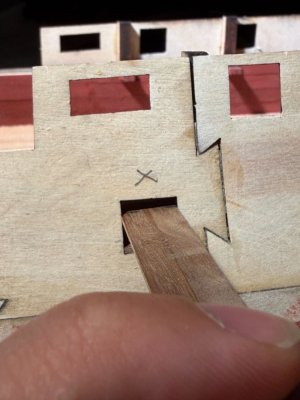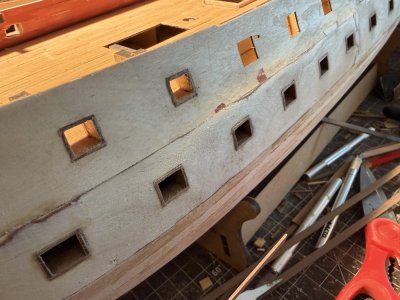

• Win a Free Custom Engraved Brass Coin!!!
    As a way to introduce our brass coins to the community, we will raffle off a free coin during the month of August. Follow link ABOVE for instructions for entering.
  • SUBSCRIBE TO SHIPS IN SCALE TODAY!

    The beloved Ships in Scale Magazine is back and charting a new course for 2026!
    Discover new skills, new techniques, and new inspirations in every issue.

    NOTE THAT OUR NEXT ISSUE WILL BE MARCH/APRIL 2026

HMS Elephant Amati 1786

Joined
Feb 17, 2025
Messages
3
Points
33
Hello all from California! My name is Jan. For my 26th birthday I bought the HMS Vanguard Amati 1787 kit off of Facebook Marketplace, having eyed it for several months. I didn't jump on it right away figuring the total market size of this hobby is very small and it wouldn't move quickly.
I have always loved ships of the Age of Sail and have dreamt of building a wooden ship, and so last year I finally took a giant leap and built the Mamoli HMY Mary to see if my patience had evolved to a level I could spend months on a single art project. My eventual goal was a ship of the line, so after that I built the Frigate Hermione (took ~10 months), and a Revell plastic Beagle kit.

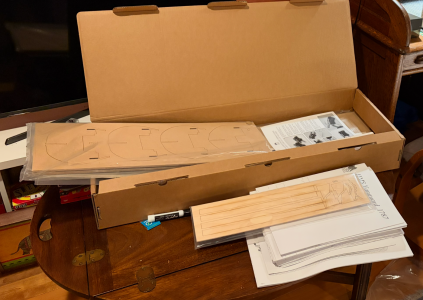
This kit is a behemoth. The box weighs more than 30 pounds.
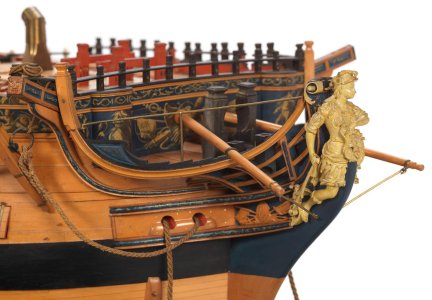
My plan is to build this kit as the HMS Elephant. I adore elephants, and shall try to build this ship so I can display her with an elephant figurehead and varnished wood sides. I don’t see many Elephant build logs on here, or on the internet in general. I trawled Instagram and found one public account with it.

First notes on unboxing and looking a the contents:
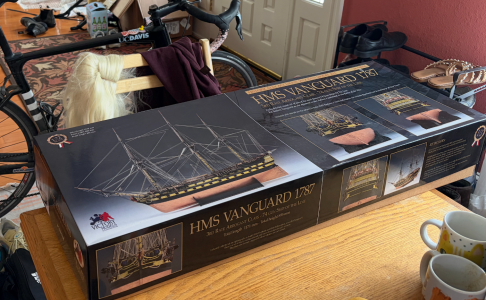
  1. The kit is gorgeous, the plans themselves are a work of art. I have hung one on my wall. I stashed the ones I don’t need currently in a drawer. There are several smaller boxes containing some resin parts, various railings, anchors, deadeyes, buckets, cannons, false-cannons, carronades, and blocks.
  2. A fancier kit will come with more fancy parts. I was pleased to see the deadeye chain plates came in photo etch; I had a devil of a time making them on my Frigate. The paper instructions are a nice change from the pdf I had to read from a CD included for the Frigate.
  3. I don’t think I could take a stab at this without having done a 3 masted ship before. I'm proud of my Frigate and I hope this one turns out even better. The larger size of this ship (over 1 foot longer than the Frigate).
  4. There are a lot of laser cut parts. The photoetch looks excellent.
  5. The cannon carriages are cast metal. I've seen others replace these but for now I shall keep them. I might 3D print some extra carronades for the quarterdeck, as HMS Elephant was equipped with these and Amati sells each of them at a criminal price.
  6. The copper plating will be a first for me, but that will only come many moons from now. It comes as sheets of etched copper that you can snap off in pieces
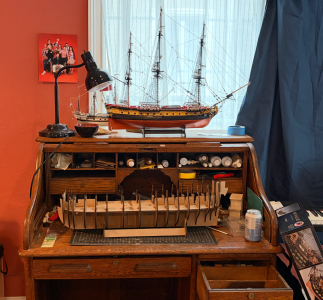
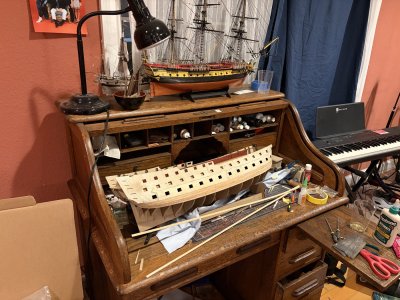
My existing model bench is somewhat smaller than the box, and so I commandeered a coffee table to assist in providing space. I still move apartments semi-frequently, otherwise I would buy a bigger craftbench. I aim to do as good a job as I can with the 2nd planking so I can preserve it un-painted. We shall see how well this goes.

Screenshot 2026-03-26 at 8.47.55 PM.png

Screenshot 2026-03-26 at 8.51.00 PM.png

Screenshot 2026-03-26 at 8.50.50 PM.png
 
Last edited:
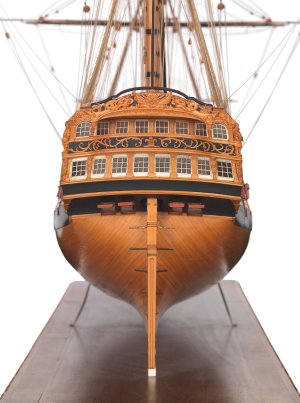
HMS Vanguard
First, welcome to SoS Jan :)

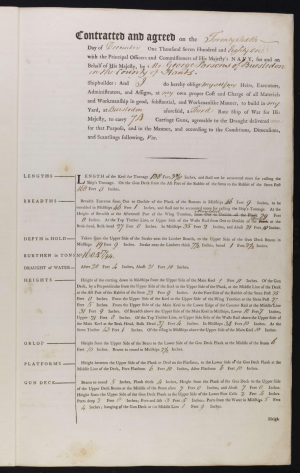
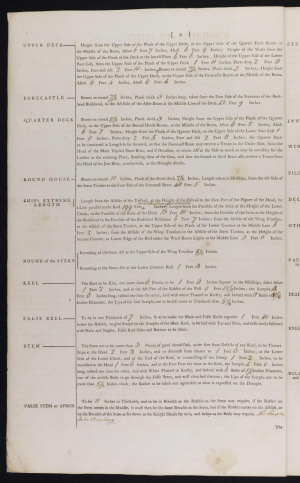
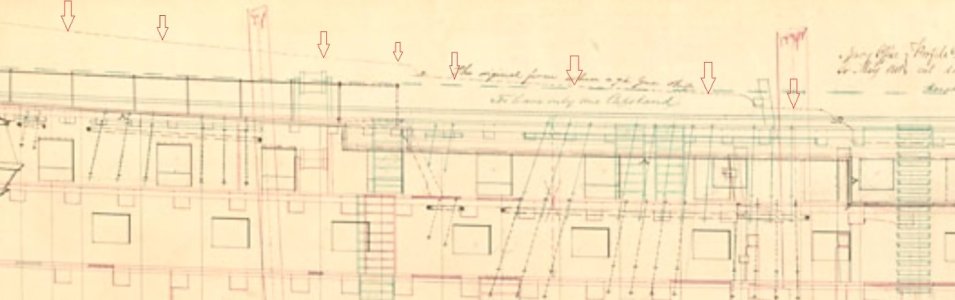
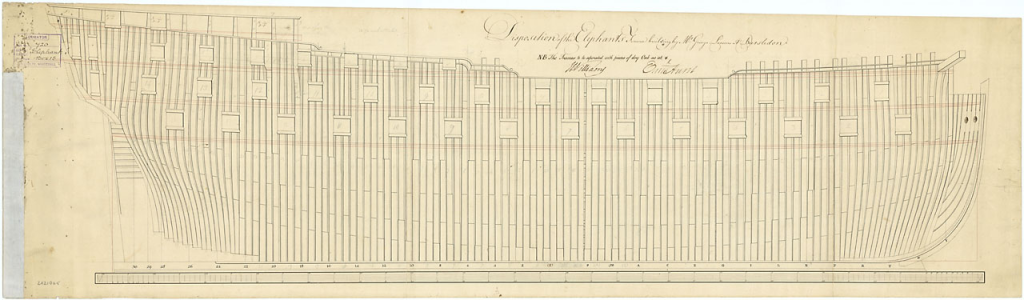
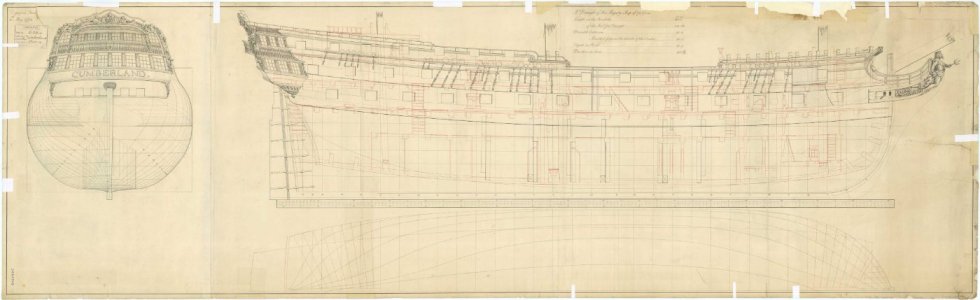
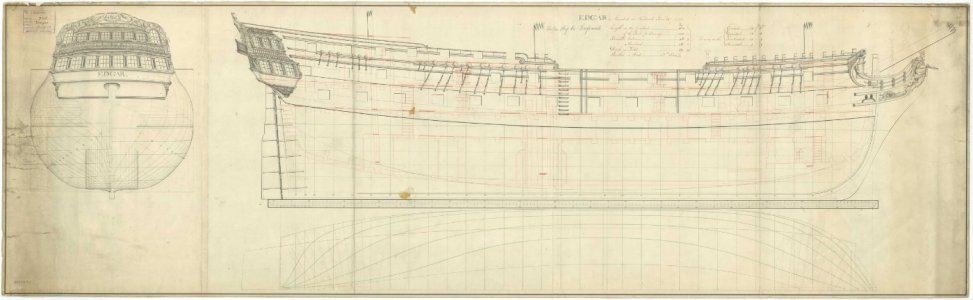
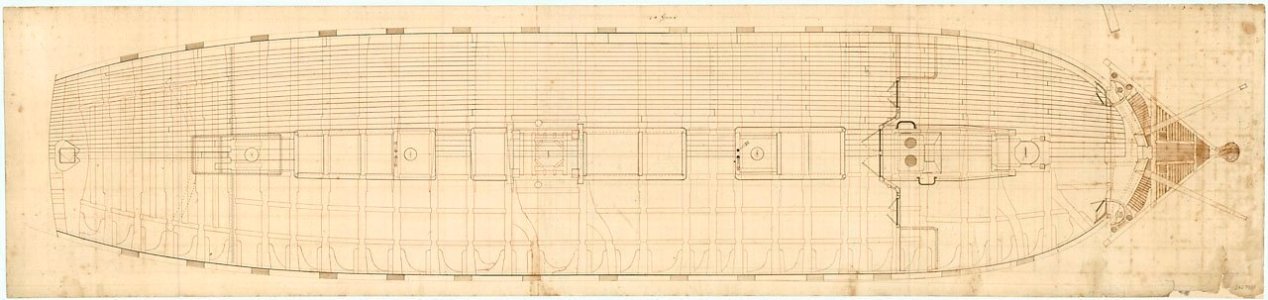
The Vanguard was an Arrogant class 74 same as the Elephant so a great idea that you have as there is so much information about her. Depending on what you are looking to achieve there is the original contract from for Elephant which gives dimensions of every piece of the ship and more. There are also a lot of drawings on the RMG Collections website as well. https://www.rmg.co.uk/collections/objects/search/Elephant 1786 plans

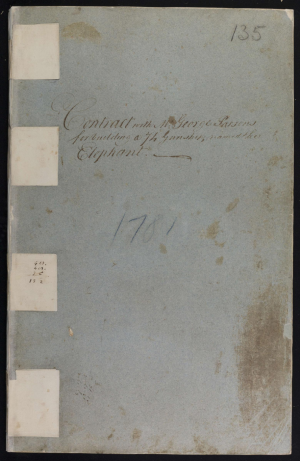
The contract was written earlier, 1781, but is described by RMG and on the cover page as being for Elephant, built by Parsons in Bursledon.
Cover page
1774610653855.png
Page 1 of 24 pages
1774609986346.png

Page 2
1774610030673.png

Have fun, and good luck.
Allan
 
Last edited:
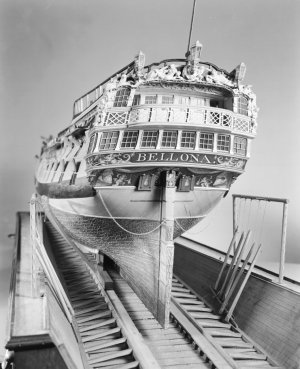
You might find this interesting.
 
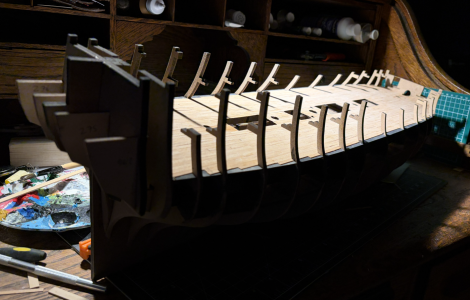
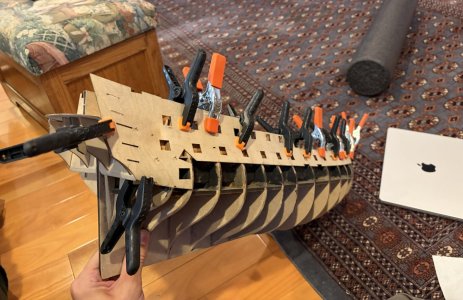
Onwards ho. The bulkheads of the ship are laser cut out of MDF, which is soft and easy to sand. Much better than plywood. The instructions said to sand each bulkhead before installation but I felt that was strange so I glued everything into place first and then sanded. I sanded only the sternmost bulkhead before installation as the planks of the first planking bend sharply and join the transom at that bulkhead.
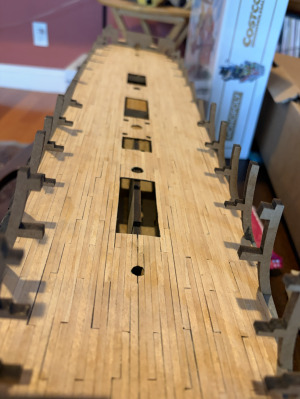
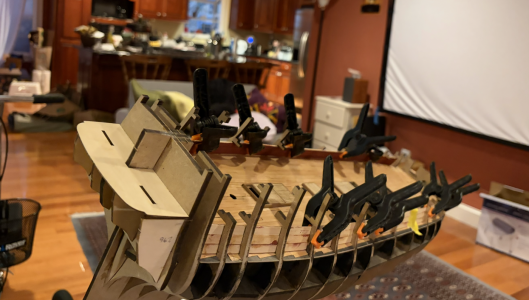
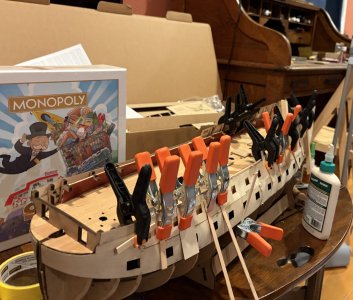
For planking the upper deck, I chose 100mm strips and then did a 4 butt shift every 25mm. This made placement of each plank very easy. I painted the plywood deck layout a dark grey to see if that would come out as caulking. At this scale, it shouldn’t really be visible, but I thought I’d give it a go. It ended up looking worse than expected, so I won’t paint the other decks’ plywood bases. Once the deck was planked, I cut it in half and glued it in place with plenty of clamps.
Some harsh lighting reveals Elephant's lovely lines that I hope to do justice to.
Fun fact: at this point (deck glued in, before bulwark planking begins) Elephant weighs 1980g according to my kitchen scale.
Screenshot 2026-04-05 at 5.11.55 PM.png
Screenshot 2026-04-05 at 5.12.09 PM.png
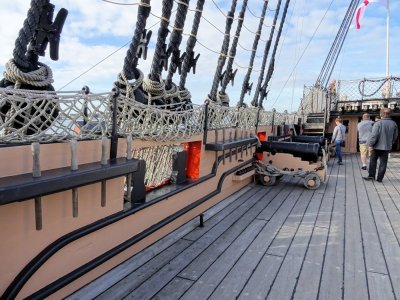
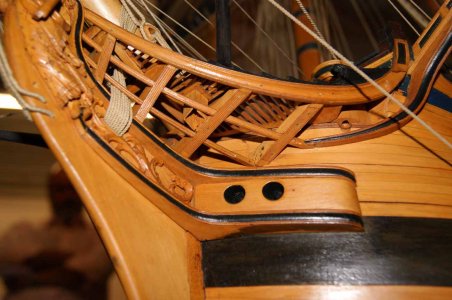
The instructions say to plank the inner bulwarks of the upper gundeck at this point, so I did so. I decided to paint the bulwarks a brick red acrylic paint before adding them so as not to spoil my deck or risk bleed through with masking tape. My Frigate Hermione had much more of a fire engine red which I ended up regretting, and I also presume a brick red would be more similar to red ochre used on ships of the day. There are about 3 full 7mm planks that can fit with no trimming between the upper gun deck and the underside of the spar deck support beams. After that I fit a fourth plank that I cut notches in, allowing me to snugly fit the fourth plank beneath the deck support frames. Once all the strips were glued in I applied a liberal amount of wood glue to the backside of the bulwarks. At this point I also glued the stern gallery balcony deck base in, and wetted it to get it to curve.
Screenshot 2026-04-05 at 5.12.16 PM.png

Future plans for deck include the addition of a pad for the capstans to sit on. The plans you so kindly linked suggest they should be there; it was unclear to me based on the model kit's instructions.
 
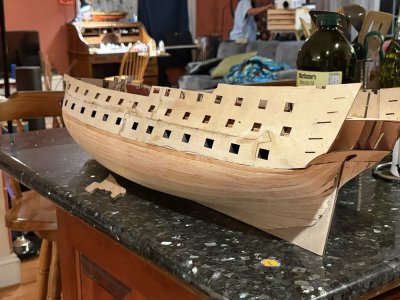
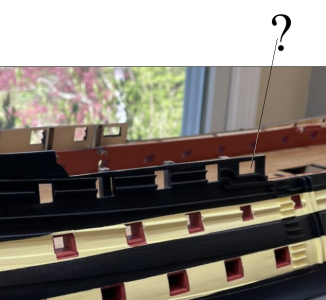
Next up were the gunport patterns. These things initially looked easy, but were a menace to put on. I’d read that excessive soaking caused worse warping in plywood, so I soaked them for less than twenty minutes each, and then used my pin punch to pin the parts in their tentative locations. I carefully ensured that the pins were punched in only about half their length to facilitate easy removal, only for the pattern to promptly fall off, the nails having only dented the MDF. I then bought more clamps and used every clamp I own to hold the parts in position, and punched the nails in deeply. This got the ply to finally stay in position until the glue cured.
Three of the patterns go on relatively quickly, but the fourth is the worst, as it is the one that curves around the bow AND curves outboard at roughly the same point. No amount of steaming with an iron got the pattern to bend like that and it eventually started to split.
IMG_8251.jpeg
Light steaming of the lowermost gunport patterns were sufficient to get a decent curve that could be pinned into place. I glued a small strip of wood along the bottom inside sill of the lowermost gunport patterns to reduce warping. At this point my clamp collection was insufficient keep it in place, so I added little wooden planks to spread load to the lowermost gunports.
IMG_8253.jpeg


After extracting all the pins with my pliers, I started on the first planking.

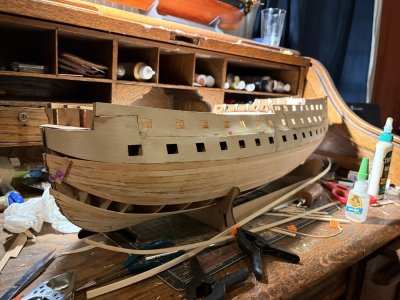
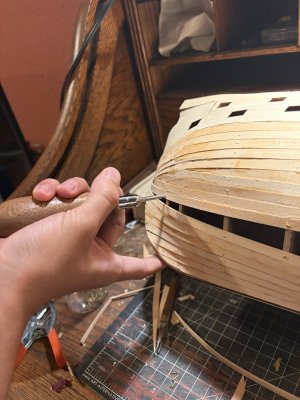
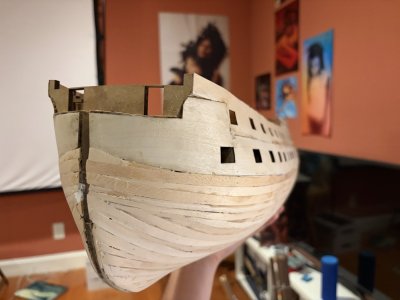
The supplied 1.5mm Limewood bends like a charm. The first planking does not need to be very beautiful, just smooth, so I proceeded quickly, bending each plank with an iron before nailing it in place with lots of wood glue. The curve at the bow is quite extreme under the gunport patterns, so I let the plank curve a bit more naturally and filled in the bow with stealers. As recommended, I did not plank the stern to the sternpost, as it would be too thick once the sternpost is installed, instead stopping near the end of each bulkhead. The iron and the rounded edge of my apartment's kitchen counter proved more than sufficient to steam the wood. I am grateful to my roommates for tolerating the small halo of splinters, brass pins, and wood scrap that have crept out from the work bench.
IMG_8264.jpeg
IMG_8280.jpegIMG_8282.jpeg
The stern counter proved entirely resistant to my efforts to make it bend. The wretched grain runs along the direction the piece needs to curve, and even soaking for hours in hot water made it impossible to iron the 2mm thick walnut around a curve. In the end, I scored several lines across the back of the piece which then splintered and crunched into a curve, and glued them in place after trimming the bottom to match the first planking. It fit snugly, but the poor piece had been so badly tortured I painted some glue onto it to stop it cracking further. In hindsight it probably would have been easier to just plank it myself and cut the rudder hole out, but that lesson is for future me.

IMG_8328.jpeg
IMG_8326.jpeg

The First Planking took about two weeks, and then it was on to a lot of sanding and wood filler. At this point I will glue the stem, sternpost, and keel pieces before doing the second planking.

After first planking, Elephant weighs 2.2kg.
 
The First Planking took about two weeks, and then it was on to a lot of sanding and wood filler.
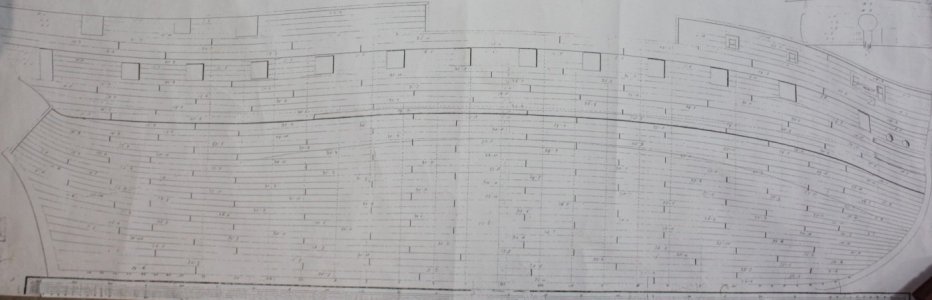
If you look at the various posts here at SoS with videos on how planking is actually done there would be no fillers nor much sanding needed. For the first layer, I get it as no one will ever see it, but for the second layer are you going to do the same or will you be marking out the hull and shaping the planks?
Allan
 
Back
Top