
-

SUBSCRIBE TO SHIPS IN SCALE TODAY!
The beloved Ships in Scale Magazine is back and charting a new course for 2026!
Discover new skills, new techniques, and new inspirations in every issue.
NOTE THAT OUR NEXT ISSUE WILL BE July/August 2026 -

Win a Free Custom Engraved Brass Coin!!!
As a way to introduce our brass coins to the community, we will raffle off a free coin during the month of August. Follow link ABOVE for instructions for entering.


You are using an out of date browser. It may not display this or other websites correctly.
You should upgrade or use an alternative browser.
You should upgrade or use an alternative browser.
Le Saint Philippe 1693 after Jean-Claude Lemineur (Ancre) in scale 1:48
- Thread starter dockattner
- Start date
- Watchers 101
-
- Tags
- 1:48 ancre saint philippe


Beautiful brackets!

Exenplary brackets, very fine detailed.

I wanted to use cup burs (I have a nice set of twin-cut cup burs from Busch) - but they just burned the wood or got clogged up. Perhaps they are really just useful for metals?Extraordinary! Did you use a cup burs to make the dots?
Freehand. I made a series of pearwood rods using a drawplate (1.5 mm down to 0.8 mm) and sanded a crown on the end and cut it off with a scalpel... Tedious, but it worked.Impressive!
I do know that it is very hard to get them all the same and going from small to big, or the other way around. freehand or Proxxon?
Greetings, Mirek!Witaj
Pięknie Pawle. Pozdrawiam Mirek
Thank you, Shota.my dear friend Paul
you have done wonderful work on this tiny leaf decorations, it came out very accurate representation and beautiful
Thanks, Peter. They are a bit fussy - but perhaps fitting on a fussy French ship.'It's all in the Details!' And you made them, Paul. With a capital 'D'!
Regards, Peter
Much appreciated, Dirk!Looks quite ok ..... lol ... no it's perfect
Thanks for the encouragement, Roger.Wonderful work Paul.
Thanks, Daniel. I'm pretty satisfied with them.Beautiful brackets!
Hello Herman! Nice to hear from you. I'm so glad Maia is doing better than anyone expected!Exenplary brackets, very fine detailed.
Thank you, my friend. I used some creative license but all-in-all I'm happy.Good work Paul, amazing details

- Joined
- Aug 8, 2019
- Messages
- 5,872
- Points
- 738

Did you use these?I wanted to use cup burs (I have a nice set of twin-cut cup burs from Busch) - but they just burned the wood or got clogged up. Perhaps they are really just useful for metals?
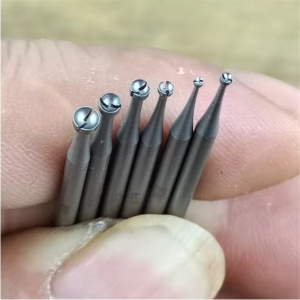
I use them and have no problem with burning. I also sometimes use beewax on the burr. You have to be carefull and do it slow and step by step with boxwood. The difficulty by hand is to hit the same spot again.
Last edited:

- Joined
- Jan 21, 2022
- Messages
- 1,029
- Points
- 443

Oh I didn't even notice. By the way, why are you selling your proxxon, did you get hands on something better?Thank you, my friend. I used some creative license but all-in-all I'm happy.
Yes. These look like the burs I was using. I did eventually turn down the speed and that mostly solved the burning problem. But the spillway for the cuttings was getting clogged after only a few seconds which made it frustrating. The dots are pearwood so maybe that was part of the problem as well - much softer than boxwood.Did you use these?
View attachment 637768
I use them and have no problem with burning. I also sometimes use beewax on the burr. You have to be carefull and do it slow and step by step with boxwood. The difficulty by hand is to hit the same spot again.
I was offered a used TAIG mini-mill and jumped on it. I liked the Proxxon - but never fully resolved the 'slop' in the turning wheels which frustrated me when trying to mill accurately. The TAIG is a nice upgrade in this regard.Oh I didn't even notice. By the way, why are you selling your proxxon, did you get hands on something better?
- Joined
- Aug 8, 2019
- Messages
- 5,872
- Points
- 738
Yup, same problem as cherrywood. Cherry burns also very quick. Maybe the sweetness in the wood is the cause. I got the same too with the apple that I use for my new project. When the wood gets to hot it colours very quickly. But you found a solution that works very good. The result is perfect.Pearwood

Wonderful work, Paul!

Nothing beats the freshness and smell of the ocean, the salt inch on the skin after swimming and the sun gently tanning and reinforcing the body with vitamin D. Ahhh! life is so wonderful. - nice pics Paul.Greetings friends. We just had the squall to end all squalls. We were sitting out after a day of exploring Acadia and it was sunny but breezy. Suddenly 50 - 60 mile per hour winds and sheets of rain that I thought would blow our cottage off its foundation. And now this (only 10 minutes later):
View attachment 632323
View attachment 632322
This is not a stream. The tide is coming in and the ocean side is about a foot higher than the tidal pool in front of our cottage:
View attachment 632324
Pretty cool if you grew up and live in the midwest like I do!

It is really good to see you are alive and kicking Paul- I thought you got an abducted by the Wadsworth  s
s  . It is really good to hear from you again even if it just to show off a few dots on a bracket
  . Perfect dots they may be. Cheers Grant
s . It is really good to hear from you again even if it just to show off a few dots on a bracket . Perfect dots they may be. Cheers Grant
Hi Paul,
Looks great and btw what is cheating? It is all about the result, and the proof is there.
Looks great and btw what is cheating? It is all about the result, and the proof is there.
Thanks much, Kurt!Wonderful work, Paul!
Yup. We had a wonderful time. The rugged coastline was breathtaking - and we did our part to keep the lobster economy alive.Nothing beats the freshness and smell of the ocean, the salt inch on the skin after swimming and the sun gently tanning and reinforcing the body with vitamin D. Ahhh! life is so wonderful. - nice pics Paul.
Only a few dots - and now even less has been accomplished in the days since (and the prospects are not good going forward). Too many balls in the air right now and I'm juggling as fast as I can...It is really good to see you are alive and kicking Paul- I thought you got an abducted by the Wadsworth
Thanks, Maarten. Of course you're right - whatever means necessary in order to accomplish the goal...Hi Paul,
Looks great and btw what is cheating? It is all about the result, and the proof is there.