


- Joined
- Jun 29, 2024
- Messages
- 2,173
- Points
- 488

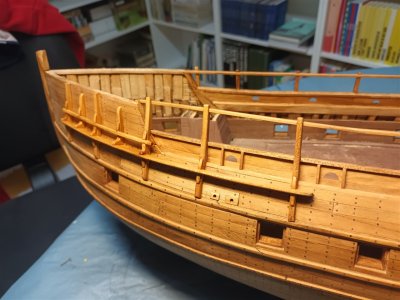
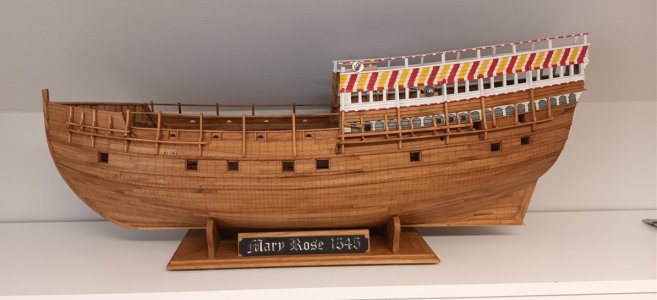
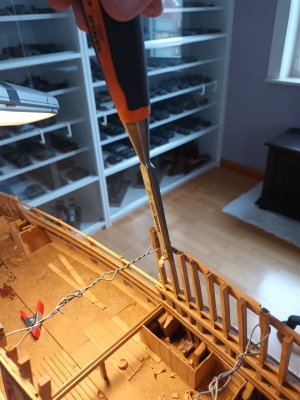
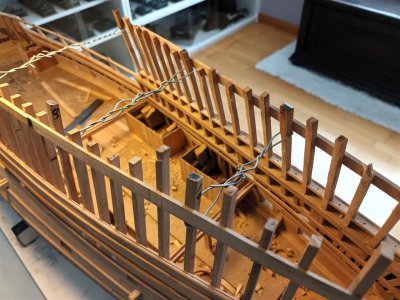
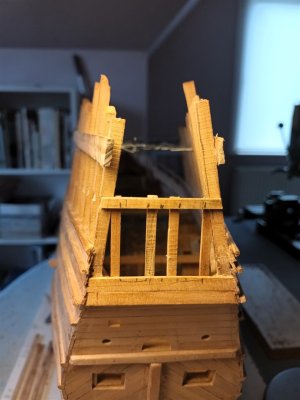
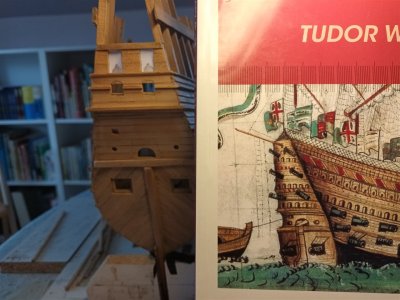
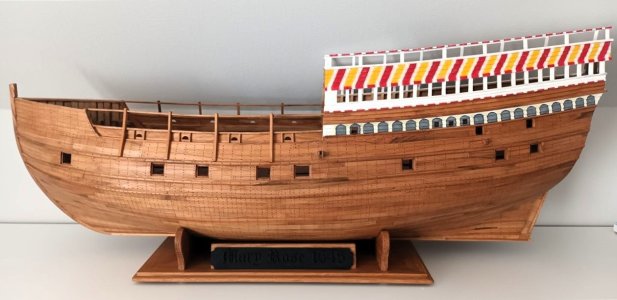
Sharp Bow: it’s interesting that paintings of these old ships, often those made in the Nineteenth Century, and older ship model kits represent these Sixteenth Century warships with bluff bows and very full hull forms. Maritime archeology studies of actual vessels shows fine lined sharp bow hull forms. Examples include Mary Rose, the Newport ship and the Red Bay Galleon. Two out of three of these examples are of Basque construction. This puts the Spanish Armada stereotype of lumbering tubs to doubt. Actually what appears is a “boat like” lower hull form with massive upper works added on.
Examination of her hull form also sheds light on her catastrophic loss. Initial stability is an exponential function of the area of the vessel’s water plane. (The area enclosed by the waterline at which she floats). Vessels with poor initial stability heel easily until the change in water plane area stops it. They, therefore, do not necessarily capsize. Mary Rose, however, was apparently sailing with open gunports, and when she heeled to the point where she exposed one of these then loss of buoyancy and the effect of water sloshing back and forth in her lower hull caused her to capsize and sink.
It would seem that the blame lies with dockyard officials who decided to add gunports low in the hull that were necessary for large bore guns to a hull not originally intended to carry them. In their defense the concept of initial stability would not be known for another two hundred years.
Roger
Examination of her hull form also sheds light on her catastrophic loss. Initial stability is an exponential function of the area of the vessel’s water plane. (The area enclosed by the waterline at which she floats). Vessels with poor initial stability heel easily until the change in water plane area stops it. They, therefore, do not necessarily capsize. Mary Rose, however, was apparently sailing with open gunports, and when she heeled to the point where she exposed one of these then loss of buoyancy and the effect of water sloshing back and forth in her lower hull caused her to capsize and sink.
It would seem that the blame lies with dockyard officials who decided to add gunports low in the hull that were necessary for large bore guns to a hull not originally intended to carry them. In their defense the concept of initial stability would not be known for another two hundred years.
Roger



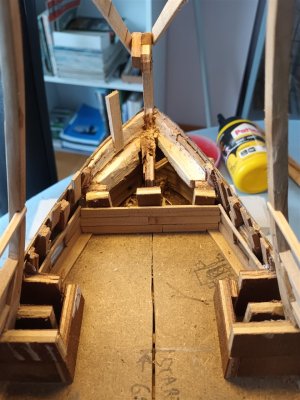
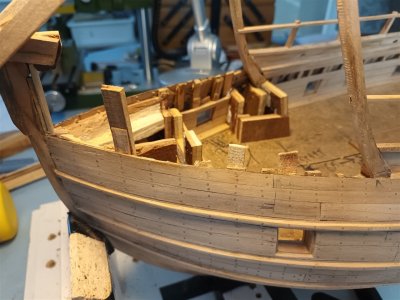
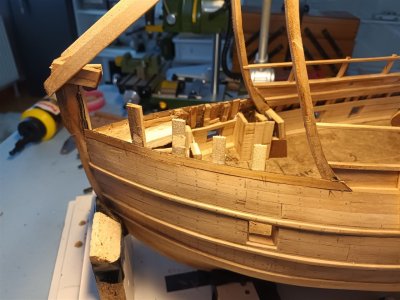
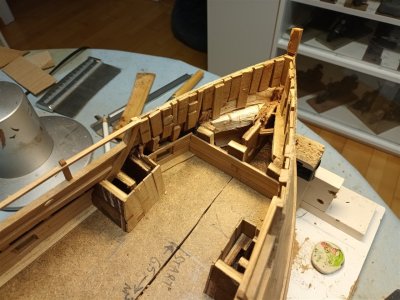
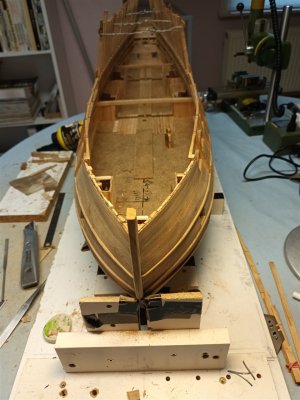
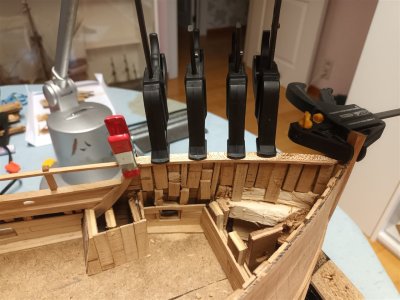
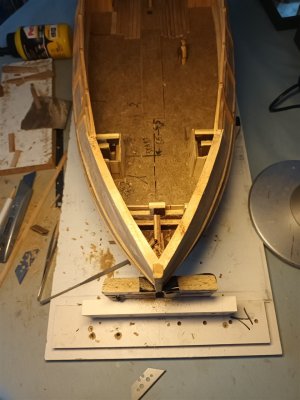
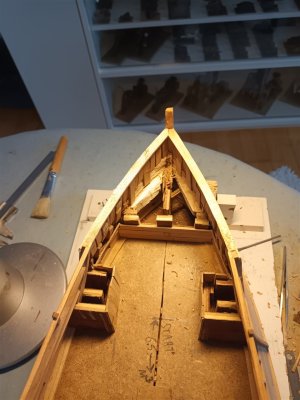
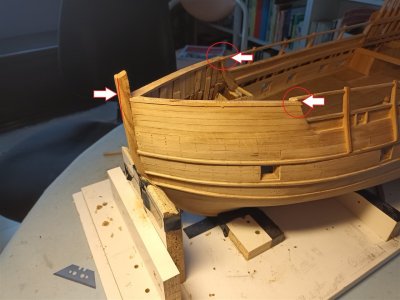
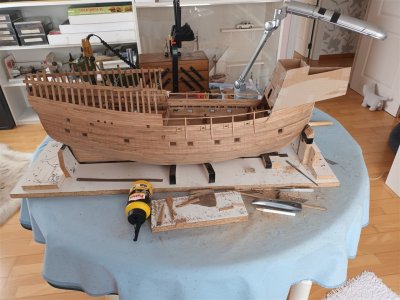
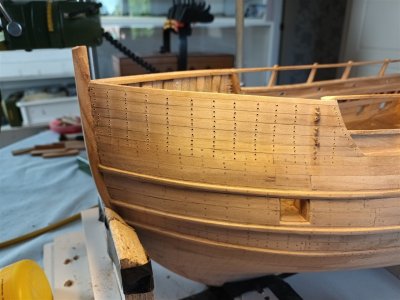
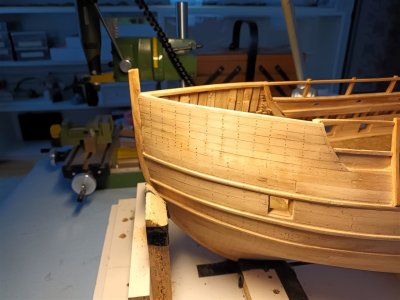
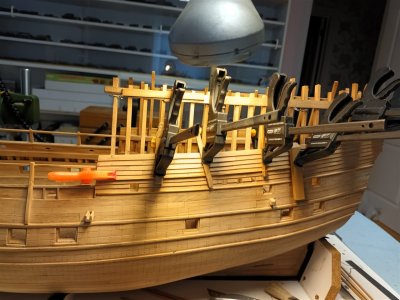
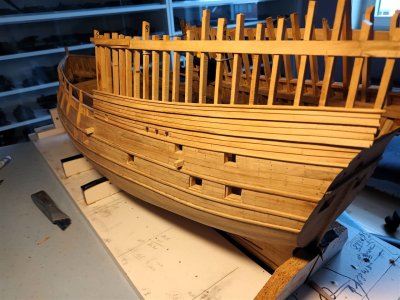
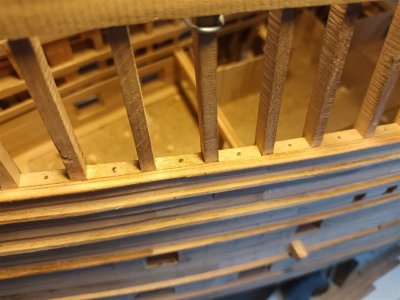
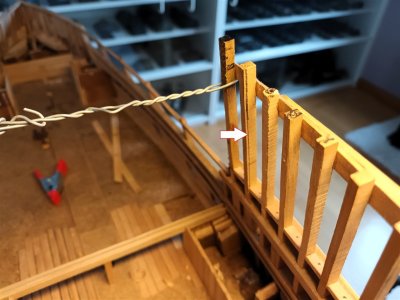
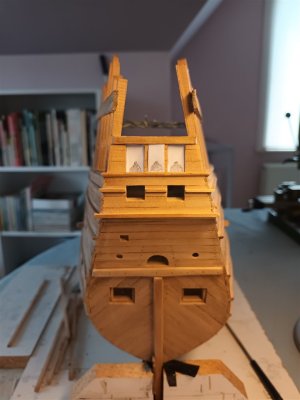
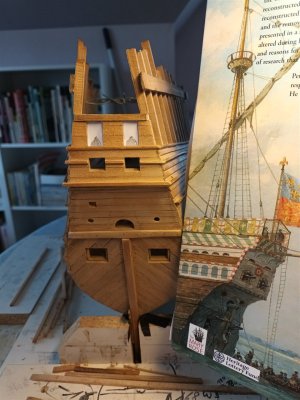
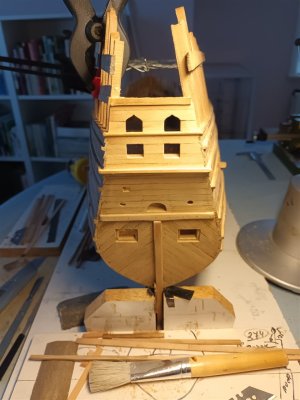
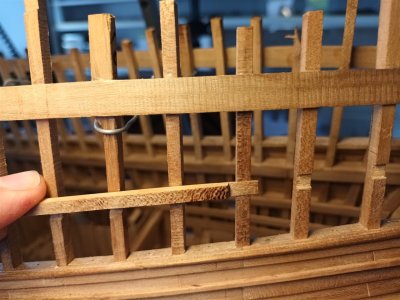
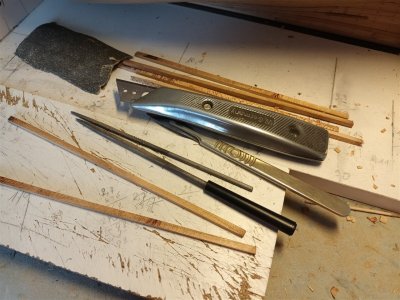
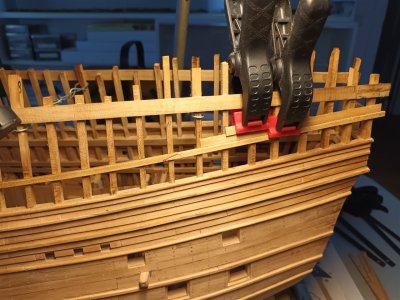
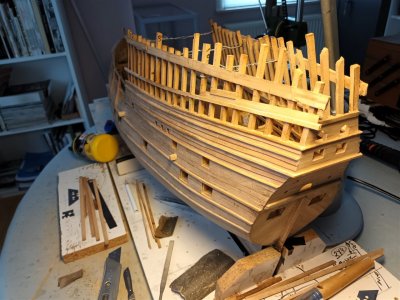
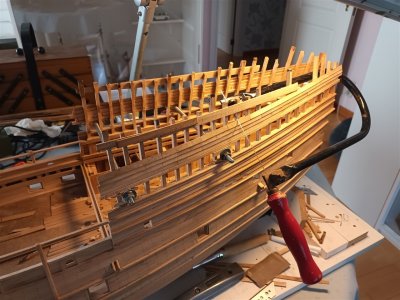
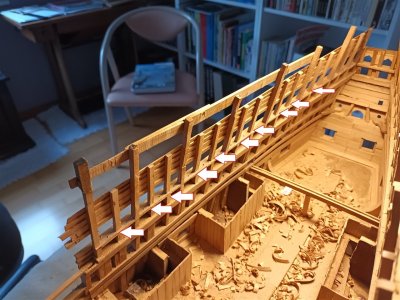
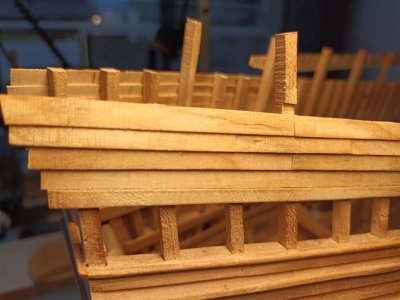
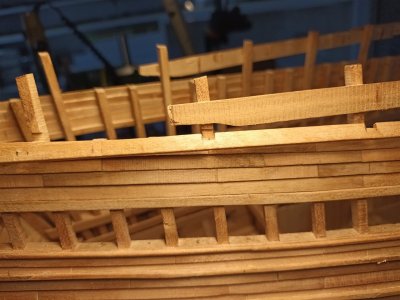
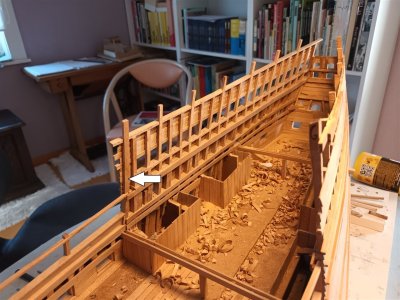
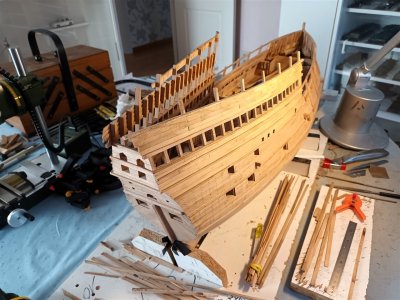
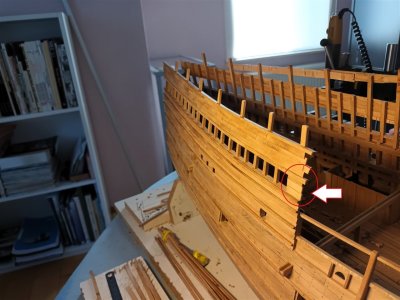
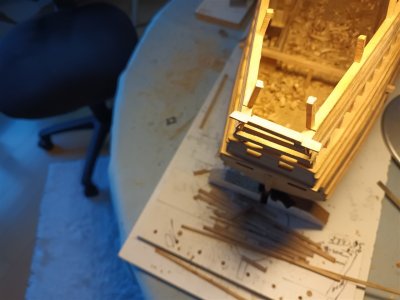
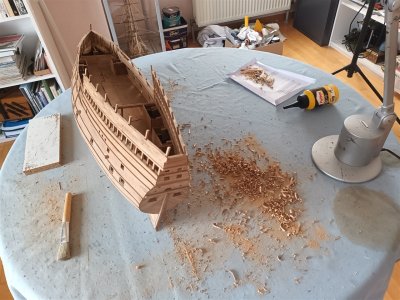
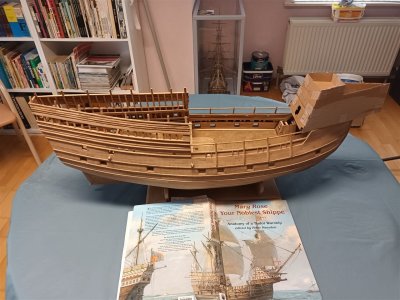
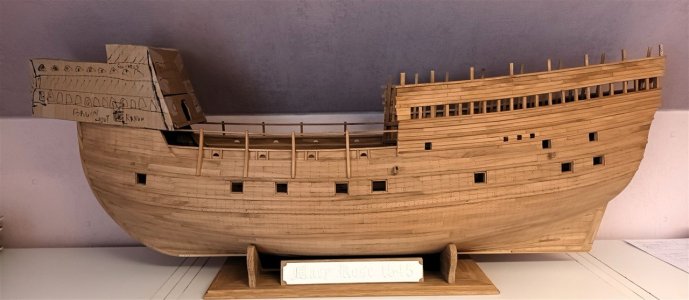
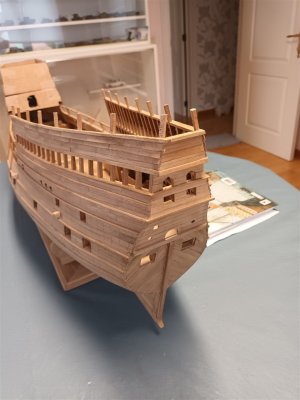
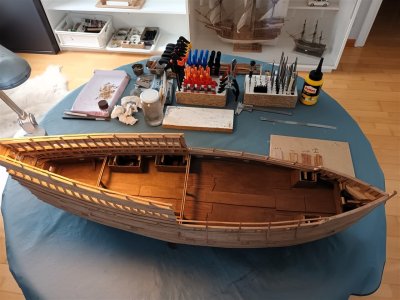
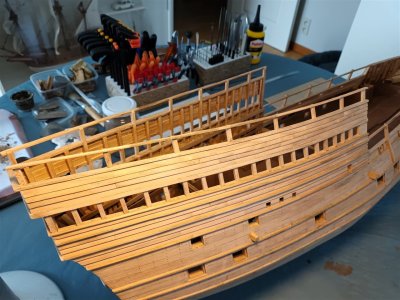
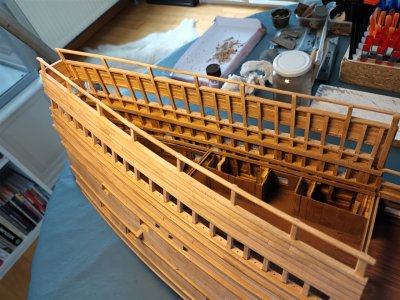
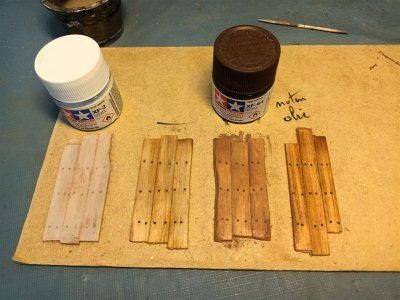
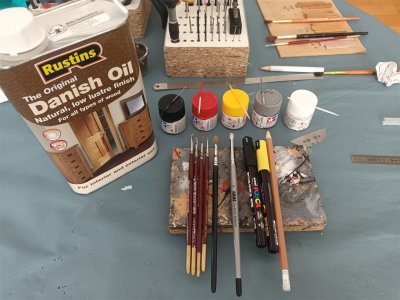
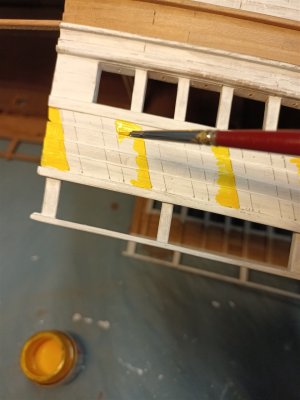
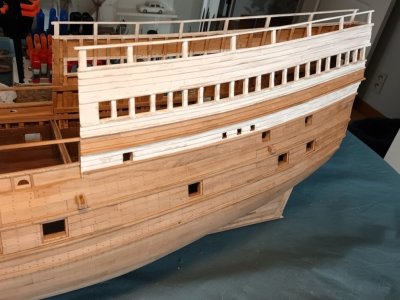
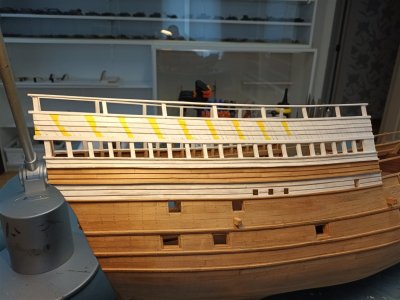
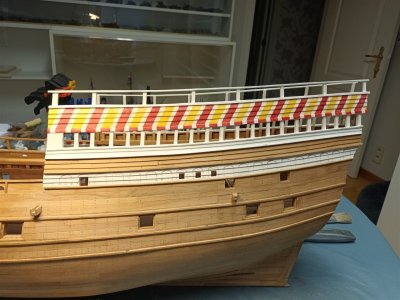
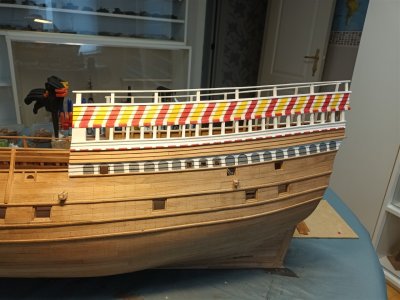
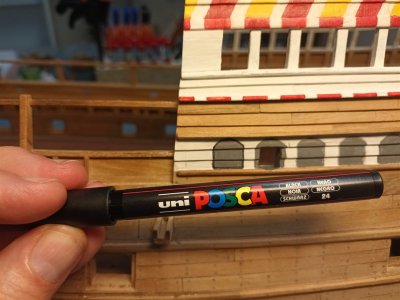
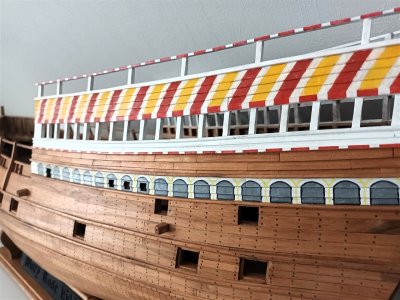
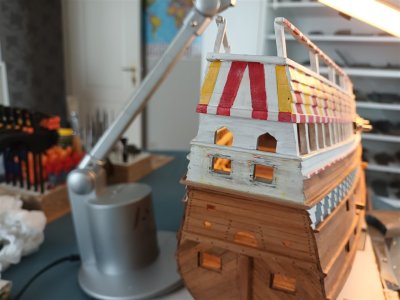
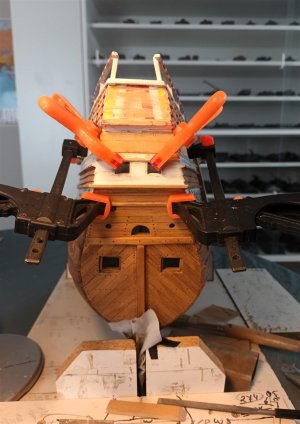
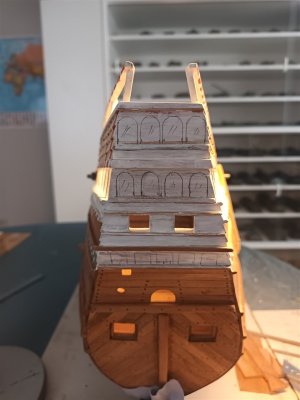
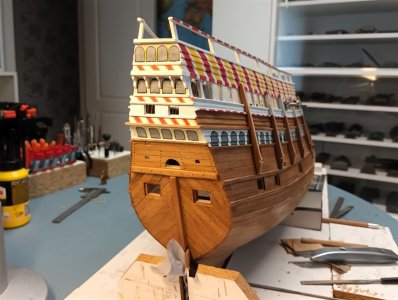


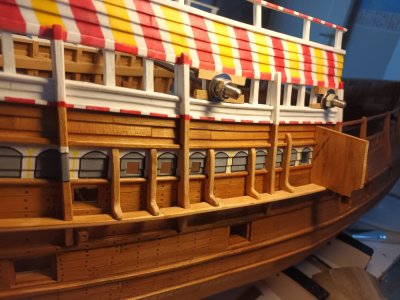
 Painter's mistake, says the carpenter....