

• Ships of Scale has incorportated an extra level of security when you log In. Please follow on-screen prompts to acknowledge that you are not a robot via a "Check Box" or a "Pictorial Check Box Puzzle". This is needed due to higher level of AI Activity Security.
  • SUBSCRIBE TO SHIPS IN SCALE TODAY!

    The beloved Ships in Scale Magazine is back and charting a new course for 2026!
    Discover new skills, new techniques, and new inspirations in every issue.

    NOTE THAT OUR NEXT ISSUE WILL BE July/August 2026
  • Win a Free Custom Engraved Brass Coin!!!
    As a way to introduce our brass coins to the community, we will raffle off a free coin during the month of August. Follow link ABOVE for instructions for entering.

Misticque, 1/36 - Build Log by Moreplovac

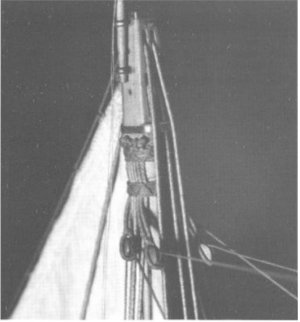
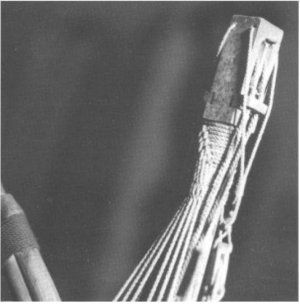
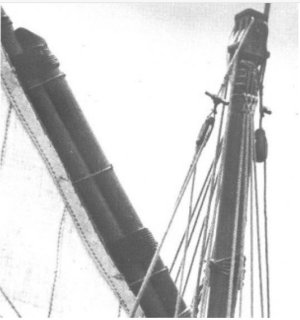
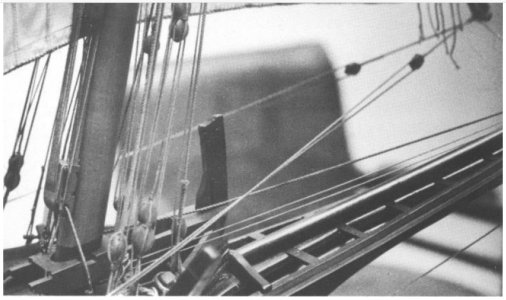
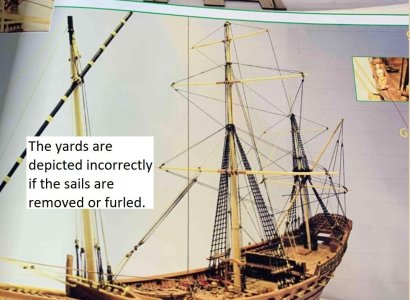
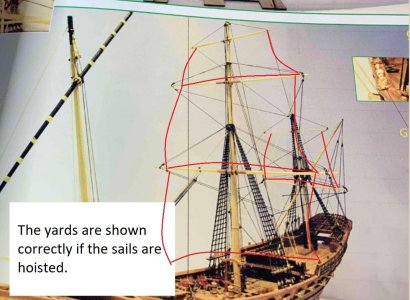
Dear Moreplovac! You will soon be making the masts and yards. Have you decided which option to choose for your model—sails raised or furled? I noticed in the instruction diagram that the Chinese manufacturers show a yard for the "raised sails" configuration, even though there are no actual sails on the yards. This is incorrect.
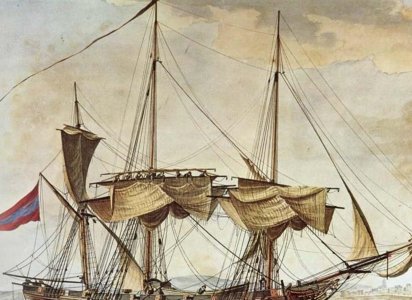
If you decide to hoist the sails, the option shown in the instructions is suitable for you. However, if you decide to display the sails furled, you need to lower all the topsail and topgallant yards.
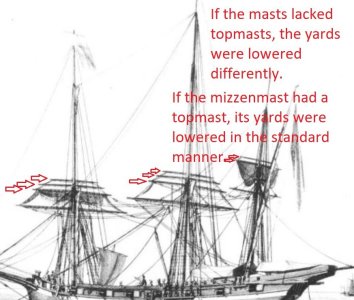
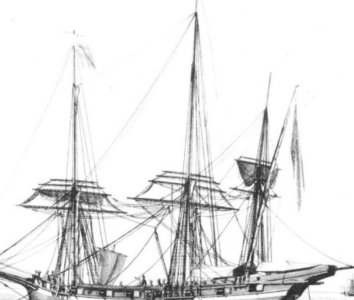
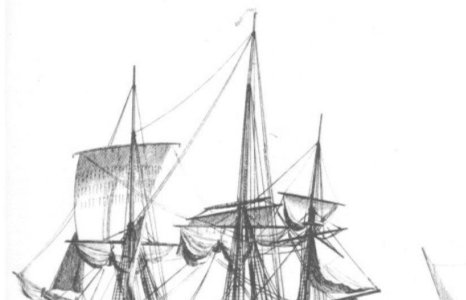
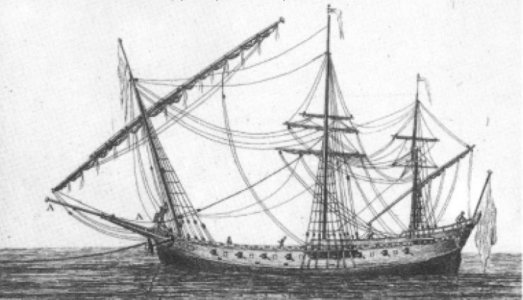
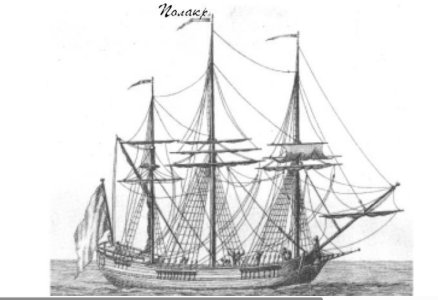
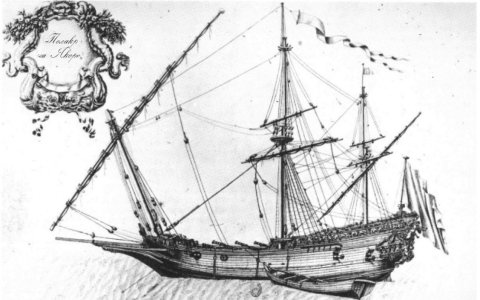
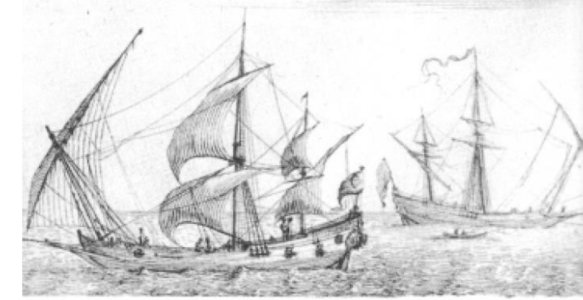
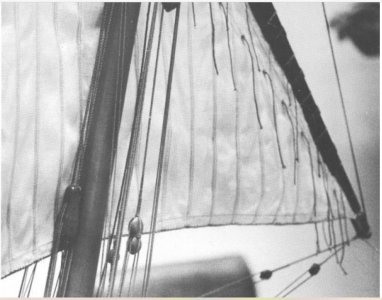
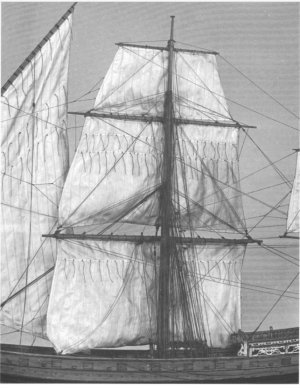
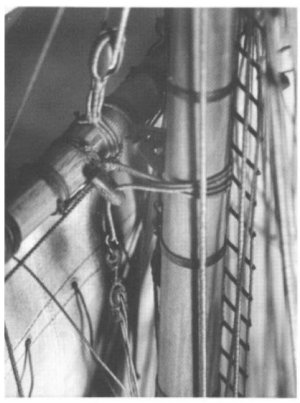
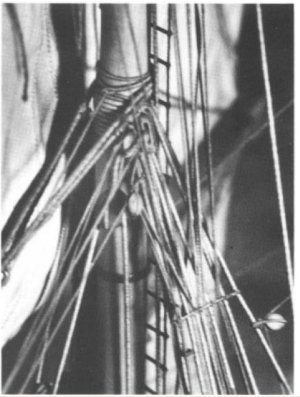
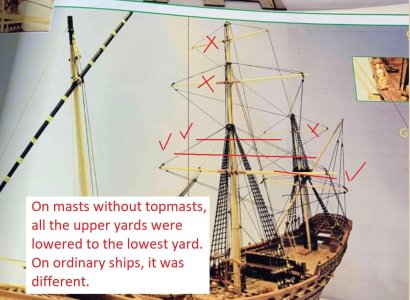
Depicting the yards in a lowered position is not particularly difficult. However, there is a nuance. Since this ship featured special single-pole masts—lacking topmasts—the yards were lowered differently than on conventional ships. You can use images of these specific ships from the albums of Lescallier, Jouvet, or Gouroul.
Безымянный — копия — копия.jpg

Безымянный — копия.jpg

Безымянный.jpg

шебека 2.jpgшебека.jpgшебека 1.jpg

барка лескалье.jpg

полакр лескалье.jpg

полакр 2.jpg

полакр 1.jpg
полакр 7.jpg
 
Last edited:
That is indeed a metaphor for the books, destined to outlive, “like Beckham”or “like a willow in the wind.” Do marshmallows bend better after the stick has been removed?

Anyway, laminating thin strips to get that nice curve built up is definitely the way to go.
 
Last edited:
Dear Moreplovac! You will soon be making the masts and yards. Have you decided which option to choose for your model—sails raised or furled? I noticed in the instruction diagram that the Chinese manufacturers show a yard for the "raised sails" configuration, even though there are no actual sails on the yards. This is incorrect.
If you decide to hoist the sails, the option shown in the instructions is suitable for you. However, if you decide to display the sails furled, you need to lower all the topsail and topgallant yards.
Depicting the yards in a lowered position is not particularly difficult. However, there is a nuance. Since this ship featured special single-pole masts—lacking topmasts—the yards were lowered differently than on conventional ships. You can use images of these specific ships from the albums of Lescallier, Jouvet, or Gouroul.
View attachment 641204

View attachment 641205

View attachment 641206

View attachment 641212View attachment 641213View attachment 641211

View attachment 641207

View attachment 641208

View attachment 641209

View attachment 641210
View attachment 641214
Hi Igor,

Thank you so much for taking the time to share your thoughts and suggestions. I really appreciate your input and willingness to help. This is exactly what makes a forum like this so special — being able to learn from people who are willing to share their knowledge, experience, and passion with others.

I was planning to have furled sails on this model, so I will definitely take your suggestions into account. To be honest, I hadn’t paid enough attention to some of these details, and I would probably have made a few mistakes if you hadn’t pointed me in the right direction.

If you happen to have a link to those beautiful black-and-white reference photos, or perhaps know of another forum where this subject is discussed in more detail, I would be very grateful if you could share it. Having good references makes such a difference, especially when you’re trying to get the details right.

Thanks again, Igor. Your help is truly appreciated!
 
That is indeed a metaphor for the books, destined to outlive, “like Beckham”or “like a willow in the wind.” Do marshmallows bend better after the stick has been removed?

Anyway, laminating thin strips to get that nice curve built up is definitely the way to go.
Marshmallow bending situation - do they bend better with or without the stick? This can be a sort of dialectical question and might require more time to investigate and discuss.. but more to the earth approach is how strong my hands are and how long I can withstand the fire :-)

Yeah, I really like the way how laminated strips ended up being...

Cheers
 
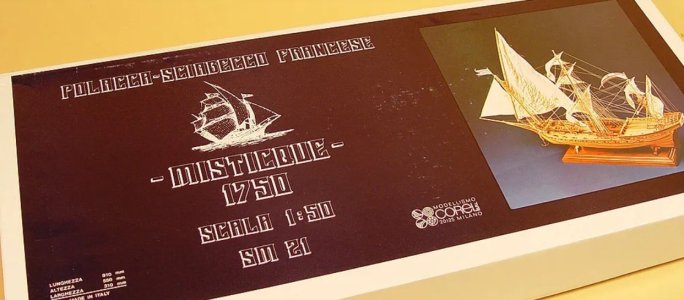
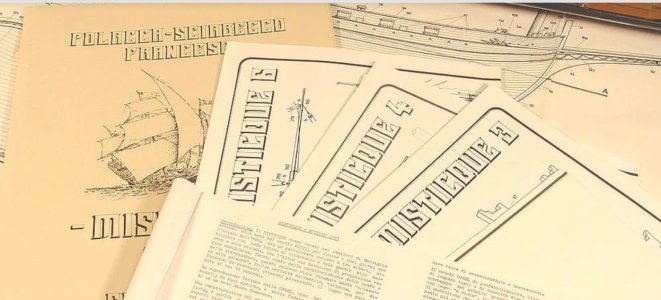
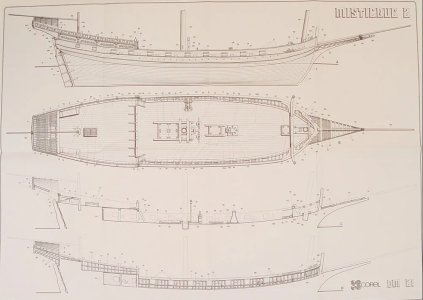
Dear Moreplovac! In case you're interested, here is some information. The Chinese manufacturer did not design this model itself; it is based on the "Mystic" model from the well-known manufacturer Corel. Moreover, the Chinese took such a lazy approach to the development process that they didn't even alter the blueprints; they simply copied them in their entirety, without changing even Corel’s signature, easily recognizable design style.
саж 20.jpgсаж 21.jpgсаж 22.jpg

Corel itself stated that, for its "Mystic" model, it chose a polacre from the Paris Maritime Museum's collection as the prototype.
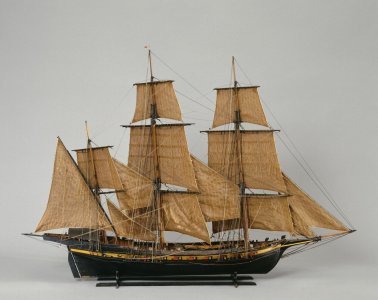
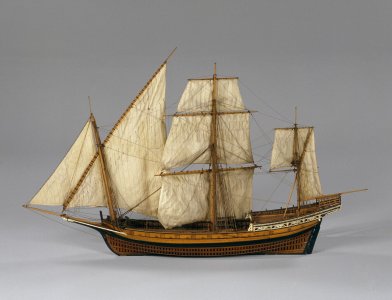
However, archival drawings of the polacre *Mystic* do exist, yet the model from the Paris museum's collection depicts a much later polacre, featuring a square-rigged foremast. Here is the "Mystic" model from the Paris museum's collection:
Chebec MistiqueM5026-1999-DE-0108-2.jpg

And here are the archival drawings of the polacre *Mystic*:

souvenir de Marine vol 02 page 86 jpg (1).jpg

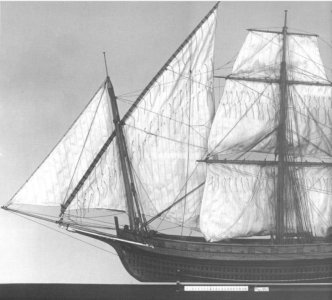
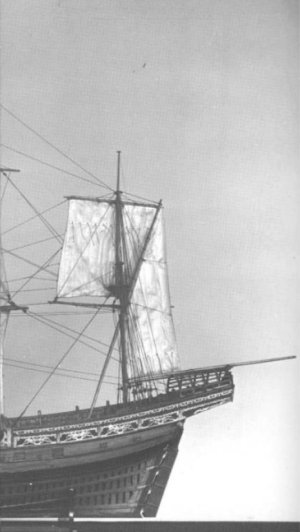
There has been some slight confusion here. The model of the polacre *Le Sage* from the Paris Museum's collection bears the greatest resemblance to the plans.

M5026-2005-DE-130-4.jpg
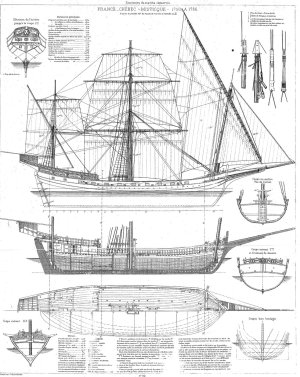
Corel undoubtedly used a genuine antique model from the collection of the Musée de la Marine in Paris—the model of the polacre *Le Sage*—as the basis for developing its own model. This model is displayed alongside the model of the xebec *Le Requin*, and the two bear a striking resemblance.
These two ships are so similar that you can take the Ancre publication on the xebec *Le Requin* and use it as a reference guide.
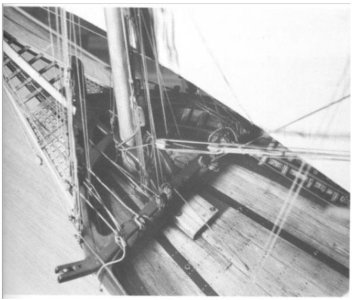
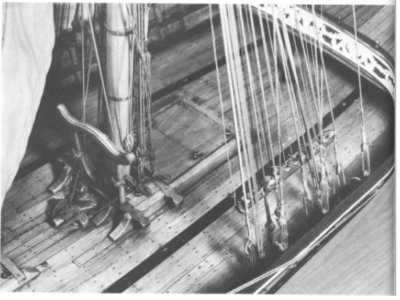
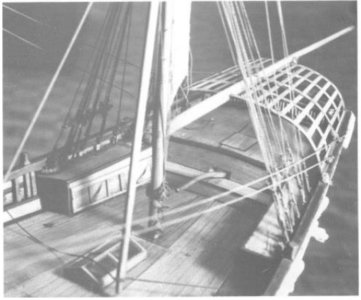
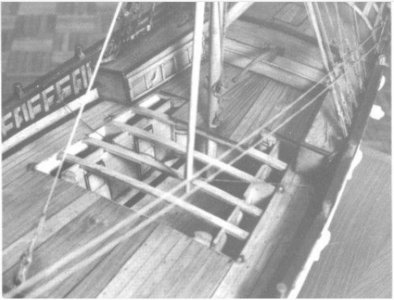
Accordingly, by finding photos of the museum model of the polacre *Le Sage* on the Internet (they are freely available), you can significantly simplify the process of building the model.

саж 1.jpgсаж 2.jpgсаж 3.jpgсаж 4.jpgсаж 5.jpgсаж 6.jpgсаж 7.jpgсаж 8.jpgсаж 9.jpgсаж 10.jpgсаж 11.jpgсаж 12.jpgсаж 13.jpgсаж 14.jpgсаж 15.jpg
 
Hi Igor,
Thank you very much for your valuable input. I really appreciate it!

I had actually started using Ancre's plans to help clarify some of the details, without being fully aware of the historical background.

Looking at the plan for Corel's Mystique, I can now clearly see obvious similarities between that one and the ones supplied with the kit. It seems only the bottom right corner is different!

I also appreciate you pointing me toward the pictures of La Sage. Now that I know what to look for, I'll do some further research. These will definitely become my new reference point as I continue with the build.

Once again, thank you for taking the time to share your knowledge and insights. Much appreciated!

Cheers!
 
Thank you for the kind words! I wish you great enjoyment and a smooth, creative process while working on the model—may your hobby bring you nothing but joy and good spirits!
 
Back
Top