Wow, absolutly fascinating what you are doing.
Jan
Jan

 |
The beloved Ships in Scale Magazine is back and charting a new course for 2026! Discover new skills, new techniques, and new inspirations in every issue. NOTE THAT OUR NEXT ISSUE WILL BE July/August 2026 |
|
 |
As a way to introduce our brass coins to the community, we will raffle off a free coin during the month of August. Follow link ABOVE for instructions for entering. |
|

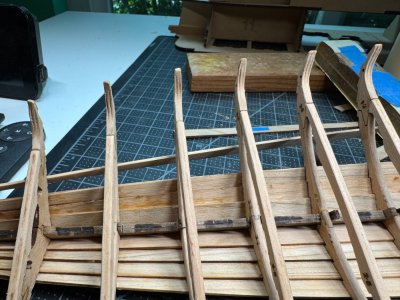
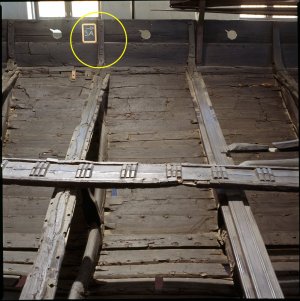
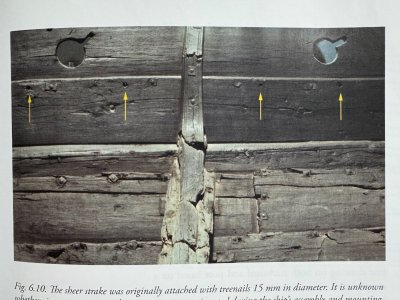
Grant,Good morning John. You got those just right- those little details make a difference. I always love looking at pics of the real thing as us modellers always strive for that perfect finish but the real ships never are. Gives me an excuse for my inconsistency’s. Cheers Grant
Daniel,What a great idea for cutting in the profile on those planks. One that I will be copying too!
Jan,Wow, absolutly fascinating what you are doing.
Jan



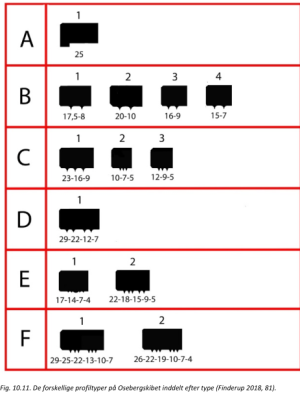
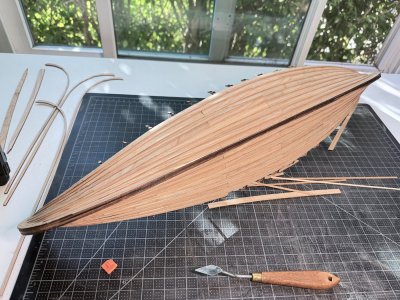
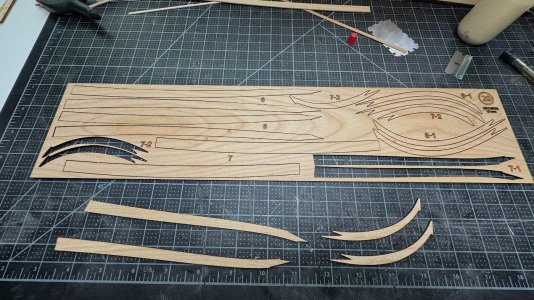
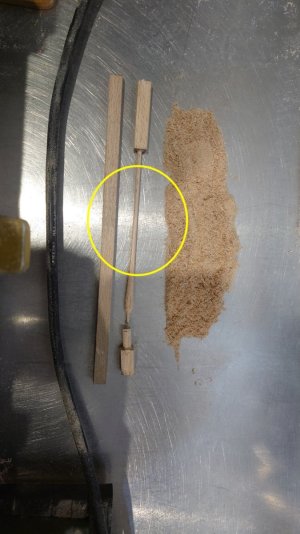
Russ,Very nice job on the edge profile for the strakes. I made my scraper from a used utility knife blade, cutting the profile with a fine Dremel cutoff wheel.
You can see in Dr. Bischoff's dissertation or her book that almost every piece of wood was decorated with some type of edge profile - the rudder, the oars, the deck boards, etc. Many different profiles were used as well. Have fun with it!
View attachment 586403
Am......


Russ,Very nice job on the edge profile for the strakes. I made my scraper from a used utility knife blade, cutting the profile with a fine Dremel cutoff wheel.
You can see in Dr. Bischoff's dissertation or her book that almost every piece of wood was decorated with some type of edge profile - the rudder, the oars, the deck boards, etc. Many different profiles were used as well. Have fun with it!
View attachment 586403
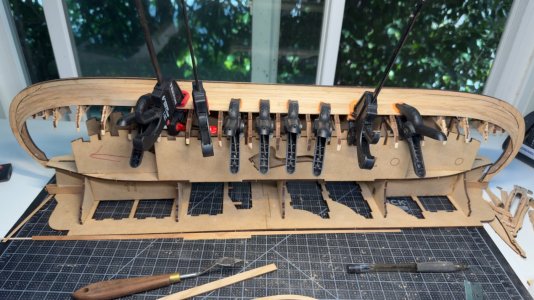
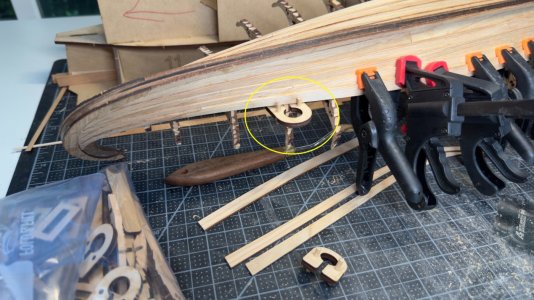
Paul,Looks like you're having fun, John!
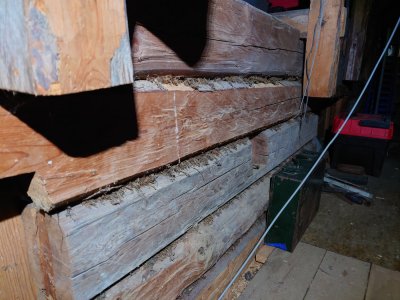
 Viking shipbuilders caulked ship planks by stuffing tar-soaked animal hair, wool, or moss into the seams between overlapping clinker planks. This organic material was packed tightly into gaps, acting as a flexible sealant that allowed the hull to shift with waves while remaining watertight once expanded in water. Also sheep’s wool was saturated in pine tar to create a sticky, waterproof sealant.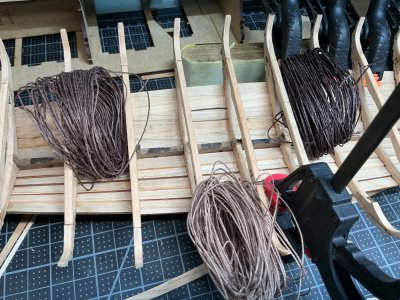
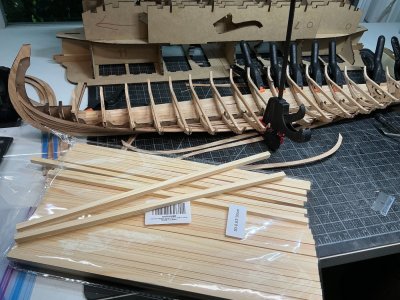
Willbor,John,
Placed in my thread a small "how to" how i made my oars, perhaps this will help you making your own oars..
I can imagine they used moss; it's widely available in these areas. I still see it in my house from a much later period, of course, but they were still using it in the 1850s. I can see it on the walls of my attic.
View attachment 587549

 Your log is really special!!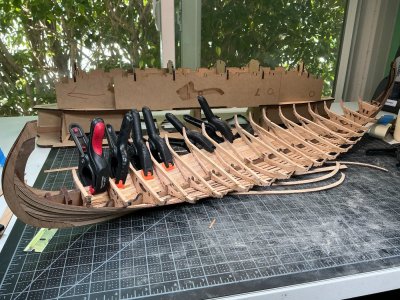
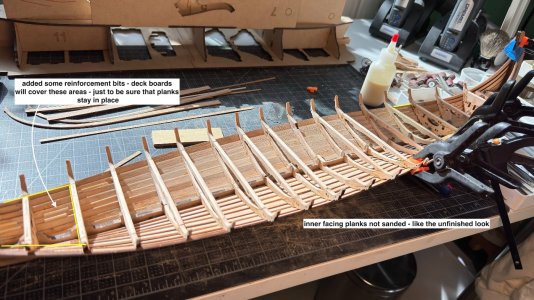
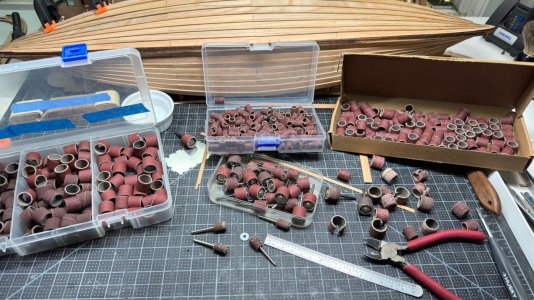
Paul,You hate sanding drums?