Daniel,
Yikes -- a kind of wordy - post not usually my style.
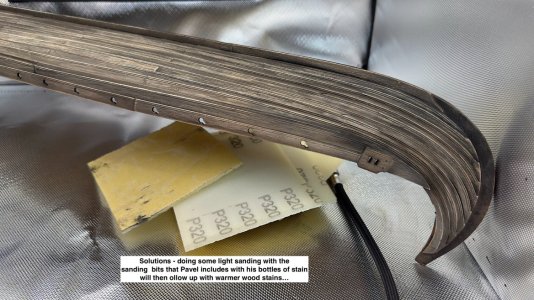
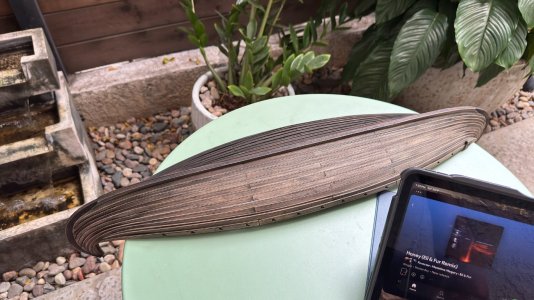
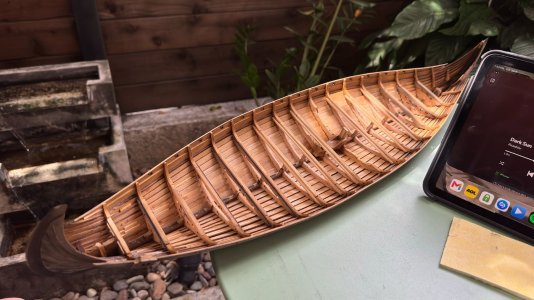
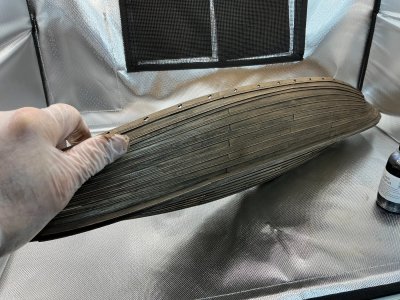
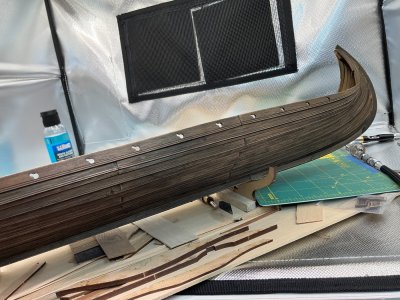
Thanks - yes, it does look as if it came out ok but, I’d become sort of - after seeing Pavel’s, and other images - set on also a darker brown warmer looking outer hull.
Copied and pasted;
To further protect the hull and add another layer of waterproofing, the Vikings coated their ships in heated pine tar. This sticky resin not only repelled seawater but also protected the wood from rot and shipworms
Heated (or kiln-burned) pine tar is very dark, naturally ranging from a rich,
dark golden-brown to deep black. The dark color comes from the ultra-fine carbon particulates produced during the high-heat burning or cooking of the pine stumps --
SO will also dust some dark brown to blend with the Parina
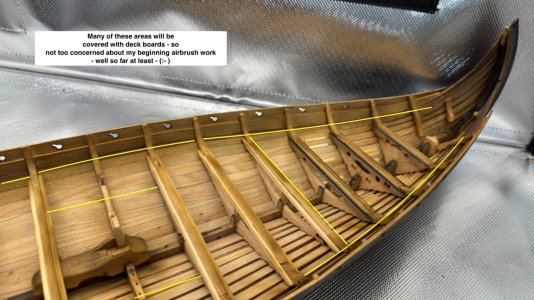
I will do a bit more work on inner planks as well, but there will definitely a much lighter tint to the inner planking. I also intend on adding what they did to seal the planks from water.
Copied and pasted;
Vikings made their ships watertight by using a method of overlapping planks (called
clinker or
lapstrake construction) combined with natural caulking. They stuffed fibrous materials like animal hair, wool, or moss mixed with tar into the seams to block water. When the ship entered the water, the wood and fibers swelled, creating a watertight seal
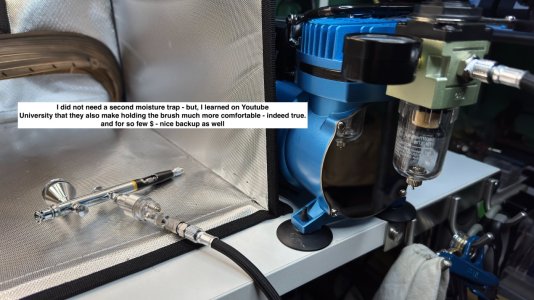
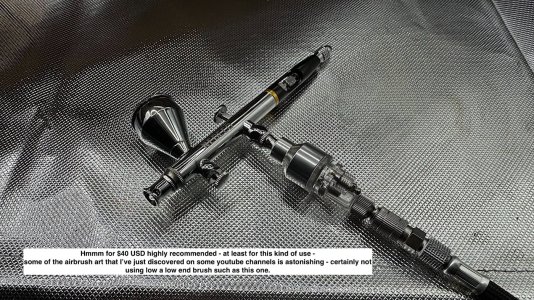
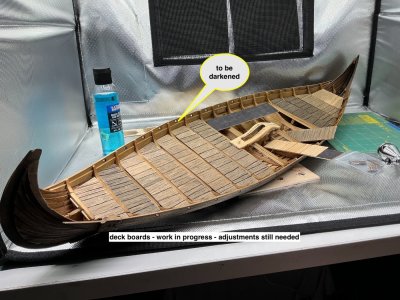
For areas where deck boards are moved away - I have a couple of ideas on how to “make that look”. Hmmm, I also hope that the airbrush might help as well TBD
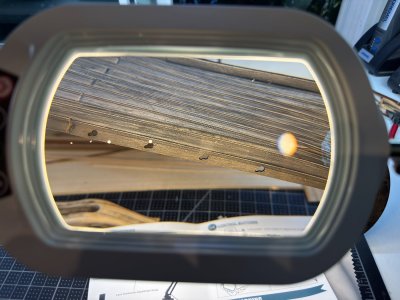
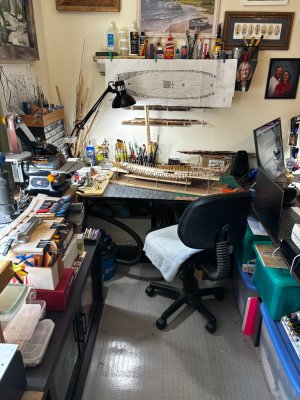
Thank for your kind post. Some of yesterday's updated images;
View attachment 616942View attachment 616943View attachment 616944View attachment 616945View attachment 616946View attachment 616947












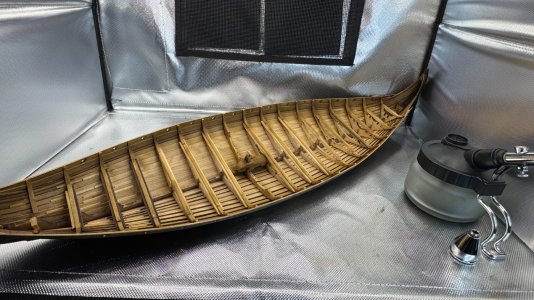
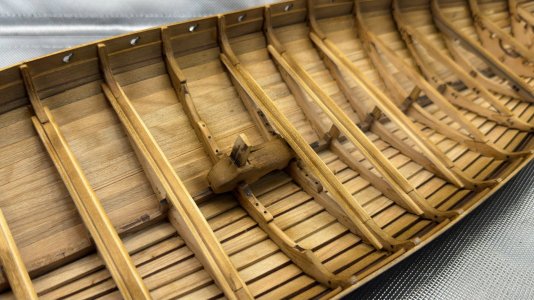
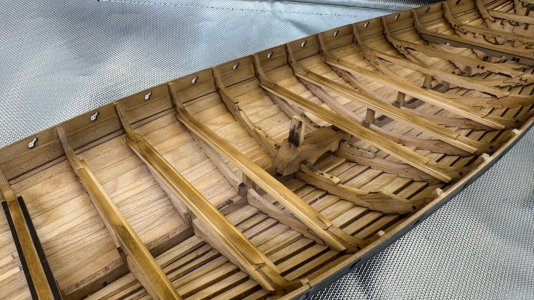
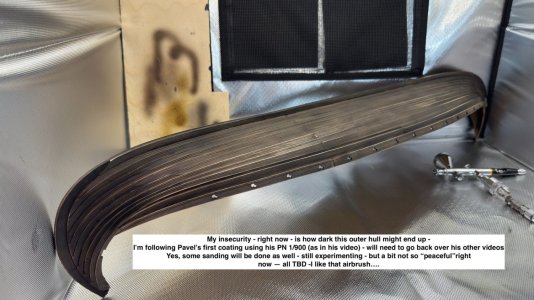
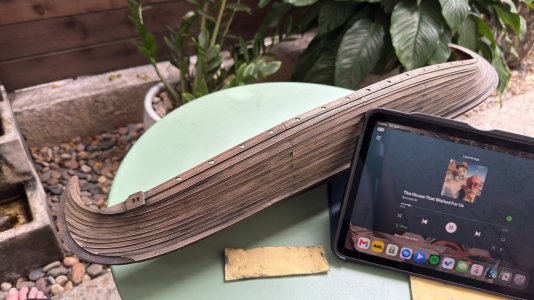
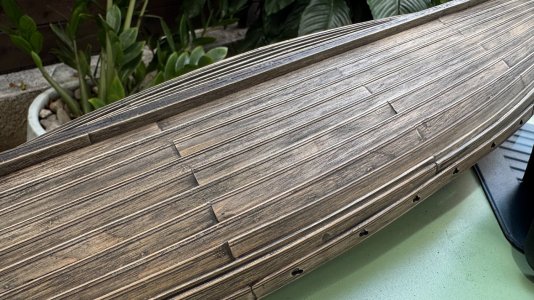
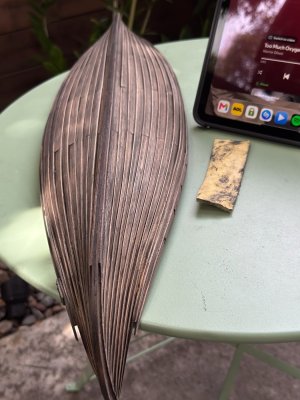
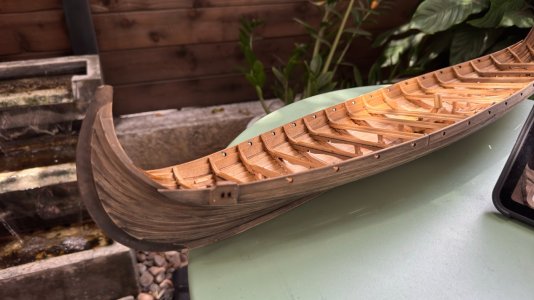



 But thanks!

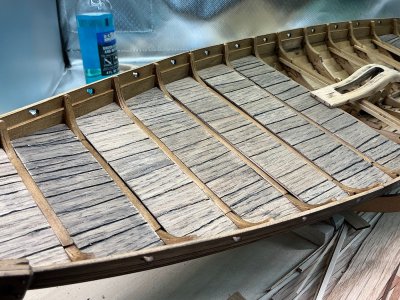
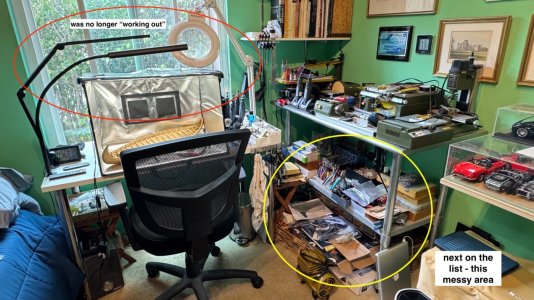
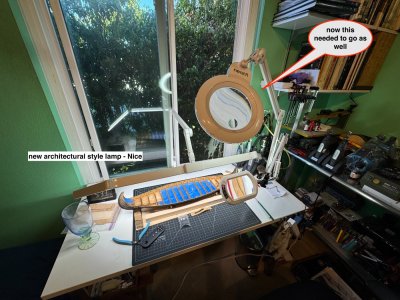
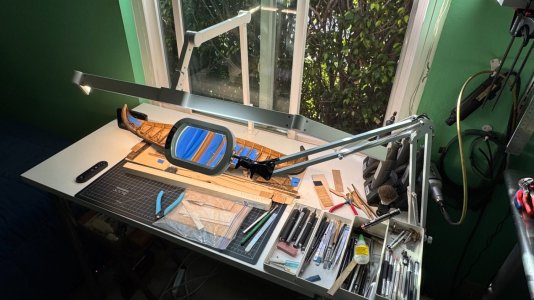
 .
.