



Brilliant!

 |
The beloved Ships in Scale Magazine is back and charting a new course for 2026! Discover new skills, new techniques, and new inspirations in every issue. NOTE THAT OUR NEXT ISSUE WILL BE July/August 2026 |
|
 |
As a way to introduce our brass coins to the community, we will raffle off a free coin during the month of August. Follow link ABOVE for instructions for entering. |
|

I could not have said this betterThis has become, not just a well-done model, but a wonderful work of art!!


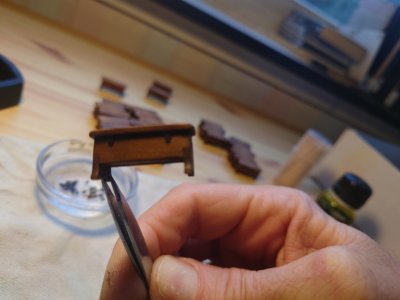
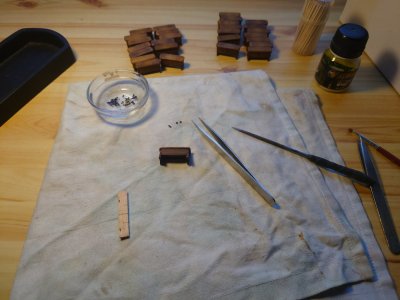
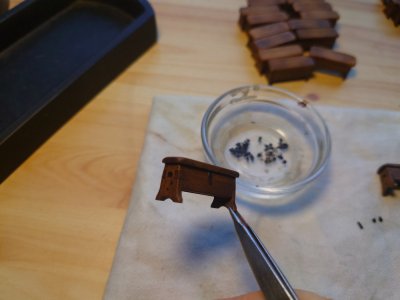
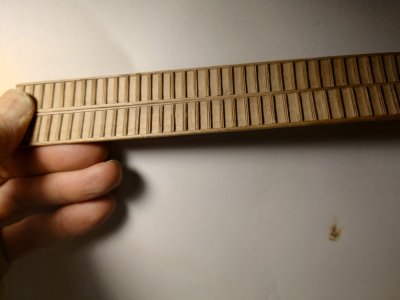
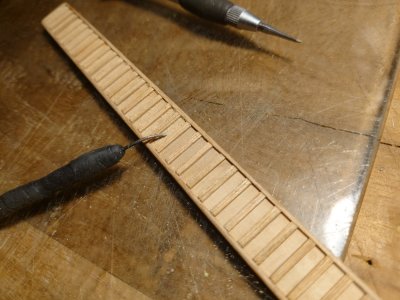

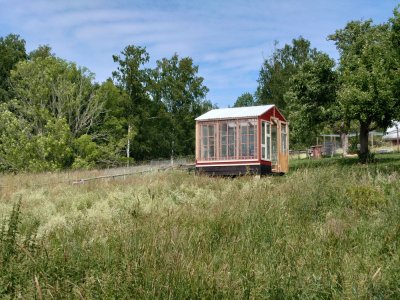
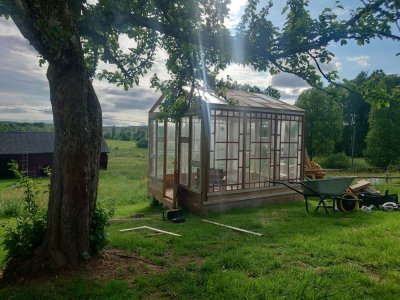
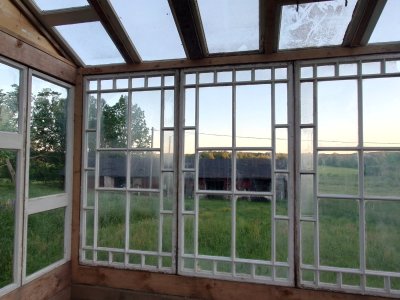
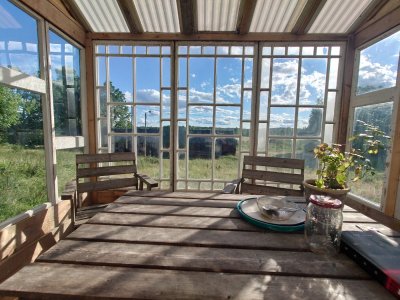

What a fine build. My wife's relatives are from Askebo.It's been a while since I worked on my model, simply because I have many other projects going on, especially now that the days are nice and long and the weather is good. One of my 1:1 projects was building a so-called garden room where I can work on my model. For instance, I still had the original windows and frames of the house standing in the barn, which are more than 150 years old and have been sitting under the hay in an attic since 1970, plus a quantity of wood that is also over a hundred years old. After the necessary hard work, I built my garden room. Miraculously, there were exactly enough windows and wood to build the whole thing, as if it had been waiting for 56 years...
What I find really special about all of this is that the original cylinder glass has a unique effect. It’s quite amazing that the original residents looked through this exact same glass at the barn, which is still exactly the same as it was back then. A bit of a time bubble feeling
Below are a few photos
View attachment 617130View attachment 617131View attachment 617132View attachment 617133