• Ships of Scale has incorportated an extra level of security when you log In. Please follow on-screen prompts to acknowledge that you are not a robot via a "Check Box" or a "Pictorial Check Box Puzzle". This is needed due to higher level of AI Activity Security.
  • SUBSCRIBE TO SHIPS IN SCALE TODAY!

    The beloved Ships in Scale Magazine is back and charting a new course for 2026!
    Discover new skills, new techniques, and new inspirations in every issue.

    NOTE THAT OUR NEXT ISSUE WILL BE July/August 2026
  • Win a Free Custom Engraved Brass Coin!!!
    As a way to introduce our brass coins to the community, we will raffle off a free coin during the month of August. Follow link ABOVE for instructions for entering.

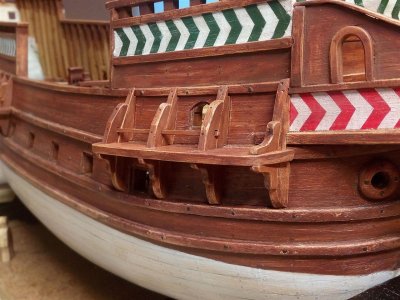
Pelican scale 1/45 a small English galleon 16th century

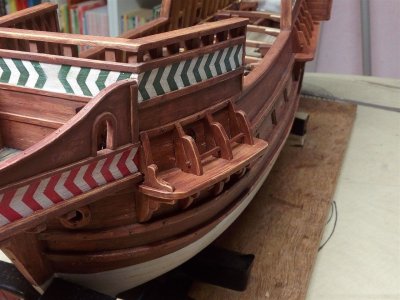
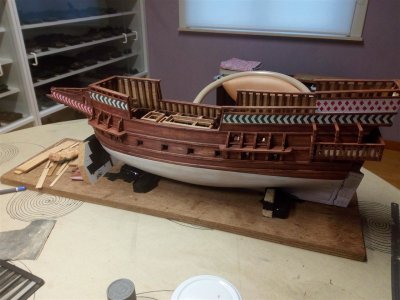
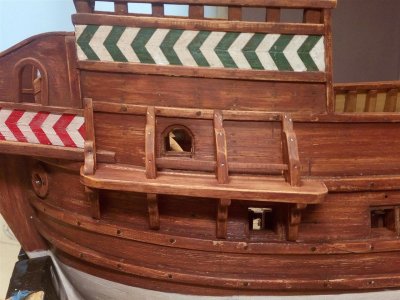
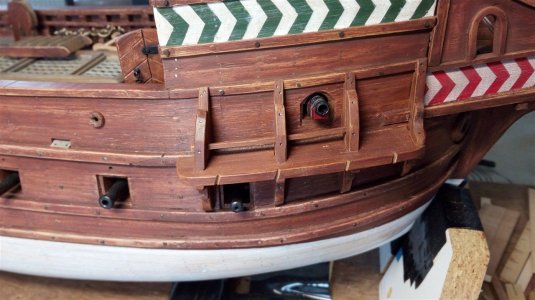
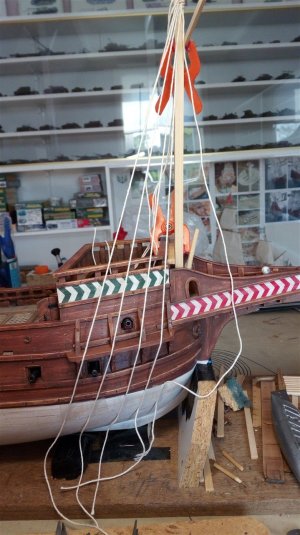
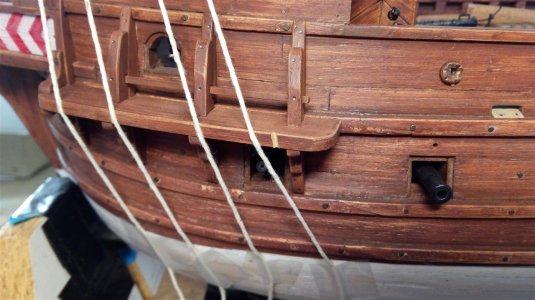
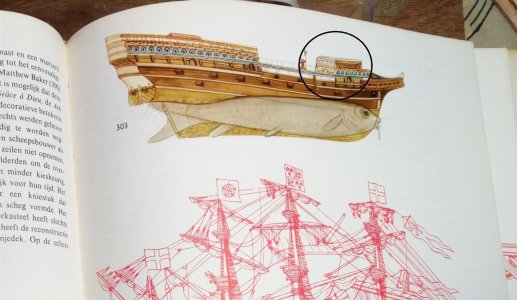
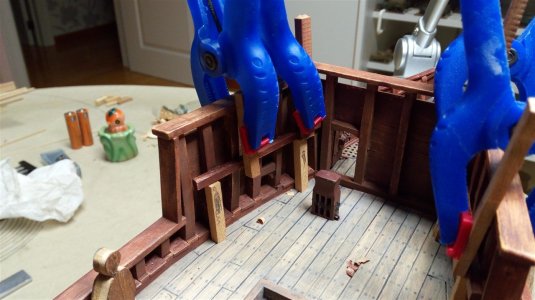
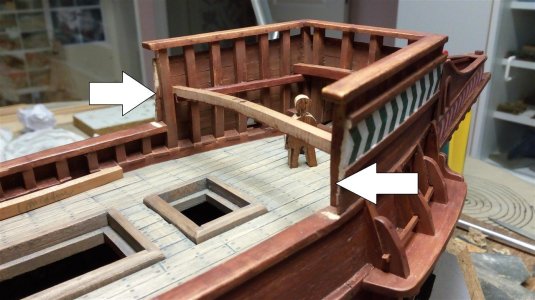
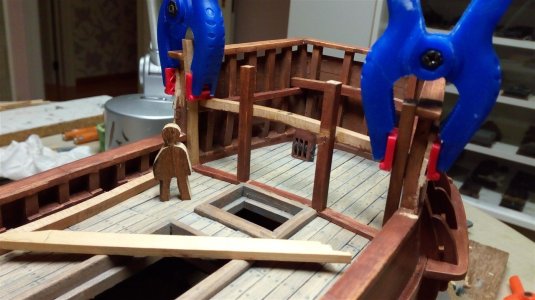
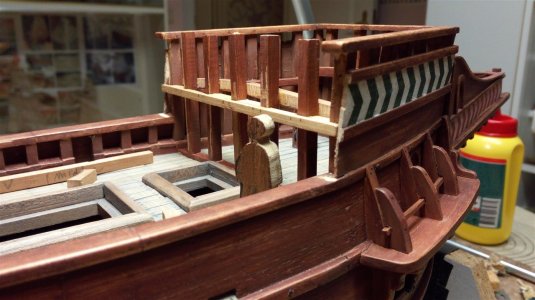
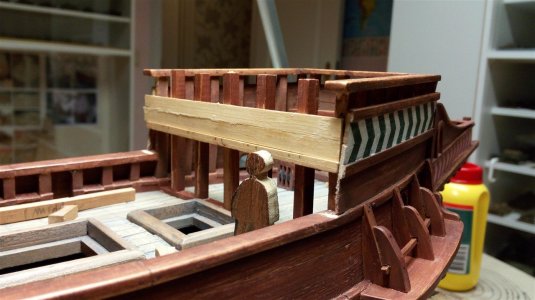
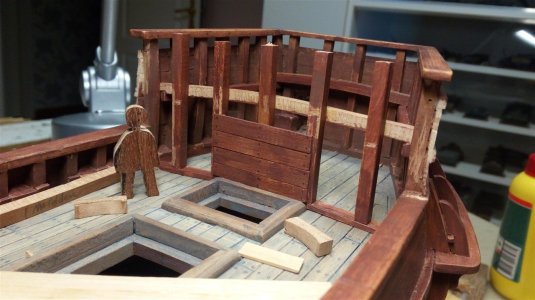
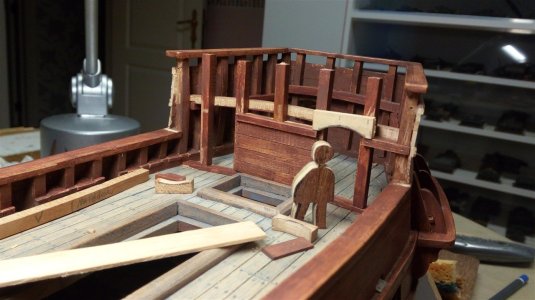
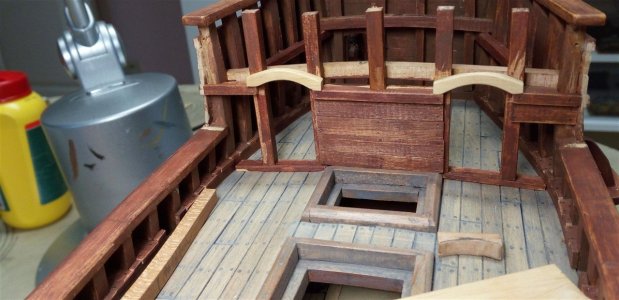
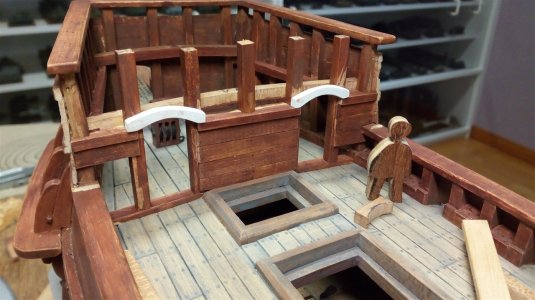
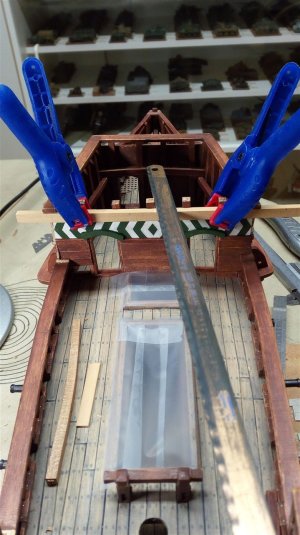
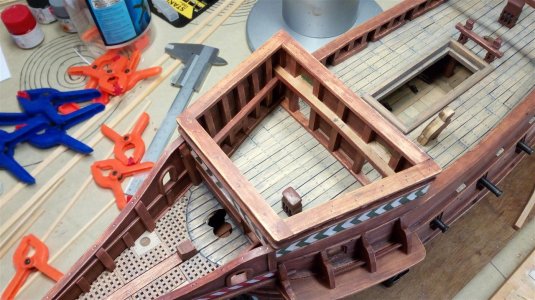
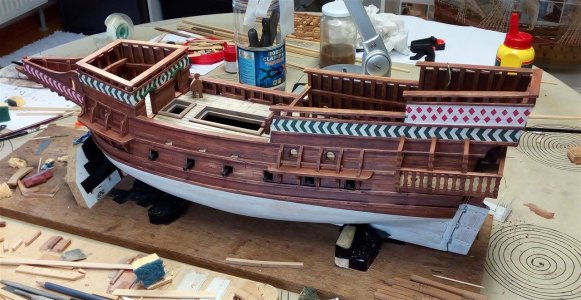
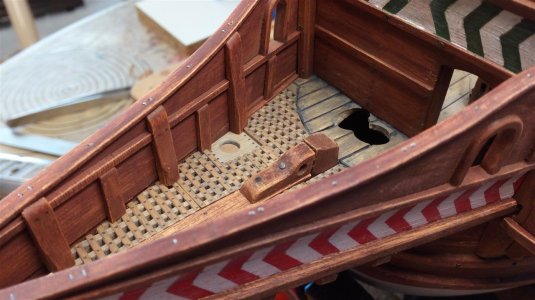
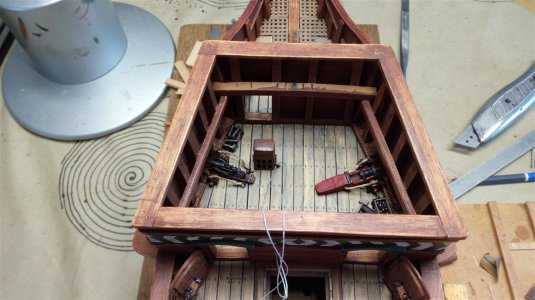
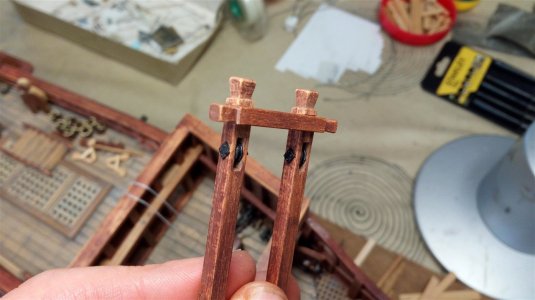
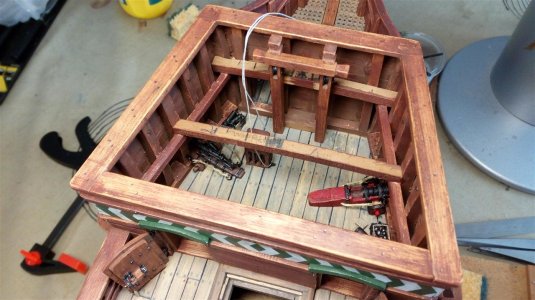
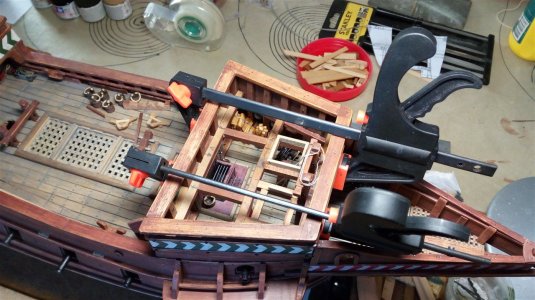
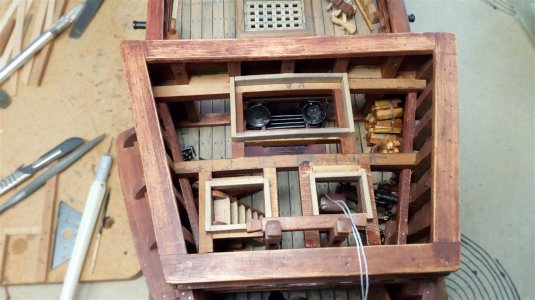
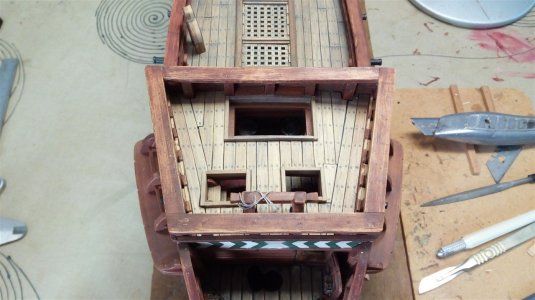
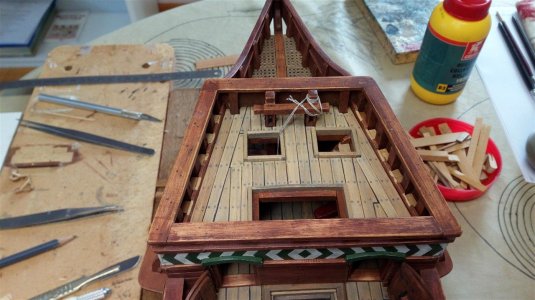
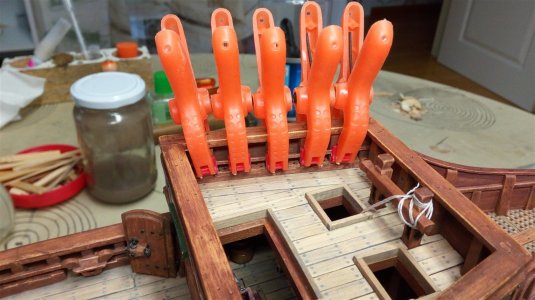
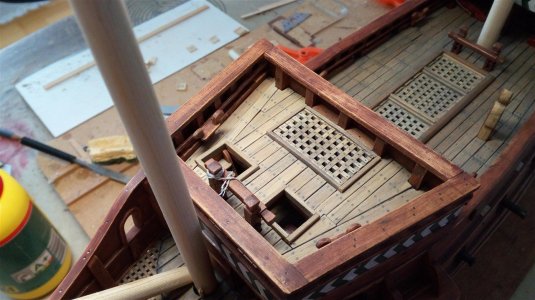
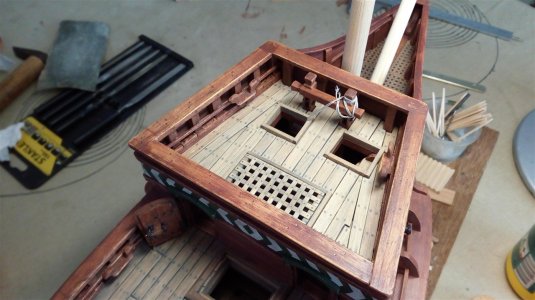
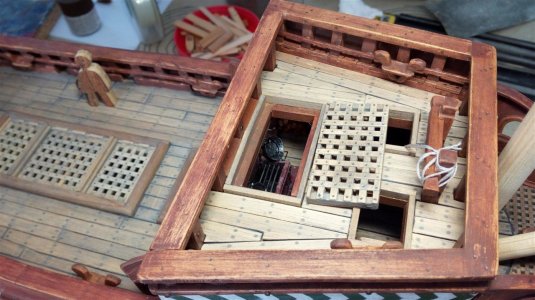
Next is the complete construction of the forecastle.

Step 1
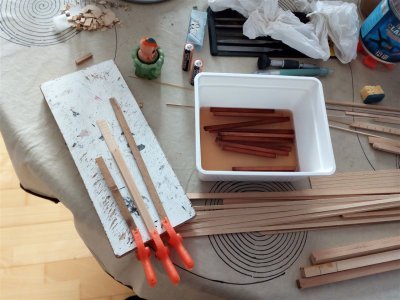
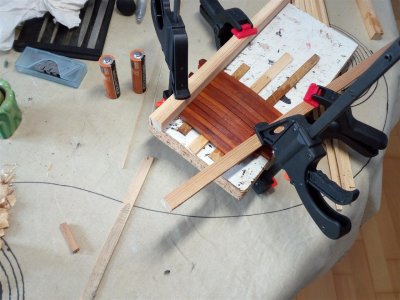
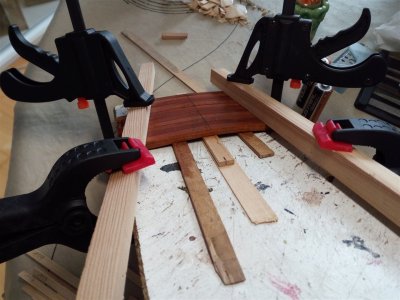
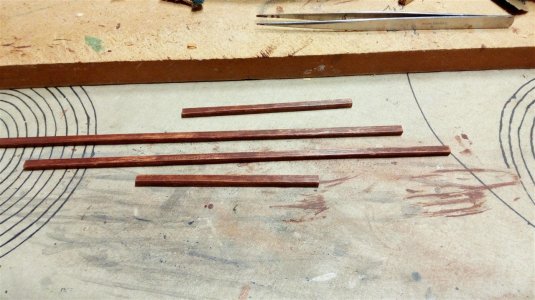
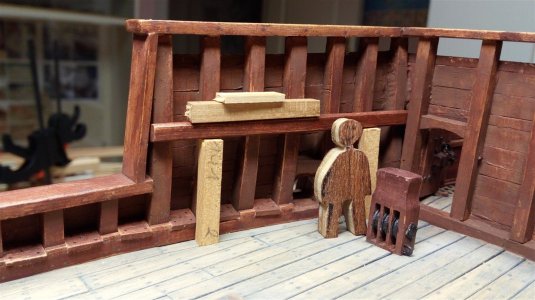
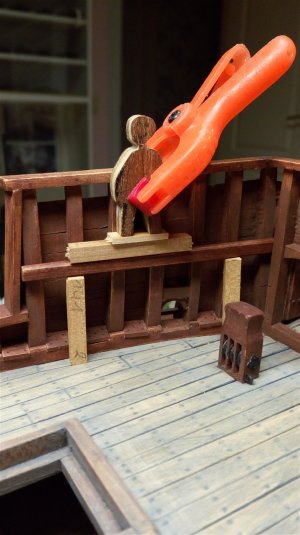
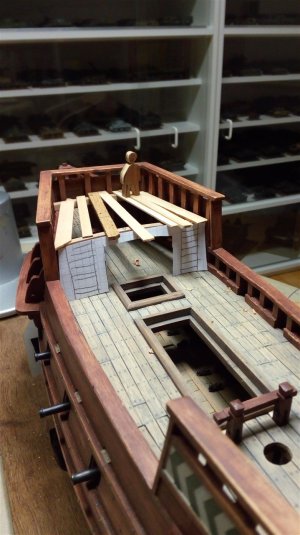
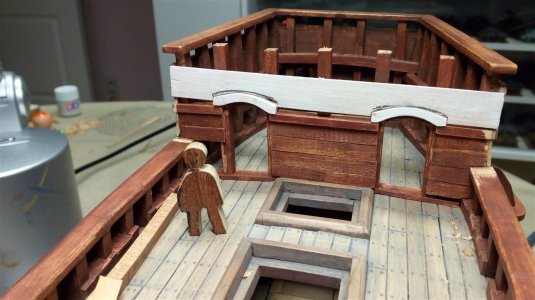
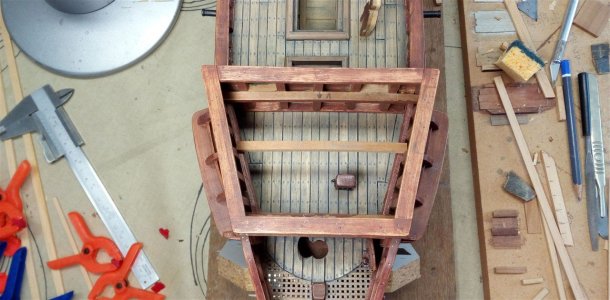
Bending beams, planning, and determining the deck height. The little guy popping up here and there is actually about 1.60 meters tall.
IMG_20170405_191016_1280.jpgIMG_20190225_111732_1280.jpg
(Beams also for rear castle)
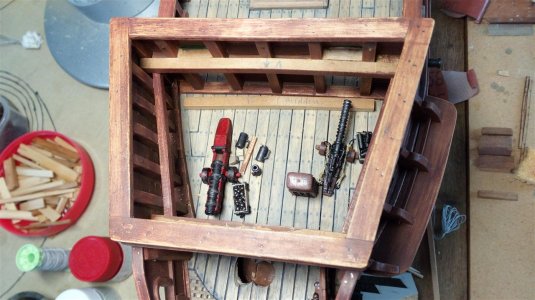
IMG_20190225_112730_1280.jpgIMG_20190225_112741_1280.jpgIMG_20190225_185205_1280.jpgIMG_20190225_190354_1280.jpgIMG_20190225_190518_1280.jpgIMG_20190226_183604_1280.jpgIMG_20190226_190616_1280.jpg
 
Last edited:
Step 2 The wall
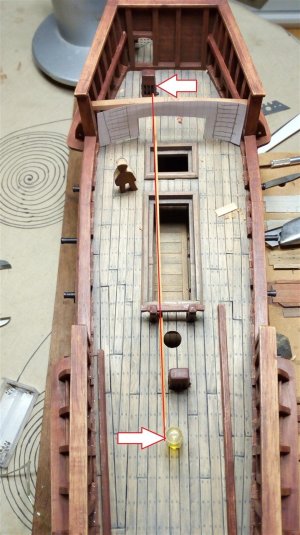
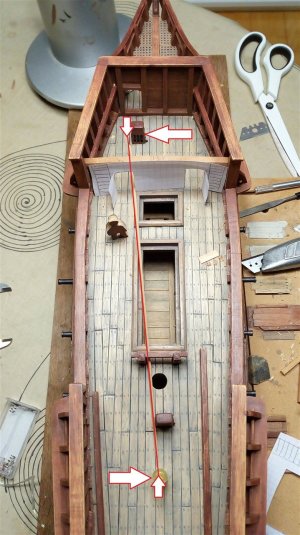
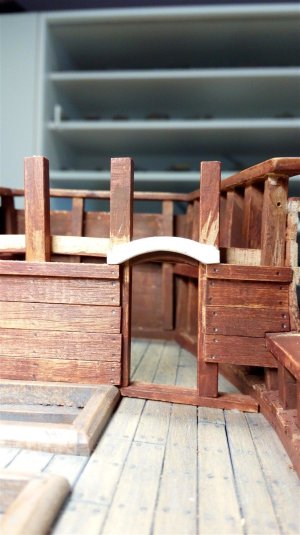
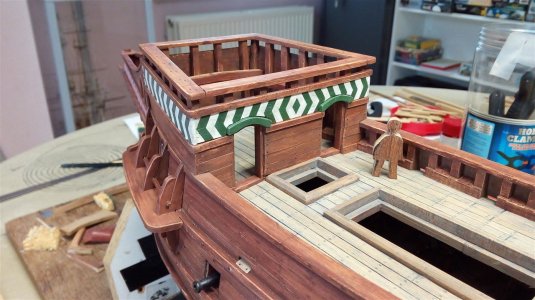
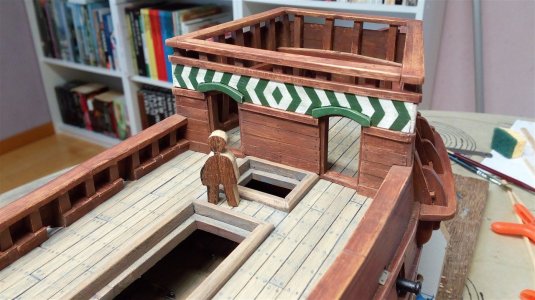
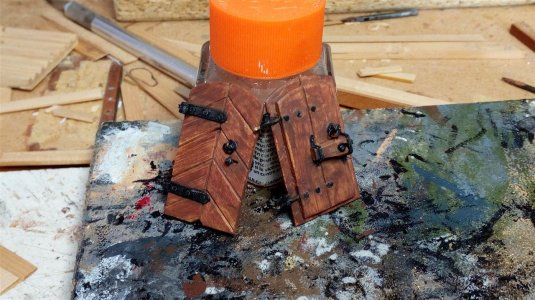
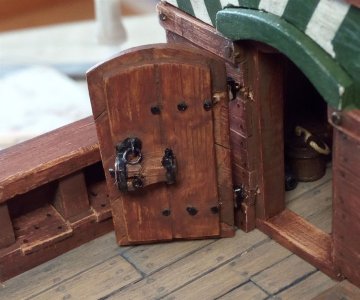
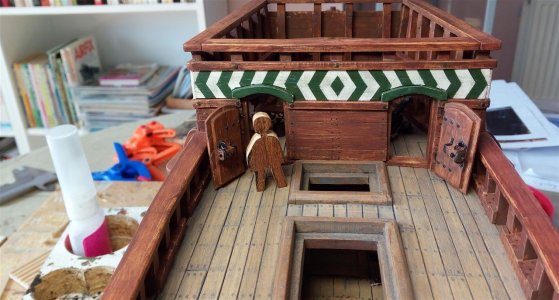
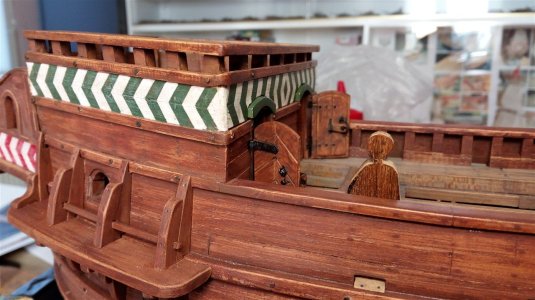
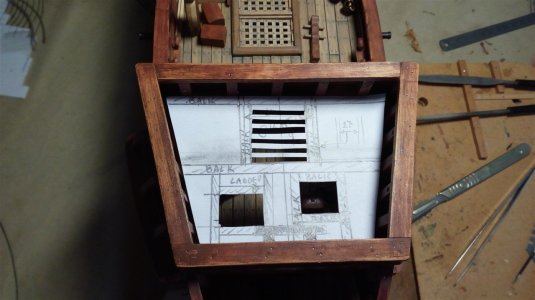
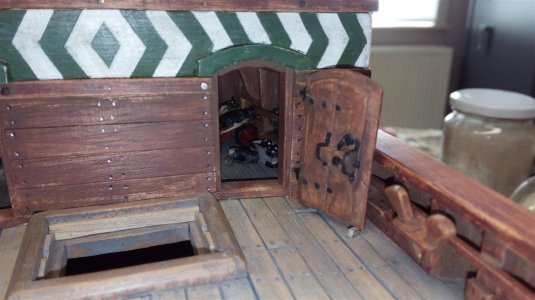
A wall with one large open opening, or a wall with 2 doors? It was important that the knight was accessible to the capstan.
IMG_20190227_190233_1280.jpgIMG_20190227_193423_1280.jpgIMG_20190227_190530_1280.jpg
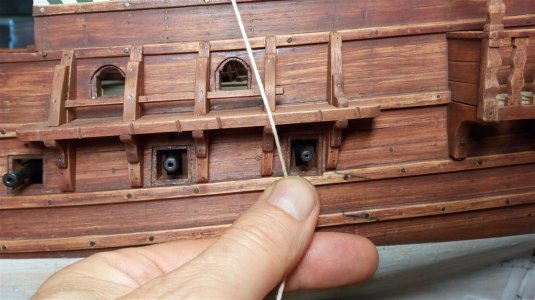
Given that a lockable wall was most common with this type, 2 doors were chosen.
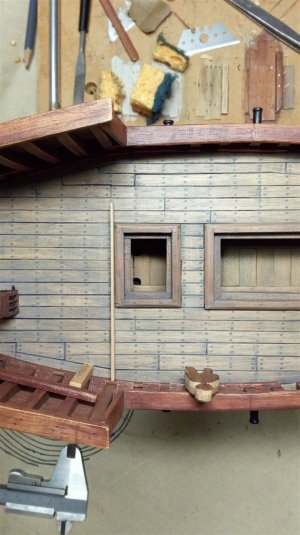
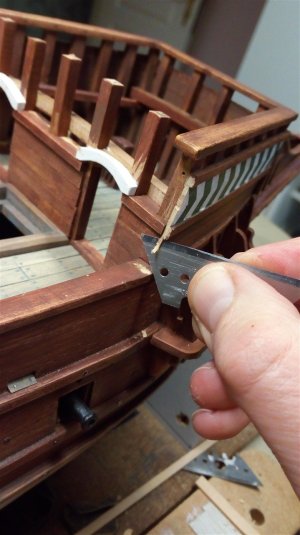
Construction of the wall; adjustments will be necessary here and there.
IMG_20190228_153619_1280.jpgIMG_20190228_194743_1280.jpgIMG_20190301_193211_1280.jpgIMG_20190301_193349_1280.jpgIMG_20190302_161512_1280.jpg

And, a "redo..."
 
Last edited:
Step 6
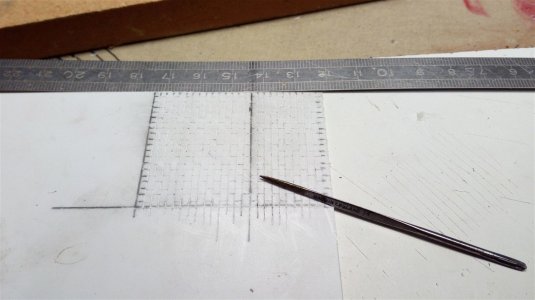
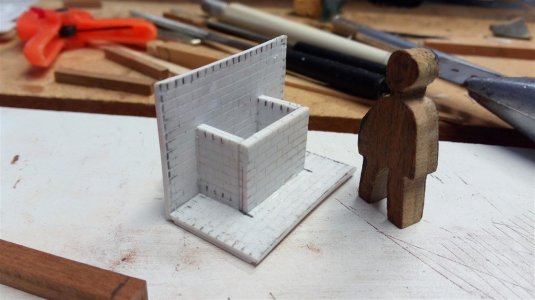
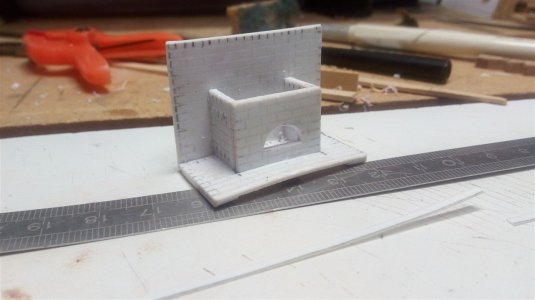
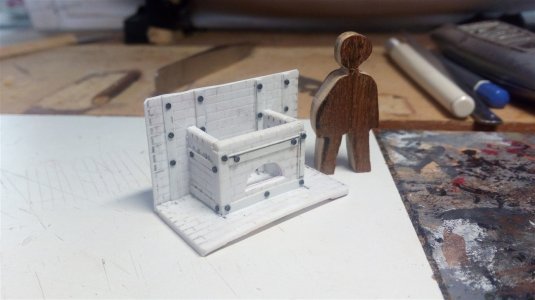
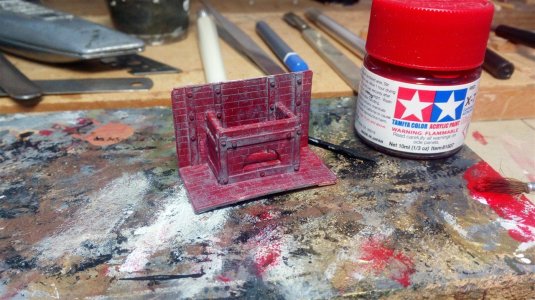
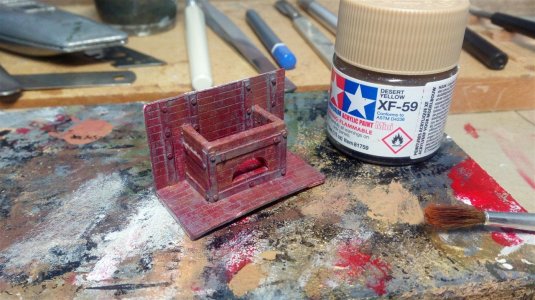
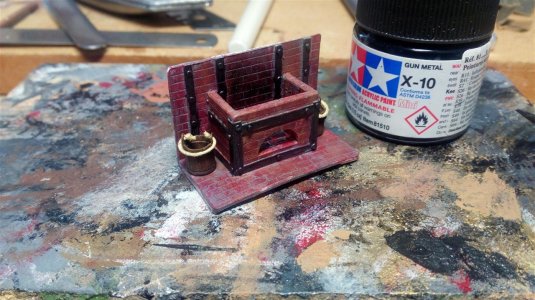
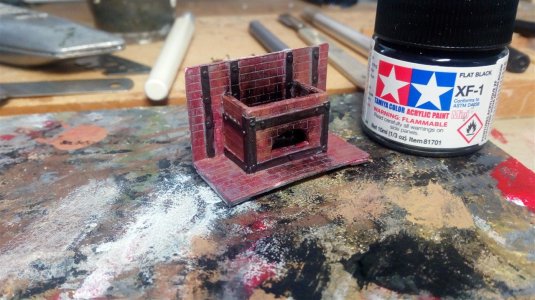
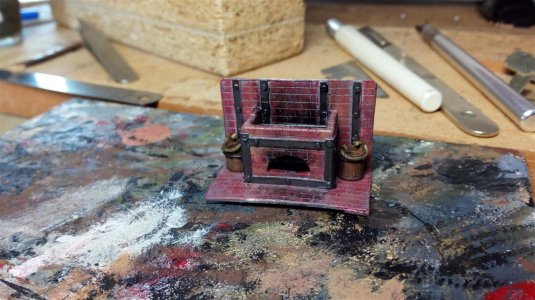
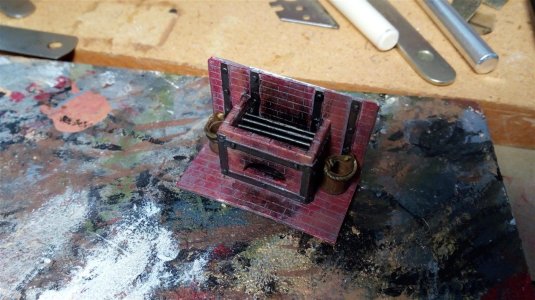
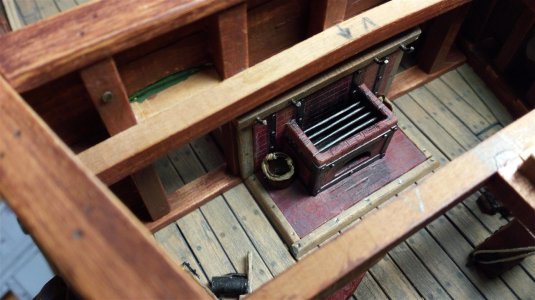
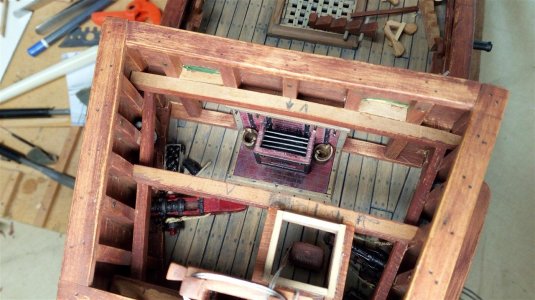
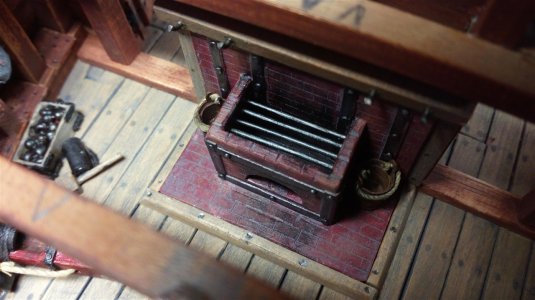
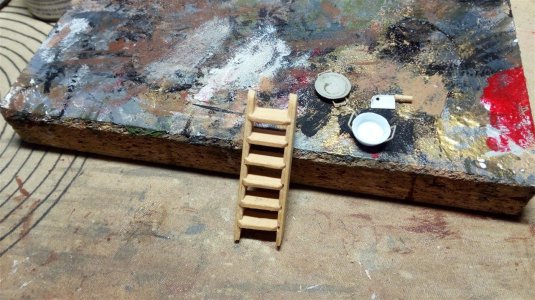
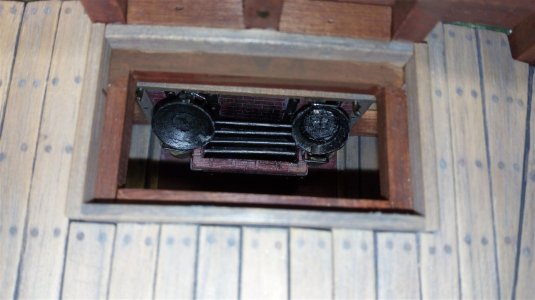
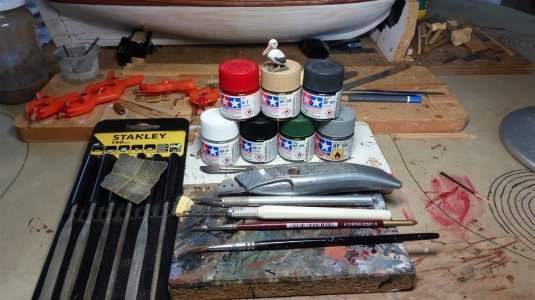
As already mentioned, it is historically not wrong to place a kitchen here. So we are making one out of styrene and the painting is done with Tamiya paint.
Carving bricks
IMG_20200501_164852_1280.jpg
masonry (metselen)
IMG_20200502_161446_1280.jpg
making an opening
IMG_20200502_195913_1280.jpg
"ironwork"
IMG_20200503_130641_1280.jpg
Base coat with grey dry brushing
IMG_20200503_144318_1280.jpg
Dessert yellow dry brushing
IMG_20200503_144803_1280.jpg
Metal part painting
IMG_20200503_150016_1280.jpg
soot and smoke traces
IMG_20200503_154926_1280.jpg
Ready (with two fire buckets for emergencies)IMG_20200503_161203_1280.jpgIMG_20200503_161244_1280.jpg
 
Last edited:
Fabulous. I love all the details and the rustic finish
Thank you very much.

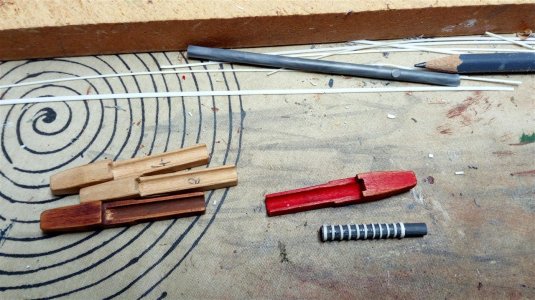
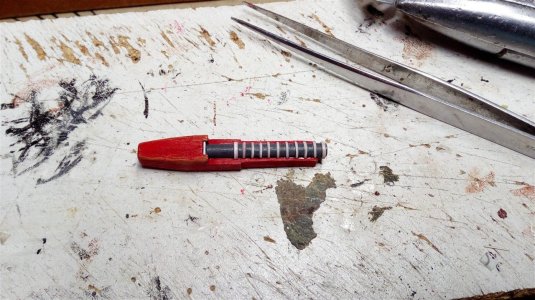
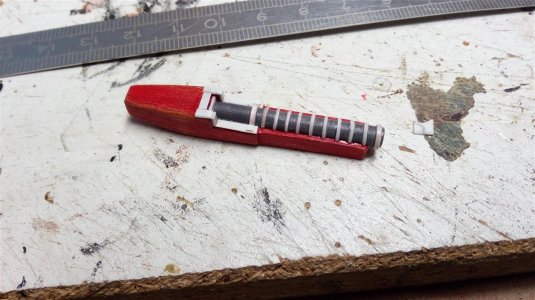
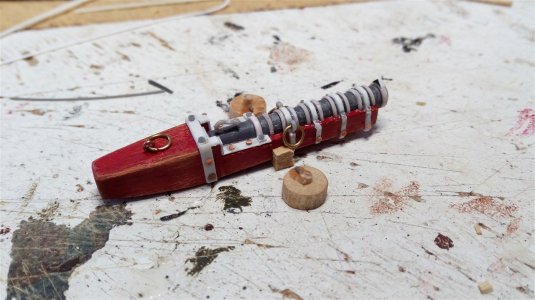
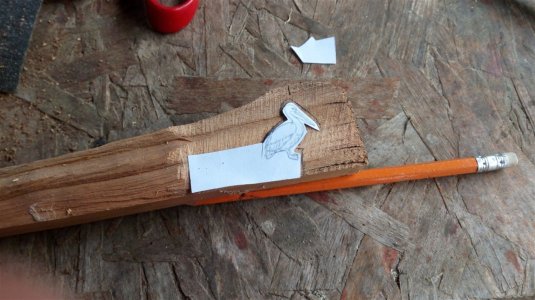
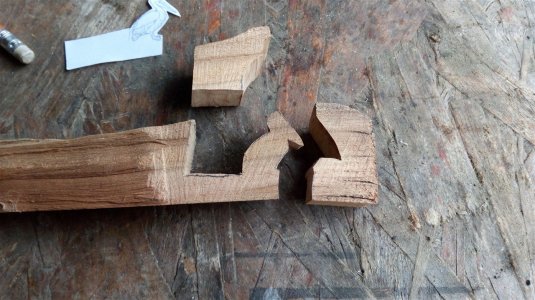
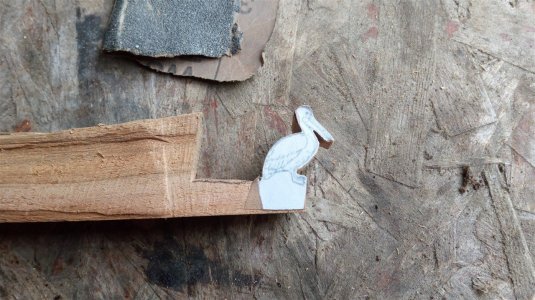
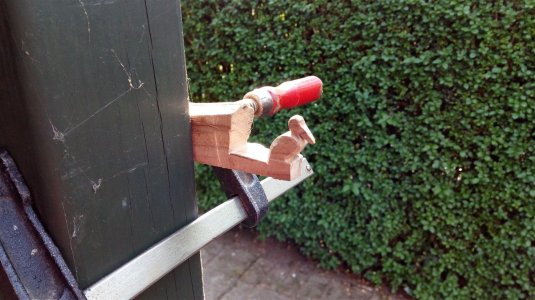
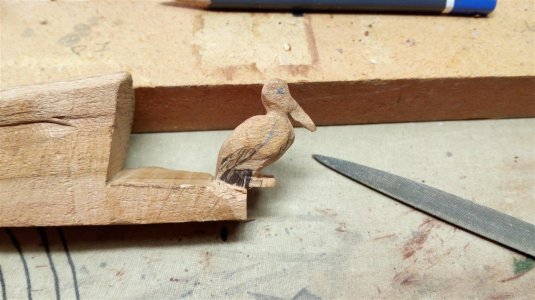
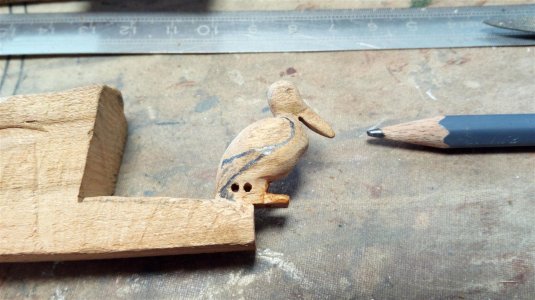
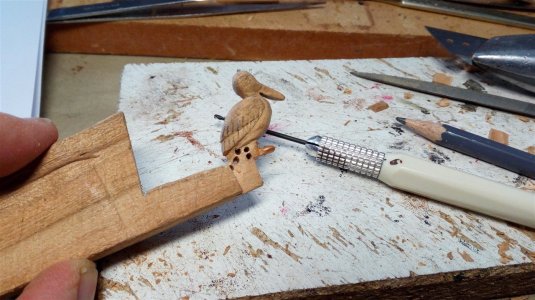
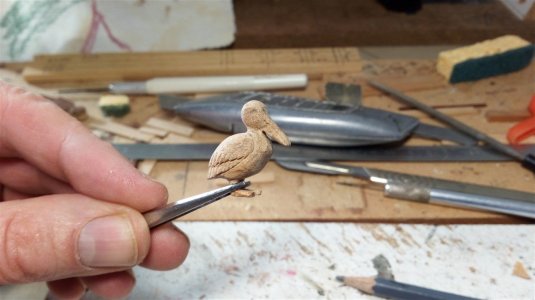
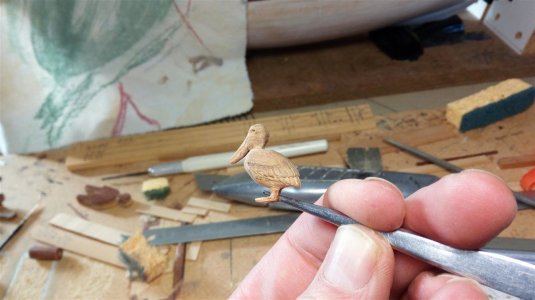
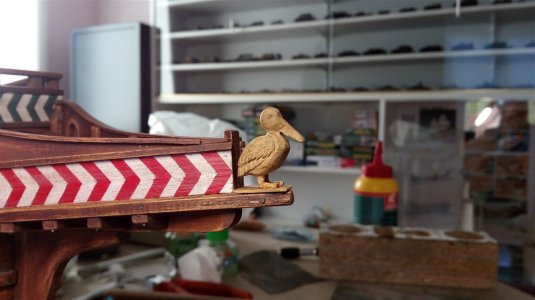
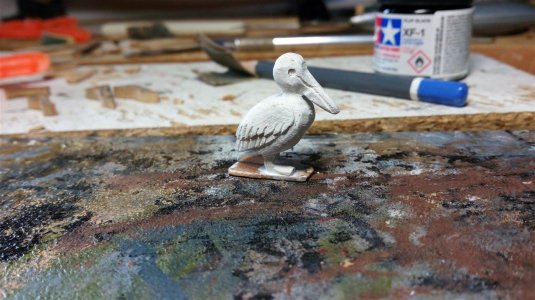
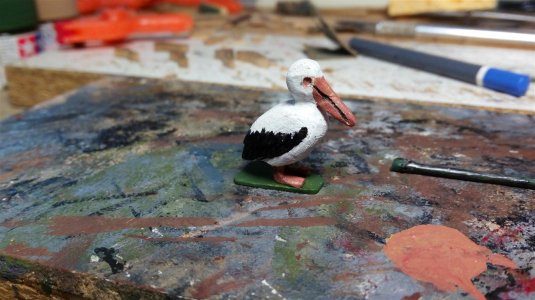
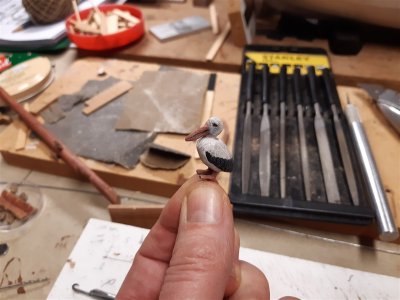
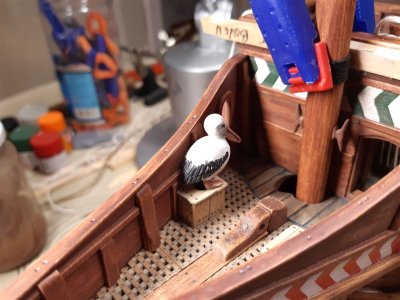
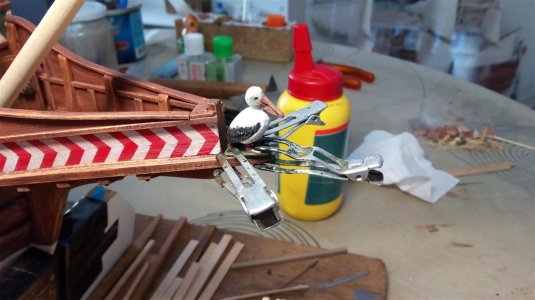
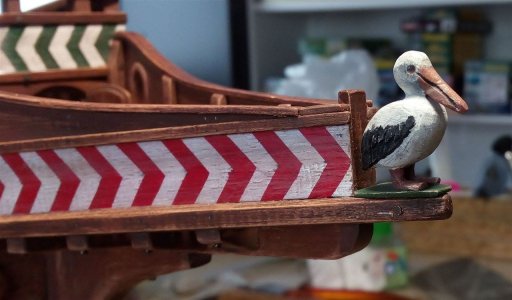
And now for the little figurehead. I don't think this was historically accurate. But it was fun to make this for a change.
Drawing a pelican and placing it on a piece of cherry wood.
IMG_20200412_144636_1280.jpg
Sawing
IMG_20200412_151651_1280.jpg
And then carve and file
IMG_20200412_154504_1280.jpgIMG_20200412_162614 (1)_1280.jpgIMG_20200412_190925_1280.jpgIMG_20200413_152850_1280.jpgIMG_20200413_160018_1280.jpg
 
Last edited:
Dear Patrick! You might find this interesting. Why is the ship named "Pelican"? It turns out it’s not quite that simple. Nowadays, we can name ships whatever we like. We can call them "Seagull," "Sparrow," or "Mermaid," or name them after a wife or daughter. However, in the 16th century, ship names were exclusively religious in nature. It was also permissible to name a ship after a patron—not only a biblical one but also a patron associated with everyday life. Yet even these secular-style names had to have a religious counterpart; consequently, allegories were employed.
The name "Pelican" was not chosen at random. The pelican served as an allegory for Jesus Christ, as it was a symbol of self-sacrifice and selflessness.
According to legend, the pelican tears open its own breast with its beak to feed its young with its blood. It dies, yet saves the defenseless. Christ sacrificed Himself in exactly the same way.
So, Francis Drake’s galleon bore the name—allegorically—of its patron: *Jesus Christ*.
Accordingly, in those years, the allegory was depicted in such a way that it could not be confused with any other.
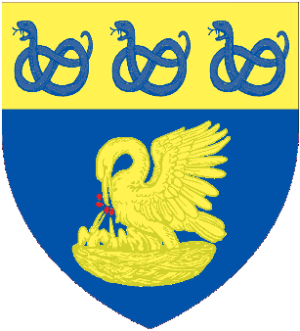
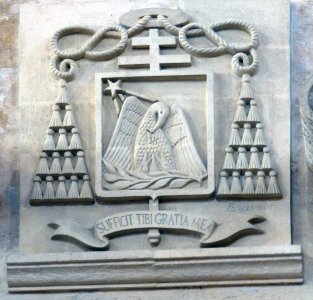
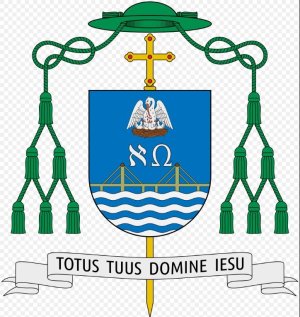
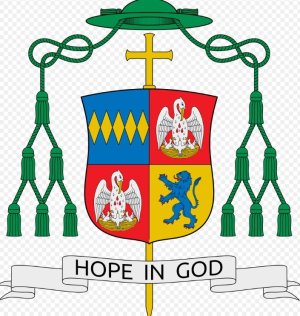
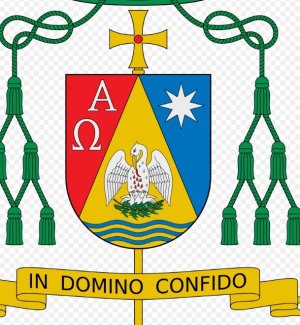
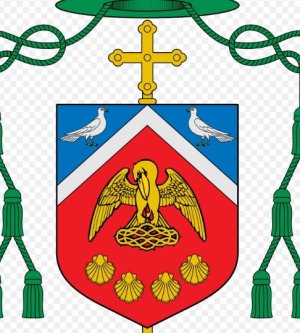
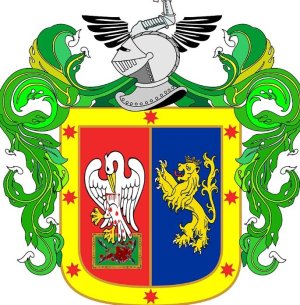
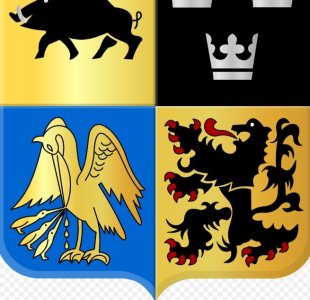
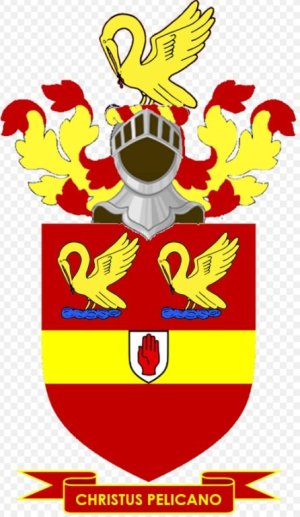
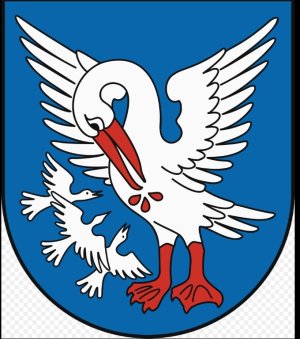
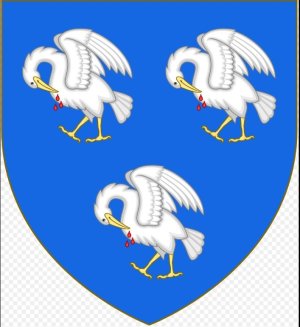
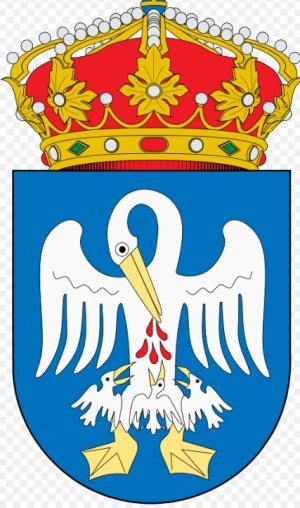
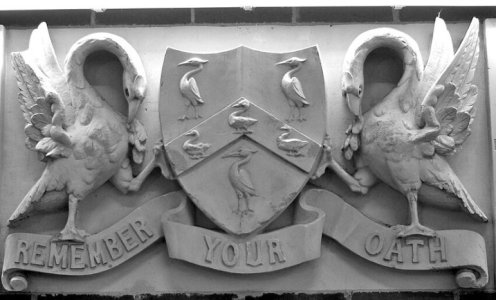
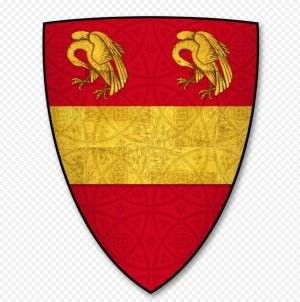
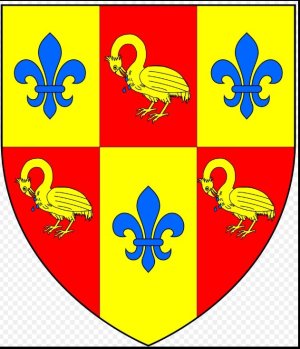
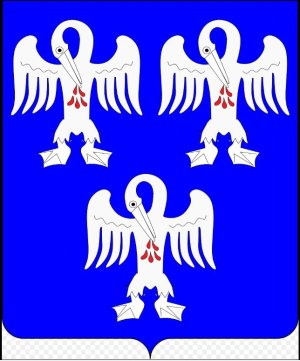
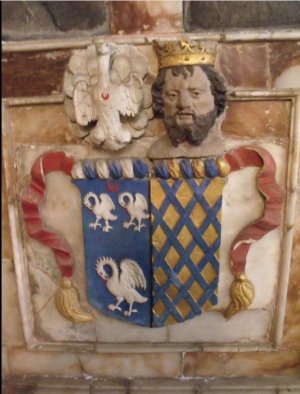
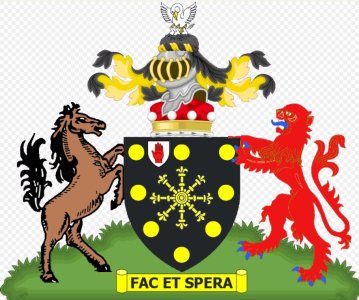
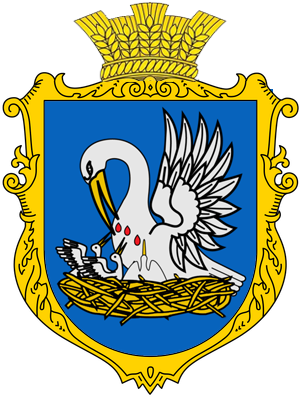
Since the pelican symbolized Christ the Savior, its image was very popular in those years. The pelican appears frequently in heraldic imagery.
To ensure it was clear that the bird depicted was the biblical pelican—and not some other bird—it was shown with a curved neck, piercing its own breast with its beak. Blood flows from the wound. Below are the nest and the chicks. The nest and the pelican itself were depicted alongside the cross—the symbol of Jesus Christ.
Therefore, the ship’s taffrail and figurehead had to feature a canonical depiction of a pelican, as this was strictly monitored at the time. In truth, no external oversight was even necessary: the sailors themselves were so superstitious and fearful of everything that they took great care to avoid making mistakes with these canonical images.
After all, if the patron’s allegory were depicted incorrectly, the patron would be enraged, and the ship might perish. No one would have dared to craft the figure of the pelican in any way other than what was prescribed by the canon!
Therefore, the ship's stern was to feature a depiction of a pelican in its nest, tearing open its own breast with its beak. Inside the nest, the chicks were shown drinking their parent's blood. Above the pelican stood a Christian cross.
The figurehead was required to be a pelican shown with its head bowed and tearing open its own breast. This was precisely its primary canonical distinction from other birds throughout the centuries, and it was depicted this way in numerous heraldic images. It was a strict convention—one rigorously observed at the time out of fear that failing to do so might cause the loss of one's patron during the voyage and lead to disaster.
Bezkrovne_krol_gerb.pngCollege_of_General_Dentistry_Escutcheon.pngHavanna_Kathedrale_-_Wappen.jpgБезымянный 1.jpgБезымянный 2.jpgБезымянный 3.jpgБезымянный 4.jpgБезымянный 5.jpgБезымянный 6.jpgБезымянный 7.jpgБезымянный 8.jpgБезымянный 9.jpgБезымянный 10.jpgБезымянный 11.jpgБезымянный 12.jpgБезымянный 13.jpgБезымянный 14.jpgБезымянный 15.jpgБезымянный 16.jpgБезымянный 17.jpgБезымянный 18.jpgБезымянный.jpg
 
You might ask me: "Igor, why then did Francis Drake change his ship's name during the expedition? After all, the *Pelican* is an allegory for Jesus Christ!"There is an answer to that, too—and it has everything to do with the superstitions of the time.
As Drake began plundering Spanish colonies and ships—amassing truly staggering wealth in gold, silver, and spices—the crew began to grumble, fearing that Jesus would turn His back on them for committing such a grave sin. Robbery and murder ran counter to Christian commandments. The sailors were genuinely frightened; one of the expedition’s best ships had already been lost, and the Spanish were in pursuit. Luck is about to turn against the English; the expedition’s gold-laden ships are losing speed, and the Spanish will never forgive the murders and pillaging. The expedition had already lost five ships, and nothing was known of the comrades' fate. The Spanish fleet was hot on their heels. And so, Drake decided to rename the ship.
First, the galleon is no longer named after Christ, and God no longer sees—or grows angry at—crimes. Second, by naming the galleon the *Golden Hind*, Drake seems to imbue the ship with a new, magical power; for the hind—an ancient symbol of speed—is precisely what the English need as they flee their pursuers.

I repeat: sailors in those days were highly superstitious, so they genuinely believed that changing the name would allow Jesus to turn a blind eye to their crimes while simultaneously making the ship faster.

But removing the name of Christ himself from the title—that was unthinkable! What sailor would agree to such a thing, especially in such difficult and trying times? That was precisely when Drake’s sharp and cunning mind came in handy.

Thirdly, Drake—a highly astute man from an early age—later claimed that he had named his galleon after the hind that appeared on the coat of arms of Christopher Hatton, the expedition’s sponsor. Here, Francis Drake’s cunning is evident: the crew readily agreed to rename the vessel, for their patron was now Hatton—and his first name, Christopher, was a variation of "Jesus Christ."
 
Back
Top