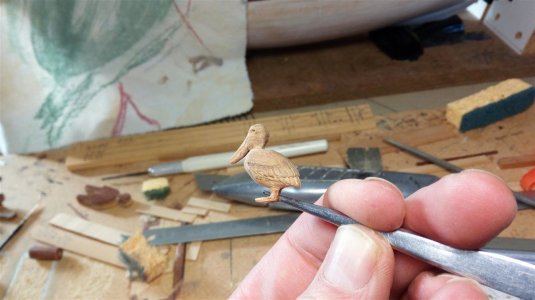
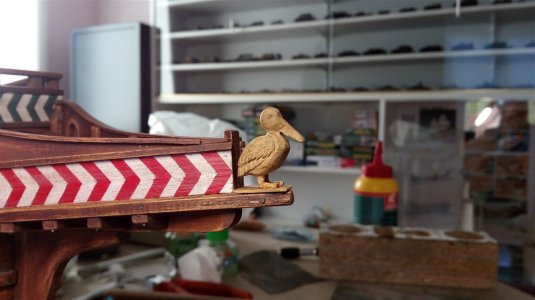
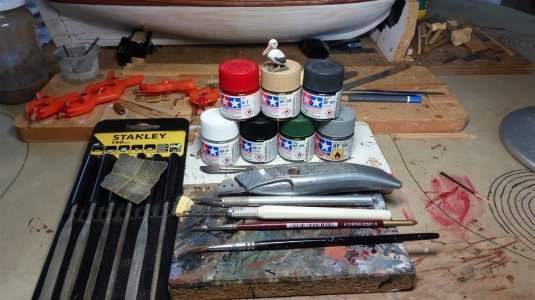
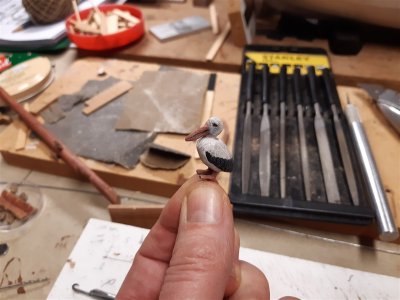
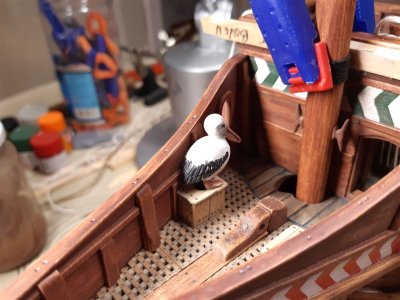
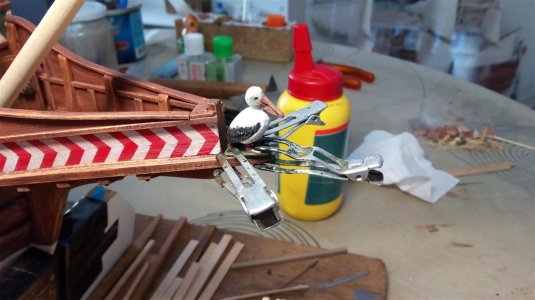
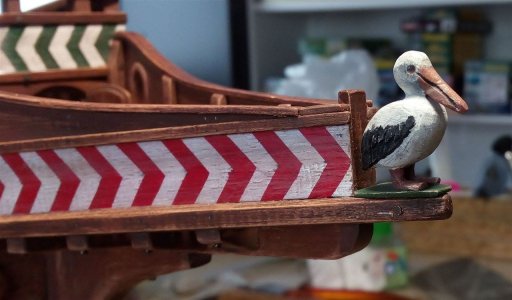
Dear Patrick! You might find this interesting. Why is the ship named "Pelican"? It turns out it’s not quite that simple. Nowadays, we can name ships whatever we like. We can call them "Seagull," "Sparrow," or "Mermaid," or name them after a wife or daughter. However, in the 16th century, ship names were exclusively religious in nature. It was also permissible to name a ship after a patron—not only a biblical one but also a patron associated with everyday life. Yet even these secular-style names had to have a religious counterpart; consequently, allegories were employed.
The name "Pelican" was not chosen at random. The pelican served as an allegory for Jesus Christ, as it was a symbol of self-sacrifice and selflessness.
According to legend, the pelican tears open its own breast with its beak to feed its young with its blood. It dies, yet saves the defenseless. Christ sacrificed Himself in exactly the same way.
So, Francis Drake’s galleon bore the name—allegorically—of its patron: *Jesus Christ*.
Accordingly, in those years, the allegory was depicted in such a way that it could not be confused with any other.
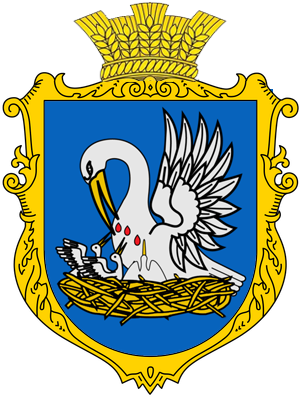
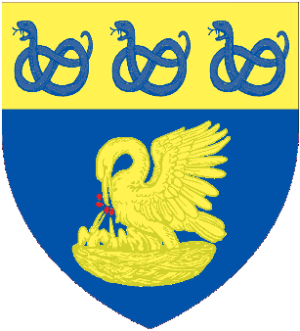
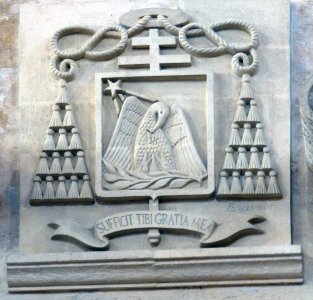
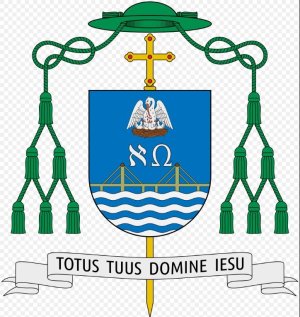
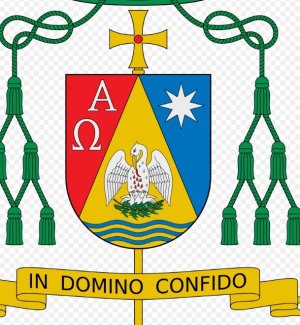
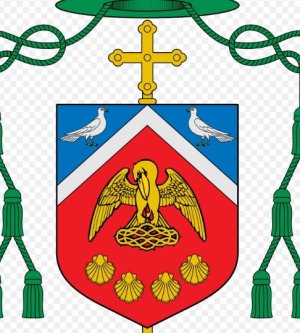
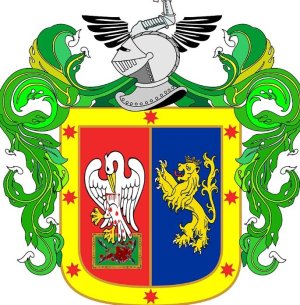
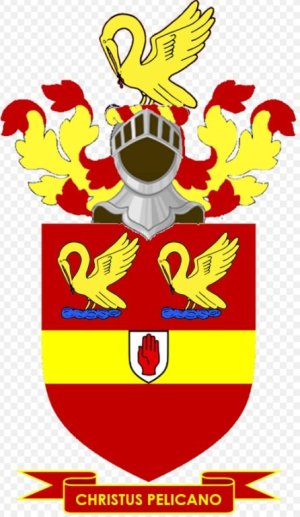
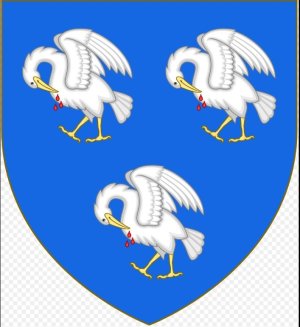
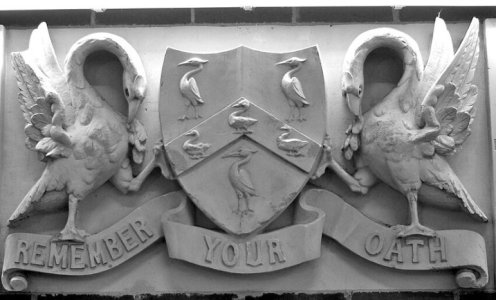
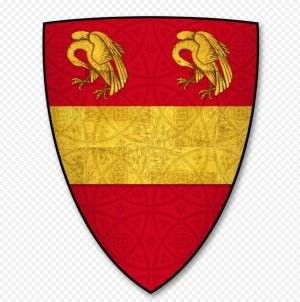
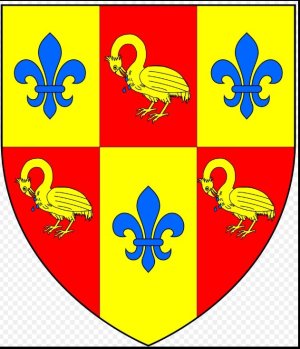
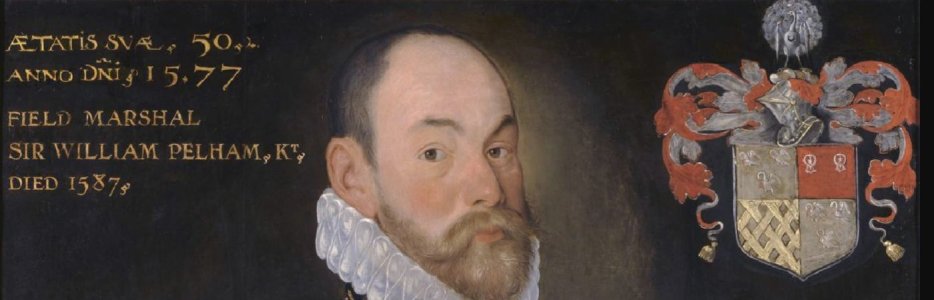
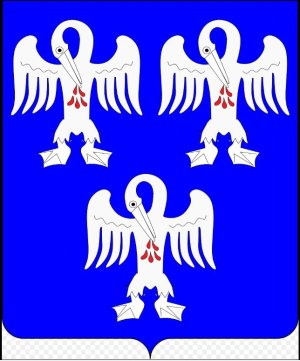
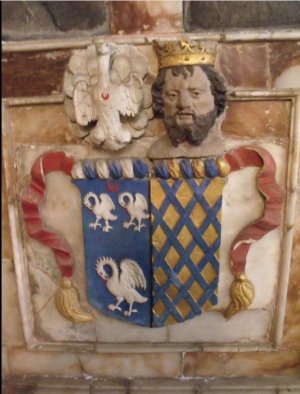
Since the pelican symbolized Christ the Savior, its image was very popular in those years. The pelican appears frequently in heraldic imagery.
To ensure it was clear that the bird depicted was the biblical pelican—and not some other bird—it was shown with a curved neck, piercing its own breast with its beak. Blood flows from the wound. Below are the nest and the chicks. The nest and the pelican itself were depicted alongside the cross—the symbol of Jesus Christ.
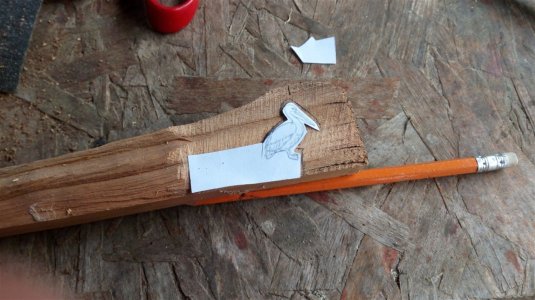
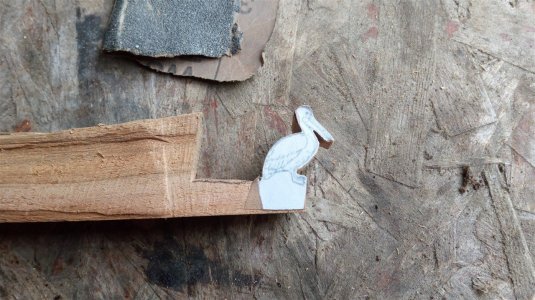
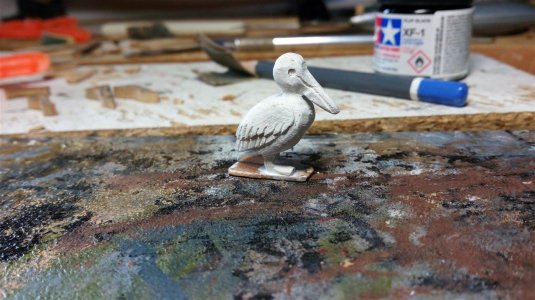
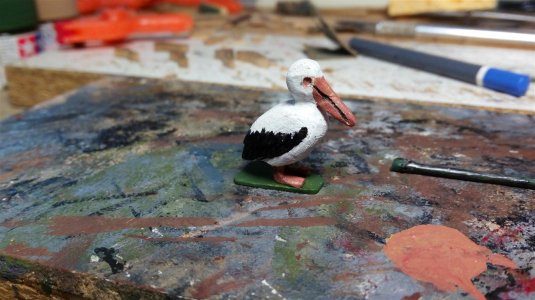
Therefore, the ship’s taffrail and figurehead had to feature a canonical depiction of a pelican, as this was strictly monitored at the time. In truth, no external oversight was even necessary: the sailors themselves were so superstitious and fearful of everything that they took great care to avoid making mistakes with these canonical images.
After all, if the patron’s allegory were depicted incorrectly, the patron would be enraged, and the ship might perish. No one would have dared to craft the figure of the pelican in any way other than what was prescribed by the canon!
Therefore, the ship's stern was to feature a depiction of a pelican in its nest, tearing open its own breast with its beak. Inside the nest, the chicks were shown drinking their parent's blood. Above the pelican stood a Christian cross.
The figurehead was required to be a pelican shown with its head bowed and tearing open its own breast. This was precisely its primary canonical distinction from other birds throughout the centuries, and it was depicted this way in numerous heraldic images. It was a strict convention—one rigorously observed at the time out of fear that failing to do so might cause the loss of one's patron during the voyage and lead to disaster.











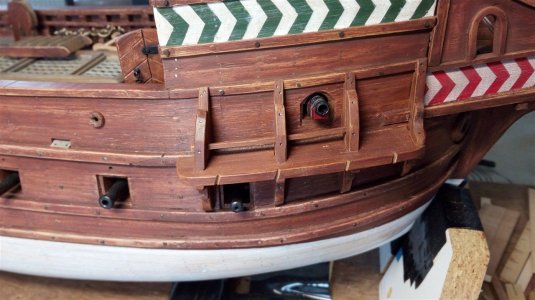



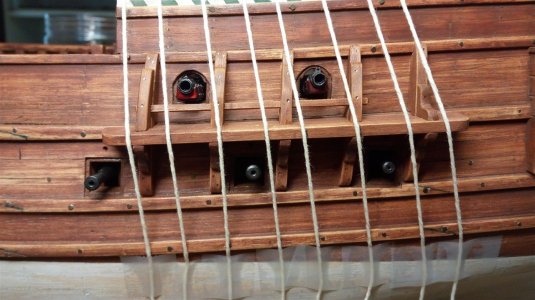
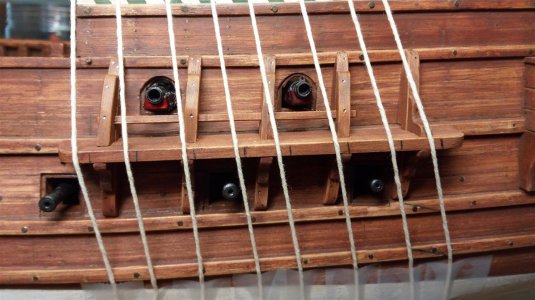
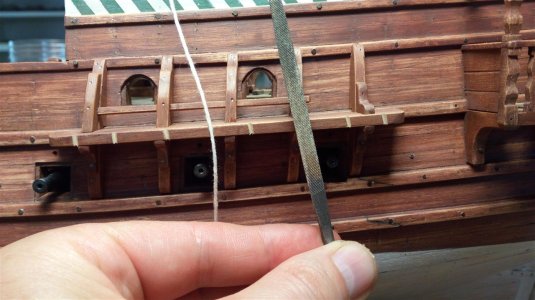
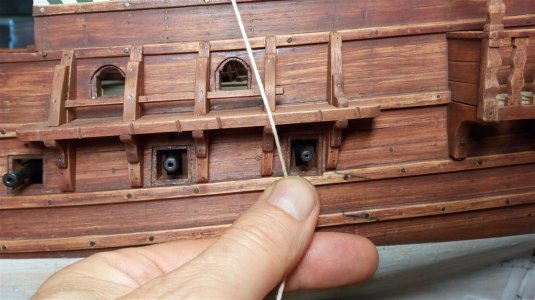
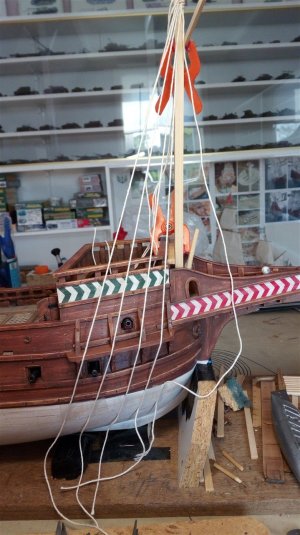
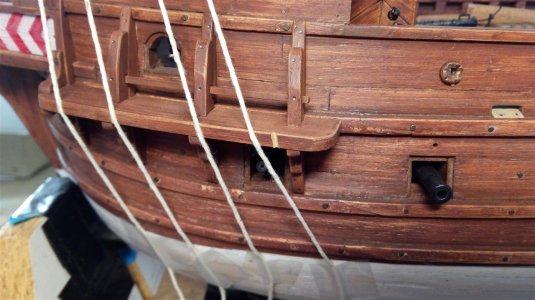







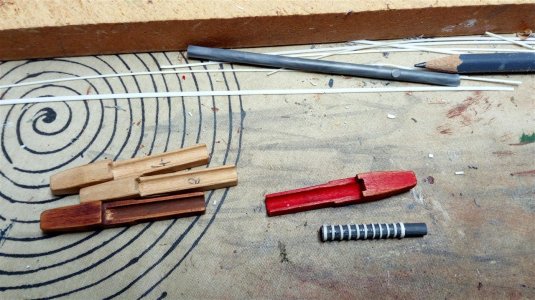

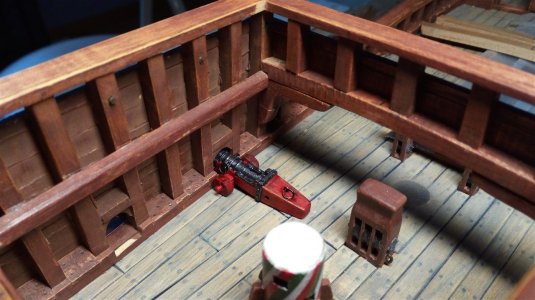
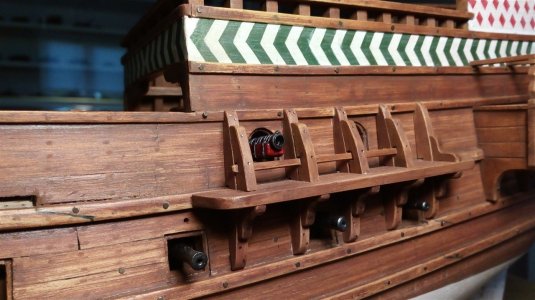
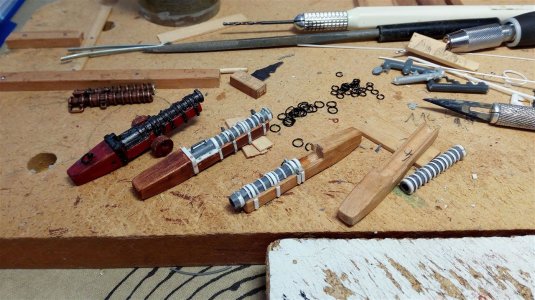
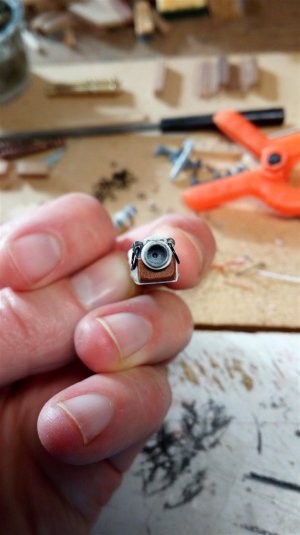
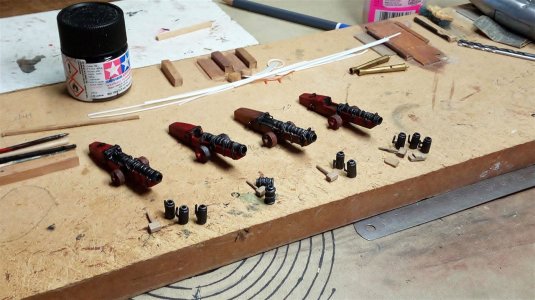
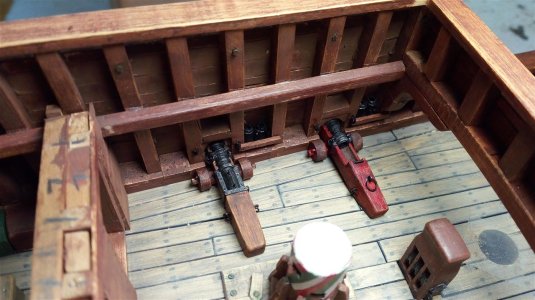
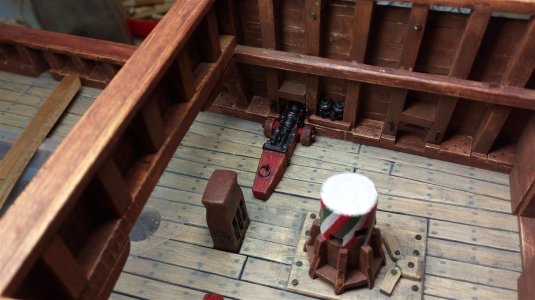
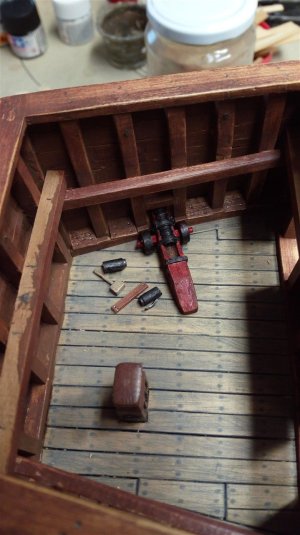
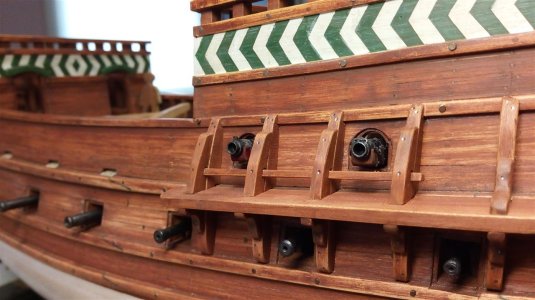

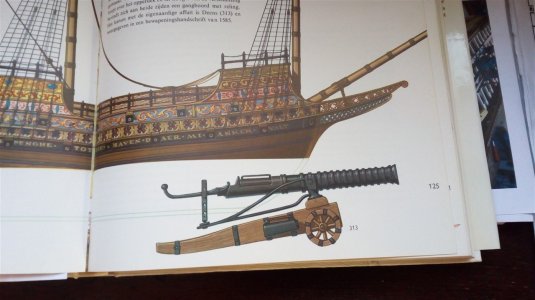

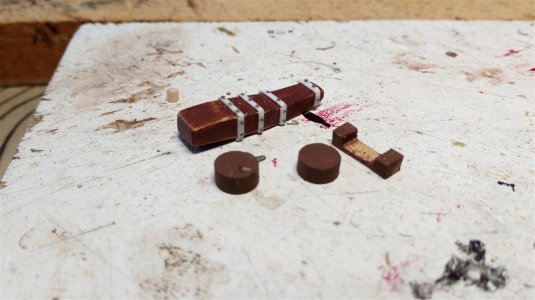
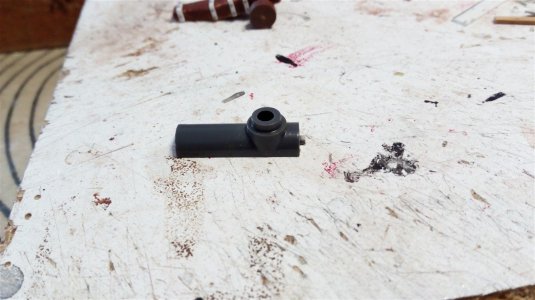










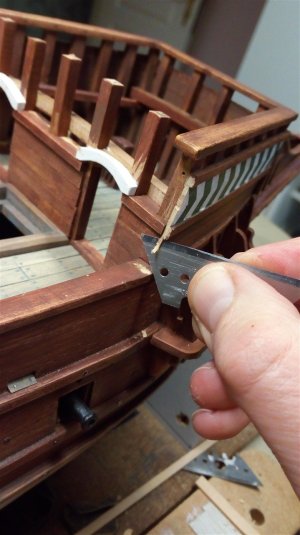

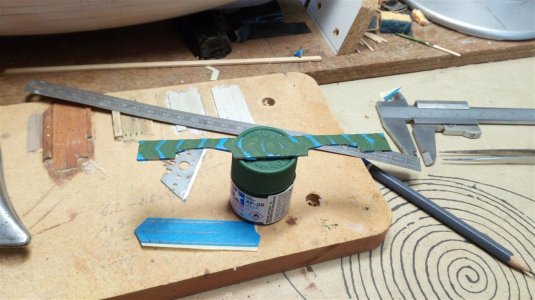
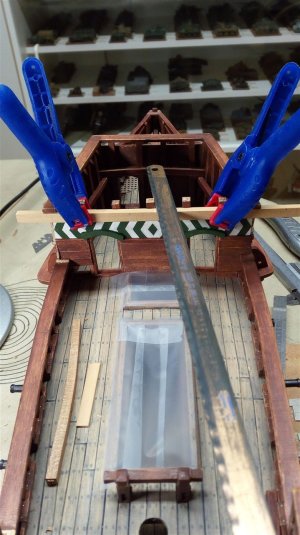
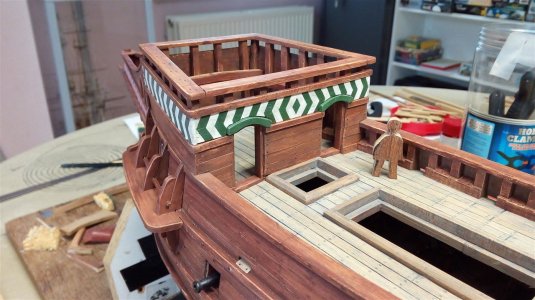



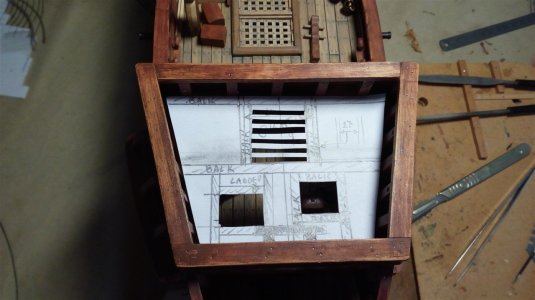
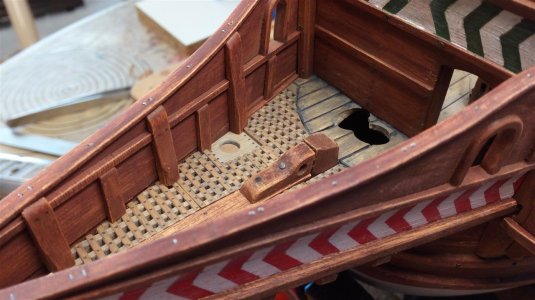
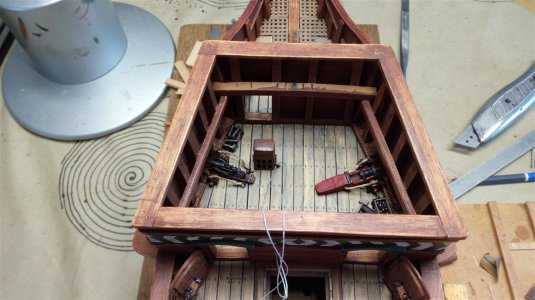
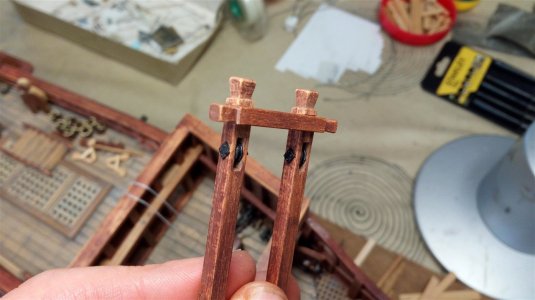
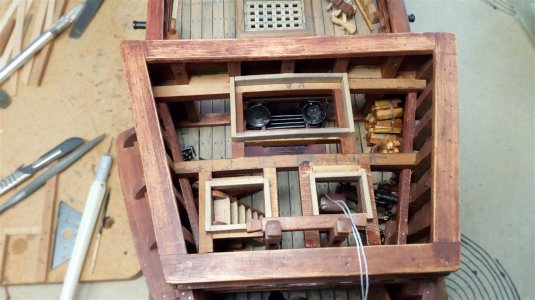
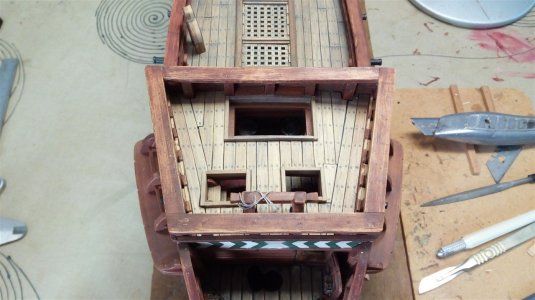
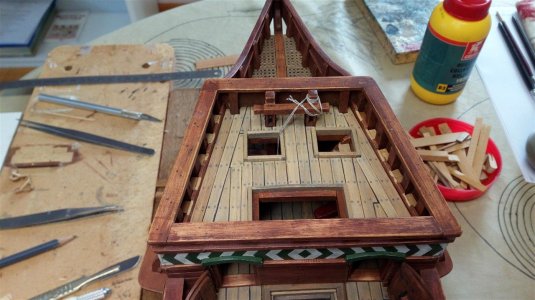
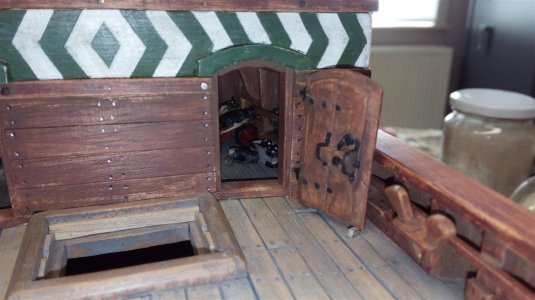
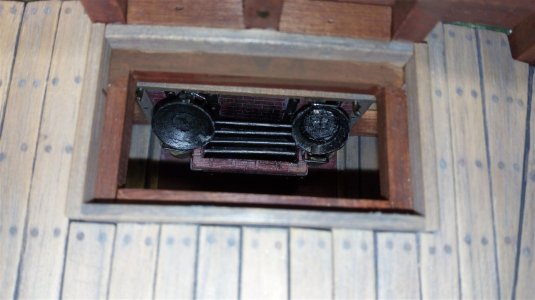
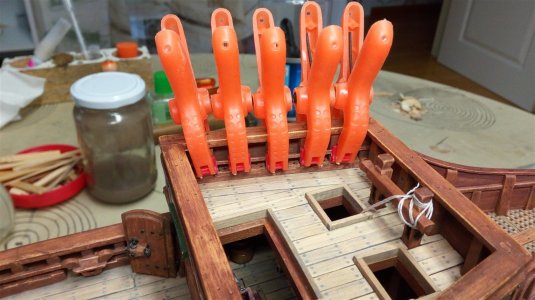
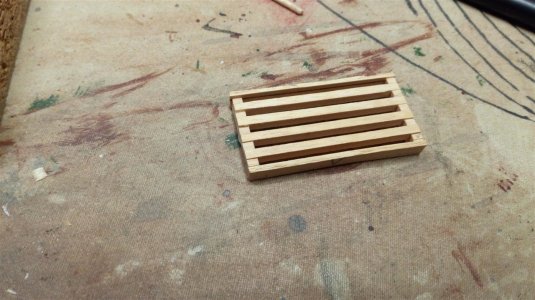
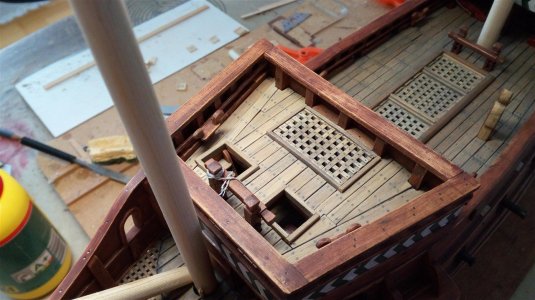
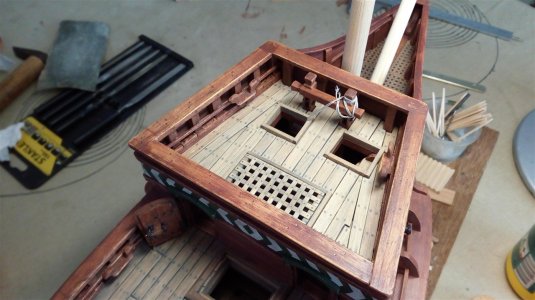
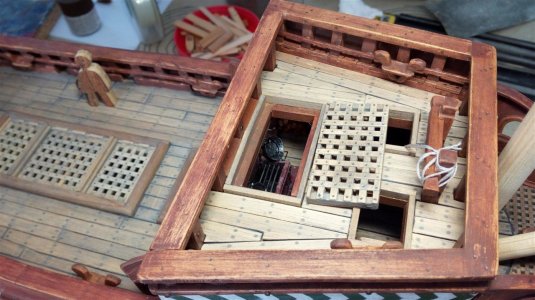
 nd these made and placed, No belaying pins in the 16th century