• SUBSCRIBE TO SHIPS IN SCALE TODAY!

    The beloved Ships in Scale Magazine is back and charting a new course for 2026!
    Discover new skills, new techniques, and new inspirations in every issue.

    NOTE THAT OUR NEXT ISSUE WILL BE MARCH/APRIL 2026
  • Win a Free Custom Engraved Brass Coin!!!
    As a way to introduce our brass coins to the community, we will raffle off a free coin during the month of August. Follow link ABOVE for instructions for entering.

Purchased shortly ago / sthg new in your workshop -> present it here

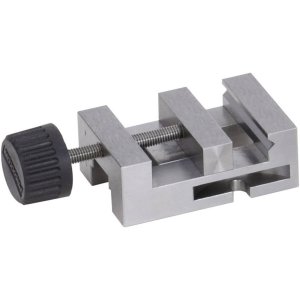
Did you ever try pushing a rope? Doesn’t work very well! Like the rope the strip wood furnished in ship model kits is probably too flexible to be pushed. If this were my tool I would set it vertically in a vise and pull the wood through.

For novice modelers assembling a tool kit on a limited budget, before spending $$ on the Dremel tool or it’s clones buy a good vise.

Roger
 
this mini plane trim the edge of the plank that lies against the hull bulkheads.

Did you ever try pushing a rope? Doesn’t work very well! Like the rope the strip wood furnished in ship model kits is probably too flexible to be pushed. If this were my tool I would set it vertically in a vise and pull the wood through.

What Roger said has caused me to decipher what this tool actually is.

First - it is simple enough for a builder or even an assembler to make his own from scrap wood.

Second - it is not a plane. It is a sort of scraper. And not a very good one at that.
A scraper should have a burr that does the cutting and a thicker body - but I use a single edge Gem-type razor blade to scrape a deck. It is just as thin and has no burr. I guess I could produce a burr with a sharpening stone and carbide burnishing rod. But with the Gem I drag the edge at a back leaning angle rather than 90 degrees.
A scraper removes very thin layers - for any sort of bevel three or four passes will not do it.
A mill is a single cutting edge hitting the wood at a forward cutting angle at hundreds of time per minute. This simple tool is trying to do the work of a mill.

The tool would probably be a better design if the channel was much longer - If the cutter was the side edge of a Gem blade honed and burnished to a burr. If this blade was set at a backward leaning angle rather than 90 degree vertical. If there is a threaded rod at the back edge of the blade pushing and feeding the cutting edge of the scraper up into the cut at controlled increments.

And - the primary thing - the most critical thing - if the wood being beveled is a species that actually "wants" to be shaped. It certainly is not Basswood and most certainly not the brittle poor quality stuff in most kits.
 
A little while back I bought this mini plane trim the edge of the plank that lies against the hull bulkheads. Forgot where I first saw it, but I believe I picked it up on Amazon for about $4. It is 3D printed. You can adjust for the width of the plank you want and the angle of the blade which is just a replaceable x-acto blade. It works well. After passing the plank through the plane a few times I finish with a quick pass of sandpaper.

View attachment 603951
View attachment 603952
Fun, I also made one on my 3D printer. Great tool to make an edge on planks to make sure they fit easily together.
 
Back
Top