• SUBSCRIBE TO SHIPS IN SCALE TODAY!

    The beloved Ships in Scale Magazine is back and charting a new course for 2026!
    Discover new skills, new techniques, and new inspirations in every issue.

    NOTE THAT OUR NEXT ISSUE WILL BE MARCH/APRIL 2026
  • Win a Free Custom Engraved Brass Coin!!!
    As a way to introduce our brass coins to the community, we will raffle off a free coin during the month of August. Follow link ABOVE for instructions for entering.

Stay mouse use on Occre HMS Terror 1:75

Joined
Sep 17, 2023
Messages
5
Points
11

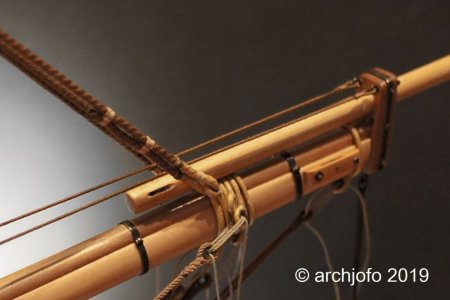
I’ve consulted both Betts book on the Terror and Lees book on Masting and Rigging of English Ships of War 1625-1860. Outside of one picture of the mouse in Lees book, pg.163, I can no references to the use of the stay mouse. I’ve also studied several finished ship builds for the Terror and seems to be one with a mouse and some without the use of the mouse. My questions surround when to use a stay mouse on any particular backstay. Not counting the (preventer?) stays going to the spritsail jib boom, I count 6 backstays. Does each one get a stay mouse rigged? How do I know or find out which backstays should have a stay mouse? Can someone out there point me in the right direction?

 
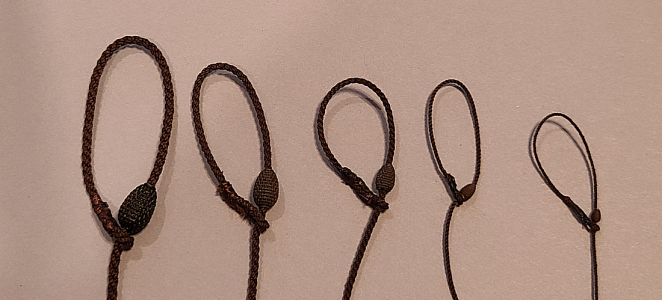
I think most stays are connected via a loop and mouse, at least for each mast's main stay. Here's a link to my carrack build, which used 5 of them in various sizes (to match the rope stays). It also shows how I made them (3D print, actually) and how they're mounted. There's also a link to the STL if you'd like to make some (or have them made): MarisStella Ragusian Carrack by Signet

Mine looked like this:
1781576395262.png

Hope this helps.
 
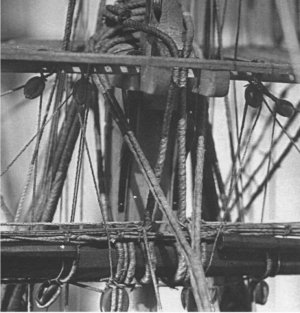
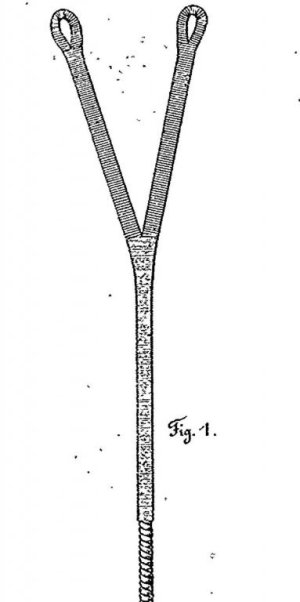
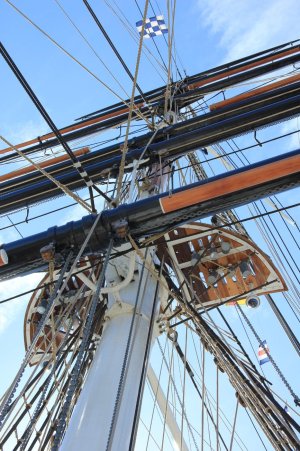
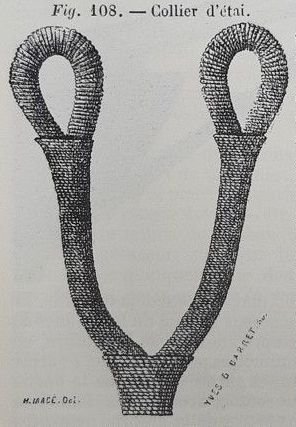
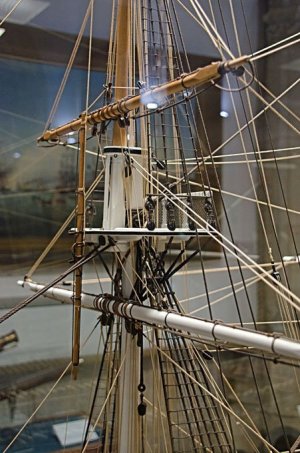
There were no mice on the Terror's stays. The stays had no deadeyes and consisted of two branches. The loop that encircled the masthead was breakaway. The stays were tensioned using backstays.

l2388_001.jpg

l2388_002.jpg

l2388_003.jpg

992517080_GROMAS1.thumb.jpg.413fa7183fcab8ce473d6cadb5e2f2ee.jpg

Atlas_du_Genie_maritime_Auszug_Tafel.thumb.jpg.c144248e70b2b6a5c4f161bed34e5d8f.jpg

Cutty_Sark_26-06-2012_(7471591318).jpg

DSC08583.thumb.jpg.487d81c7310c1183ff571d92ce2d6213.jpg

Manuel_Du_Gabier_Auszug_1875.jpg.f6107f42167aa596e11ae7d411241214.jpg

PdLwLZYhUqQ.jpg

роо.jpg
 
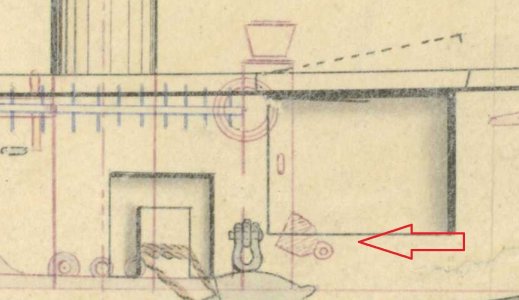
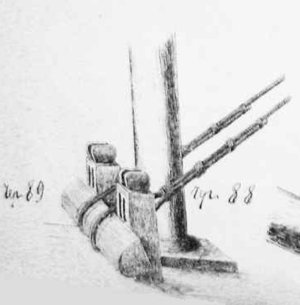
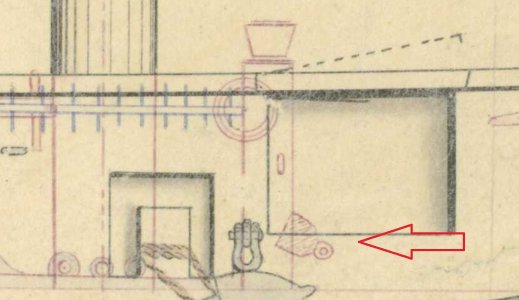
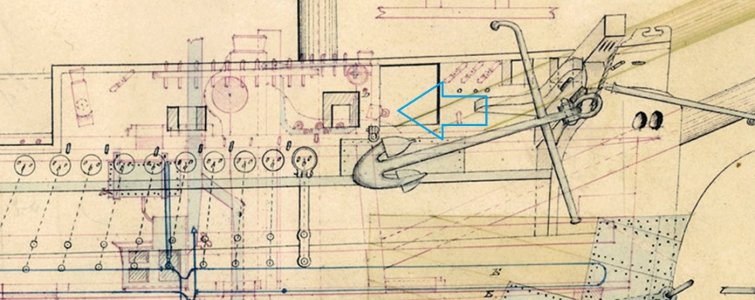
I was late for work and didn't have time to finish the message. Dear Signet! This is how both branches of the mainstay were attached on the Terror since 1836. Forward of the foremast were the bitts, on which the foretopsail sheets were laid. The bitts were connected by a horizontal beam called a crosspiece. This crosspiece had a special slope and a curved front. Each branch curved around the crosspiece and was attached to itself. This is a standard design, confirmed by an archival drawing.

грота-штаг.jpg
роо.jpg
роооо.jpg
 
I was late for work and didn't have time to finish the message. Dear Signet! This is how both branches of the mainstay were attached on the Terror since 1836...
Yeah, thanks. I understood it clearly from your previous photos and drawings. I appreciate all the information. I know nothing of the HMS Terror, except that the original poster was building it and asked about the use of a mouse (mice? mouses?) So I gave him the information I used on my carrack which /did/ use them. Now we both know no mice should be on the ship, only rats. I wonder when they stopped using mice on stays? Just now checked, and Google AI says they stopped using them toward the end of the 19th century. But apparently some ship designs never used them. It was just one method of attaching a stay, after all.
 
Back
Top