

Hello everyone,
Well... they said modeling chemistry was safe!
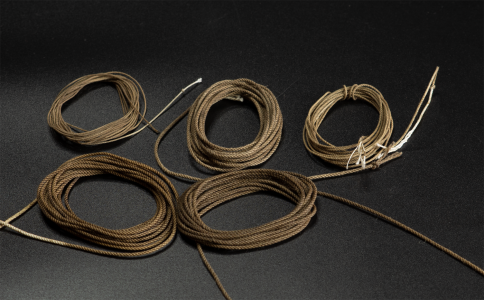
It took some time, but finally, the results are tangible and – most importantly – fully repeatable! Lately, I’ve been focusing on developing my own custom impregnat/stain for ropes to achieve a natural, weathered hemp color, specifically for running rigging.
I must admit, things got a bit wild while working on the mixture itself... As you can see from my "portrait" here, experimenting with temperature and pressure left some distinct marks. But in the end, I managed to tame the process without any permanent damage to my health!
In my opinion, the effect is great, though a smartphone camera or a monitor screen might not fully capture the exact shade. To be clear, this applies exclusively to cotton ropes made on a ropewalk. Unfortunately, polyester ropes cannot be treated with this mixture due to the lack of micropores in synthetic fibers – they simply won't absorb it. This method works only on natural materials.
How do you like this shade? Was it worth sacrificing a bit of my workshop and my "face" for the sake of art? ️
Right now, I am already working on a version for standing rigging (shrouds and stays).
Best regards,
Roman

Well... they said modeling chemistry was safe!
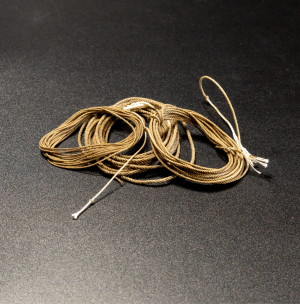
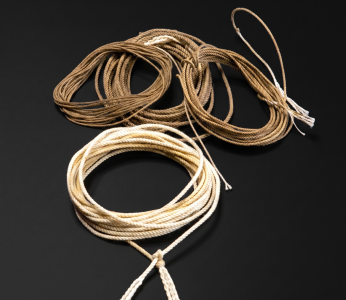
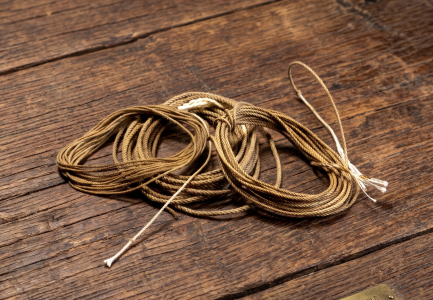
It took some time, but finally, the results are tangible and – most importantly – fully repeatable! Lately, I’ve been focusing on developing my own custom impregnat/stain for ropes to achieve a natural, weathered hemp color, specifically for running rigging.
I must admit, things got a bit wild while working on the mixture itself... As you can see from my "portrait" here, experimenting with temperature and pressure left some distinct marks. But in the end, I managed to tame the process without any permanent damage to my health!
In my opinion, the effect is great, though a smartphone camera or a monitor screen might not fully capture the exact shade. To be clear, this applies exclusively to cotton ropes made on a ropewalk. Unfortunately, polyester ropes cannot be treated with this mixture due to the lack of micropores in synthetic fibers – they simply won't absorb it. This method works only on natural materials.
How do you like this shade? Was it worth sacrificing a bit of my workshop and my "face" for the sake of art? ️
Right now, I am already working on a version for standing rigging (shrouds and stays).
Best regards,
Roman
Last edited: