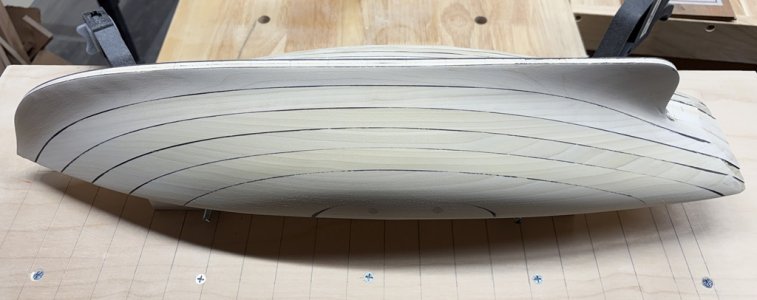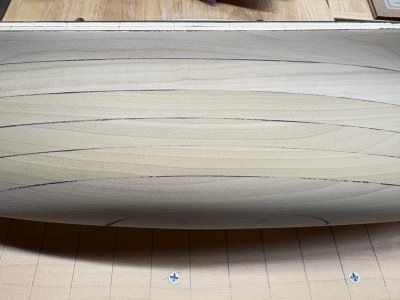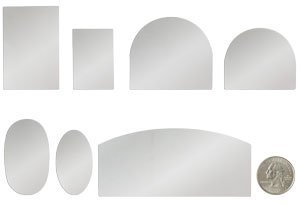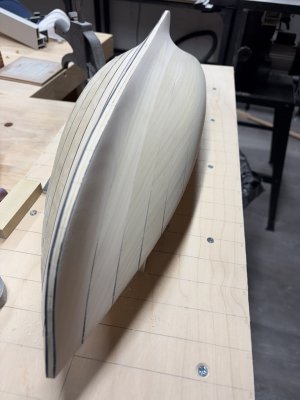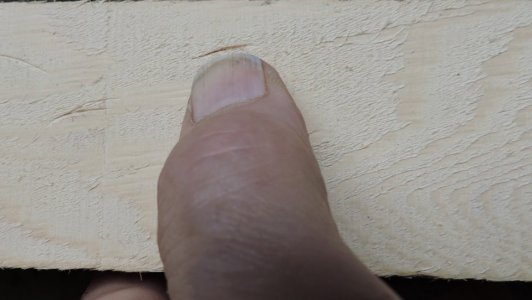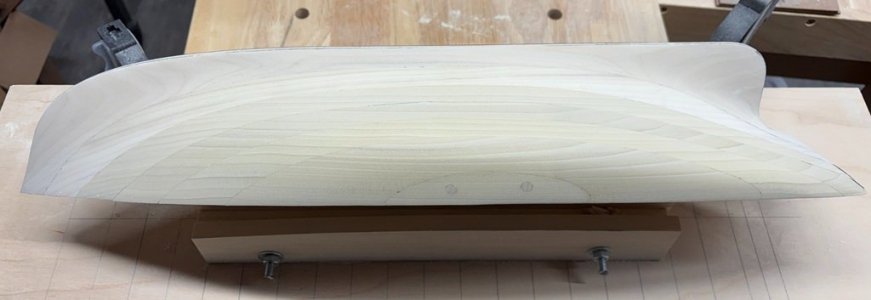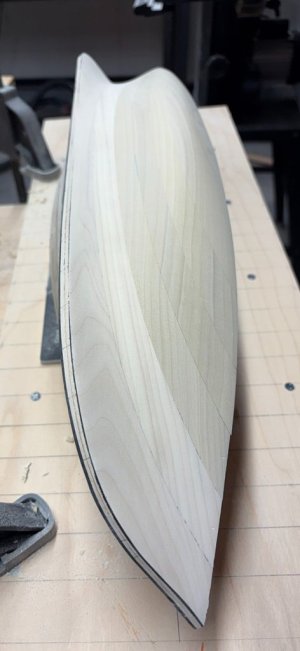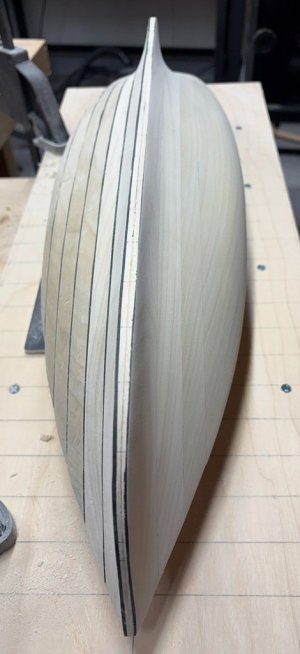


Seems like I'm at one of those modeling dilemmas - do you add certain details, cover them up and feel good they are there; or take the view - if you can't see it does it really matter its not there!
To my way of thinking regarding scale details, "If you can't see it at scale viewing distance, it really matters that it's not there!" I think it's always better to omit a detail than to include one that is over-scale. As for copper sheathed bottoms, depending on the scale, at 1:48 and below certainly, it's not so much a matter of miniaturization, but rather artistry. The object is to very subtly "suggest" detail which invites the viewer's brain, rather than their eyes, to form an impression of the vision the artist intends to convey. Sometimes all it takes is a bit of color or shade mottling to do the trick. The mistake many kit modelers make is letting their brain get ahead of their eyes: "I know these things are separate plates covered with a bunch of nails so I've got to show them." Considering that so many kit builders' experience with viewing coppered hulls comes from the picture of the model on the cover of the box, it's no wonder it's downhill all the way from there.

The ship modeler really should try to follow the lead of fine arts painters in the way they create the impression of depth and distance on a flat canvas by varying colors and the sharpness of details. There's a lot about how to do this in fine arts painting textbooks, as well as online. When it comes to copper sheathed hulls, the modeler should ask himself, "How would an oil painter portray a copper-sheathed hull at the same scale viewing distance on a flat canvas?" (Hint: They would paint what they see at viewing distance, not what it looks like under a magnifying glass.