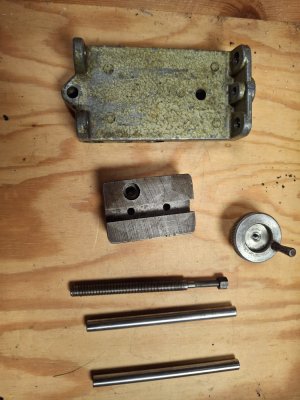
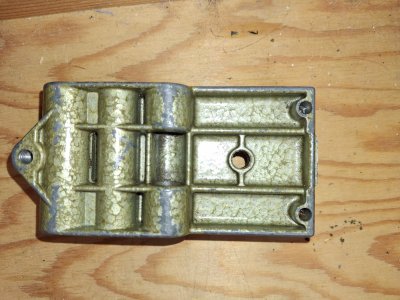
- Joined
- Apr 21, 2018
- Messages
- 978
- Points
- 353

Lots to be found here...

 |
The beloved Ships in Scale Magazine is back and charting a new course for 2026! Discover new skills, new techniques, and new inspirations in every issue. NOTE THAT OUR NEXT ISSUE WILL BE July/August 2026 |
|
 |
As a way to introduce our brass coins to the community, we will raffle off a free coin during the month of August. Follow link ABOVE for instructions for entering. |
|
What's it made of?tailstock riser block on amazon...
Tailstock Riser Block Compatible with EMCO Unimat SL/DB Mini Lathe | Mini lathe height adjustment block for tailstock alignment, compact accessory for hobby machining and small workshop projects - Amazon.com
Tailstock Riser Block Compatible with EMCO Unimat SL/DB Mini Lathe | Mini lathe height adjustment block for tailstock alignment, compact accessory for hobby machining and small workshop projects - Amazon.comwww.amazon.com
Looks 3D printed to me; if so I wouldn't want one.it says plastic.
wa da ya think ur gettin for $25?
but for the light work we do, does it matter?... as long as it aligns.
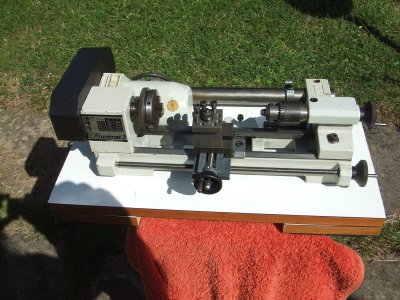
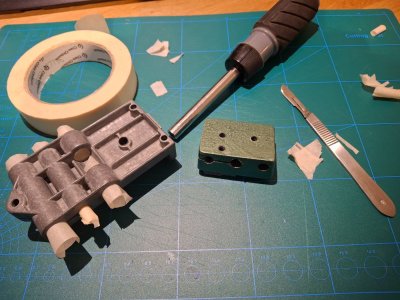
Die casting.Masking and painting the cross slide is fiddly work:
View attachment 642976
Also, the tool post base (?) was actually cast iron rater than the zinc alloy I've found on the other cast parts. Zinc castings are so accurate I'm guessing some sort of lost wax method.
The green piece in the picture. I checked it with a magnet, and the fact that it flash rusted when I removed the paint, suggests it's made from iron.Die casting.
Not sure which part you mean is cast iron; mine were all zinc.
The very early versions of the SL were cast iron, so I suspect yours has mis-matched components, which could possibly explain issues you've been describing.The green piece in the picture. I checked it with a magnet, and the fact that it flash rusted when I removed the paint, suggests it's made from iron.
Sorry, I disagree. I think you got one or the other.Could also be a transition model. Makes sense to use new old stock for parts that are dimensionally equal. Old paint also stuck far harder to the cast iron due to the rough surfaces that were not machined.