
-

SUBSCRIBE TO SHIPS IN SCALE TODAY!
The beloved Ships in Scale Magazine is back and charting a new course for 2026!
Discover new skills, new techniques, and new inspirations in every issue.
NOTE THAT OUR NEXT ISSUE WILL BE MARCH/APRIL 2026 -

Win a Free Custom Engraved Brass Coin!!!
As a way to introduce our brass coins to the community, we will raffle off a free coin during the month of August. Follow link ABOVE for instructions for entering.
You are using an out of date browser. It may not display this or other websites correctly.
You should upgrade or use an alternative browser.
You should upgrade or use an alternative browser.

- Joined
- Apr 28, 2026
- Messages
- 14
- Points
- 48

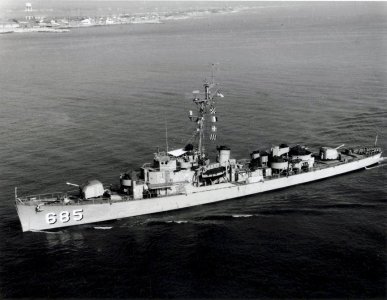
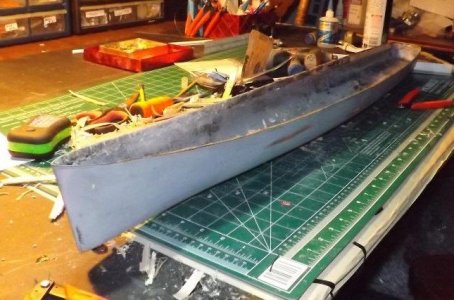
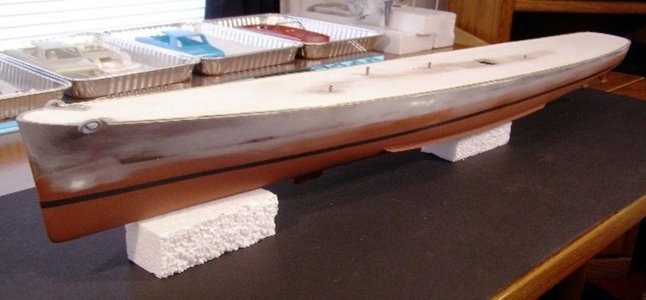
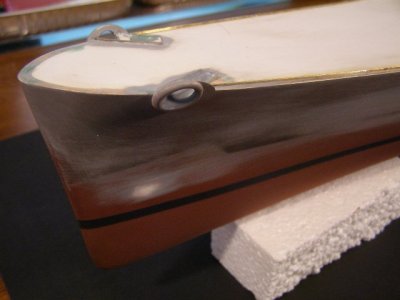
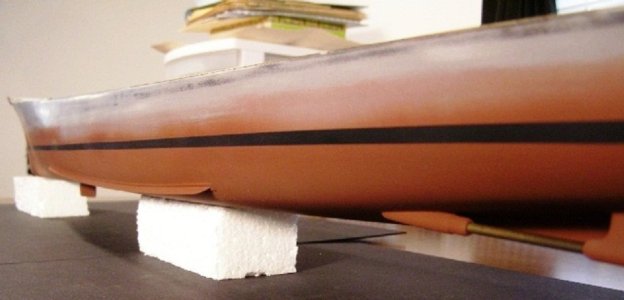
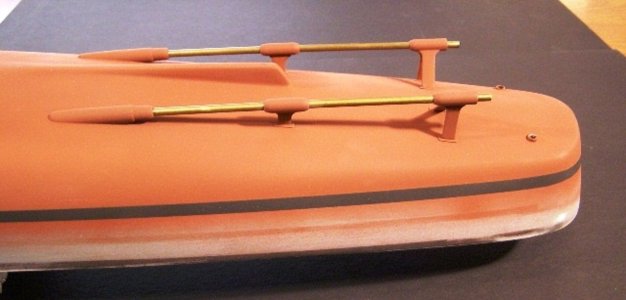
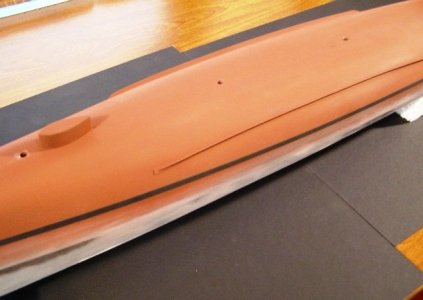
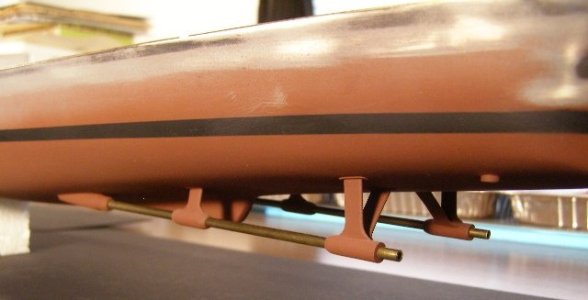
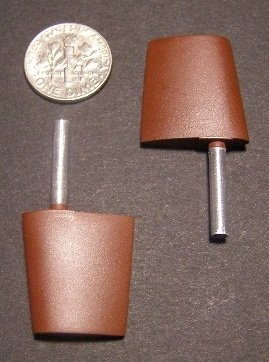
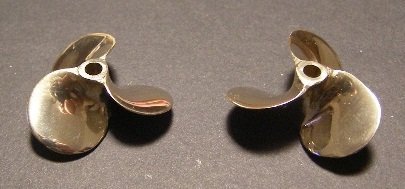
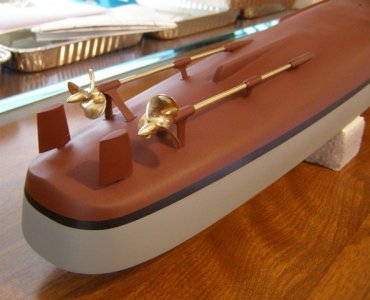
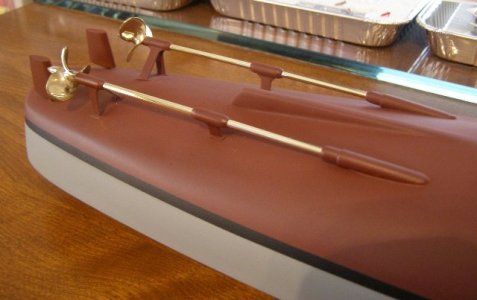
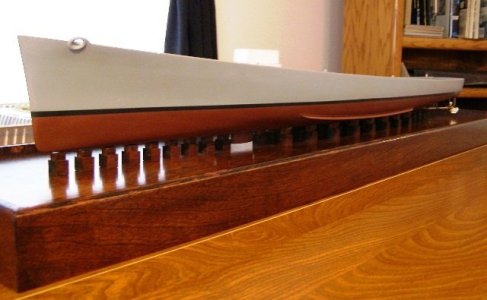
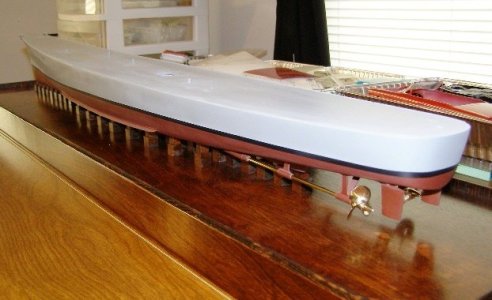
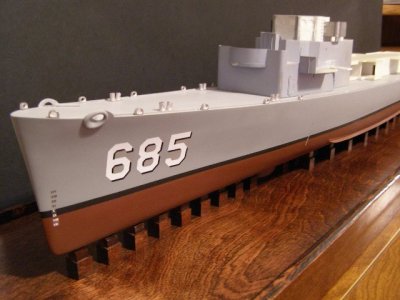
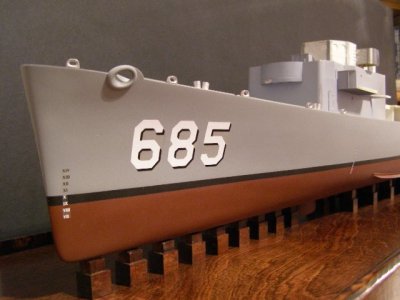
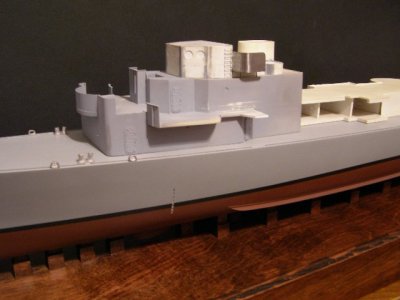
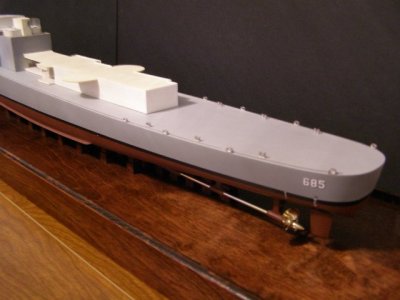
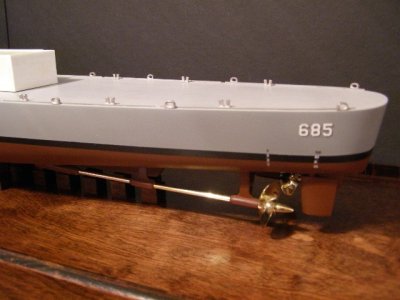
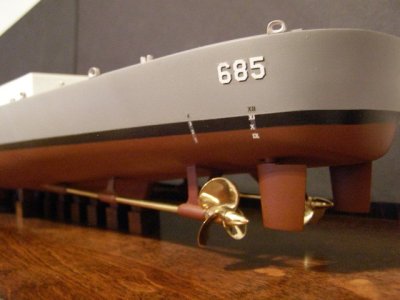
USS Coates DE-685 building progress. Underwater jewelry in place. The screws to me are a part of history. They were made for me by CDR. John Woodward USN at the Longbeach Naval Shipyard. He was in charge of the Propeller Shop, and made lost wax castings, using a scrap piece of manganese bronze. The bronze came from a propeller off a WWll Fletcher class destroyer being scrapped. I do not know which one it was but the history, oceans, possible battles, where these propellers may have been,,,,,

Outstanding!
- Joined
- Apr 28, 2026
- Messages
- 14
- Points
- 48
Thank youOutstanding!
- Joined
- Jun 29, 2024
- Messages
- 1,776
- Points
- 488

Very nice! How did you make the hull? Do you have a docking plan for those drydock blocks? Don’t want o break her back!
Roger
Roger
- Joined
- Apr 28, 2026
- Messages
- 14
- Points
- 48
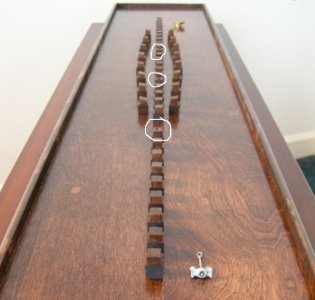
Thank you, I made a plank on frame hull from ship's plans. At the same time a friend was starting to do the same for a business. Making a plug then a one piece fiberglass hull from that. The decking I made from 1/8" styrene and sealed it with Dupont Corvette body filler that would not shrink. The Keel blocks were made from Cherry wood and arranged by the ships docking plan. I used 3 machine screws through the base mating with machine nuts secured in the hull. This makes a secure mount and can be removed if required.Very nice! How did you make the hull? Do you have a docking plan for those drydock blocks? Don’t want o break her back!
Roger


That’s superb work. Well done so far.
- Joined
- Apr 28, 2026
- Messages
- 14
- Points
- 48
Thank youThat’s superb work. Well done so far.

- Joined
- Mar 14, 2026
- Messages
- 192
- Points
- 88

Wow, looks incredibly sharp!
That must have been a lot of polishing work!
That must have been a lot of polishing work!
- Joined
- Apr 28, 2026
- Messages
- 14
- Points
- 48
Thank you, the screw is bronze, I turned the brass cones in lathe. I was suprised that I was able to polish the two metals to the same finish.Wow, looks incredibly sharp!
That must have been a lot of polishing work!
- Joined
- Jun 29, 2024
- Messages
- 1,776
- Points
- 488
Very nice!
- Joined
- Apr 28, 2026
- Messages
- 14
- Points
- 48
Thank youVery nice!

- Joined
- Apr 19, 2020
- Messages
- 182
- Points
- 213
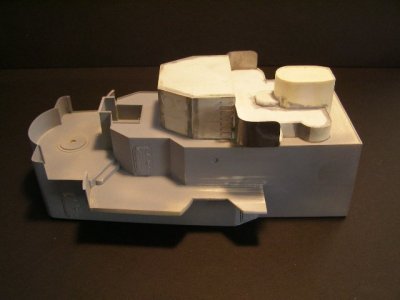
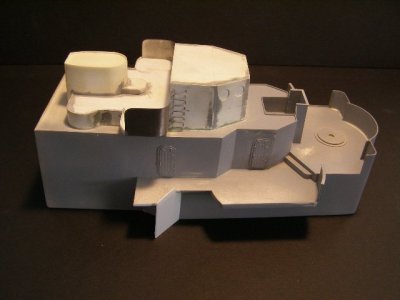
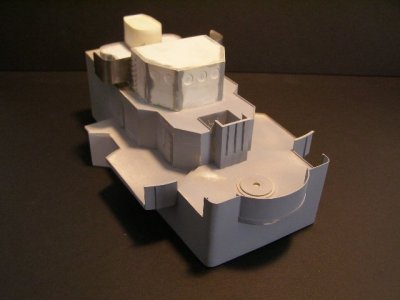
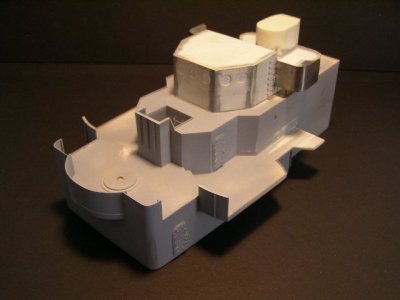
The construction rate is impressive, given this good quality. 
I wonder how similar the Rudderow class is in detail to the Buckley class and the John C. Butler class?
I wonder how similar the Rudderow class is in detail to the Buckley class and the John C. Butler class?
- Joined
- Apr 28, 2026
- Messages
- 14
- Points
- 48
The construction rate was years with many breaks in between. The Rudderow class uses the same hull as the Buckley & JC Butler class. The structures above deck are very different on Buckley, and only similar to Butler. My circa is early to mid 60'sThe construction rate is impressive, given this good quality.
I wonder how similar the Rudderow class is in detail to the Buckley class and the John C. Butler class?
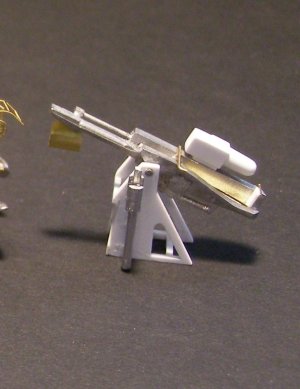
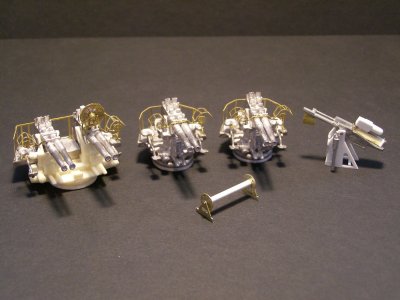
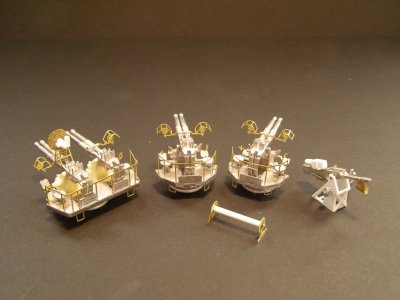
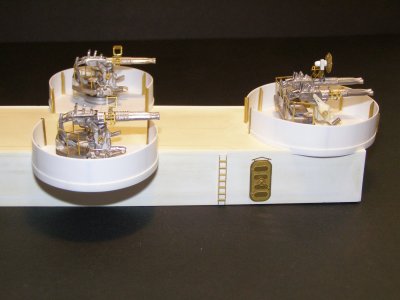
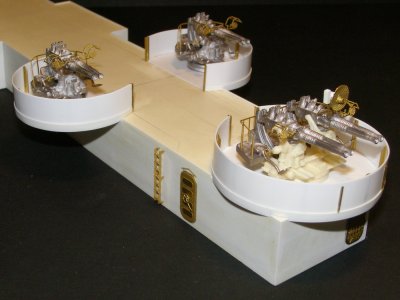
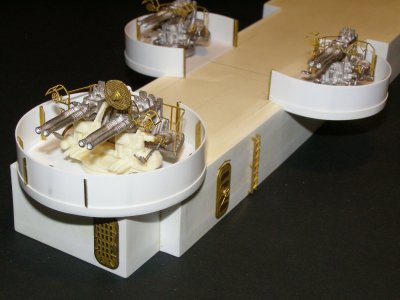
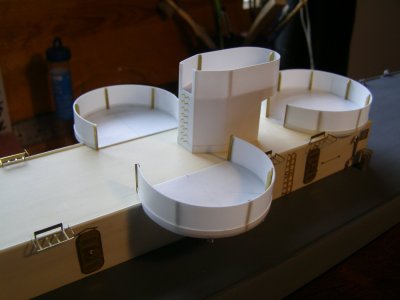
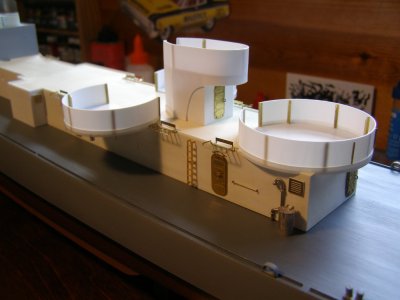
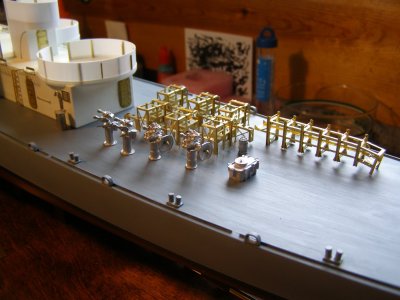
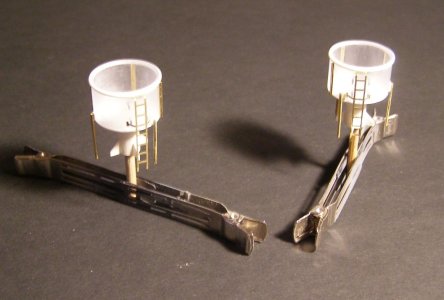
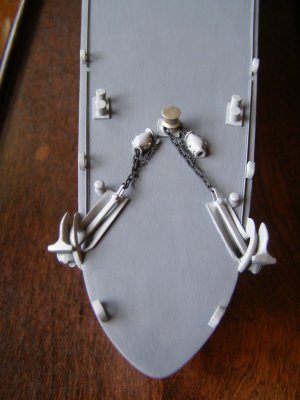


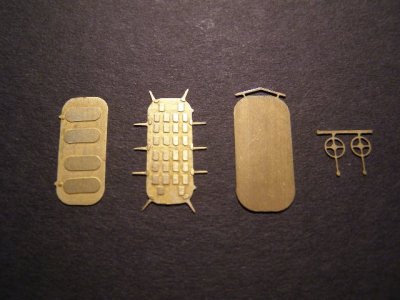
Your parts fabrication is truly impressive — outstanding work!