• Win a Free Custom Engraved Brass Coin!!!
    As a way to introduce our brass coins to the community, we will raffle off a free coin during the month of August. Follow link ABOVE for instructions for entering.
  • SUBSCRIBE TO SHIPS IN SCALE TODAY!

    The beloved Ships in Scale Magazine is back and charting a new course for 2026!
    Discover new skills, new techniques, and new inspirations in every issue.

    NOTE THAT OUR NEXT ISSUE WILL BE MARCH/APRIL 2026

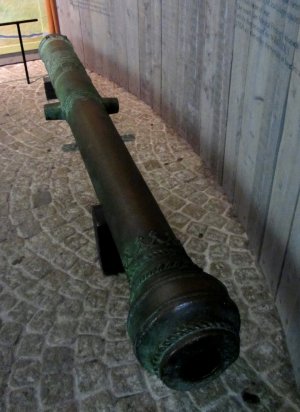
Vasa Swedish Warship cannon

Joined
Mar 9, 2022
Messages
59
Points
88

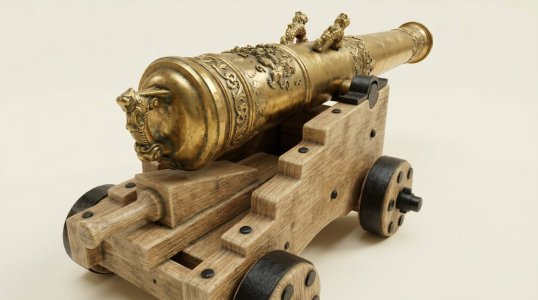
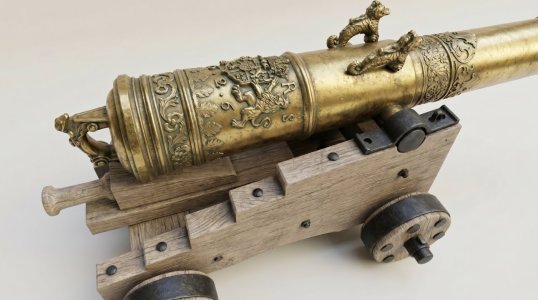
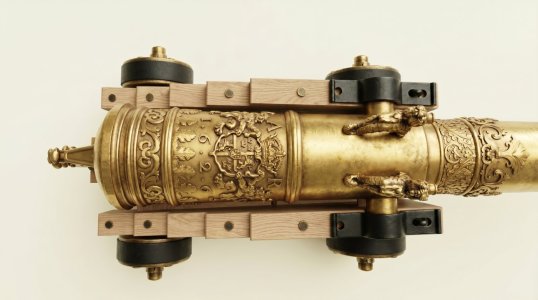
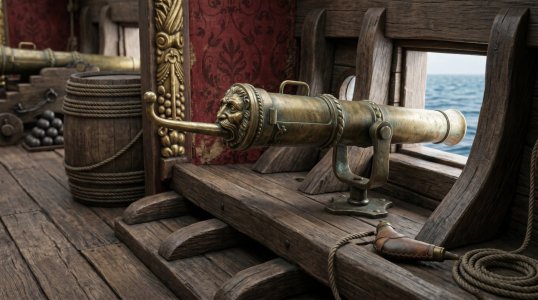
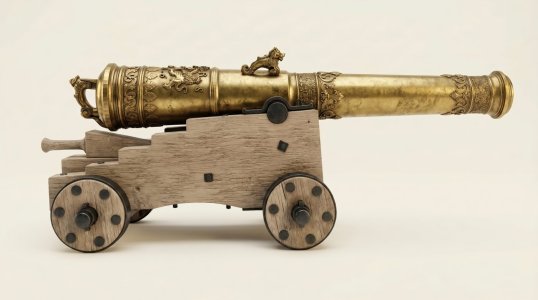
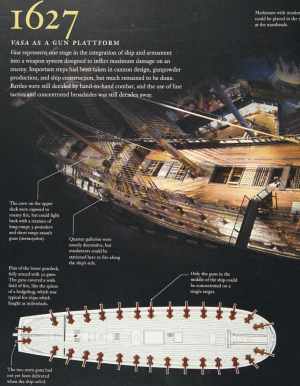
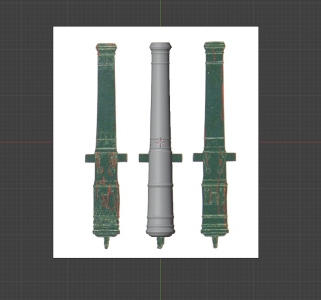
Hello friends, the 3D design of the VASA cannons is available, including the design of the main gun and the gallery gun.


cannon vasa 18.jpgcannon vasa 19.jpgcannon vasa 13.jpgcannon vasa.jpgcannon vasa 12.jpg
 
Man, I hate to do this, but here goes.

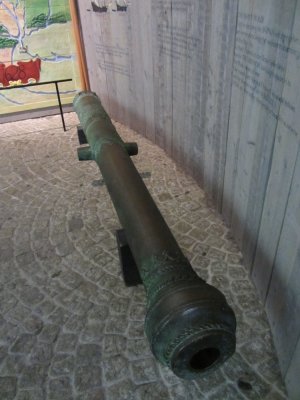
The quality of the digital modelling here is excellent, in fact the crispness and depth of relief in the decorative elements is of much higher quality than on the real guns! With that said, there is a lot of difference between this model and the actual objects found on the ship. Not sure what sort of information the modeller had available. Here is a short list of some things that do not agree.
1. Overall gun proportions are off in a few places.
2. Decorative elements on the tube do not agree with the originals (although they are brilliantly modelled).
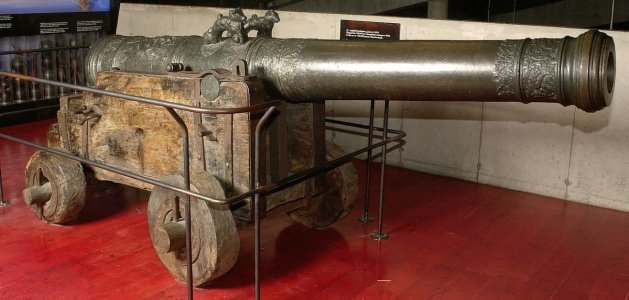
3. Carriage is not constructed like the original and lacks key features (hole for the breeching, hooks for the train/breeching tackles).
4. Trucks are too small and should not have iron tires or the six big bolts; they should have a flat ring nailed to the outer face.
5. Trunnions do not sit deeply enough in the cheeks and the iron recoil pad is missing.
6. Vasa's 24-pounders did not have quoins for elevation adjustment, they had a fixed rest in the form of an oak bar about 9 cm square that sat on the steps in the cheeks.

Vasa was not issued any swivels (the Swedish navy had largely quit using swivels on sailing vessels by the mid-1620s; galleys still carried them). There are four mounting holes and ports for swivels in the transom, so one could imagine that the ship could carry them, but there were none on board when the ship sailed. No idea where the pattern for this model comes from.

With all that said, I think it would be great if someone could offer a 3d print file for the 24-pounders, and we would be happy to help that idea be a success. We have abundant detailed drawings of the tubes, carriages, and loading equipment, including digital files of the basic shapes that could save a lot of time in the modelling process. If the maker will contact me directly, I would be happy to provide all the information they need; they clearly have the modelling skills!

Fred
 
Hombre, odio hacer esto, pero allá voy.

La calidad del modelado digital es excelente; de hecho, la nitidez y la profundidad del relieve en los elementos decorativos son de mucha mayor calidad que en los cañones reales. Dicho esto, existen muchas diferencias entre este modelo y los objetos reales encontrados en el barco. No estoy seguro de qué tipo de información tenía disponible el modelista. Aquí hay una breve lista de algunas cosas que no coinciden.
1. Las proporciones generales del arma son incorrectas en algunos puntos.
2. Los elementos decorativos del tubo no coinciden con los originales (aunque están magníficamente modelados).
3. El afuste no está construido como el original y carece de características clave (agujero para la recámara, ganchos para el tren/arneses de recámara).
4. Los camiones son demasiado pequeños y no deberían tener neumáticos de hierro ni los seis pernos grandes; deberían tener un anillo plano clavado en la cara exterior.
5. Los muñones no se asientan lo suficientemente profundo en las mejillas y falta la cantonera de retroceso de hierro.
6. Los cañones de 24 libras de Vasa no tenían cuñas para ajustar la elevación, tenían un apoyo fijo en forma de una barra de roble de unos 9 cm cuadrados que se apoyaba en los escalones de las mejillas.

A Vasa no se le suministraron eslingas giratorias (la armada sueca había dejado de usarlas en veleros a mediados de la década de 1620; las galeras aún las llevaban). Hay cuatro orificios y puertos de montaje para eslingas giratorias en el espejo de popa, por lo que cabría suponer que el barco podía llevarlas, pero no había ninguna a bordo cuando zarpó. Se desconoce el origen del patrón de este modelo.

Dicho esto, creo que sería genial si alguien pudiera ofrecer un archivo de impresión 3D para los modelos de 24 libras, y estaríamos encantados de ayudar a que esa idea se haga realidad. Contamos con abundantes planos detallados de los tubos, carros y equipos de carga, incluyendo archivos digitales de las formas básicas que podrían ahorrar mucho tiempo en el proceso de modelado. Si el fabricante se pone en contacto conmigo directamente, con gusto le proporcionaré toda la información que necesite; ¡claramente tiene las habilidades de modelado!

Fred


Gracias por la aclaración y tu comentario. De hecho, lo saqué del libro que creo que escribiste, y de otra información que encontré en libros, aunque no hay muchas imágenes detalladas, ya que las disponibles están muy dañadas por el agua y el paso del tiempo. Lo hice lo más parecido posible al original. Sé que el afuste no es de esa época; lo saqué de otro diseño que hice para un cañón diferente del siglo XIX.


1776543261971.png
1776543285737.png
1776543303197.png
1776543353436.png
1776543409524.jpg
 
That makes sense, the tube is much closer to the original than the carriage. If you will contact me by email (fred.hocker@statensmuseermtf.se), I am happy to provide all the information you will need for an accurate model that will do justice to your amazing modelling skills.

Fred
 
Back
Top