



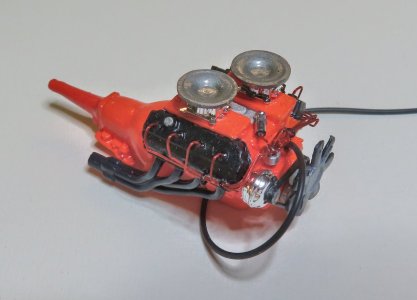
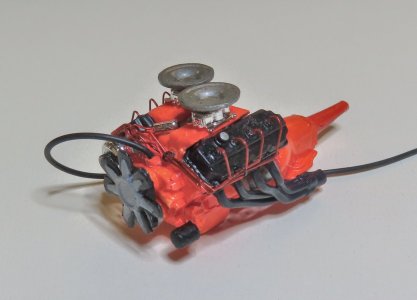
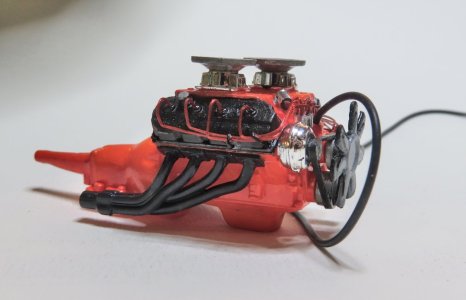
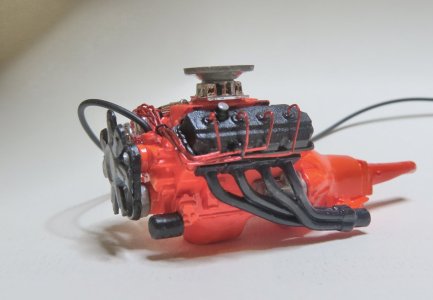
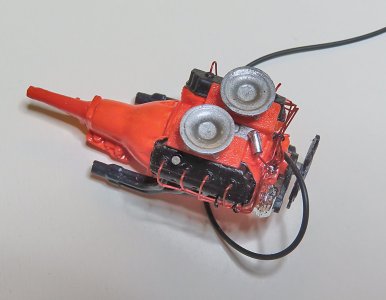
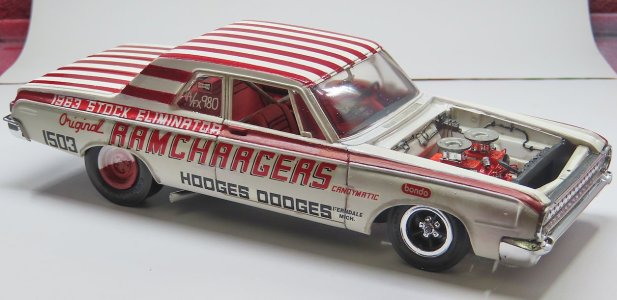
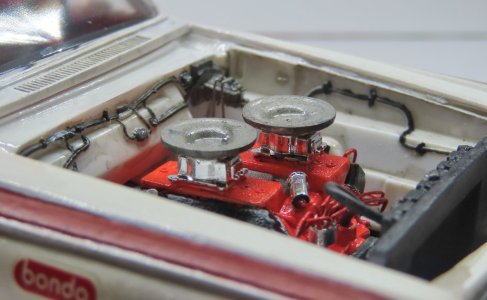
Ok, so the Engine is finished after about 20 hours of work. I think it turned out pretty good. The Radiator Hose will be trimmed.

 |
The beloved Ships in Scale Magazine is back and charting a new course for 2026! Discover new skills, new techniques, and new inspirations in every issue. NOTE THAT OUR NEXT ISSUE WILL BE July/August 2026 |
|
 |
As a way to introduce our brass coins to the community, we will raffle off a free coin during the month of August. Follow link ABOVE for instructions for entering. |
|
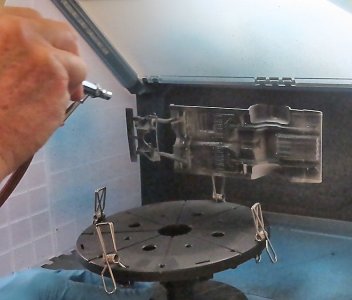
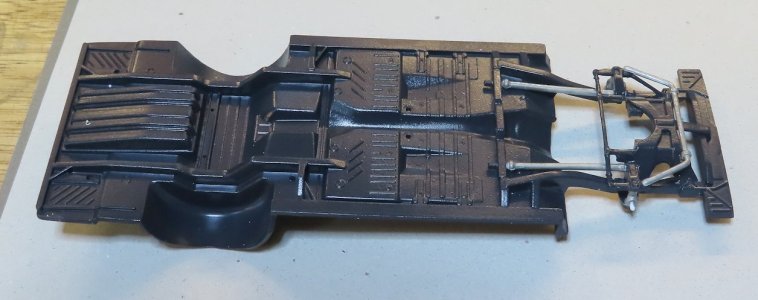
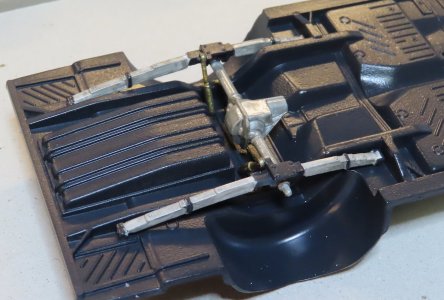
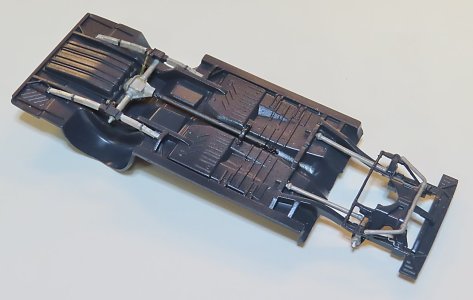
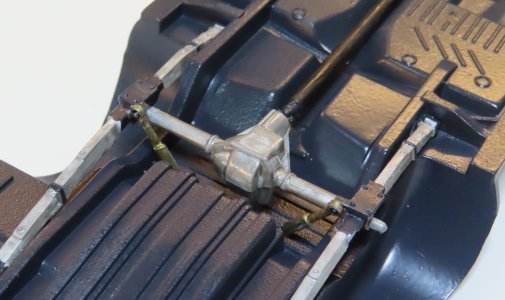
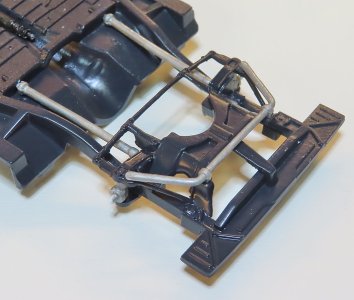
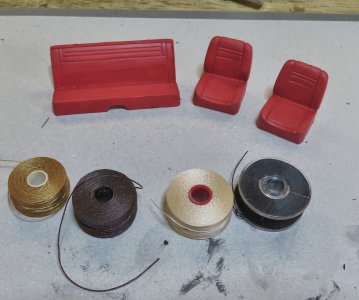
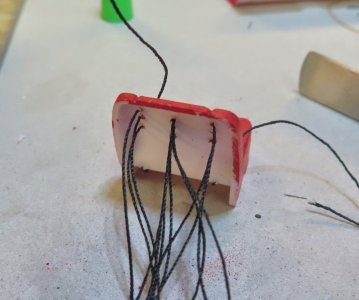
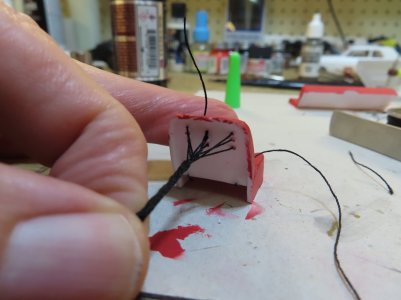
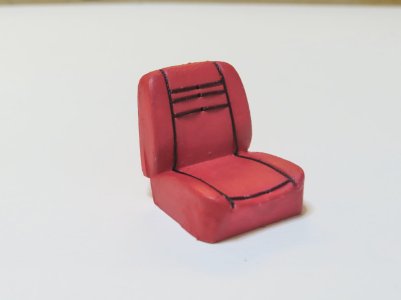
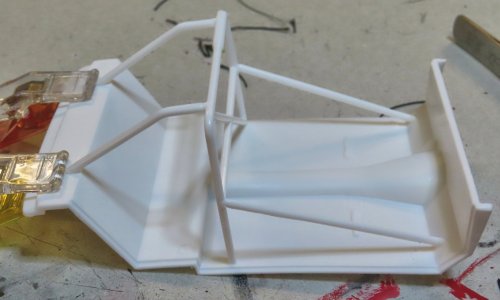
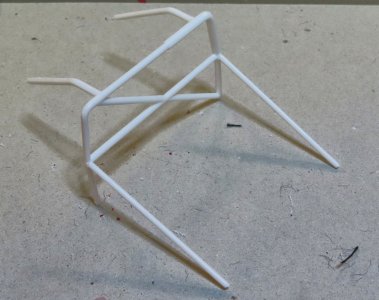
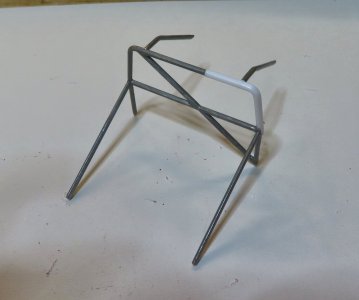
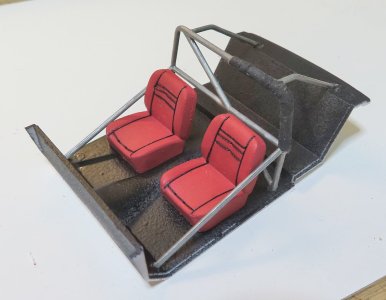
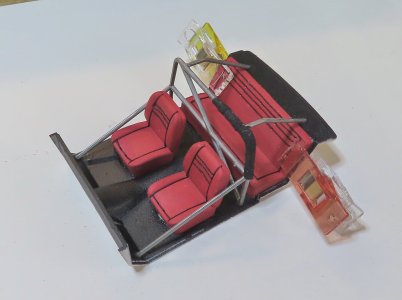
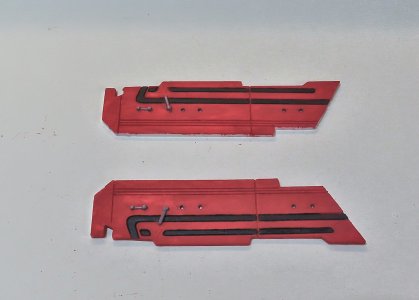
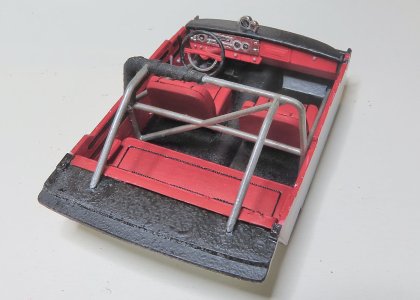
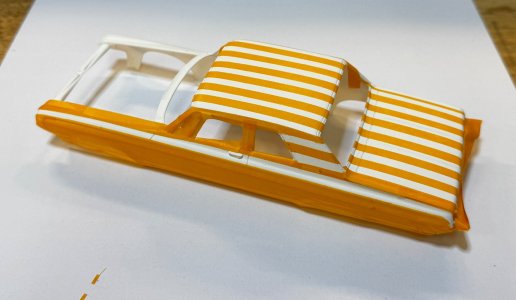
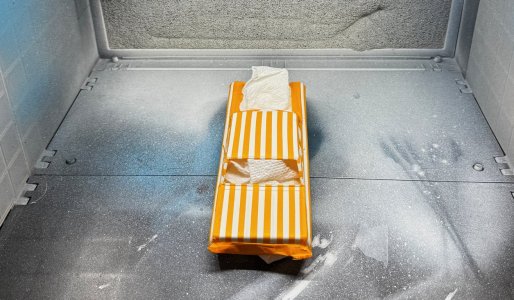
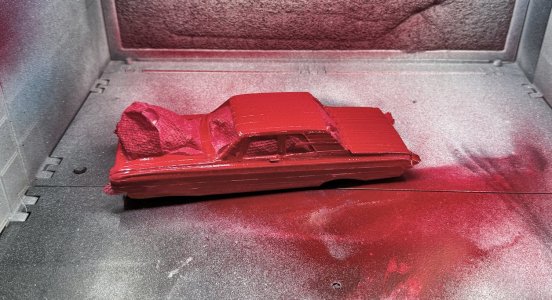

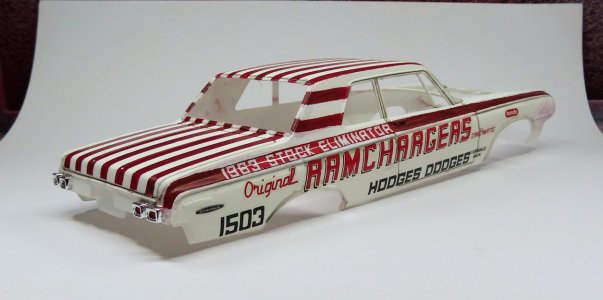
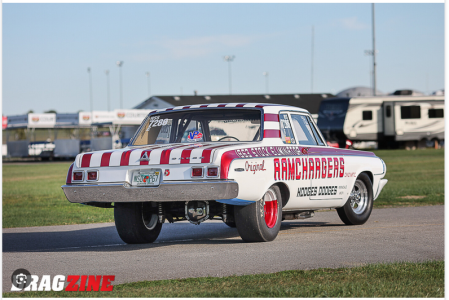

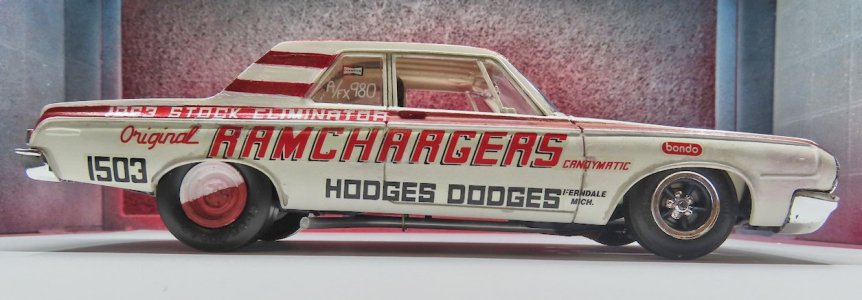
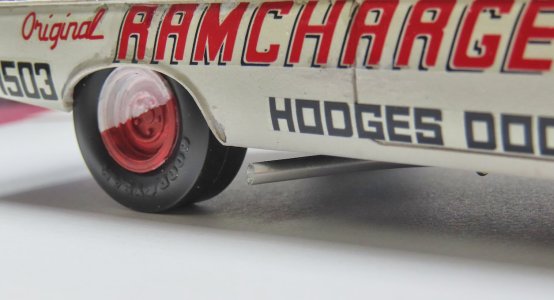
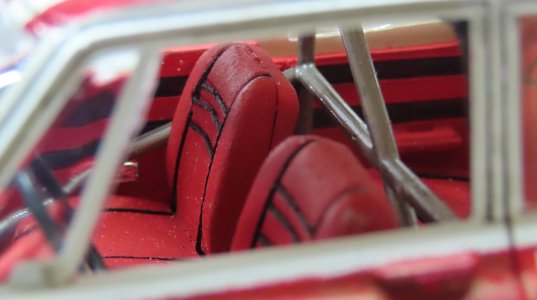
You see the imperfections, Donnie. I see a very nice very representative paint-job.Well, this is as good as I can get it. The camera don't lie either - I can see many paint imperfections, but lets just say that it has been in a few races and has a worn effect. Next are the wheels and body-chassis marriage.


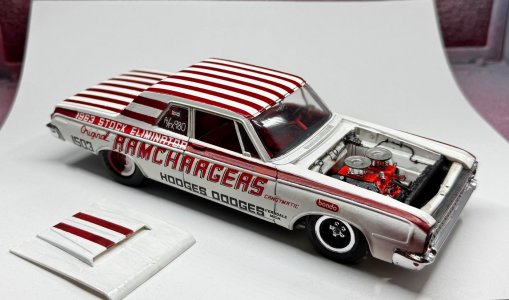


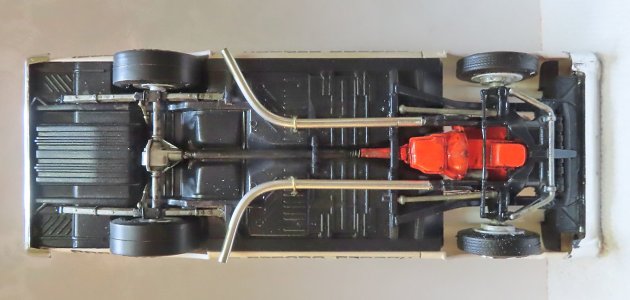
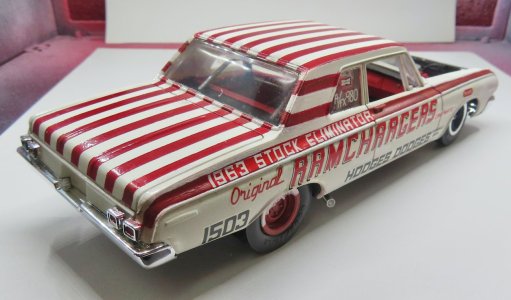
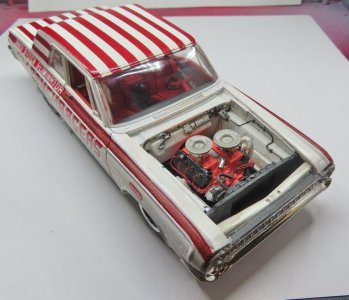
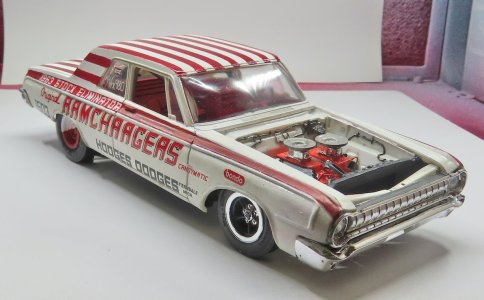

At least you weren't trying to sniff the glue! I think I wound up inhaling too much over the years of plastic modeling.In the early days of racing there wasn't much 'graphic design', "You Run What You brung." The emphasis was on making your car go faster than the other guy's. And if you were successful, then you could afford to make the car pretty. Ramchargers was one of the first forays using of graphics to get noticed at the track and performance and winning racing afforded them the luxury of graphic paintjobs. Like the old wooden ships on this sight, the hard part was getting them to float, then the captain could spend time at sea directing the crew to make the ship aesthetically pleasing. Like my old post on here about America's Cup racing, that came later and served as bragging rights over which boat and crew was faster. Back when I was a kid, I assembled models of dream cars on a budget, all I had was what was in the box. Donnie, your work on this old racecar is above and beyond what I was able to do. Overall, you've done this old car proud! The patina is what's important for the period the real car was constructed. Your attention to detail on all your builds is far beyond that of most builders. Again, as a kid, my number one goal was to get the glue off my fingers.