- Joined
- Dec 5, 2022
- Messages
- 1,159
- Points
- 443

Hey Naima,
Here are roughly the dimensions of a 30-gun frigate (English).
A typical English 30-gun frigate of the late 17th and early 18th centuries (usually classified as a ‘Fifth Rate’ or a ship of the 5th rank) had a very low headroom on the main gun deck of only about 1.52 to 1.65 metres (approx. 5 feet to 5 feet 5 inches). As this type of ship was built extremely flat and narrow at that time to achieve maximum speed and manoeuvrability, the space below deck was even more drastically confined than on the large ships of the line or the bulbous East Indiamen.
The deck layout of a 30-gun frigate
The Upper Deck (main battery deck): On early frigates (prior to the major reforms from 1745 onwards), this is where the main guns (usually 6- or 9-pounders) were mounted. The headroom was rarely more than 1.60 metres. The gunners had to work in a crouched position at all times whilst manoeuvring the guns.
The Lower Deck: This deck lay just above, or in some cases even below, the waterline. In this era, on 30-gun ships, it often carried no or only very few light guns and served primarily as sleeping quarters for the crew of around 120 to 150 men. The headroom here was often less than 1.50 metres – tall men could only move about on all fours or by leaning heavily forwards.
The quarterdeck and the captain’s cabin: it was only at the rear of the ship, beneath the raised quarterdeck, that there was a little more space. The headroom in the officers’ quarters there was, after all, just under 1.75 to 1.80 metres.
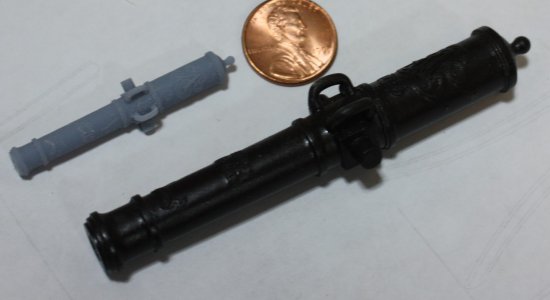
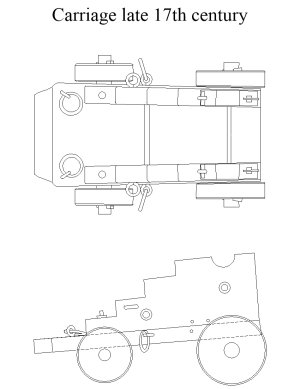
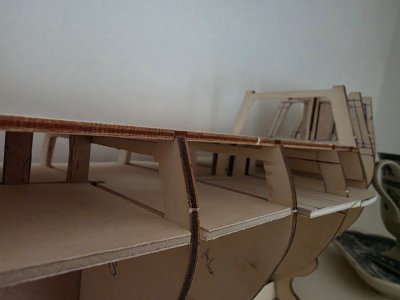
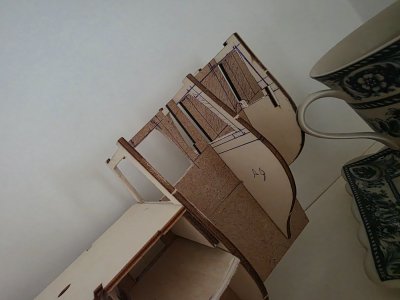
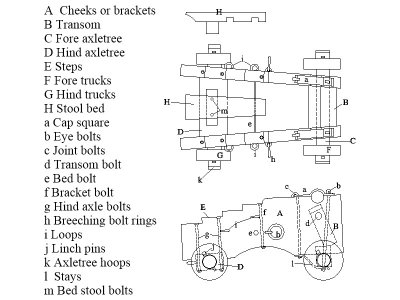
The best thing to do, though, is to mount a cannon on a carriage, secure it to the deck and use the side with the gun ports. Then you’ll be able to see whether the guns are positioned too high or too low. If they’re too low, you won’t be able to attach the side wall without adjusting the carriage …
Here are roughly the dimensions of a 30-gun frigate (English).
A typical English 30-gun frigate of the late 17th and early 18th centuries (usually classified as a ‘Fifth Rate’ or a ship of the 5th rank) had a very low headroom on the main gun deck of only about 1.52 to 1.65 metres (approx. 5 feet to 5 feet 5 inches). As this type of ship was built extremely flat and narrow at that time to achieve maximum speed and manoeuvrability, the space below deck was even more drastically confined than on the large ships of the line or the bulbous East Indiamen.
The deck layout of a 30-gun frigate
The Upper Deck (main battery deck): On early frigates (prior to the major reforms from 1745 onwards), this is where the main guns (usually 6- or 9-pounders) were mounted. The headroom was rarely more than 1.60 metres. The gunners had to work in a crouched position at all times whilst manoeuvring the guns.
The Lower Deck: This deck lay just above, or in some cases even below, the waterline. In this era, on 30-gun ships, it often carried no or only very few light guns and served primarily as sleeping quarters for the crew of around 120 to 150 men. The headroom here was often less than 1.50 metres – tall men could only move about on all fours or by leaning heavily forwards.
The quarterdeck and the captain’s cabin: it was only at the rear of the ship, beneath the raised quarterdeck, that there was a little more space. The headroom in the officers’ quarters there was, after all, just under 1.75 to 1.80 metres.
The best thing to do, though, is to mount a cannon on a carriage, secure it to the deck and use the side with the gun ports. Then you’ll be able to see whether the guns are positioned too high or too low. If they’re too low, you won’t be able to attach the side wall without adjusting the carriage …



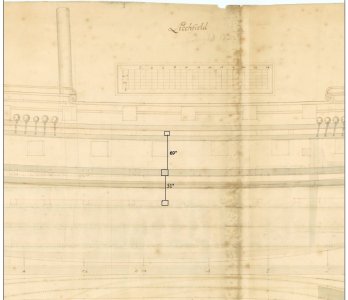
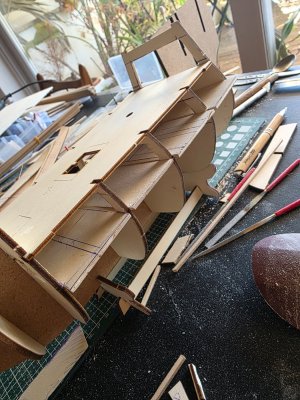
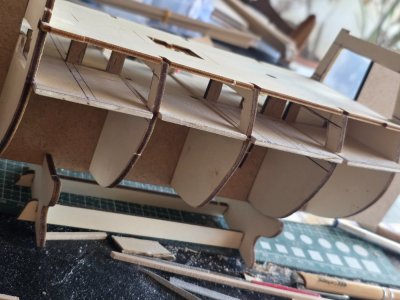
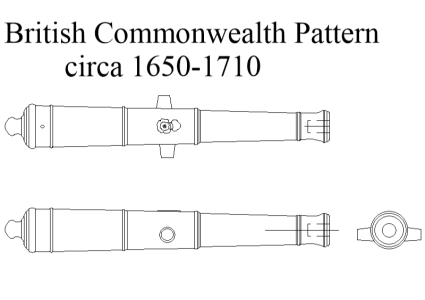
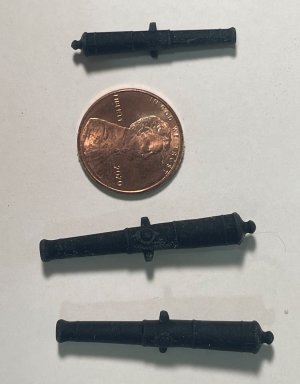
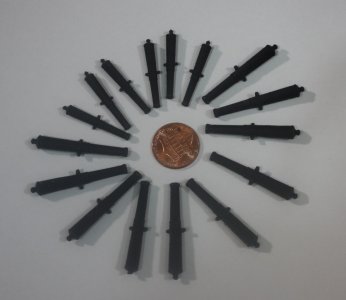

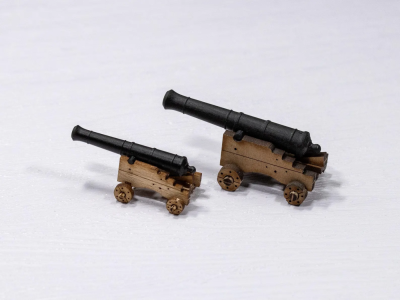
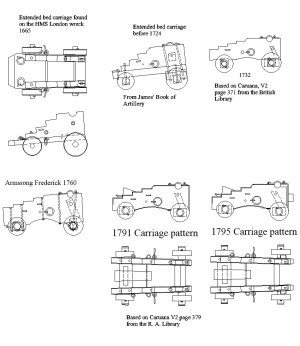
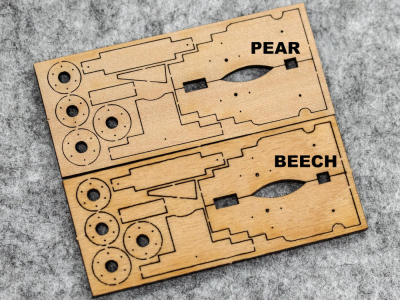
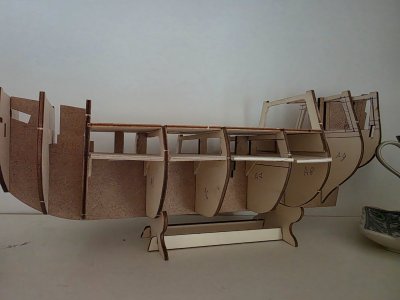
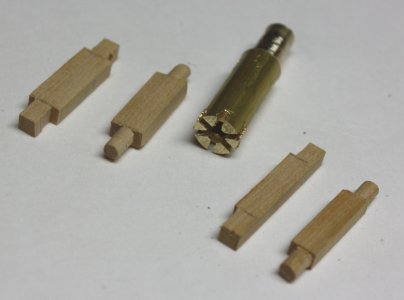
 Sorry but what is 25mm scale. If it is the system of mm to the height of a standing person it would be a scale of about 1:64. Details at 1:64 are easily noticeable. The ones in the photos above are 1:64.