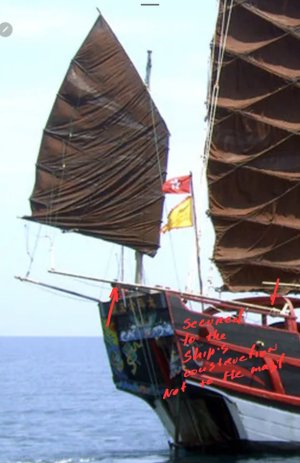
Good day John
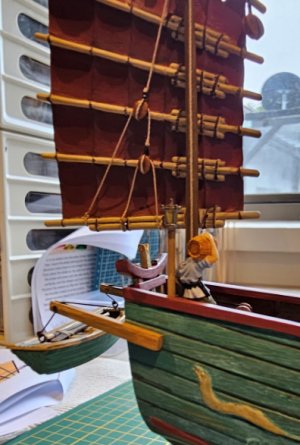
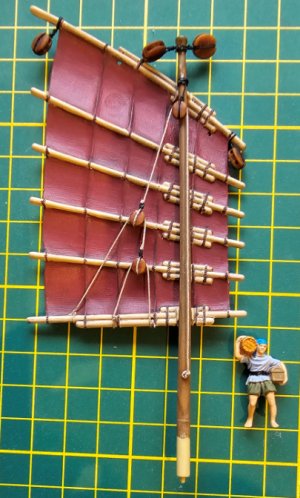
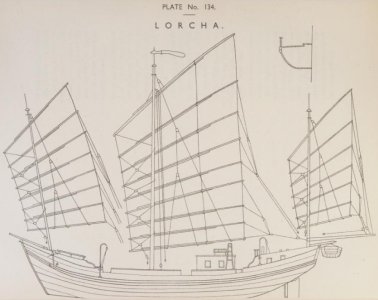
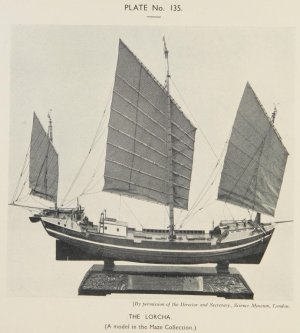
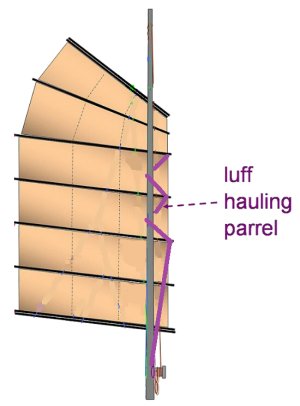
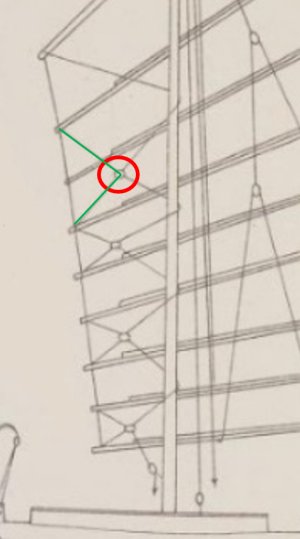
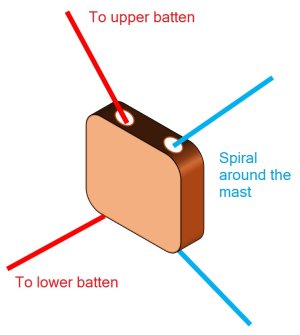
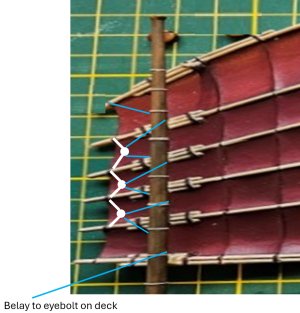
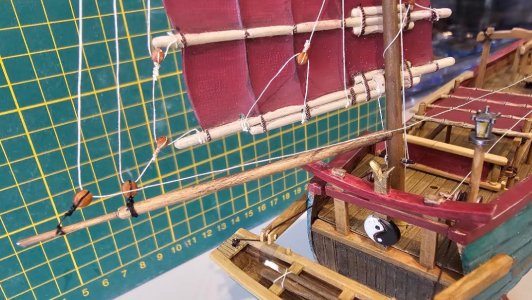
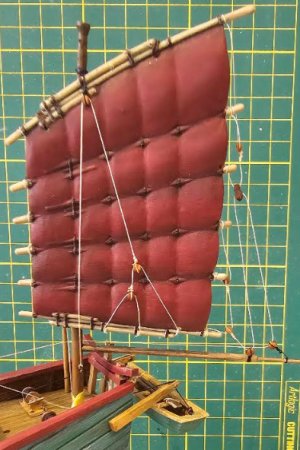
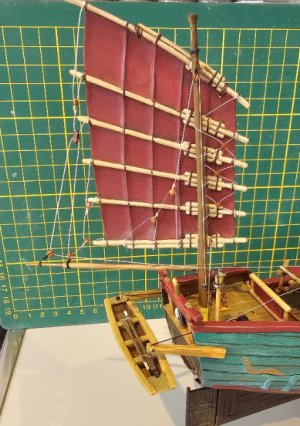
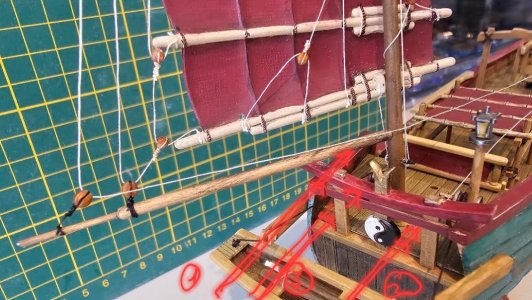
I didnt think before You start your " junk " project that it could be interesting , but later reading some articles about chineese shipbuilding history I realized that " chineese junk" is a kind of technology perfection fo ancient time and they used to built perfect vessels already in that time while in Europe shipbuilding was in the begining of its later glory...and china style rigging it is something spec8fic and very functional system / no analogy in europe rigging tradition!
there are a few intersting fact
«The most significant innovation in Chinese shipbuilding was the watertight bulkhead... This feature, known to the Chinese by the Han dynasty and universally employed by the Sung, was not adopted in Europe until the eighteenth century. It rendered the ship virtually unsinkable in the event of localized hull damage — a concept utterly foreign to medieval European shipwrights.»
— Needham, J. (1971). Science and Civilisation in China, Vol. 4, Part 3: Civil Engineering and Nautics. Cambridge University Press, p. 517.
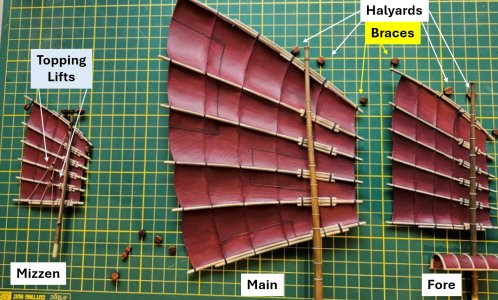
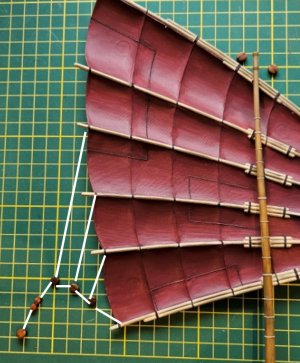
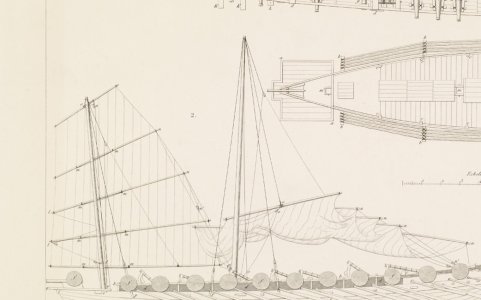
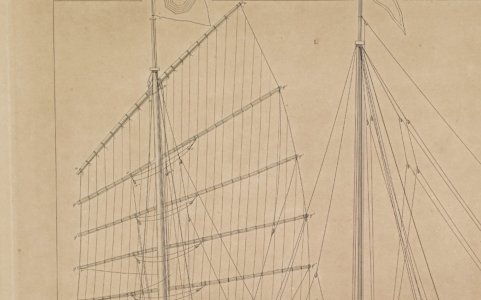
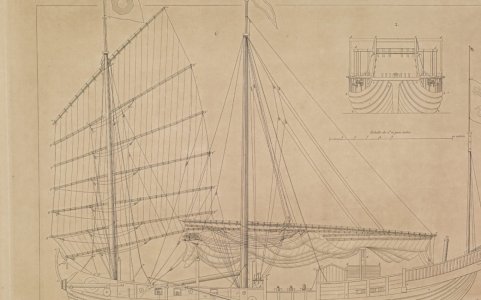
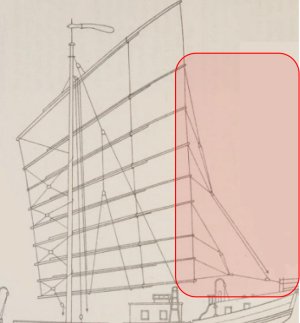
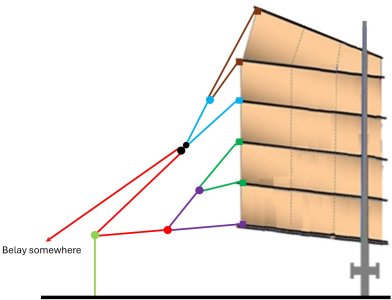
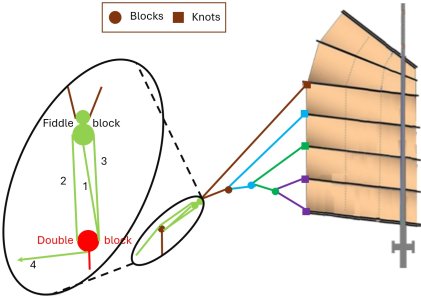
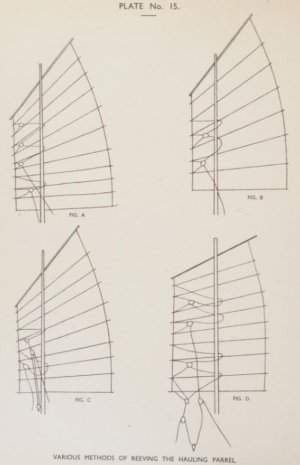
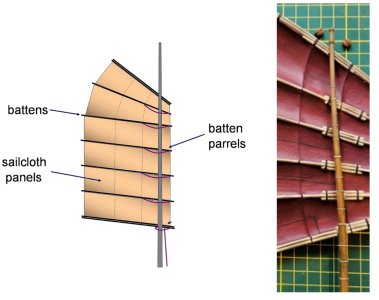
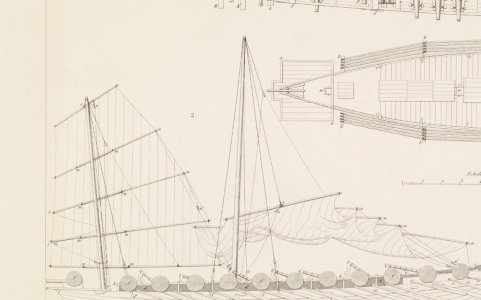
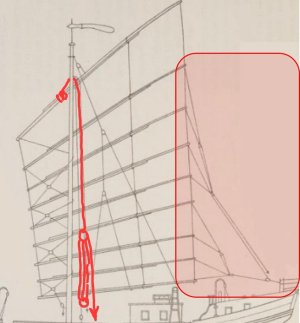
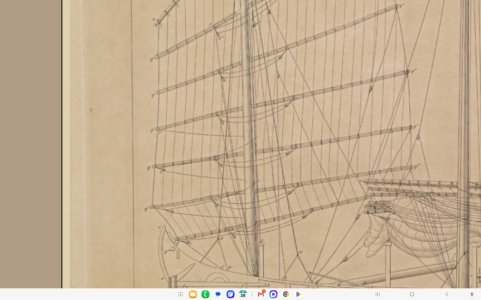
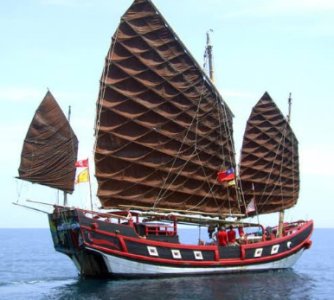
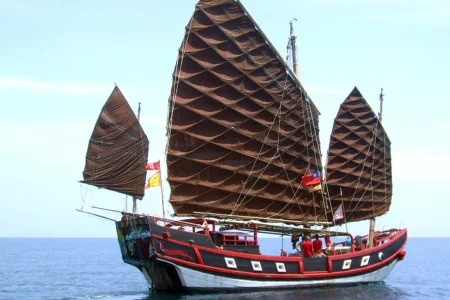
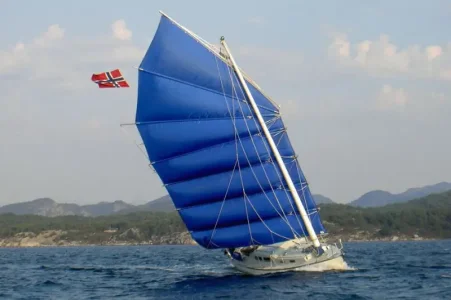
«The Chinese junk’s rigid lugsail, supported by bamboo spars and adjustable in segments, permitted efficient sailing against the monsoon winds with minimal crew. Unlike European square sails, which required large crews to haul and reef, the junk’s sail could be trimmed by one or two men even in heavy weather.»
— Ibid., p. 532.
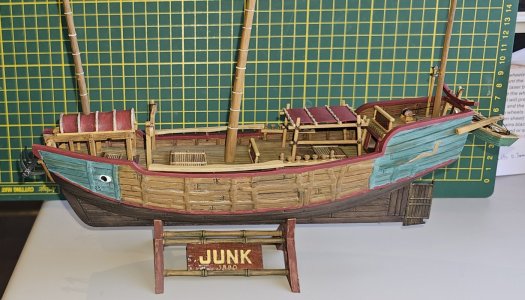
«The hull construction of the junk was based on the principle of ‘segmented integrity’: each watertight compartment acted not only as a buoyancy chamber but also as a structural rib, stiffening the entire frame without the need for internal keelsons or heavy framing. This made the junk lighter, more flexible, and far more resilient to torsional stress than contemporary European vessels.»
— Lin, J. (1986). The Chinese Junk: A Study in Maritime Technology. Hong Kong University Press, p. 94.
«The sternpost rudder, fixed vertically and operated by winches and ropes, was the first true rudder in human history. Unlike the steering oars of Mediterranean ships, it was centrally mounted, fully submerged, and capable of precise directional control even at low speeds — a decisive advantage in narrow river channels and crowded harbors.»
— Ibid., p. 112.
«The use of wooden dowels and hemp ropes instead of iron nails was not a sign of technological backwardness, but of sophisticated material adaptation. The flexibility of the joints allowed the hull to flex with the waves, absorbing shock rather than transmitting it — a design feature that minimized fatigue cracking and extended service life.»
— Francis, P. (2004). The Chinese Junk: Design, Construction and Evolution. Seaforth Publishing, p. 78.
«The convex hull form — often mislabeled as ‘flat-bottomed’ — was in fact a carefully calculated hybrid: a shallow draft forward for river navigation, transitioning to a deep, rounded aft section for oceanic stability. This was an early example of hydrodynamic optimization, predating similar principles in Western naval architecture by centuries.»
— Ibid., p. 103.




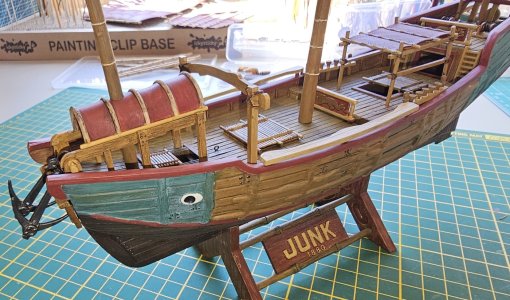
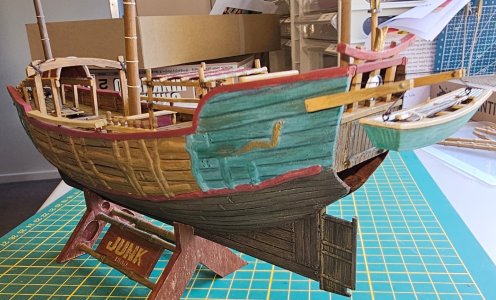
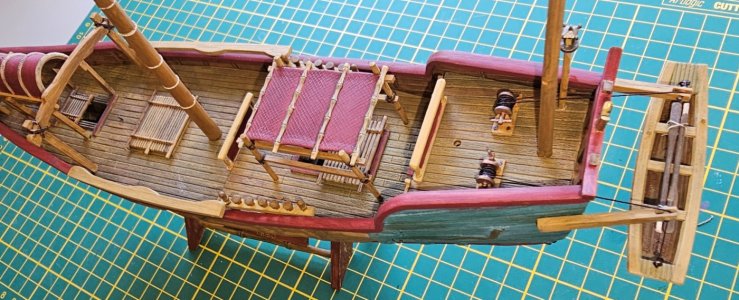
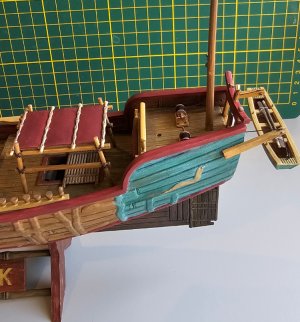
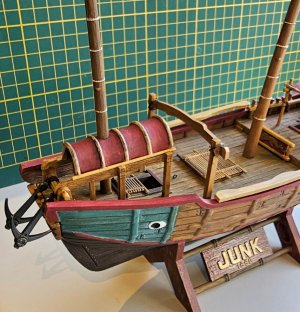
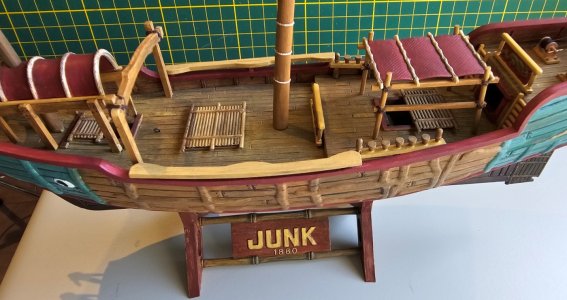



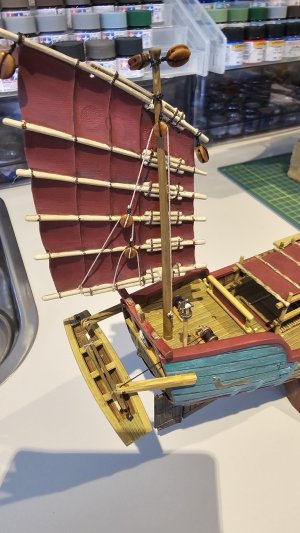

 ? No?
? No?