

- Joined
- Dec 7, 2022
- Messages
- 230
- Points
- 113

Kurt -Looks like a fun and worthwhile project.
Thanks! Perhaps a Grimwood could be added to your list of projects

Greg

 |
The beloved Ships in Scale Magazine is back and charting a new course for 2026! Discover new skills, new techniques, and new inspirations in every issue. NOTE THAT OUR NEXT ISSUE WILL BE July/August 2026 |
|
 |
As a way to introduce our brass coins to the community, we will raffle off a free coin during the month of August. Follow link ABOVE for instructions for entering. |
|
Kurt -Looks like a fun and worthwhile project.
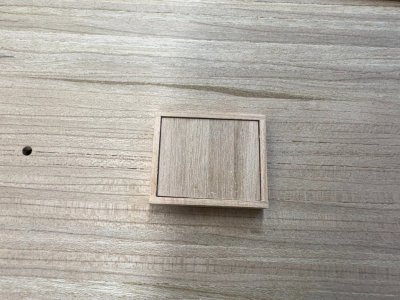
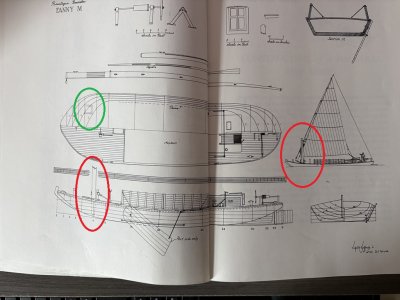
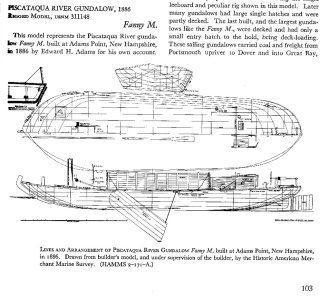
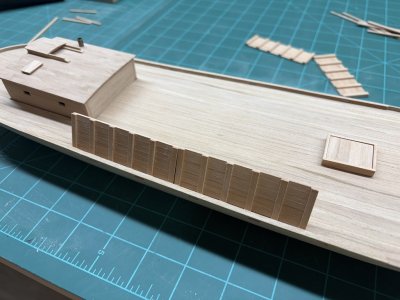
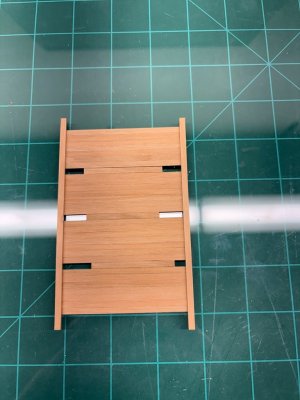
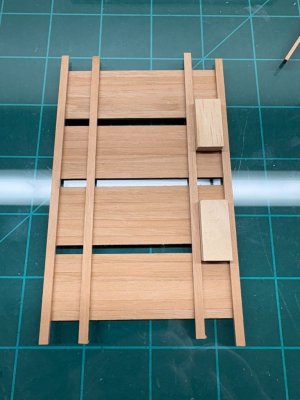
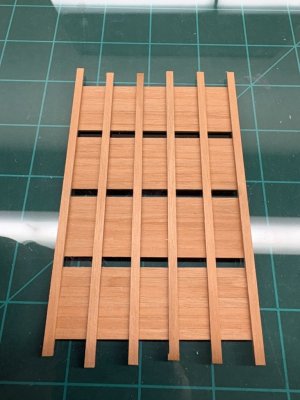
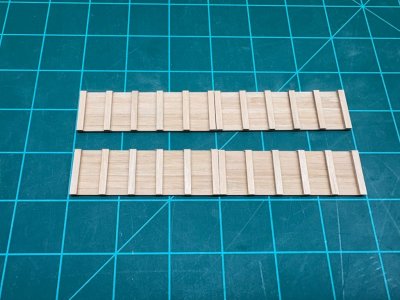


Much appreciated!I simply love your clean work, Greg!
Greg,
Are you giving any thought to "painting" with alcohol based aniline dyes?
Using that method is easier if the wood is dyed before assembly.
I am not sure about white. A whitewash may be necessary. There is no problem with gloss.
The grain is still visible.
Shellac and how many coats determines the nature of the finish and has a completely effective reverse gear.
I have the thought of using Renaissance Wax Polish over the shellac, but a test on scrap first.


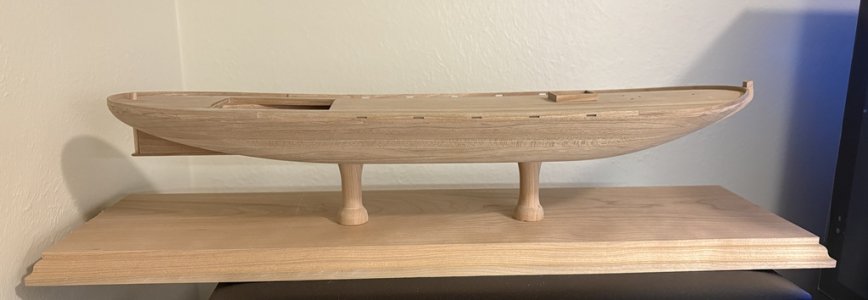
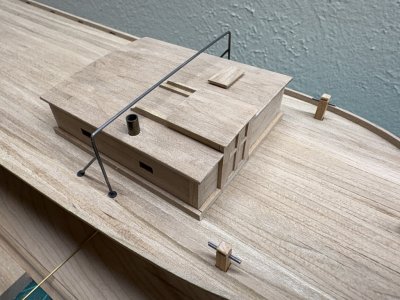
This is an interesting optionI was imagining a transparent color contrast of the deck house - hatch combing - topside - portable walls from the deck.
Paint is way too much for what I am imagining. That it is Cherry still needs to come thru.
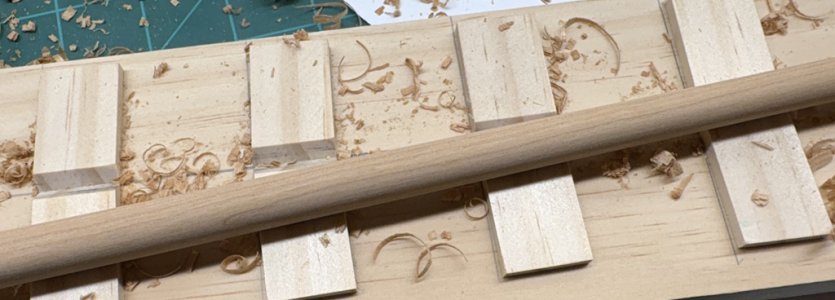
Thanks, and I am interested in your Leon build - (re)building models from that time period of publications is rather fascinating!Well done! I especially like your use of spacers to maintain consistency… I’m adding that little “trick” to my memory… assuming I can hold that thought!
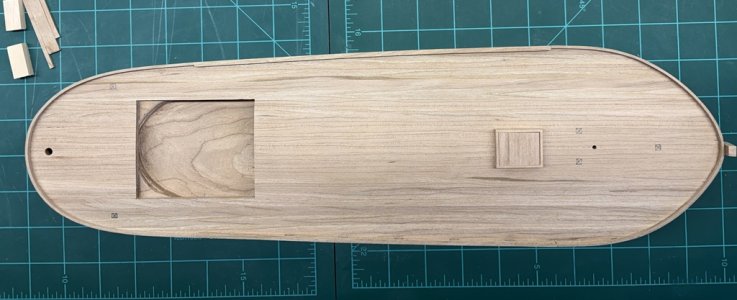
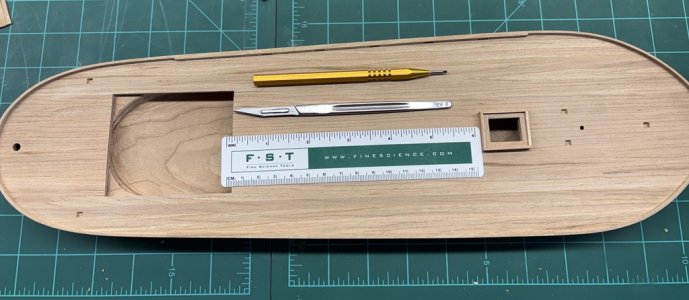
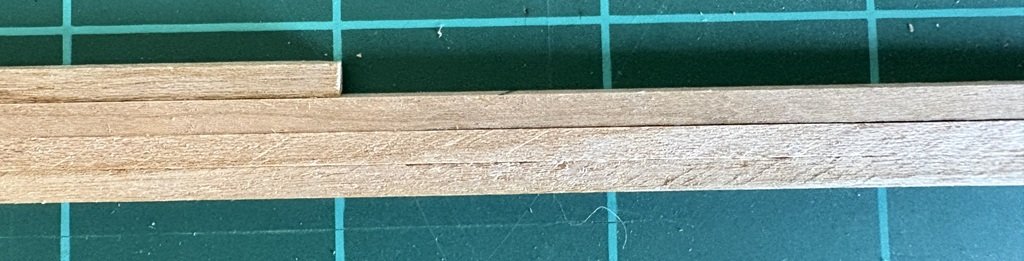
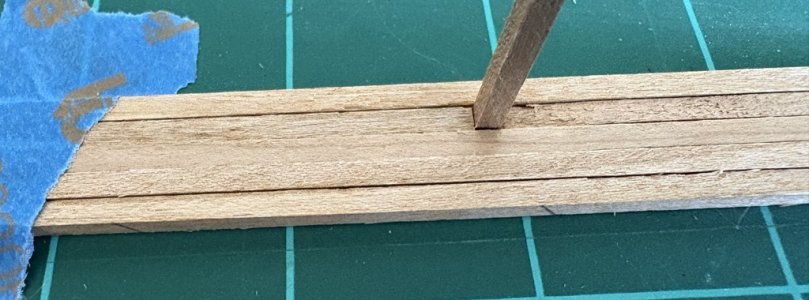
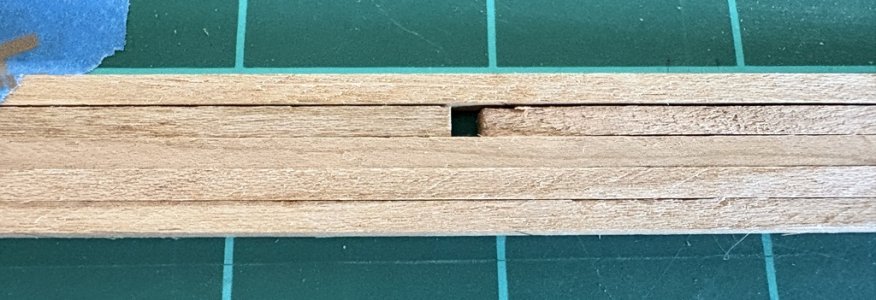
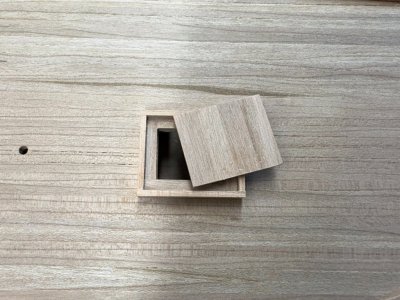
Your technique is belt and suspenders - the better option. The socket will be of help in keeping this furniture 90 degrees vertical. A Parkinson's twitch should not displace.The first step is to carefully measure and then mark their location on the deck. This is really a measure twice cut once situation as the work is invasive and a misplaced hole is really hard to remedy.
In some ways less difficult. The work could go as follows:How much more difficult would it be to have made the holes in the deck planks before they were bonded?