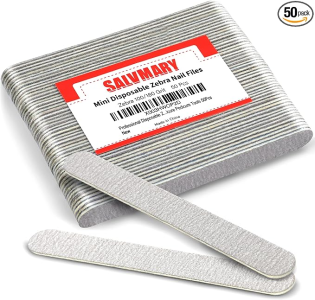
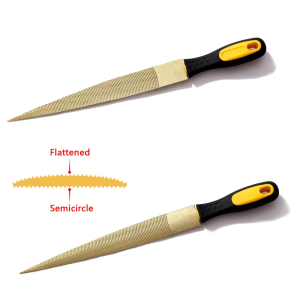
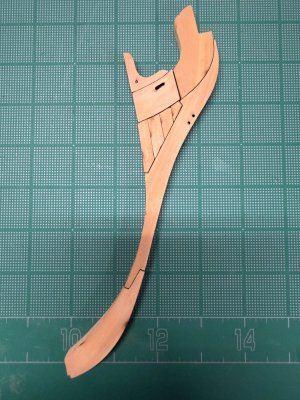
I found that actually finer grit sandpaper works well. It takes as long as a rough grit, but doesn't change the shape. And always use it glued to blocks, no loose pieces of paper! I have a ton of small blocks that were easy and quick to make. The frames weren't too bad either. I got a lot of use out of a Dremel in the Dremel router kit as a miniature spindle sander. And again, used relatively fine grit that I found on Amazon in these crazy big and cheap packs of sanding tubes.
I think the finer grit works because the char is actually quite shallow once you scrape away the ashes. Then you don't have to go down too far. If you use heavy grit, you go through the wood faster and you have to keep going until the whole surface is reduced to the thickness of the grit to get the last bits of affected wood.
I had to come up with something because in earlier projects; I was getting too much change in shape.
But finer grit (I get away with 320) and making sure never to use loose paper might help you out.
Also, I know it's tough on the stem. Those pieces are already tough to get right. But wouldn't those joints be felt and tar? (Feel free to correct me as I know people do here). You can always do a light scraping to get that loose stuff off which makes a good glue joint impossible, and then go from there. You'll see the joints. It might be a good way to show the work off too.
So maybe try one piece? Just lightly scrape off the ash with the back of a hobby knife and then try some 320 grit on a block or any shape you have. I used the point end of the hobby knife as a scraper in tough to reach places. I think you might be happy.
And don't despair, it's such a cool kit you started!
Best of luck!
I think the finer grit works because the char is actually quite shallow once you scrape away the ashes. Then you don't have to go down too far. If you use heavy grit, you go through the wood faster and you have to keep going until the whole surface is reduced to the thickness of the grit to get the last bits of affected wood.
I had to come up with something because in earlier projects; I was getting too much change in shape.
But finer grit (I get away with 320) and making sure never to use loose paper might help you out.
Also, I know it's tough on the stem. Those pieces are already tough to get right. But wouldn't those joints be felt and tar? (Feel free to correct me as I know people do here). You can always do a light scraping to get that loose stuff off which makes a good glue joint impossible, and then go from there. You'll see the joints. It might be a good way to show the work off too.
So maybe try one piece? Just lightly scrape off the ash with the back of a hobby knife and then try some 320 grit on a block or any shape you have. I used the point end of the hobby knife as a scraper in tough to reach places. I think you might be happy.
And don't despair, it's such a cool kit you started!
Best of luck!