.
Please. Go ahead.
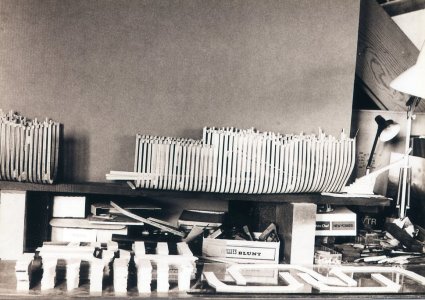
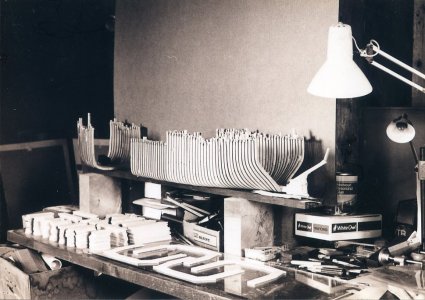
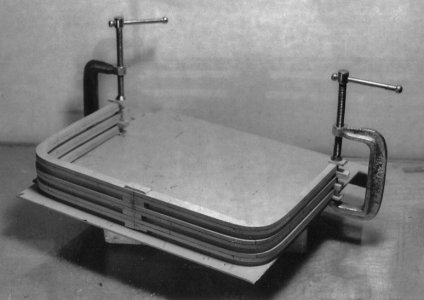
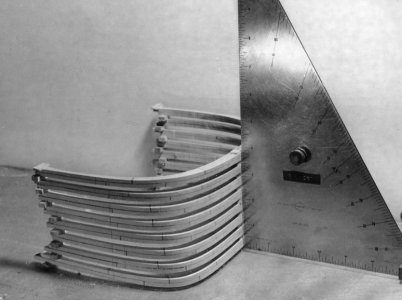
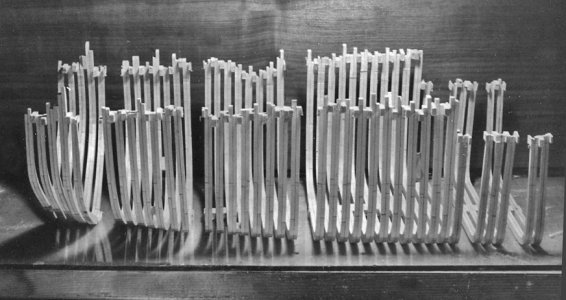
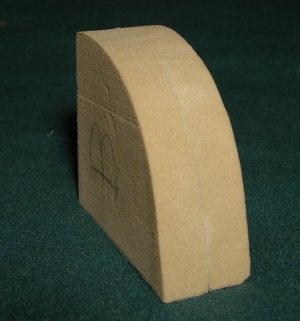
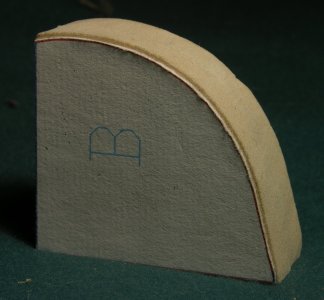
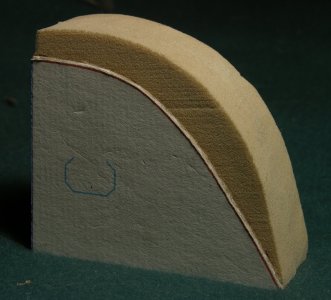
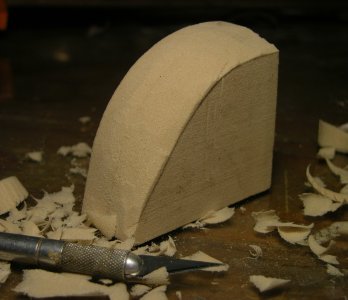
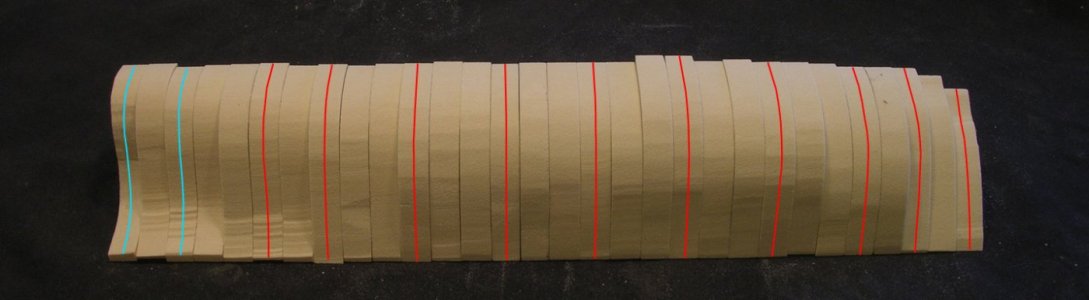
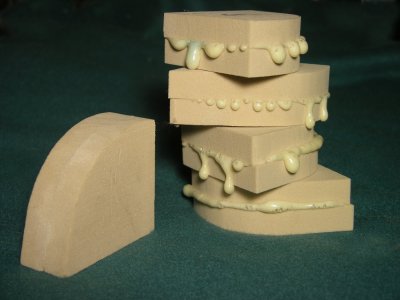
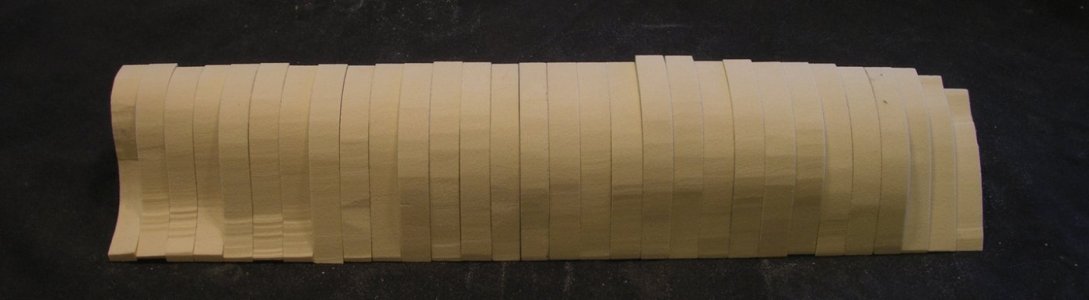
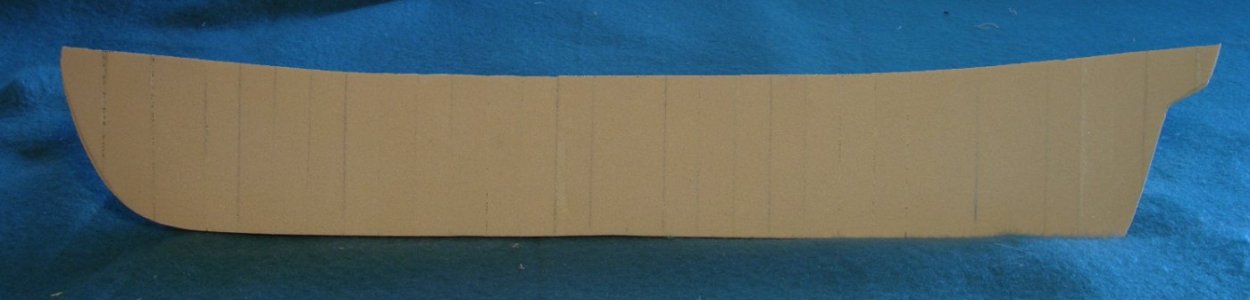
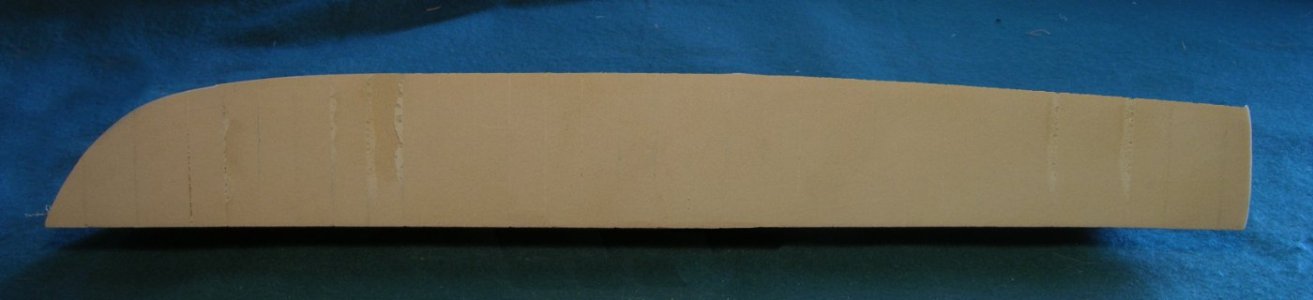
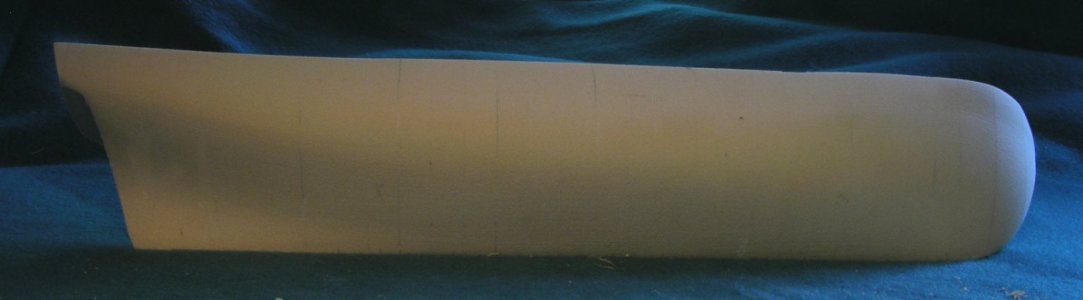
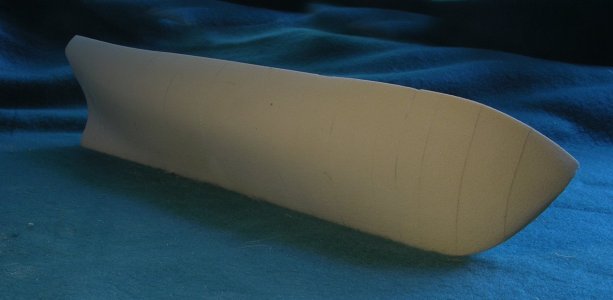
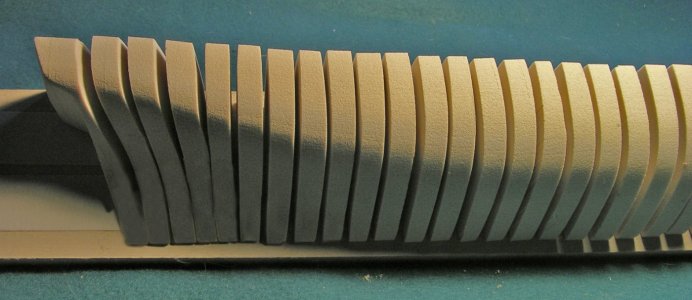
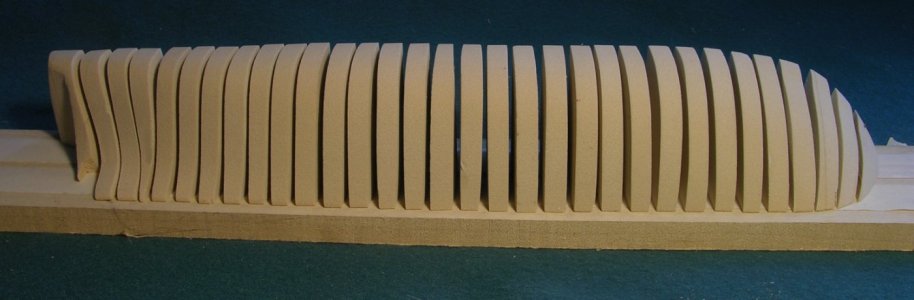
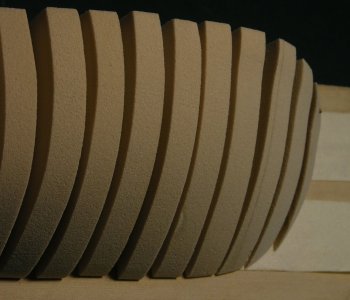
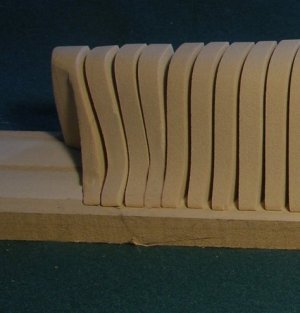
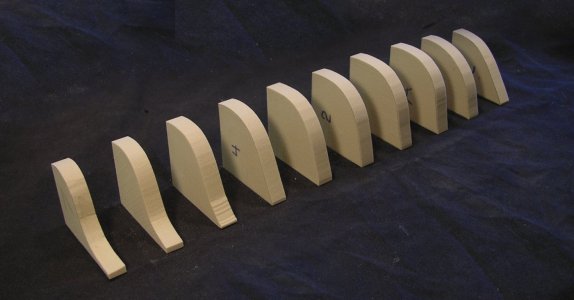
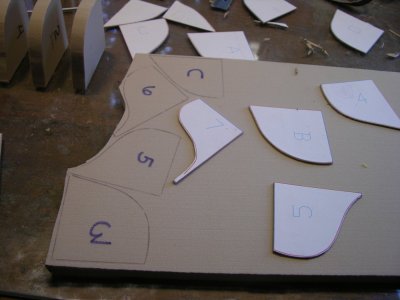
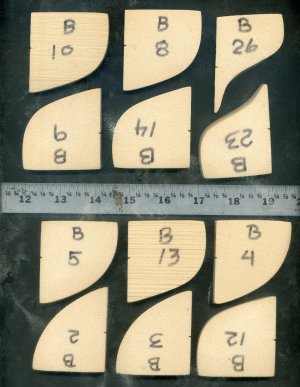
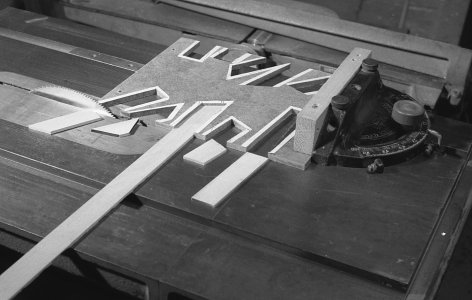
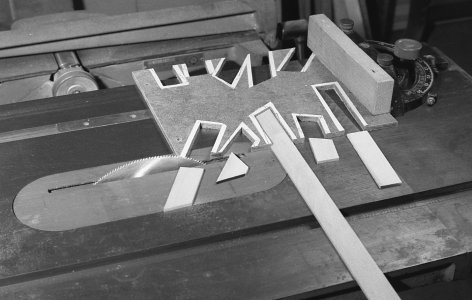
re: the way you ask that, I have a very different concept of what was the historical shipyard practice from yours it seems. I do not mean anything personal. Either an idea is true or it is not. How I feel about it matters not. I was not aiming at you, just seeking a debate. I enjoy licking around ideas. (That idiom may not translate?) Also, part of the way that I play this game is to try to emulate what the old guys did in the ship yard. I think that the way that I fabricate my hulls is very similar to getting the final shape by battens and an adz. It is just that my wood is 60 times smaller and I can use paper patterns and a drum sander and it is all done on a bulk station to station thick section of frames. It works so easily for me that it seems logical that the mold loft did something similar.
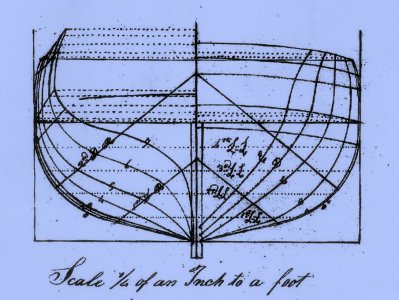
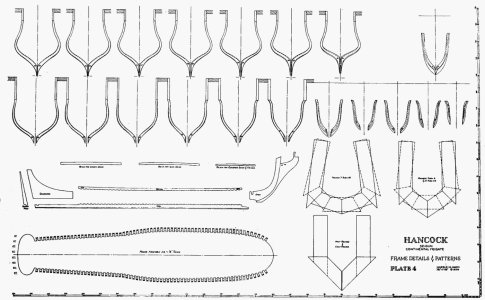
I started out by plotting both faces of every frame. That takes forever. After a long evolution of development, I just trace the station shapes from the body plan, set the moulded dimension, determine the butt lines for the timbers and isolate the individual timber patterns. I can loft a first rate in about 10-14 days. I am just wondering if 3DCAD can match that - once the lines from the plan is entered as program lines.
Oh, quite a few issues have come up in our recent posts, but I will try to address them gradually, probably in more than one post.
You have described above your general approach together with the more detailed methods of model building that are most convenient for you, and they are perfectly fine with me. As is constantly emphasised, personal satisfaction is one of the most important thing in this activity, and what is more, I myself use these methods to a greater or lesser extent.
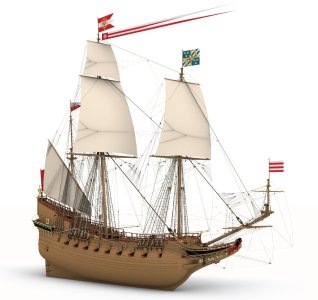
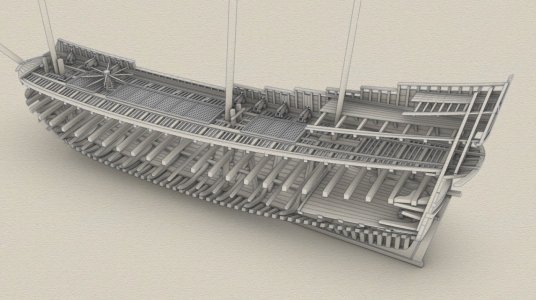
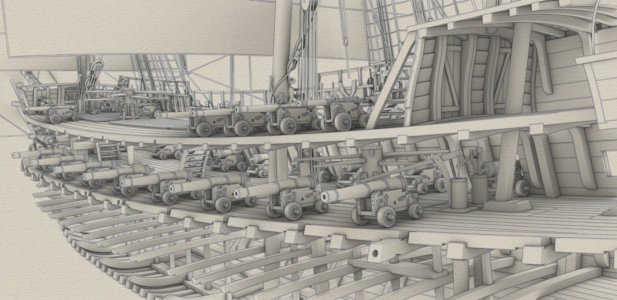
At the same time, I will also give another example, presenting somewhat different approach, supplemented by the possibilities offered by today's 3D software. Some time ago, I designed a ship from a bygone era digitally, yet strictly based on historical source data, including the geometric method of obtaining hull shapes used at the time. In this sense, 3D software was just a tool like any other, but importantly, it also guaranteed a level of precision that was unattainable with traditional methods, as well as the ability to simulate many possible variants, still before cutting (and possibly wasting) wood. Of course, this is only possible with the adequate level of skill, diligence and competence in the relevant fields, both in terms of historical knowledge and the use of the tools themselves, which is not always the case.
Below are a few renders of my design:
Indeed, after converting the 3D model into 2D drawings and handing this project over to professional model makers from the museum workshop (they eventually opted for the POB method and a scale of 1:15), they commented that this was the first time they had worked on a project where everything fit together perfectly right away. They cut the bulkheads on a CNC milling machine and practically all that remained was bevelling (no fairing needed as is usual in model making based on less than perfect documentation).
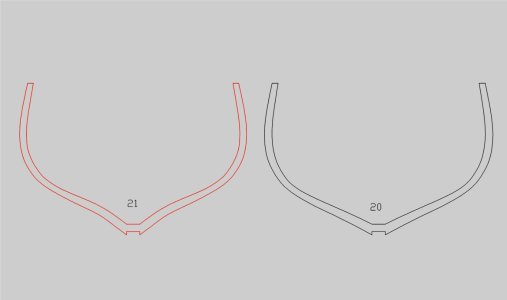
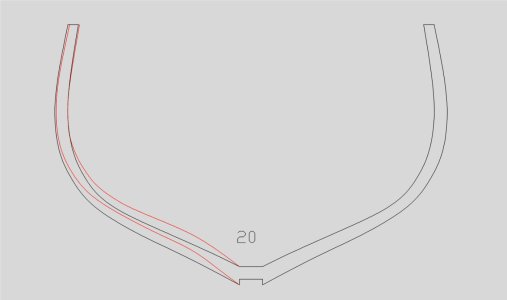
What's more, despite numerous attempts, they were unable to pre-cut the wales with the correct curvature for the bow, as bending the ‘huge’ rigid slats (1:15 scale, hard wood and difficult shape) proved impossible to achieve the desired course, so they finally asked me to provide a flattened outline of these wales, and they received them the same day. And again, everything fit perfectly, thanks to the previous efforts to achieve high precision in the design. No fuss.

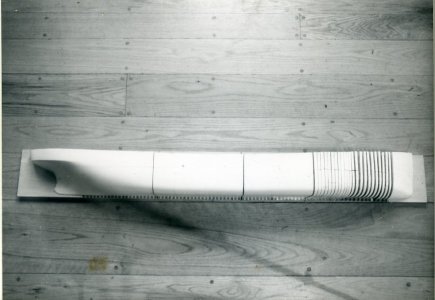
Model under construction (this picture to be deleted in a few hours):
I also know other designers, for example of cardboard sets, who use 3D modelling in the design process for these difficult shapes, who are widely praised for the precision with which the connected elements fit together.
However…
Attempts to extrapolate personal experiences based solely on one's own DIY experiments are very risky and can prove to be very misleading. In the context of so-called scholarly research, or at least that conducted by members of this community, perhaps the most spectacular disaster was the fabricated idea of building ships by eye, with the following justification: ‘since I have managed to build a model by eye, real ships must also have been built by eye several centuries ago, and not in some conceptual way’. Now it seems unbelievable, but this idea of intuitive building was widely and uncritically accepted by probably the entire scholar community, despite its obvious logical flaws and without any further verification.
A good, concrete example is the method of achieving bevelling you employ, i.e. using battens, which by necessity can only be applied after the frames have been assembled in the hull skeleton. Indeed, it is tempting to extrapolate this way to historical practices used on a real scale. However, it turns out that methods for obtaining bevelling have been described, sometimes in great detail, since at least the beginning of the 17th century, and refer to a process performed even before the installation of the frames, so necessarily without the possibility of using battens.
.