WOW! Sergey, you totally owned this. Cheers Grant

 |
The beloved Ships in Scale Magazine is back and charting a new course for 2026! Discover new skills, new techniques, and new inspirations in every issue. NOTE THAT OUR NEXT ISSUE WILL BE July/August 2026 |
|
 |
As a way to introduce our brass coins to the community, we will raffle off a free coin during the month of August. Follow link ABOVE for instructions for entering. |
|


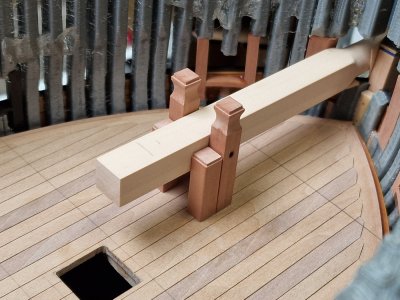
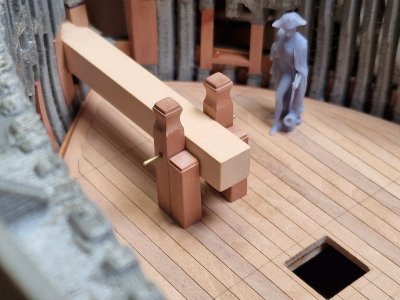

Some very nice made bitts, Sergey. And again a well documented production process.Bowsprit Pins.
View attachment 584020
Before I can finally start nailing the deck, I need to determine the position of all the useful parts on it. Today, Pins.
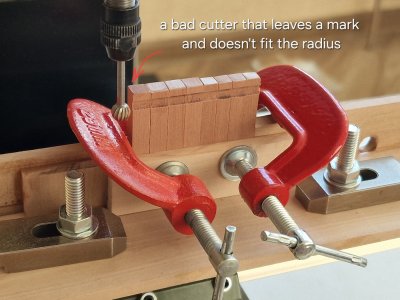
This is the second and last time I've tried this burr, and it's going in the trash. Just junk...
View attachment 584021
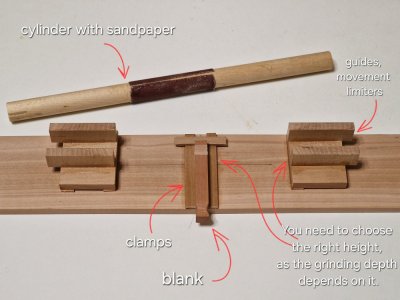
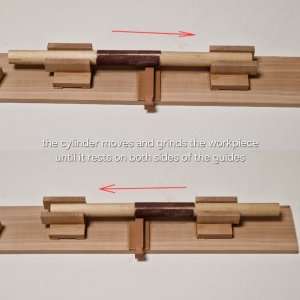
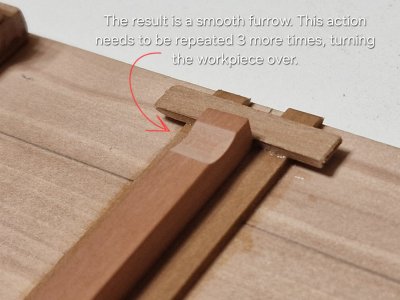
I decided to make a simple jig. The principle is simple: sandpaper is glued to a cylinder, which moves precisely along a single path, limited by positioners.
View attachment 584022
View attachment 584023
View attachment 584024
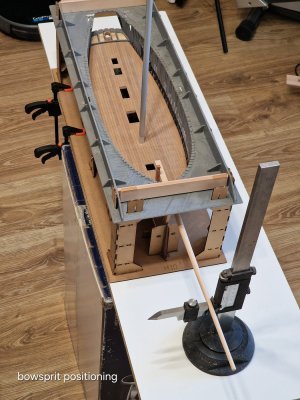
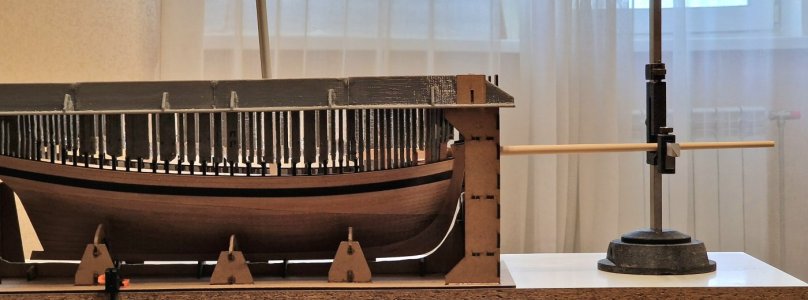
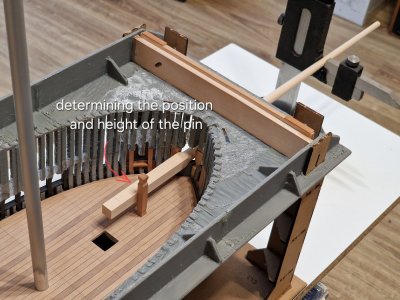
To correctly locate the pins, you first need to accurately position the bowsprit and then determine the correct position of the pins.
View attachment 584025
View attachment 584026
View attachment 584027
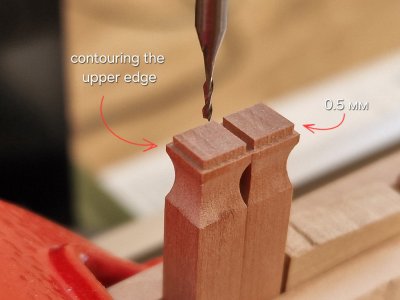
After determining the dimensions, the next step is simple processing according to the drawings.
View attachment 584028
View attachment 584029
View attachment 584030
View attachment 584031
View attachment 584032
View attachment 584033
View attachment 584034
Fitting:
View attachment 584035
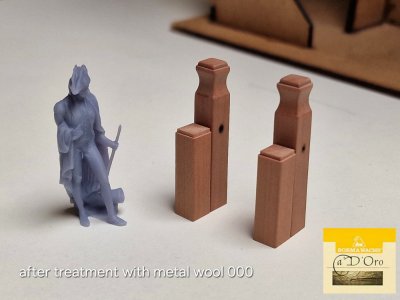
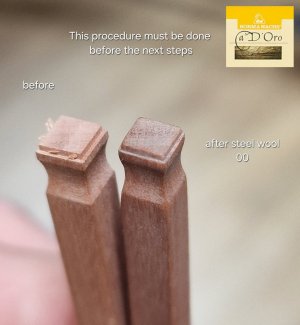
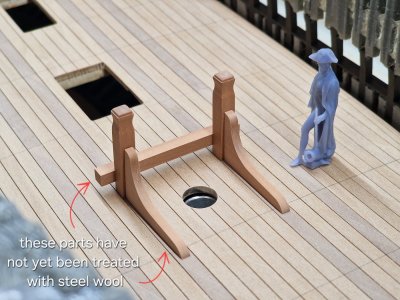
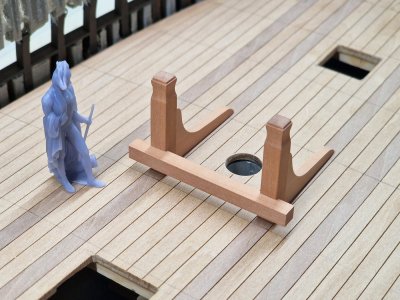
The result after treatment with 000 steel wool. I highly recommend using it for finishing the parts! Specifically, from Borma Wachs.
View attachment 584036
View attachment 584037
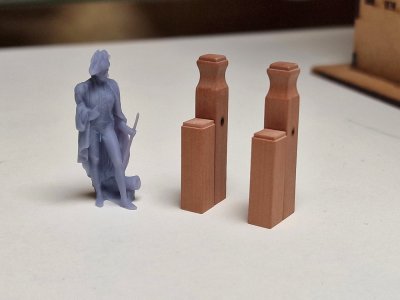
This isn't the final work yet. The forward parts will still need milling. The lower parts will be reinforced with pins through which they will be glued to the deck. All current work is aimed at precisely positioning the nails on the deck boards.
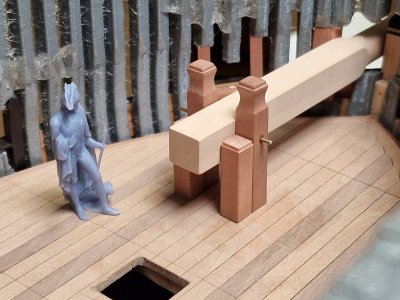
And now, another fitting:
View attachment 584038
View attachment 584039
I'm a little surprised myself that it turned out this way. After the boron fiasco, I thought I'd never achieve such a result...

As always, your work continues to be top notch ! Beautiful !Bowsprit Pins.
View attachment 584020
Before I can finally start nailing the deck, I need to determine the position of all the useful parts on it. Today, Pins.
This is the second and last time I've tried this burr, and it's going in the trash. Just junk...
View attachment 584021
I decided to make a simple jig. The principle is simple: sandpaper is glued to a cylinder, which moves precisely along a single path, limited by positioners.
View attachment 584022
View attachment 584023
View attachment 584024
To correctly locate the pins, you first need to accurately position the bowsprit and then determine the correct position of the pins.
View attachment 584025
View attachment 584026
View attachment 584027
After determining the dimensions, the next step is simple processing according to the drawings.
View attachment 584028
View attachment 584029
View attachment 584030
View attachment 584031
View attachment 584032
View attachment 584033
View attachment 584034
Fitting:
View attachment 584035
The result after treatment with 000 steel wool. I highly recommend using it for finishing the parts! Specifically, from Borma Wachs.
View attachment 584036
View attachment 584037
This isn't the final work yet. The forward parts will still need milling. The lower parts will be reinforced with pins through which they will be glued to the deck. All current work is aimed at precisely positioning the nails on the deck boards.
And now, another fitting:
View attachment 584038
View attachment 584039
I'm a little surprised myself that it turned out this way. After the boron fiasco, I thought I'd never achieve such a result...
Some very nice made bitts, Sergey. And again a well documented production process.
Regards, Peter
As always, your work continues to be top notch ! Beautiful !
Friends, thank you for the kind words. I'm glad you like it, I'll try to keep up the good work.Beautiful job on those bitts Sergey, and your sanding jig is ingenious!


 BTW what speed are you using on the Proxxon?
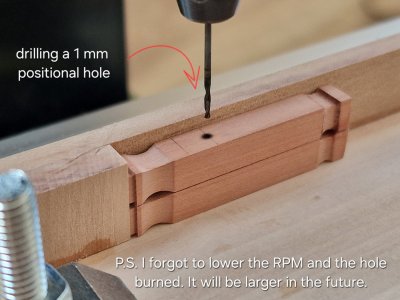
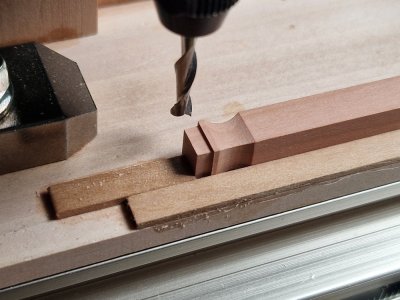
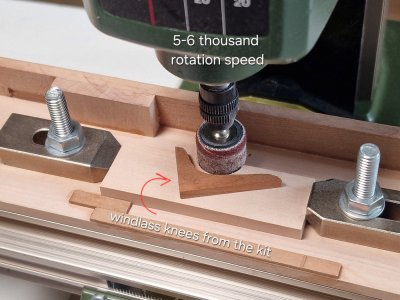
I mainly use only three Proxxon 27116 router bits (1, 2, and 3 mm) at 16,000 RPM. I need to significantly reduce the speed for round wood burrs, right down to minimum, and for drill bits, I set it to minimum, and even then, it can burn out at greater depths. But for routing, the Proxxon 27116 set is ideal.Nice


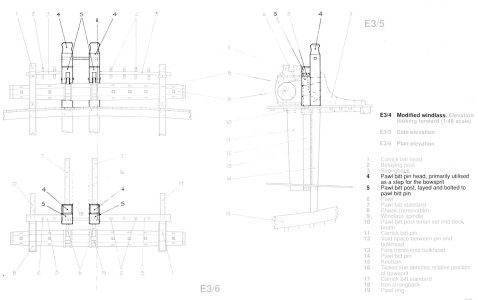
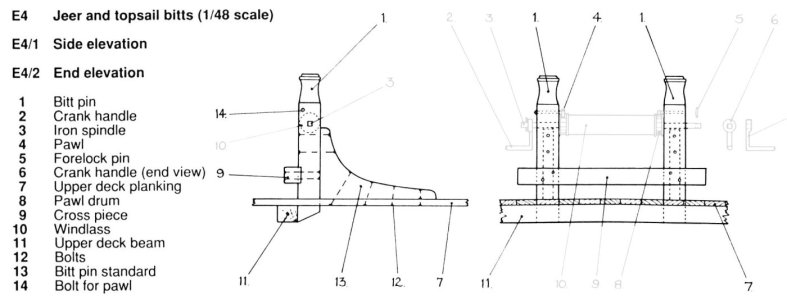
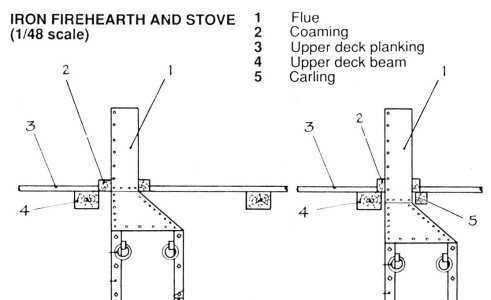
There exist an original drawing at the NMM (ZAZ7911) which is showing lot of the deck and the deckbeamsAll parts are made primarily to understand their placement on the deck, their dimensions, and their relationship to each other. Since there are no precise drawings (only the anatomy), this is essential.
What I mean is that I don't invent the placement of things on the deck, but rather calculate them on the spot to ensure the nails are exactly where they should be. Without an accurate 1:1 drawing, this is impossible, even if there are scale drawings. Any millimeter to the right or left and the nails will be out of place, and it will be noticeable. Therefore, it's better to make all the parts, then position them as accurately as possible on the deck, record this location, and then calculate the positions of all the nails based on that. No one will notice if a random grid is shifted by 1 mm, but if the nails next to it are shifted by that millimeter, it will immediately catch the eye. And in an ideal world, yes, you would first model a 1:1 plan and calculate everything, and then strictly follow those calculations, but that's not my case. It's important to me that the appearance of the model is such that anyone looking at it won't notice any flaws or errors.There exist an original drawing at the NMM (ZAZ7911) which is showing lot of the deck and the deckbeams

No way Sergey. I’m not going to look at your posts anymore they just depress meBitt Pins
View attachment 585413
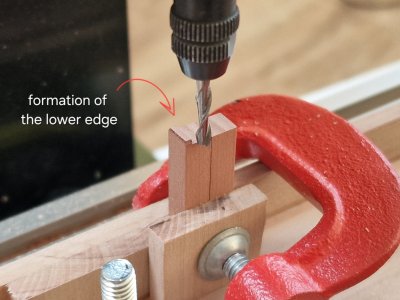
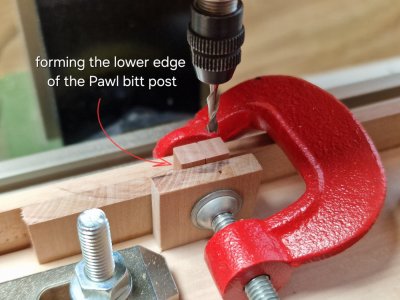
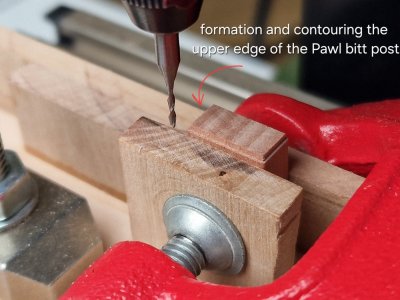
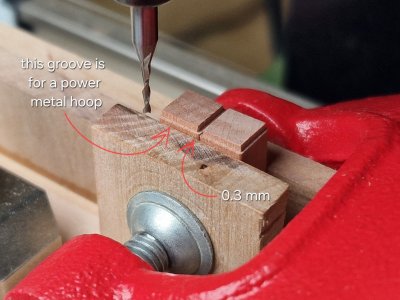
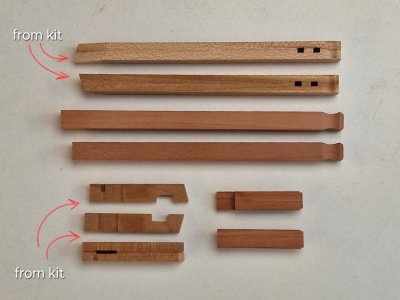
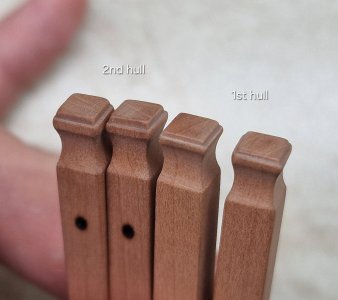
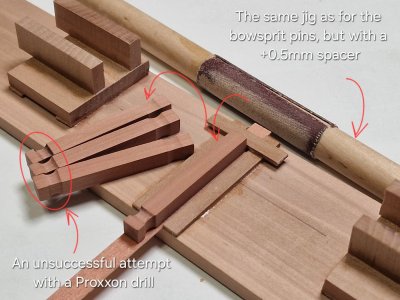
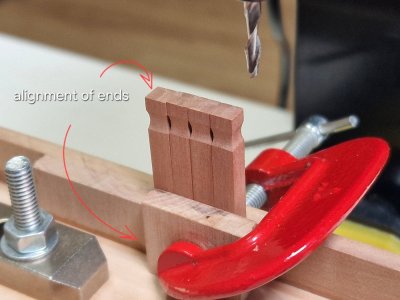
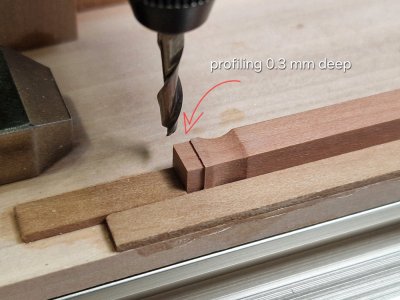
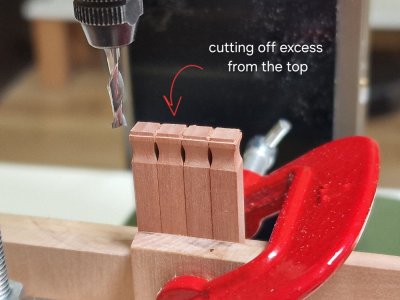
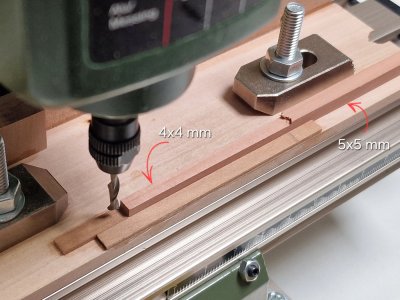
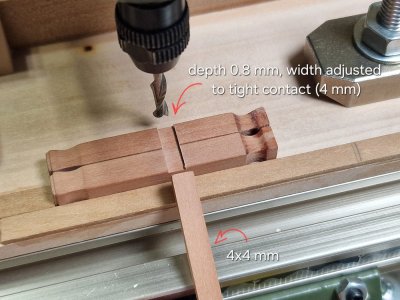
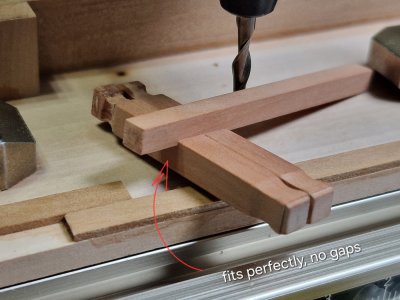
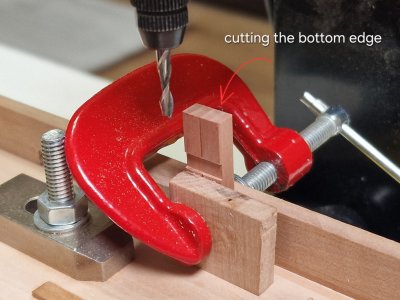
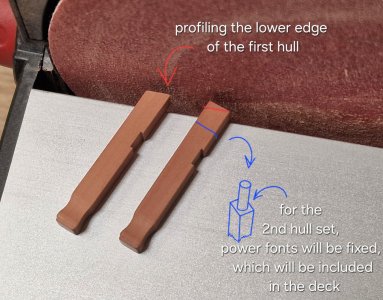
Most of the processes are very similar to what I have done before.
View attachment 585416
View attachment 585417
View attachment 585418
View attachment 585419
View attachment 585420
View attachment 585421
View attachment 585422
View attachment 585423
View attachment 585424
View attachment 585425
View attachment 585426
View attachment 585427
View attachment 585428
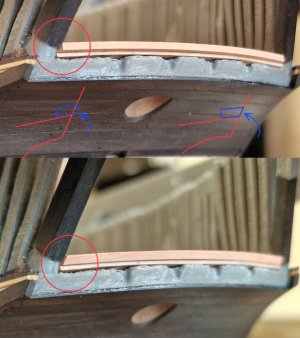
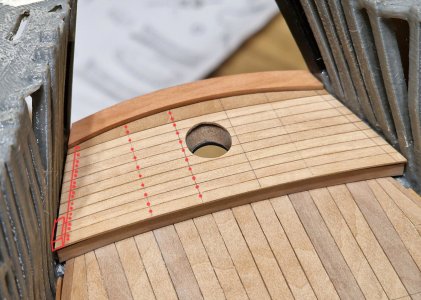
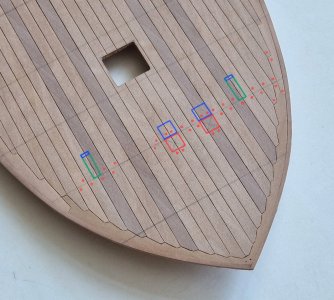
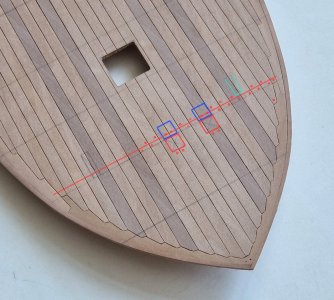
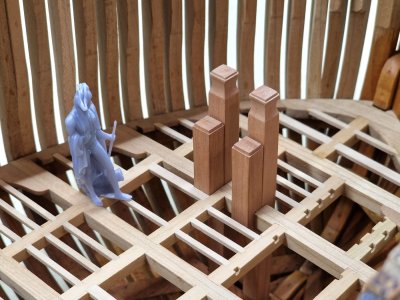
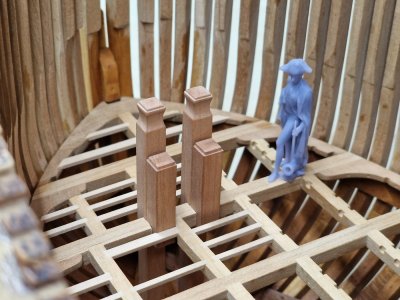
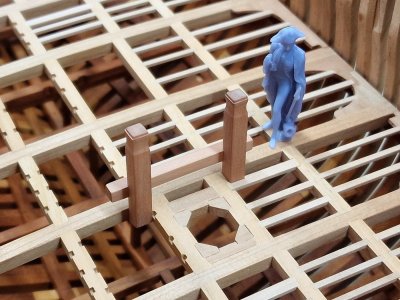
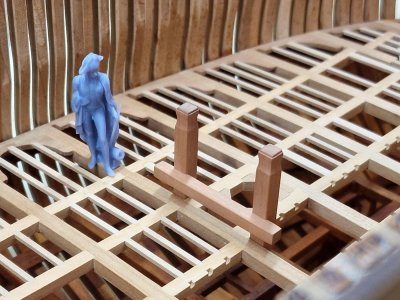
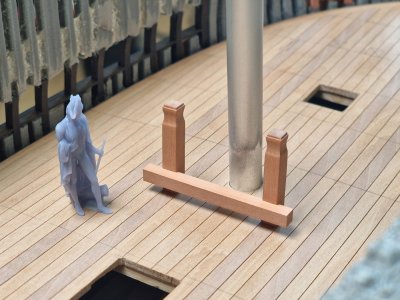
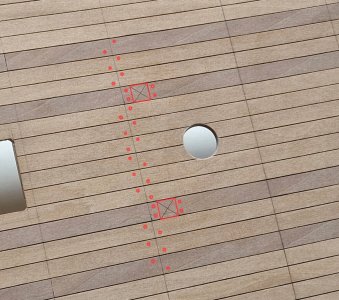
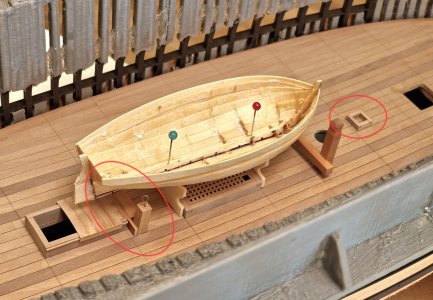
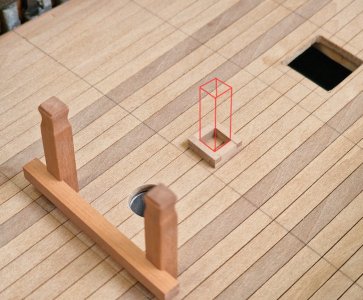
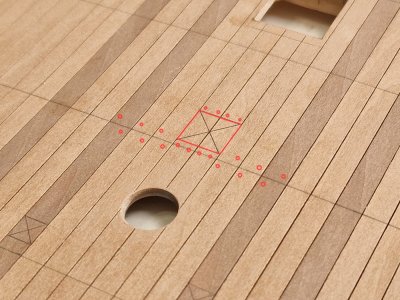
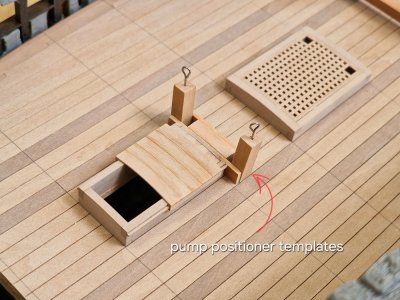
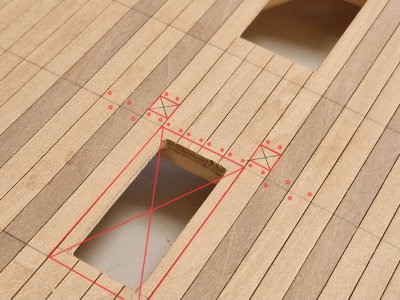
Testing the pins to correctly locate the beam position relative to the pins and other elements. Here's what nailing in this area will look like:
View attachment 585429
The red squares are the pin holes (in the original), but I'll be gluing the pins on top of the deck and reinforcing the joint with pins. There will be two holes in the deck for these pins. This will make the fit much easier and create a more aesthetically pleasing finish than with the mortise-and-tumble option.
View attachment 585430
View attachment 585431
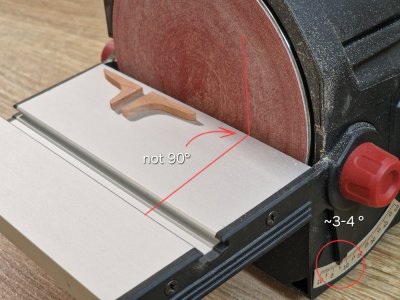
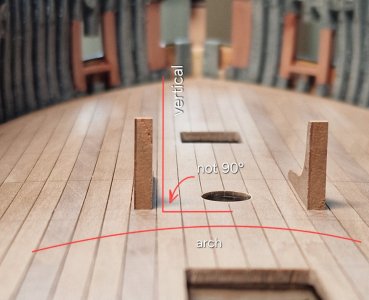
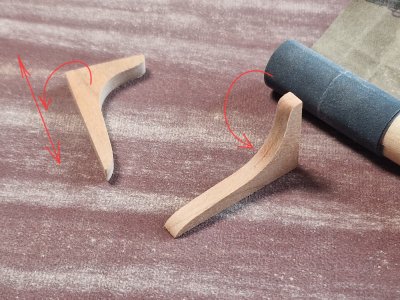
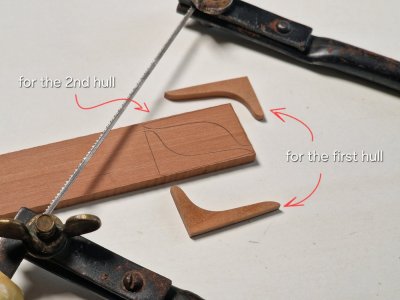
Sanding must be done at a certain angle (selected by eye), so that in the end the knees stand vertically, despite the fact that the deck is arched and not strictly horizontal.
View attachment 585432
View attachment 585433
View attachment 585434
I'll still be finishing the knees for the first block just before they're secured. The knees for the second block will still need to be treated with steel wool, bolted, and so on. But most of the work is done, and most importantly, I now know where and how to nail.
View attachment 585435
View attachment 585436

Thank you, glad it was helpful.Wonderful results! Thank you so much for showing the process. I learn something every time!
You flatter me too much)) but I'm pleased. Thank you. You do everything great too!No way Sergey. I’m not going to look at your posts anymore they just depress me
Seriously though I am awed at your skill - brilliant.
Cheers Grant
.
Thank you very much. I understand your point, but I'd like to clarify. I slightly increased the smoothing on the pins for one reason: these parts always interacted with ropes and people's hands, so they were always smoother. As for other things, I agree that sometimes it's not worth rounding them too much.I love it, but I think I’d use a bit less steel wool – you’re losing too much definition imo. I like to use a sanding sponge and go over it once to soften the edges a little.
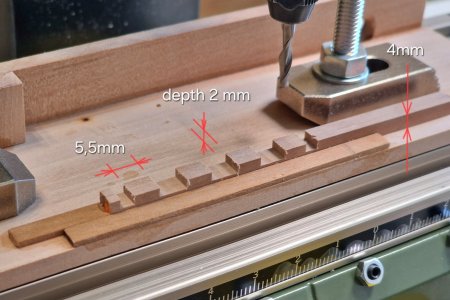
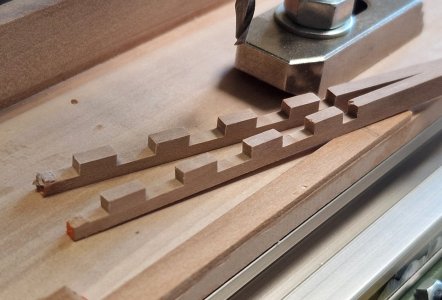
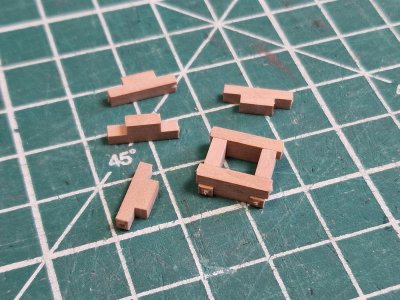
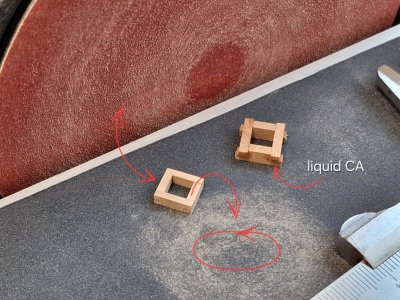
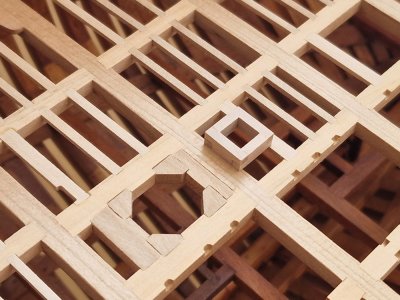
Thanks for the comment. I often miss a drill press, because deep holes on a router, even at low speeds, burn the wood. But your comments are helpful, as this machine can replace a router for certain purposes, and if you also make a table, even more so.Just saw your post on making twin bit pins. WELL DONE, definitely something I will be doing in the future.
The majority of members do not own a milling machine but I am guessing a lot of members have a small bench top drill press. For anyone that has not tried it, you can mill wood with the press. This was my method for decades before getting a small mill. The bearings on a drill press are not for milling, but mine was only used for cutting wood and it is still in good working order 30 years later.
Allan